
Contents
Overview
The Great Glen is a 62-mile-long (100 km) fault line that runs through the Scottish Highlands, from Inverness to Fort William. This region is not only a geological wonder but also steeped in history and culture, with the famous Loch Ness and the Caledonian Canal traversing its length. The Great Glen has a vibe score of 8 due to its breathtaking landscapes, rich cultural heritage, and the enduring legend of the Loch Ness Monster. However, it's also an area of significant geological instability, with ongoing seismic activity and a history of landslides. As a popular tourist destination, the Great Glen faces the challenge of balancing economic development with environmental conservation. With its unique blend of natural beauty, cultural significance, and scientific interest, the Great Glen is a fascinating region that continues to captivate visitors and researchers alike, with influence flows from Scottish folklore to modern-day ecotourism.
🏞️ Introduction to Great Glen
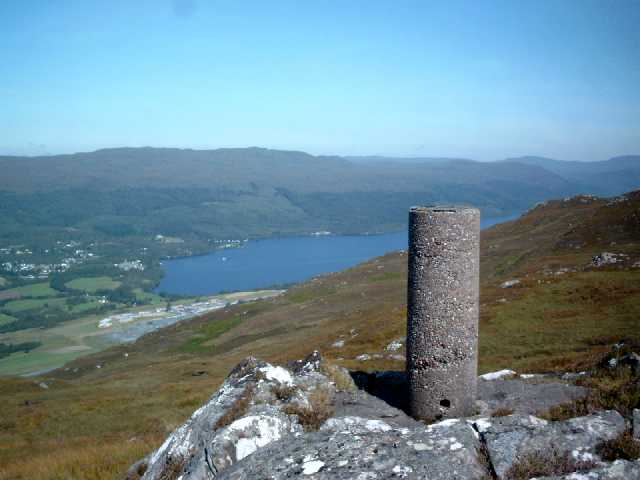
The Great Glen, also known as the Glen More, is a geographical fault line that runs for approximately 62 miles (100 km) across Scotland. It is a significant feature of the Scottish landscape, stretching from Inverness in the north to Fort William in the south. The Great Glen is not only a notable geological formation but also a popular destination for outdoor enthusiasts, with its stunning scenery and diverse wildlife. Visitors can explore the area by hiking, biking, or taking a Loch Ness boat tour. The region is also home to several notable lochs, including Loch Ness and Loch Oich.
🌐 Geographical Features
The Great Glen is characterized by its unique geological features, including the Caledonian Canal, which connects the North Sea to the Atlantic Ocean. The canal is an important transportation route and a popular spot for sailing and fishing. The area is also home to several notable mountains, including Ben Nevis, the highest peak in the British Isles. The Great Glen is a significant habitat for a wide range of wildlife, including red deer, golden eagles, and otters. The region's diverse landscape supports a variety of ecosystems, from heathland to woodland.
🏃♂️ Outdoor Activities
The Great Glen offers a wide range of outdoor activities, including hiking, cycling, and skiing. The area is home to several notable hiking trails, including the Great Glen Way, a 73-mile (117 km) trail that runs from Inverness to Fort William. The trail takes walkers through some of the most stunning scenery in Scotland, including Loch Ness and the Caledonian Canal. Visitors can also explore the area by bike, with several cycling routes available, including the Great Glen Cycle Route.
🚣♀️ Water Sports
The Great Glen is a popular destination for water sports, including sailing, kayaking, and canoeing. The area is home to several notable lochs, including Loch Ness and Loch Oich, which offer stunning scenery and diverse wildlife. Visitors can take a Loch Ness boat tour to explore the area and spot narrow boats and other wildlife. The region is also home to several sailing clubs and marinas, including the Inverness Marina and the Fort William Marina.
🏞️ Conservation Efforts
The Great Glen is an important area for conservation, with several notable nature reserves and protected areas. The area is home to a wide range of wildlife, including red deer, golden eagles, and otters. The region's diverse landscape supports a variety of ecosystems, from heathland to woodland. Visitors can explore the area's natural beauty by visiting the Cairngorms National Park or the Loch Ness Exhibition Centre.
📸 Tourism and Economy
The Great Glen is a significant contributor to the local economy, with tourism being a major industry. The area attracts visitors from all over the world, who come to explore the region's stunning scenery and diverse wildlife. The region is home to several notable hotels, including the Inverness Palace Hotel and the Fort William Nevis Bank Inn. Visitors can also explore the area's rich history and culture by visiting the Inverness Museum and Art Gallery or the West Highland Museum.
🚗 Transportation and Infrastructure
The Great Glen has a well-developed transportation network, with several major roads and railways connecting the area to the rest of Scotland. The region is also home to several notable airports, including the Inverness Airport and the Glasgow International Airport. Visitors can explore the area by car, with several car rental companies available, including Europcar and Hertz.
👥 Local Communities
The Great Glen is home to several local communities, each with its own unique character and charm. The area is home to several notable towns, including Inverness and Fort William. Visitors can explore the area's local culture by visiting the Inverness High Street or the Fort William High Street. The region is also home to several notable festivals, including the Inverness Festival and the Fort William Festival.
📚 History and Culture
The Great Glen has a rich history and culture, with several notable historical sites and museums. The area is home to several notable castles, including the Inverness Castle and the Urquhart Castle. Visitors can explore the area's history by visiting the Inverness Museum and Art Gallery or the West Highland Museum. The region is also home to several notable historical figures, including Charles Edward Stuart and Flora MacDonald.
🌟 Future Developments
The Great Glen is an area of ongoing development, with several major projects planned for the future. The region is expected to benefit from the development of the Caledonian Canal, which will improve transportation links and boost the local economy. The area is also expected to benefit from the growth of renewable energy, with several major wind farms and hydroelectric power stations planned for the region. Visitors can explore the area's future developments by visiting the Inverness Chamber of Commerce or the Fort William Chamber of Commerce.
Key Facts
- Year
- Prehistoric
- Origin
- Scotland, UK
- Category
- Geography
- Type
- Geological Formation
Frequently Asked Questions
What is the Great Glen?
The Great Glen is a geographical fault line that runs for approximately 62 miles (100 km) across Scotland. It is a significant feature of the Scottish landscape, stretching from Inverness in the north to Fort William in the south. The Great Glen is not only a notable geological formation but also a popular destination for outdoor enthusiasts, with its stunning scenery and diverse wildlife.
What outdoor activities are available in the Great Glen?
The Great Glen offers a wide range of outdoor activities, including hiking, cycling, and skiing. The area is home to several notable hiking trails, including the Great Glen Way, a 73-mile (117 km) trail that runs from Inverness to Fort William. Visitors can also explore the area by bike, with several cycling routes available, including the Great Glen Cycle Route.
What is the Caledonian Canal?
The Caledonian Canal is a significant transportation route that connects the North Sea to the Atlantic Ocean. The canal is an important route for boats and ships, and it also offers stunning scenery and diverse wildlife. Visitors can explore the canal by taking a boat tour or by walking or cycling along the towpath.
What is the history of the Great Glen?
The Great Glen has a rich history and culture, with several notable historical sites and museums. The area is home to several notable castles, including the Inverness Castle and the Urquhart Castle. Visitors can explore the area's history by visiting the Inverness Museum and Art Gallery or the West Highland Museum.
What is the economy of the Great Glen like?
The Great Glen is a significant contributor to the local economy, with tourism being a major industry. The area attracts visitors from all over the world, who come to explore the region's stunning scenery and diverse wildlife. The region is home to several notable hotels, including the Inverness Palace Hotel and the Fort William Nevis Bank Inn.
What is the future of the Great Glen?
The Great Glen is an area of ongoing development, with several major projects planned for the future. The region is expected to benefit from the development of the Caledonian Canal, which will improve transportation links and boost the local economy. The area is also expected to benefit from the growth of renewable energy, with several major wind farms and hydroelectric power stations planned for the region.
How do I get to the Great Glen?
The Great Glen has a well-developed transportation network, with several major roads and railways connecting the area to the rest of Scotland. The region is also home to several notable airports, including the Inverness Airport and the Glasgow International Airport. Visitors can explore the area by car, with several car rental companies available, including Europcar and Hertz.