
Contents
- 🚢 Introduction to Global Shipping
- 📈 Economic Impact of Global Shipping
- 🚧 Infrastructure and Logistics
- 🚣♀️ Maritime Trade and Shipping Routes
- 🛡️ Safety and Security in Global Shipping
- 🌎 Environmental Concerns and Sustainability
- 💼 Key Players in the Global Shipping Industry
- 📊 Trends and Innovations in Global Shipping
- 🌟 Future of Global Shipping: Opportunities and Challenges
- 📝 Regulatory Frameworks and Compliance
- 🤝 International Cooperation and Trade Agreements
- Frequently Asked Questions
- Related Topics
Overview
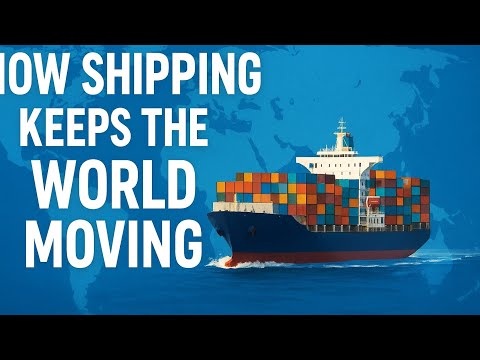
The global shipping industry is a $14 trillion market that accounts for 90% of international trade, with over 50,000 merchant ships traversing the world's oceans. The industry is dominated by a handful of players, including Maersk, COSCO, and CMA CGM, who control nearly 70% of the global container market. However, the industry is also plagued by issues such as pollution, piracy, and congestion, with the International Maritime Organization (IMO) estimating that shipping accounts for around 2.2% of global greenhouse gas emissions. As the world's population grows and trade volumes increase, the global shipping industry is under pressure to become more efficient, sustainable, and secure. With the rise of digitalization and automation, companies like Rolls-Royce and Wärtsilä are developing autonomous shipping systems, while startups like Flexport and Freightos are disrupting traditional logistics models. As the industry navigates these challenges and opportunities, one thing is clear: the global shipping industry will continue to play a vital role in shaping the world's economy and environment.
🚢 Introduction to Global Shipping
The global shipping industry is a vital component of international trade, with over 90% of global trade being carried by sea. The industry is complex and multifaceted, involving various stakeholders, including shipping lines, ports, and logistics providers. To understand the industry, it's essential to explore its history and evolution, including the development of shipping containers and the impact of globalization on trade. The industry is also influenced by global events, such as trade wars and pandemics, which can disrupt supply chains and affect trade volumes. As the industry continues to evolve, it's crucial to consider the role of digitalization and sustainability in shaping its future.
📈 Economic Impact of Global Shipping
The economic impact of global shipping is significant, with the industry contributing to the GDP of many countries. The industry also provides employment opportunities, both directly and indirectly, through various sectors, including ports and terminals and logistics and supply chain management. However, the industry is not without its challenges, including congestion at ports and environmental concerns. To address these challenges, the industry is investing in infrastructure development and sustainable practices, such as the use of liquefied natural gas as a cleaner fuel alternative. The industry is also exploring new technologies, including blockchain and artificial intelligence, to improve efficiency and reduce costs.
🚧 Infrastructure and Logistics
The global shipping industry relies on a complex network of infrastructure, including ports and terminals, canals and waterways, and shipping lanes. The industry is also influenced by geopolitics, with various countries and regions competing for dominance in the industry. To remain competitive, shipping lines and ports must invest in infrastructure development, including the construction of new container terminals and the expansion of existing bulk cargo facilities. The industry is also focused on improving supply chain efficiency, through the use of digital platforms and data analytics.
🚣♀️ Maritime Trade and Shipping Routes
Maritime trade and shipping routes are critical components of the global shipping industry, with various routes connecting different regions and countries. The industry is influenced by global trade agreements, such as the Trans-Pacific Partnership, and regional trade agreements, such as the North American Free Trade Agreement. Shipping lines and ports must navigate these agreements, while also considering environmental concerns and safety and security issues. The industry is also exploring new routes and markets, including the Arctic shipping route and the Africa emerging markets.
🛡️ Safety and Security in Global Shipping
Safety and security are critical concerns in the global shipping industry, with the industry facing various threats, including piracy and cybersecurity risks. To address these concerns, the industry is investing in safety and security measures, including the use of armed guards and surveillance systems. The industry is also focused on improving crew training and development, to ensure that seafarers have the necessary skills and knowledge to operate safely and securely. Additionally, the industry is exploring new technologies, including autonomous shipping and artificial intelligence, to improve safety and security.
🌎 Environmental Concerns and Sustainability
The global shipping industry is facing increasing pressure to reduce its environmental impact, with the industry being a significant contributor to greenhouse gas emissions and marine pollution. To address these concerns, the industry is investing in sustainable practices, including the use of liquefied natural gas and wind-assisted propulsion. The industry is also exploring new technologies, including hydrogen fuel cells and carbon capture and storage, to reduce its environmental impact. Furthermore, the industry is focused on improving waste management and recycling, to minimize its impact on the environment.
💼 Key Players in the Global Shipping Industry
The global shipping industry is dominated by a few large players, including Maersk and Cosco. However, the industry is also home to many smaller players, including independent shipping lines and specialized shipping companies. To remain competitive, these companies must invest in digitalization and sustainability, while also navigating the complex regulatory landscape of the industry. The industry is also influenced by geopolitics, with various countries and regions competing for dominance in the industry. Additionally, the industry is exploring new business models, including shipping as a service and freight marketplaces.
📊 Trends and Innovations in Global Shipping
The global shipping industry is undergoing significant changes, driven by digitalization and sustainability. The industry is investing in new technologies, including blockchain and artificial intelligence, to improve efficiency and reduce costs. The industry is also exploring new business models, including shipping as a service and freight marketplaces. Furthermore, the industry is focused on improving supply chain visibility, through the use of data analytics and IoT sensors. The industry is also considering the potential impact of autonomous shipping and hypersonic shipping on the future of the industry.
🌟 Future of Global Shipping: Opportunities and Challenges
The future of the global shipping industry is uncertain, with the industry facing various challenges, including environmental concerns and safety and security issues. However, the industry is also poised for growth, driven by increasing demand for global trade and e-commerce. To remain competitive, the industry must invest in digitalization and sustainability, while also navigating the complex regulatory landscape of the industry. The industry is also exploring new technologies, including hydrogen fuel cells and carbon capture and storage, to reduce its environmental impact. Additionally, the industry is considering the potential impact of trade wars and pandemics on the future of the industry.
📝 Regulatory Frameworks and Compliance
The global shipping industry is subject to a complex regulatory framework, including International Maritime Organization regulations and customs and border protection regulations. To navigate this framework, shipping lines and ports must invest in compliance and regulatory affairs, while also considering environmental concerns and safety and security issues. The industry is also influenced by geopolitics, with various countries and regions competing for dominance in the industry. Furthermore, the industry is exploring new technologies, including blockchain and artificial intelligence, to improve compliance and reduce costs.
🤝 International Cooperation and Trade Agreements
The global shipping industry is a critical component of international trade, with the industry relying on international cooperation and trade agreements to facilitate the movement of goods. The industry is influenced by global trade agreements, such as the World Trade Organization, and regional trade agreements, such as the North American Free Trade Agreement. To remain competitive, the industry must navigate these agreements, while also considering environmental concerns and safety and security issues. Additionally, the industry is exploring new technologies, including digital platforms and data analytics, to improve efficiency and reduce costs.
Key Facts
- Year
- 2022
- Origin
- International Maritime Organization (IMO)
- Category
- Transportation and Logistics
- Type
- Industry
Frequently Asked Questions
What is the current state of the global shipping industry?
The global shipping industry is a vital component of international trade, with over 90% of global trade being carried by sea. The industry is complex and multifaceted, involving various stakeholders, including shipping lines, ports, and logistics providers. The industry is facing various challenges, including environmental concerns and safety and security issues, but is also poised for growth, driven by increasing demand for global trade and e-commerce.
What are the major trends and innovations in the global shipping industry?
The global shipping industry is undergoing significant changes, driven by digitalization and sustainability. The industry is investing in new technologies, including blockchain and artificial intelligence, to improve efficiency and reduce costs. The industry is also exploring new business models, including shipping as a service and freight marketplaces.
What are the key challenges facing the global shipping industry?
The global shipping industry is facing various challenges, including environmental concerns, safety and security issues, and regulatory compliance. The industry must navigate a complex regulatory framework, while also considering geopolitical tensions and trade agreements. Additionally, the industry is facing increasing pressure to reduce its environmental impact and improve its safety and security record.
What is the role of digitalization in the global shipping industry?
Digitalization is playing a critical role in the global shipping industry, with the industry investing in new technologies, including blockchain and artificial intelligence, to improve efficiency and reduce costs. The industry is also exploring new business models, including shipping as a service and freight marketplaces, to improve supply chain visibility and reduce costs.
What is the future of the global shipping industry?
The future of the global shipping industry is uncertain, with the industry facing various challenges, including environmental concerns and safety and security issues. However, the industry is also poised for growth, driven by increasing demand for global trade and e-commerce. To remain competitive, the industry must invest in digitalization and sustainability, while also navigating the complex regulatory landscape of the industry.
What are the major players in the global shipping industry?
The global shipping industry is dominated by a few large players, including Maersk and Cosco. However, the industry is also home to many smaller players, including independent shipping lines and specialized shipping companies. To remain competitive, these companies must invest in digitalization and sustainability, while also navigating the complex regulatory landscape of the industry.
What is the impact of trade wars on the global shipping industry?
Trade wars are having a significant impact on the global shipping industry, with the industry facing increased uncertainty and volatility. The industry is also facing increased costs and reduced demand, as trade tensions escalate. To navigate these challenges, the industry must invest in digitalization and sustainability, while also considering geopolitical tensions and trade agreements.