
Contents
- 📊 Introduction to Gig Economy Trends
- 💼 The Rise of Freelance Work
- 📈 Gig Economy Statistics and Growth
- 🤝 The Role of Digital Platforms in the Gig Economy
- 📊 Benefits and Drawbacks of Gig Economy Jobs
- 🌎 Global Gig Economy Trends and Variations
- 🚀 The Future of Work: Emerging Trends and Innovations
- 📚 Regulatory Challenges and Policy Debates
- 👥 The Impact of Gig Economy on Traditional Employment
- 💸 Gig Economy and Financial Inclusion
- 📊 Measuring Success in the Gig Economy
- 🔮 Conclusion: Navigating the Shifting Landscape of Work
- Frequently Asked Questions
- Related Topics
Overview
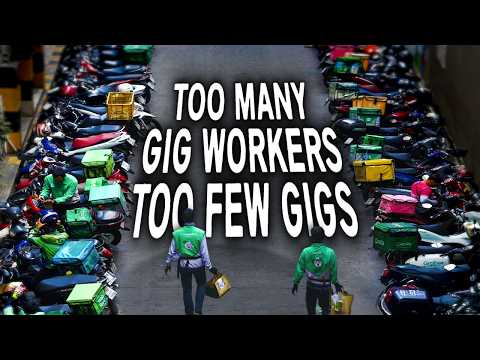
The gig economy, which has grown exponentially since the launch of platforms like Uber in 2009 and Airbnb in 2008, has transformed the way people work and earn a living. With a projected global value of $455 billion by 2025, up from $204 billion in 2018, the gig economy shows no signs of slowing down. However, concerns over worker rights, benefits, and job security have sparked intense debates and controversies. As the gig economy continues to evolve, trends such as the rise of freelance platforms, increased focus on worker benefits, and growing competition among platforms are expected to shape the future of work. According to a report by Mastercard, the gig economy is expected to account for 34% of the global workforce by 2025, with 54% of millennials already engaged in gig work. As the gig economy expands, it's likely to have a significant impact on traditional employment models and social safety nets, with 71% of gig workers reporting that they are satisfied with their work, despite concerns over job security and benefits.
📊 Introduction to Gig Economy Trends
The gig economy, also known as the sharing or on-demand economy, has been gaining momentum over the past decade. This shift towards short-term, flexible work arrangements has been driven by the rise of digital platforms such as Uber and Airbnb. As a result, the traditional notion of employment has been disrupted, and new trends have emerged. According to a report by McKinsey, the gig economy has the potential to increase global GDP by up to 2% by 2025. To understand the implications of this shift, it's essential to explore the history of the gig economy and its key players, such as Lyft and TaskRabbit.
💼 The Rise of Freelance Work
Freelance work has become increasingly popular, with many professionals opting for the flexibility and autonomy it offers. Platforms like Upwork and Freelancer have made it easier for freelancers to find work and for businesses to access a global talent pool. However, this shift has also raised concerns about job security, benefits, and workers' rights. As the gig economy continues to grow, it's crucial to address these issues and ensure that workers are protected. The National Labor Relations Act and the Fair Labor Standards Act are essential laws that govern labor relations in the United States, and their application to the gig economy is still being debated.
📈 Gig Economy Statistics and Growth
The gig economy has experienced rapid growth, with an estimated 57 million freelancers in the United States alone. According to a report by Intuit, the gig economy is expected to grow to 43% of the US workforce by 2028. This growth has been driven by the increasing demand for flexible work arrangements and the rise of digital platforms. However, the gig economy also faces challenges, such as the lack of benefits and job security, which can make it difficult for workers to plan for the future. The Gig Economy Index provides a comprehensive overview of the gig economy's growth and trends, including the Gig Economy Statistics.
🤝 The Role of Digital Platforms in the Gig Economy
Digital platforms have played a crucial role in the growth of the gig economy, providing a marketplace for workers to find work and for businesses to access a flexible workforce. Platforms like Fiverr and Amazon Mechanical Turk have made it possible for workers to offer their skills and services to a global client base. However, these platforms have also raised concerns about workers' rights, job security, and the lack of benefits. The Digital Labor Platforms have transformed the way we work, and their impact on the labor market is still being studied by researchers like David Weil.
📊 Benefits and Drawbacks of Gig Economy Jobs
Gig economy jobs offer a range of benefits, including flexibility, autonomy, and the opportunity to work on a variety of projects. However, they also have drawbacks, such as the lack of job security, benefits, and workers' rights. According to a report by Gallup, 43% of employed adults in the United States are working in non-traditional arrangements, such as freelancing or independent contracting. As the gig economy continues to grow, it's essential to address these issues and ensure that workers are protected. The Gig Economy Benefits and Gig Economy Drawbacks are essential aspects to consider when evaluating the gig economy's impact.
🌎 Global Gig Economy Trends and Variations
The gig economy is a global phenomenon, with different countries and regions experiencing varying levels of growth and adoption. According to a report by Mastercard, the gig economy is expected to grow to $455 billion by 2025, with the Asia-Pacific region leading the way. However, the gig economy also faces challenges, such as the lack of regulation and the need for better worker protections. The Global Gig Economy trends and variations are shaped by factors like Labor Laws and Cultural Norms.
🚀 The Future of Work: Emerging Trends and Innovations
The future of work is likely to be shaped by emerging trends and innovations, such as artificial intelligence, blockchain, and the Internet of Things. According to a report by World Economic Forum, 75 million jobs may be displaced by automation by 2022, while 133 million new roles may emerge. As the gig economy continues to evolve, it's essential to prepare workers for the changing job market and ensure that they have the skills and training needed to succeed. The Future of Work is a topic of ongoing debate, with experts like Andrew Ng and Sebastian Thrun weighing in on the implications of emerging technologies.
📚 Regulatory Challenges and Policy Debates
The gig economy raises a range of regulatory challenges and policy debates, including the classification of workers, the provision of benefits, and the need for better worker protections. According to a report by Brookings Institution, the gig economy has created a new class of workers who are not covered by traditional labor laws. As the gig economy continues to grow, it's essential to address these issues and ensure that workers are protected. The Regulatory Challenges and Policy Debates surrounding the gig economy are complex and multifaceted, involving stakeholders like Uber and Lyft.
👥 The Impact of Gig Economy on Traditional Employment
The gig economy has had a significant impact on traditional employment, with many workers opting for flexible, non-traditional arrangements. According to a report by Pew Research Center, 63% of adults in the United States believe that the gig economy has made it easier for people to find work. However, the gig economy has also raised concerns about job security, benefits, and workers' rights. The Traditional Employment model is being disrupted by the gig economy, with companies like Google and Amazon adapting to the changing landscape.
💸 Gig Economy and Financial Inclusion
The gig economy has the potential to increase financial inclusion, particularly in developing countries where access to traditional employment opportunities may be limited. According to a report by World Bank, the gig economy has created new opportunities for entrepreneurs and small business owners to access markets and customers. However, the gig economy also faces challenges, such as the lack of regulation and the need for better worker protections. The Financial Inclusion aspect of the gig economy is a critical area of study, with researchers like Sendhil Mullainathan exploring the implications of digital platforms on financial access.
📊 Measuring Success in the Gig Economy
Measuring success in the gig economy can be challenging, as traditional metrics such as job security and benefits may not be applicable. According to a report by Harvard Business Review, the gig economy has created new opportunities for workers to pursue their passions and interests. However, the gig economy also faces challenges, such as the lack of regulation and the need for better worker protections. The Measuring Success in the gig economy requires a nuanced understanding of the gig economy's complexities, including the Gig Economy Metrics.
Key Facts
- Year
- 2022
- Origin
- USA
- Category
- Economy and Labor
- Type
- Economic Trend
Frequently Asked Questions
What is the gig economy?
The gig economy, also known as the sharing or on-demand economy, refers to a labor market characterized by short-term, flexible work arrangements. This shift towards non-traditional employment has been driven by the rise of digital platforms such as Uber and Airbnb. The gig economy has created new opportunities for workers to pursue flexible, autonomous work arrangements, but it also raises concerns about job security, benefits, and workers' rights. For more information, see Gig Economy.
What are the benefits of gig economy jobs?
Gig economy jobs offer a range of benefits, including flexibility, autonomy, and the opportunity to work on a variety of projects. According to a report by Gallup, 43% of employed adults in the United States are working in non-traditional arrangements, such as freelancing or independent contracting. However, gig economy jobs also have drawbacks, such as the lack of job security, benefits, and workers' rights. For more information, see Gig Economy Benefits.
What are the challenges facing the gig economy?
The gig economy faces a range of challenges, including the lack of regulation, the need for better worker protections, and the impact of automation on jobs. According to a report by World Economic Forum, 75 million jobs may be displaced by automation by 2022, while 133 million new roles may emerge. As the gig economy continues to grow and evolve, it's essential to address these challenges and ensure that workers are protected. For more information, see Gig Economy Challenges.
How is the gig economy changing the way we work?
The gig economy is transforming the way we work, with many workers opting for flexible, non-traditional arrangements. According to a report by Pew Research Center, 63% of adults in the United States believe that the gig economy has made it easier for people to find work. However, the gig economy has also raised concerns about job security, benefits, and workers' rights. For more information, see Future of Work.
What is the future of the gig economy?
The future of the gig economy is likely to be shaped by emerging trends and innovations, such as artificial intelligence, blockchain, and the Internet of Things. According to a report by World Economic Forum, the gig economy has the potential to increase global GDP by up to 2% by 2025. As the gig economy continues to grow and evolve, it's essential to prepare workers for the changing job market and ensure that they have the skills and training needed to succeed. For more information, see Gig Economy Trends.
How can workers protect themselves in the gig economy?
Workers can protect themselves in the gig economy by being aware of their rights and responsibilities, negotiating fair pay and benefits, and seeking support from organizations and advocacy groups. According to a report by National Employment Law Project, workers in the gig economy are often misclassified as independent contractors, which can deny them access to benefits and protections. For more information, see Gig Economy Workers' Rights.
What is the impact of the gig economy on traditional employment?
The gig economy has had a significant impact on traditional employment, with many workers opting for flexible, non-traditional arrangements. According to a report by Pew Research Center, 63% of adults in the United States believe that the gig economy has made it easier for people to find work. However, the gig economy has also raised concerns about job security, benefits, and workers' rights. For more information, see Traditional Employment.