
Contents
- 🌐 Introduction to FET Program
- 💻 History and Evolution of FET
- 🔬 FET Program Objectives and Scope
- 📈 FET Funding and Budget
- 🌈 FET Research Areas and Topics
- 🤝 FET Collaboration and Partnerships
- 📊 FET Impact and Evaluation
- 🚀 Future Directions and Prospects
- 📚 FET and Education
- 👥 FET Community and Outreach
- 📢 FET Dissemination and Communication
- 🔜 FET and Societal Implications
- Frequently Asked Questions
- Related Topics
Overview
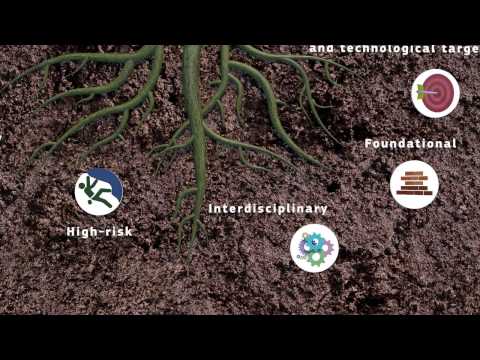
The Future and Emerging Technologies (FET) Program is a research funding program established by the European Commission to support European Union research and innovation in the field of emerging technologies. The program aims to promote interdisciplinary research and collaboration among research institutions, industry, and society. The FET Program has a strong focus on high-risk, high-reward research, which has the potential to lead to breakthroughs and innovations in various fields. For example, the FET Program has supported research in quantum computing, artificial intelligence, and biotechnology. The program also encourages international collaboration and has partnerships with other research funding agencies around the world, such as the National Science Foundation in the United States.
💻 History and Evolution of FET
The FET Program has its roots in the 7th Framework Programme for Research and Technological Development (FP7), which was launched in 2007. During FP7, the FET Program was a small component of the overall research funding program, but it has since grown in size and scope. In the Horizon 2020 program, which ran from 2014 to 2020, the FET Program was a major component, with a budget of over €2.7 billion. The program has supported a wide range of research projects, including those in nanotechnology, cognitive science, and complex systems. The FET Program has also been instrumental in promoting science communication and public engagement with research, through initiatives such as the Science in Society program.
🔬 FET Program Objectives and Scope
The FET Program has several objectives, including the promotion of interdisciplinary research, the support of high-risk, high-reward research, and the encouragement of international collaboration. The program also aims to promote the development of emerging technologies and their applications, and to support the creation of innovative ecosystems. The FET Program has a strong focus on societal challenges, such as health, energy, and environment, and aims to support research that can help address these challenges. For example, the FET Program has supported research in personalized medicine, renewable energy, and sustainable development. The program also encourages industry-academia collaboration and has partnerships with companies such as Google and Microsoft.
📈 FET Funding and Budget
The FET Program has a significant budget, with over €2.7 billion allocated to the program during the Horizon 2020 period. The program supports a wide range of research projects, from small-scale research projects to large-scale flagship projects. The FET Program also supports research infrastructure, such as research centers and laboratories. The program has a strong focus on impact and aims to support research that can lead to innovations and breakthroughs in various fields. For example, the FET Program has supported research in graphene, synthetic biology, and neuromorphic computing. The program also encourages entrepreneurship and has partnerships with companies such as startups and scaleups.
🌈 FET Research Areas and Topics
The FET Program supports research in a wide range of areas, including quantum computing, artificial intelligence, and biotechnology. The program also supports research in nanotechnology, cognitive science, and complex systems. The FET Program has a strong focus on interdisciplinary research and encourages collaboration among researchers from different fields. For example, the FET Program has supported research in neuroscience, computer science, and engineering. The program also supports science communication and public engagement with research, through initiatives such as the Science in Society program. The FET Program has partnerships with organizations such as the European Research Council and the National Science Foundation.
🤝 FET Collaboration and Partnerships
The FET Program encourages international collaboration and has partnerships with research funding agencies around the world. The program also encourages industry-academia collaboration and has partnerships with companies such as Google and Microsoft. The FET Program supports research networks and research infrastructures, such as research centers and laboratories. The program also supports innovation hubs and startups, and has partnerships with organizations such as the European Institute of Innovation and Technology. For example, the FET Program has supported research in cyber-physical systems, human-computer interaction, and data science. The program also encourages entrepreneurship and has partnerships with companies such as scaleups and venture capital firms.
📊 FET Impact and Evaluation
The FET Program has a strong focus on impact and aims to support research that can lead to innovations and breakthroughs in various fields. The program evaluates its impact through a range of metrics, including publication and citation rates, patent filings, and spin-off companies. The FET Program also supports science communication and public engagement with research, through initiatives such as the Science in Society program. For example, the FET Program has supported research in materials science, energy storage, and renewable energy. The program also encourages industry-academia collaboration and has partnerships with companies such as Siemens and IBM.
🚀 Future Directions and Prospects
The FET Program is looking to the future and is exploring new areas of research, such as quantum computing and artificial intelligence. The program is also supporting research in biotechnology and nanotechnology, and is encouraging interdisciplinary research and collaboration among researchers from different fields. For example, the FET Program has supported research in synthetic biology, neuromorphic computing, and cyber-physical systems. The program also encourages international collaboration and has partnerships with research funding agencies around the world, such as the National Science Foundation in the United States. The FET Program is also supporting innovation hubs and startups, and has partnerships with organizations such as the European Institute of Innovation and Technology.
📚 FET and Education
The FET Program has a strong focus on education and is supporting research in areas such as science education and mathematics education. The program is also encouraging public engagement with research, through initiatives such as the Science in Society program. For example, the FET Program has supported research in educational technology, learning analytics, and artificial intelligence in education. The program also supports research infrastructure, such as research centers and laboratories, and has partnerships with organizations such as the European Research Council. The FET Program is also supporting innovation hubs and startups, and has partnerships with companies such as Google and Microsoft.
👥 FET Community and Outreach
The FET Program has a strong community of researchers and stakeholders, and is supporting research networks and research infrastructures. The program is also encouraging public engagement with research, through initiatives such as the Science in Society program. For example, the FET Program has supported research in science communication, public outreach, and science policy. The program also supports innovation hubs and startups, and has partnerships with organizations such as the European Institute of Innovation and Technology. The FET Program is also supporting international collaboration and has partnerships with research funding agencies around the world, such as the National Science Foundation in the United States.
📢 FET Dissemination and Communication
The FET Program is committed to dissemination and communication of its research results, and is supporting initiatives such as the Science in Society program. The program is also encouraging public engagement with research, through initiatives such as public outreach and science policy. For example, the FET Program has supported research in science communication, science journalism, and science policy. The program also supports innovation hubs and startups, and has partnerships with organizations such as the European Institute of Innovation and Technology. The FET Program is also supporting international collaboration and has partnerships with research funding agencies around the world, such as the National Science Foundation in the United States.
🔜 FET and Societal Implications
The FET Program has a strong focus on societal implications and is supporting research in areas such as ethics and governance. The program is also encouraging public engagement with research, through initiatives such as the Science in Society program. For example, the FET Program has supported research in science and society, technology assessment, and innovation policy. The program also supports innovation hubs and startups, and has partnerships with organizations such as the European Institute of Innovation and Technology. The FET Program is also supporting international collaboration and has partnerships with research funding agencies around the world, such as the National Science Foundation in the United States.
Key Facts
- Year
- 2014
- Origin
- European Commission
- Category
- Emerging Technologies
- Type
- Research Program
Frequently Asked Questions
What is the Future and Emerging Technologies (FET) Program?
The Future and Emerging Technologies (FET) Program is a research funding program established by the European Commission to support research and innovation in the field of emerging technologies. The program aims to promote interdisciplinary research and collaboration among research institutions, industry, and society. The FET Program has a strong focus on high-risk, high-reward research, which has the potential to lead to breakthroughs and innovations in various fields.
What are the objectives of the FET Program?
The FET Program has several objectives, including the promotion of interdisciplinary research, the support of high-risk, high-reward research, and the encouragement of international collaboration. The program also aims to promote the development of emerging technologies and their applications, and to support the creation of innovative ecosystems.
What areas of research does the FET Program support?
The FET Program supports research in a wide range of areas, including quantum computing, artificial intelligence, biotechnology, nanotechnology, cognitive science, and complex systems. The program also supports research in areas such as science education, mathematics education, and science communication.
How does the FET Program evaluate its impact?
The FET Program evaluates its impact through a range of metrics, including publication and citation rates, patent filings, and spin-off companies. The program also supports science communication and public engagement with research, through initiatives such as the Science in Society program.
What are the future directions of the FET Program?
The FET Program is looking to the future and is exploring new areas of research, such as quantum computing and artificial intelligence. The program is also supporting research in biotechnology and nanotechnology, and is encouraging interdisciplinary research and collaboration among researchers from different fields.
How does the FET Program support education and public engagement?
The FET Program has a strong focus on education and is supporting research in areas such as science education and mathematics education. The program is also encouraging public engagement with research, through initiatives such as the Science in Society program. The FET Program supports research infrastructure, such as research centers and laboratories, and has partnerships with organizations such as the European Research Council.
What are the societal implications of the FET Program?
The FET Program has a strong focus on societal implications and is supporting research in areas such as ethics and governance. The program is also encouraging public engagement with research, through initiatives such as the Science in Society program. The FET Program supports innovation hubs and startups, and has partnerships with organizations such as the European Institute of Innovation and Technology.