
Contents
- 🎵 Origins & History
- ⚙️ How It Works
- 📊 Key Facts & Numbers
- 👥 Key People & Organizations
- 🌍 Cultural Impact & Influence
- ⚡ Current State & Latest Developments
- 🤔 Controversies & Debates
- 🔮 Future Outlook & Predictions
- 💡 Practical Applications
- 📚 Related Topics & Deeper Reading
- Frequently Asked Questions
- References
- Related Topics
Overview
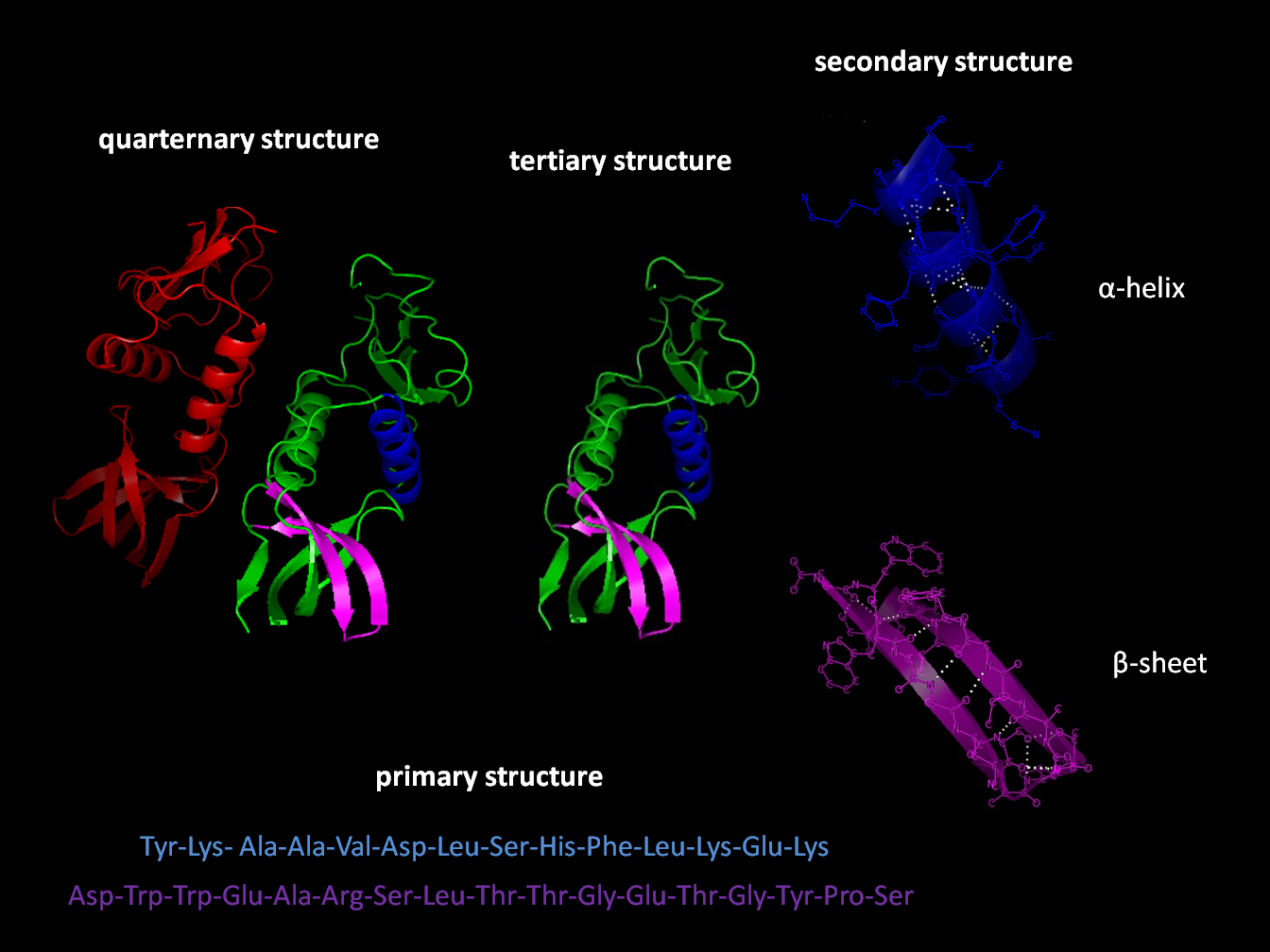
Protein folding is the complex process by which a protein transforms from a linear chain of amino acids into a three-dimensional structure, enabling it to become biologically functional. This process, which can begin during translation, is essential for the proper functioning of proteins, and misfolding can lead to various diseases, including neurodegenerative disorders such as Alzheimer's and Parkinson's, as studied by researchers like Stanley Prusiner and Eric Kandel. The folding of proteins is influenced by factors such as the amino-acid sequence, temperature, and pH, and can be facilitated by molecular chaperones like Hsp90. Understanding protein folding is crucial for the development of therapeutic strategies to prevent or treat protein-related diseases, and has been advanced by the work of organizations like the National Institutes of Health and the Protein Data Bank. With the help of computational tools like Rosetta and Foldit, researchers are making progress in predicting and designing protein structures, which could lead to breakthroughs in fields like medicine and biotechnology, as discussed by experts like David Baker and Janet Thornton.
🎵 Origins & History
The concept of protein folding dates back to the 1950s, when scientists like Linus Pauling and Max Perutz first proposed that the three-dimensional structure of a protein is determined by its amino-acid sequence. Since then, our understanding of protein folding has evolved significantly, with the discovery of molecular chaperones and the development of computational tools for predicting protein structures. The history of protein folding research is marked by key milestones, such as the determination of the first protein structure by John Kendrew in 1958, and the development of the Ramachandran plot by G.N. Ramachandran in the 1960s.
⚙️ How It Works
The process of protein folding is complex and not yet fully understood. It involves the interaction of amino acids with each other and with the surrounding environment, leading to the formation of a unique three-dimensional structure. This structure is stabilized by various forces, including hydrogen bonds, hydrophobic interactions, and disulfide bridges. The folding of proteins can be influenced by factors such as temperature, pH, and the presence of molecular chaperones, which can facilitate the folding process or prevent misfolding, as studied by researchers like Arthur Horwich and Ulrich Hartl.
📊 Key Facts & Numbers
Key facts about protein folding include that it is a spontaneous process, meaning that it occurs without the need for external energy input, and that it is influenced by the amino-acid sequence, with certain sequences being more prone to misfolding than others. The folding of proteins is also a highly cooperative process, meaning that the formation of one part of the structure can influence the folding of other parts. According to the Protein Data Bank, there are over 150,000 known protein structures, and the number is growing rapidly. Researchers like Jane Richardson and David Richardson have made significant contributions to our understanding of protein structure and function.
👥 Key People & Organizations
Key people and organizations involved in protein folding research include the National Institutes of Health, which has funded numerous studies on protein folding and its relationship to disease, and the Protein Folding Initiative, which aims to develop new therapies for protein-related diseases. Other notable researchers in the field include Christopher Dobson, who has made significant contributions to our understanding of protein misfolding and its role in disease, and Jeffrey Kelly, who has developed new approaches to preventing protein misfolding, as discussed in his work with the Skaggs Institute for Chemical Biology.
🌍 Cultural Impact & Influence
The cultural impact of protein folding research is significant, with potential applications in fields such as medicine and biotechnology. The development of new therapies for protein-related diseases, such as Alzheimer's and Parkinson's, could have a major impact on public health, as discussed by experts like Robert Langers and Daniel Drucker. Additionally, the understanding of protein folding could lead to the development of new biomaterials and nanotechnology, as explored by researchers like George Whitesides and Frances Arnold.
⚡ Current State & Latest Developments
The current state of protein folding research is highly active, with numerous studies underway to understand the mechanisms of protein folding and to develop new therapies for protein-related diseases. Recent advances in computational tools, such as Rosetta and Foldit, have enabled researchers to predict and design protein structures with high accuracy, as demonstrated by the work of researchers like David Baker and Janet Thornton. Additionally, the development of new experimental techniques, such as Nuclear Magnetic Resonance (NMR) spectroscopy, has enabled researchers to study protein folding in real-time, as discussed by experts like Kurt Wuthrich and Richard Karp.
🤔 Controversies & Debates
Controversies and debates in the field of protein folding research include the question of whether protein folding is a spontaneous process or whether it requires external energy input. Another debate is the role of molecular chaperones in protein folding, with some researchers arguing that they play a crucial role in facilitating the folding process, while others argue that they are not essential, as discussed by researchers like Arthur Horwich and Ulrich Hartl.
🔮 Future Outlook & Predictions
The future outlook for protein folding research is highly promising, with potential applications in fields such as medicine and biotechnology. The development of new therapies for protein-related diseases could have a major impact on public health, and the understanding of protein folding could lead to the development of new biomaterials and nanotechnology. According to a report by the National Science Foundation, the field of protein folding research is expected to grow significantly in the next decade, with new advances in computational tools and experimental techniques, as discussed by experts like Robert Tycko and Angela McLean.
💡 Practical Applications
Practical applications of protein folding research include the development of new therapies for protein-related diseases, such as Alzheimer's and Parkinson's. Additionally, the understanding of protein folding could lead to the development of new biomaterials and nanotechnology, as explored by researchers like George Whitesides and Frances Arnold. The development of new computational tools, such as Rosetta and Foldit, has also enabled researchers to predict and design protein structures with high accuracy, as demonstrated by the work of researchers like David Baker and Janet Thornton.
Key Facts
- Year
- 1950s
- Origin
- United States
- Category
- chronic-conditions
- Type
- concept
Frequently Asked Questions
What is protein folding?
Protein folding is the process by which a protein transforms from a linear chain of amino acids into a three-dimensional structure, enabling it to become biologically functional. This process is crucial for the proper functioning of proteins, and misfolding can lead to various diseases, as discussed by researchers like Stanley Prusiner and Eric Kandel.
What is the role of molecular chaperones in protein folding?
Molecular chaperones play a crucial role in facilitating the folding of proteins, preventing misfolding, and assisting in the degradation of misfolded proteins. They can bind to unfolded or partially folded proteins, stabilizing them and preventing aggregation, as studied by researchers like Arthur Horwich and Ulrich Hartl.
What are the consequences of protein misfolding?
Protein misfolding can lead to various diseases, including neurodegenerative disorders such as Alzheimer's and Parkinson's. Misfolded proteins can aggregate and form toxic structures that can damage cells and tissues, leading to disease, as discussed by experts like Robert Tycko and Angela McLean.
How is protein folding studied?
Protein folding is studied using a variety of experimental and computational techniques, including X-ray crystallography, NMR spectroscopy, and molecular dynamics simulations. Researchers like David Baker and Janet Thornton have developed new computational tools, such as Rosetta and Foldit, to predict and design protein structures, as demonstrated by their work on protein structure and protein misfolding.
What are the potential applications of protein folding research?
The potential applications of protein folding research are vast, including the development of new therapies for protein-related diseases, the design of new biomaterials, and the development of new nanotechnology. Understanding protein folding could also lead to the development of new diagnostic tools and therapies for a range of diseases, as discussed by experts like Robert Langers and Daniel Drucker.
What is the current state of protein folding research?
The current state of protein folding research is highly active, with numerous studies underway to understand the mechanisms of protein folding and to develop new therapies for protein-related diseases. Recent advances in computational tools and experimental techniques have enabled researchers to study protein folding in greater detail than ever before, as discussed by researchers like Christopher Dobson and Jeffrey Kelly.
What are the challenges in protein folding research?
The challenges in protein folding research include the complexity of the folding process, the difficulty of predicting protein structures, and the need for new experimental and computational techniques. Additionally, the study of protein folding is often limited by the availability of high-quality protein structures, as discussed by experts like Kurt Wuthrich and Richard Karp.