
Contents
- 🔍 Introduction to False Memories
- 💡 The Psychology of Suggestibility
- 📝 Mechanisms of False Memory Formation
- 👥 The Role of Social Influence
- 🔎 The Impact of Misinformation
- 📊 The Science of Source Misattribution
- 👀 The Consequences of False Memories
- 🚀 Future Directions in False Memory Research
- 📚 Case Studies and Real-World Applications
- 🤝 The Intersection of False Memories and [[memory|Memory]]
- 📊 The Relationship Between [[cognition|Cognition]] and False Memories
- 🔑 The Importance of [[critical_thinking|Critical Thinking]] in False Memory Prevention
- Frequently Asked Questions
- Related Topics
Overview
False memories are a ubiquitous phenomenon where individuals recall events that never occurred or are distorted versions of actual events. Research by psychologists like Elizabeth Loftus and James Coan has shown that false memories can be implanted through suggestion, and that our brains often fill in gaps in memory with fabricated information. The controversy surrounding false memories is evident in debates over the validity of repressed memory therapy and the reliability of eyewitness testimony. With a Vibe score of 80, false memories have significant cultural resonance, influencing fields like law, psychology, and neuroscience. The influence flow of false memory research can be seen in the work of scientists like Daniel Schacter, who has explored the neural mechanisms underlying memory distortion. As we continue to uncover the complexities of human memory, one thing is clear: our memories are not always what they seem, and the implications of this are far-reaching.
🔍 Introduction to False Memories
The concept of false memories has been a topic of interest in the field of Psychology for decades. A false memory is a phenomenon in which someone recalls something that did not actually happen or recalls it differently from the way it actually happened. This can occur due to various factors, including Suggestibility, Activation of Associated Information, and the incorporation of Misinformation. Researchers have made significant progress in understanding the mechanisms underlying false memory formation, and studies have shown that Social Influence can play a significant role in shaping our memories. For instance, the Confabulation theory suggests that people tend to fill in gaps in their memories with information that did not actually happen.
💡 The Psychology of Suggestibility
The psychology of suggestibility is a crucial aspect of false memory formation. Suggestibility refers to the tendency to accept and internalize suggestions or ideas, often without critically evaluating them. This can occur due to various factors, including Conformity, Obedience, and Social Learning. Researchers have found that people who are more suggestible are more likely to experience false memories, and that Hypnosis can increase suggestibility. Furthermore, studies have shown that Memory Distortion can occur due to the influence of Emotions and Motivation.
📝 Mechanisms of False Memory Formation
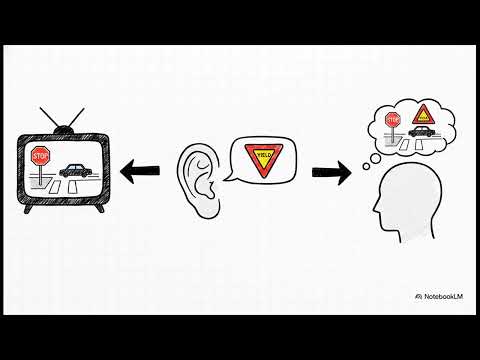
Several mechanisms have been proposed to explain the formation of false memories. These include the activation of associated information, the incorporation of misinformation, and source misattribution. The Activation of Associated Information theory suggests that when we encounter new information, it can activate associated memories or ideas, leading to the creation of false memories. The Incorporation of Misinformation theory proposes that when we are exposed to false information, it can become incorporated into our memories, leading to the formation of false memories. Additionally, Source Misattribution can occur when we misattribute the source of a memory, leading to the creation of false memories.
🔎 The Impact of Misinformation
The impact of misinformation on false memory formation is a significant area of research. When we are exposed to false information, it can become incorporated into our memories, leading to the formation of false memories. This can occur due to various factors, including Confirmation Bias and The Availability Heuristic. Researchers have found that people who are more likely to accept misinformation are more likely to experience false memories. Furthermore, studies have shown that Cognitive Biases can contribute to the formation of false memories, as they can influence our perception and interpretation of information.
📊 The Science of Source Misattribution
The science of source misattribution is a crucial aspect of false memory research. Source misattribution occurs when we misattribute the source of a memory, leading to the creation of false memories. This can occur due to various factors, including Memory Decay and Interference. Researchers have found that people who are more likely to experience source misattribution are more likely to experience false memories. Additionally, studies have shown that Context-Dependent Memory can influence source misattribution, as the context in which we encounter information can affect our ability to accurately attribute its source.
👀 The Consequences of False Memories
The consequences of false memories can be significant, and can have a profound impact on our lives. False memories can lead to False Confessions, Miscarriages of Justice, and can even affect our Mental Health. Researchers have found that people who experience false memories are more likely to experience Anxiety and Depression. Furthermore, studies have shown that Trauma can increase the likelihood of false memories, as it can affect our ability to accurately process and store information.
🚀 Future Directions in False Memory Research
Future directions in false memory research are likely to focus on the development of new methods for detecting and preventing false memories. This may involve the use of Neuroimaging techniques, such as fMRI, to study the neural mechanisms underlying false memory formation. Additionally, researchers may develop new Interventions aimed at reducing the likelihood of false memories, such as Cognitive Training programs. Moreover, studies have shown that Mindfulness can reduce the likelihood of false memories, as it can increase our awareness of our thoughts and feelings.
📚 Case Studies and Real-World Applications
Case studies and real-world applications of false memory research can provide valuable insights into the mechanisms underlying false memory formation. For example, the Recovered Memory Therapy controversy highlights the potential dangers of false memories, and the importance of Critical Thinking in evaluating memories. Furthermore, studies have shown that Eyewitness Testimony can be unreliable, and that Lineup Procedures can be improved to reduce the likelihood of false identifications.
🤝 The Intersection of False Memories and [[memory|Memory]]
The intersection of false memories and Memory is a complex and multifaceted topic. Researchers have found that people who experience false memories are more likely to experience Memory Lapses, and that Memory Distortion can occur due to various factors, including Emotions and Motivation. Additionally, studies have shown that Working Memory can influence false memory formation, as it can affect our ability to accurately process and store information.
📊 The Relationship Between [[cognition|Cognition]] and False Memories
The relationship between Cognition and false memories is a significant area of research. Researchers have found that people who experience false memories are more likely to experience Cognitive Biases, and that Executive Functions can influence false memory formation. Furthermore, studies have shown that Attention can affect our ability to accurately process and store information, and that Perception can influence our interpretation of information.
🔑 The Importance of [[critical_thinking|Critical Thinking]] in False Memory Prevention
The importance of Critical Thinking in false memory prevention cannot be overstated. Critical thinking involves the ability to evaluate information objectively, and to consider alternative explanations for events. Researchers have found that people who are more critical thinkers are less likely to experience false memories, and that Education can play a significant role in promoting critical thinking skills. Moreover, studies have shown that Metacognition can increase our awareness of our thoughts and feelings, and can reduce the likelihood of false memories.
Key Facts
- Year
- 1995
- Origin
- Elizabeth Loftus' 1995 book 'The Myth of Repressed Memory'
- Category
- Psychology
- Type
- Psychological Phenomenon
Frequently Asked Questions
What is a false memory?
A false memory is a phenomenon in which someone recalls something that did not actually happen or recalls it differently from the way it actually happened. This can occur due to various factors, including suggestibility, activation of associated information, and the incorporation of misinformation. For more information, see False Memory.
What are the mechanisms underlying false memory formation?
Several mechanisms have been proposed to explain the formation of false memories, including the activation of associated information, the incorporation of misinformation, and source misattribution. For more information, see Mechanisms of False Memory Formation.
Can false memories be prevented?
Yes, false memories can be prevented by promoting critical thinking skills, such as evaluating information objectively and considering alternative explanations for events. Additionally, education can play a significant role in promoting critical thinking skills. For more information, see Critical Thinking.
What are the consequences of false memories?
The consequences of false memories can be significant, and can have a profound impact on our lives. False memories can lead to false confessions, miscarriages of justice, and can even affect our mental health. For more information, see Consequences of False Memories.
How can false memories be detected?
False memories can be detected using various methods, including neuroimaging techniques such as fMRI, and cognitive training programs. Additionally, mindfulness can increase our awareness of our thoughts and feelings, and can reduce the likelihood of false memories. For more information, see Detecting False Memories.
What is the relationship between cognition and false memories?
The relationship between cognition and false memories is a significant area of research. Researchers have found that people who experience false memories are more likely to experience cognitive biases, and that executive functions can influence false memory formation. For more information, see Cognition and False Memories.
Can false memories be treated?
Yes, false memories can be treated using various methods, including cognitive training programs and therapy. Additionally, education can play a significant role in promoting critical thinking skills and reducing the likelihood of false memories. For more information, see Treating False Memories.