
Contents
- 🏢 Introduction to Facility Management
- 📈 The Early Days of Facility Management
- 🔧 The Rise of Modern Facility Management
- 📊 The Impact of Technology on Facility Management
- 👥 The Role of Facility Managers in Organizational Success
- 📚 Professional Development in Facility Management
- 🏆 Certification and Accreditation in Facility Management
- 🌎 Global Perspectives on Facility Management
- 🤝 The Future of Facility Management: Trends and Challenges
- 📊 Measuring Success in Facility Management
- 📈 The Business Case for Effective Facility Management
- 🌐 The Intersection of Facility Management and Other Disciplines
- Frequently Asked Questions
- Related Topics
Overview
The facility management profession has undergone significant transformations over the years, from a primarily maintenance-focused role to a strategic business partner. According to the International Facility Management Association (IFMA), the industry has grown to over $1.1 trillion in annual expenditures, with facility managers overseeing an average of 50,000 square feet of space per person. With the rise of technology and sustainability, facility managers are now expected to be knowledgeable in areas such as energy management, space planning, and emergency preparedness. A study by the International Journal of Facility Management found that 75% of facility managers consider themselves to be a key component of their organization's overall strategy. As the profession continues to evolve, it is likely that facility managers will play an increasingly important role in shaping the built environment and supporting the needs of their organizations. With a projected 10% growth in employment opportunities from 2020 to 2030, the facility management profession is an exciting and dynamic field that offers a wide range of career paths and opportunities for advancement.
🏢 Introduction to Facility Management
The evolution of facility management has been a long and winding road, with its roots dating back to the early 20th century. As organizations grew and became more complex, the need for a dedicated professional to oversee the maintenance and operation of facilities became increasingly important. Today, facility management is a vital profession that encompasses a wide range of responsibilities, from facility maintenance and energy management to space planning and emergency response. According to the International Facility Management Association, the profession has come a long way since its inception, with a growing number of facility managers around the world. The facility management profession is expected to continue growing, with a projected increase in demand for skilled professionals.
📈 The Early Days of Facility Management
The early days of facility management were marked by a lack of standardization and a focus on reactive maintenance. However, as the profession evolved, facility managers began to take a more proactive approach, focusing on preventive maintenance and predictive maintenance. This shift was driven in part by advances in technology, which enabled facility managers to more effectively monitor and manage their facilities. The Facility Management Institute was established to promote the profession and provide training and resources for facility managers. As the profession continued to grow, the importance of facility management certification became increasingly clear.
🔧 The Rise of Modern Facility Management
The rise of modern facility management has been characterized by a growing emphasis on sustainability and energy efficiency. Facility managers are now expected to be knowledgeable about green building practices and to implement strategies to reduce their organization's environmental footprint. The LEED certification program has become a widely recognized standard for sustainable building practices. In addition to sustainability, modern facility management also involves a focus on facility security and emergency preparedness. Facility managers must be prepared to respond to a wide range of emergencies, from natural disasters to cyber attacks.
📊 The Impact of Technology on Facility Management
The impact of technology on facility management has been significant, with advances in building automation and Internet of Things (IoT) enabling facility managers to more effectively monitor and manage their facilities. The use of data analytics and artificial intelligence is also becoming more prevalent, allowing facility managers to make data-driven decisions and optimize their operations. The facility management software market is expected to continue growing, with a projected increase in demand for cloud-based solutions. As technology continues to evolve, facility managers must stay up-to-date with the latest trends and advancements in order to remain effective.
👥 The Role of Facility Managers in Organizational Success
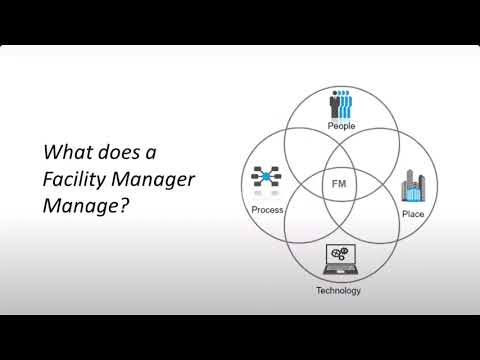
The role of facility managers in organizational success cannot be overstated. Facility managers are responsible for ensuring that the physical environment is safe, secure, and supportive of the organization's mission and goals. They must also be knowledgeable about facility design and space planning, and be able to effectively communicate with stakeholders to ensure that the facility meets their needs. The facility manager must also be able to manage facility budgets and facility staff, and ensure that the facility is in compliance with all relevant laws and regulations. According to the Society for Human Resource Management, the facility manager plays a critical role in supporting the organization's human resources.
📚 Professional Development in Facility Management
Professional development is essential for facility managers, who must stay up-to-date with the latest trends and advancements in the field. The International Facility Management Association offers a range of training and certification programs, including the Certified Facility Manager (CFM) designation. Facility managers can also benefit from attending industry conferences and events, such as the Facility Management Conference. In addition to formal training and education, facility managers must also be committed to ongoing learning and professional development, staying current with the latest research and best practices in the field.
🏆 Certification and Accreditation in Facility Management
Certification and accreditation are important components of the facility management profession, demonstrating a level of expertise and competence. The Certified Facility Manager (CFM) designation is a widely recognized standard, and is offered by the International Facility Management Association. Other certifications, such as the Facility Management Professional (FMP) and the Sustainability Facility Professional (SFP), are also available. Accreditation programs, such as the Facility Management Accreditation program, provide a framework for evaluating the quality of facility management programs and services.
🌎 Global Perspectives on Facility Management
Global perspectives on facility management are essential, as the profession is practiced in a wide range of contexts and cultures. The International Facility Management Association has members from over 100 countries, and provides a range of resources and services to support facility managers around the world. The World Facility Management Day is celebrated annually, recognizing the important contributions of facility managers to the success of organizations. As the profession continues to evolve, it is essential to consider the global implications and to develop strategies that are effective in a wide range of contexts.
🤝 The Future of Facility Management: Trends and Challenges
The future of facility management is likely to be shaped by a range of trends and challenges, including the increasing importance of sustainability and energy efficiency. Facility managers will need to be knowledgeable about green building practices and to implement strategies to reduce their organization's environmental footprint. The use of technology, such as building automation and Internet of Things (IoT), will also continue to play a major role in the profession. As the facility management profession continues to evolve, it is essential to consider the potential risks and opportunities, and to develop strategies that are effective in a rapidly changing environment.
📊 Measuring Success in Facility Management
Measuring success in facility management is essential, as it enables facility managers to evaluate the effectiveness of their strategies and to make data-driven decisions. A range of metrics and benchmarks are available, including the Facility Management Metrics and the Benchmarking program. Facility managers must also be able to communicate the value of facility management to stakeholders, including facility users and organizational leaders. According to the National Facility Management Association, the use of metrics and benchmarks is essential for demonstrating the value of facility management.
📈 The Business Case for Effective Facility Management
The business case for effective facility management is clear, as it can have a significant impact on the success of an organization. Facility managers must be able to demonstrate the value of their services, and to make a compelling case for investment in facility management. The Facility Management Business Case is a widely recognized framework for evaluating the benefits of facility management. According to the Society for Facility Management Research, the business case for facility management is based on a range of factors, including cost savings, productivity gains, and enhanced customer experience.
🌐 The Intersection of Facility Management and Other Disciplines
The intersection of facility management and other disciplines is a critical area of study, as it can have a significant impact on the success of an organization. Facility managers must be knowledgeable about a range of disciplines, including architecture, engineering, and human resources. The Facility Management and Architecture program is a widely recognized example of this intersection. According to the American Institute of Architects, the intersection of facility management and architecture is essential for creating buildings that are safe, secure, and supportive of the organization's mission and goals.
Key Facts
- Year
- 2022
- Origin
- International Facility Management Association (IFMA)
- Category
- Professions
- Type
- Profession
Frequently Asked Questions
What is facility management?
Facility management is the profession responsible for ensuring that the physical environment is safe, secure, and supportive of the organization's mission and goals. It encompasses a wide range of responsibilities, from facility maintenance and energy management to space planning and emergency response. According to the International Facility Management Association, facility management is a vital profession that requires a range of skills and knowledge.
What is the role of a facility manager?
The role of a facility manager is to oversee the maintenance and operation of facilities, and to ensure that they are safe, secure, and supportive of the organization's mission and goals. Facility managers must be knowledgeable about facility design and space planning, and be able to effectively communicate with stakeholders to ensure that the facility meets their needs. The facility manager must also be able to manage facility budgets and facility staff, and ensure that the facility is in compliance with all relevant laws and regulations.
What are the benefits of facility management?
The benefits of facility management are numerous, and include cost savings, productivity gains, and enhanced customer experience. Effective facility management can also improve the overall quality of the physical environment, and support the health and well-being of occupants. According to the Society for Facility Management Research, the benefits of facility management are based on a range of factors, including the use of technology, the implementation of sustainability practices, and the development of facility management strategies.
What is the future of facility management?
The future of facility management is likely to be shaped by a range of trends and challenges, including the increasing importance of sustainability and energy efficiency. Facility managers will need to be knowledgeable about green building practices and to implement strategies to reduce their organization's environmental footprint. The use of technology, such as building automation and Internet of Things (IoT), will also continue to play a major role in the profession. As the facility management profession continues to evolve, it is essential to consider the potential risks and opportunities, and to develop strategies that are effective in a rapidly changing environment.
How can I become a facility manager?
To become a facility manager, you will typically need to have a combination of education and experience in a related field, such as facility management, architecture, or engineering. Many facility managers also choose to pursue certification, such as the Certified Facility Manager (CFM) designation. According to the International Facility Management Association, the CFM designation is a widely recognized standard for facility managers, and demonstrates a level of expertise and competence in the field.