
Contents
Overview
The Exynos series, developed by Samsung, has been a major player in the mobile chip industry since its inception in 2008. With a wide range of applications, from smartphones to wearables, Exynos chips have consistently delivered high-performance capabilities while minimizing power consumption. The Exynos 2100, for instance, boasts a 5G modem and a 5nm process, making it one of the most powerful chips on the market. However, the series has also faced controversy, with some critics arguing that it lags behind its Qualcomm counterparts in terms of overall performance. Despite this, Samsung continues to innovate, with the Exynos 2200 set to feature an AMD GPU, marking a significant shift in the company's approach to mobile graphics. As the mobile chip industry continues to evolve, one thing is certain: Exynos will remain a major player, pushing the boundaries of what is possible in mobile technology.
🌟 Introduction to Exynos
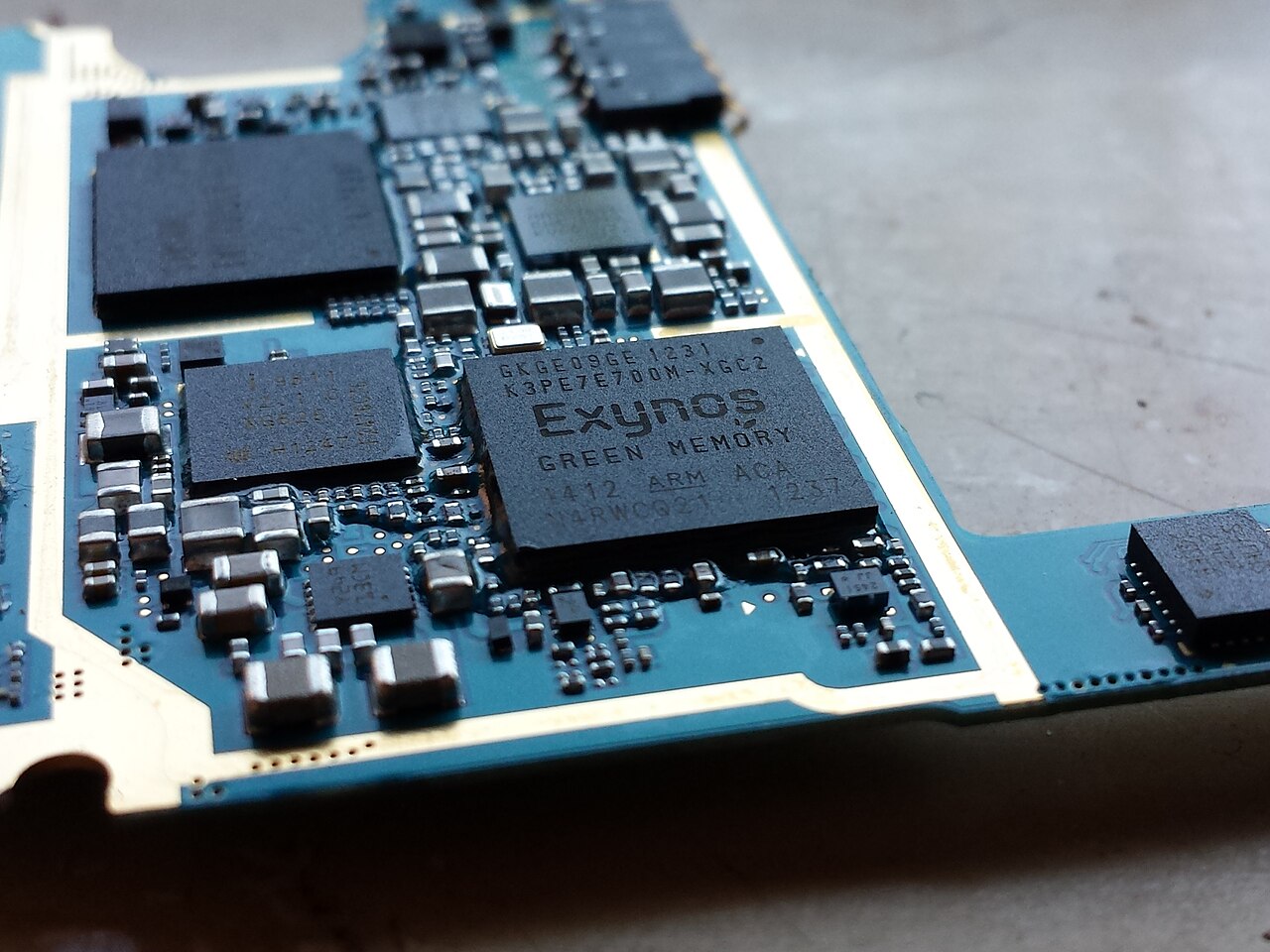
The Samsung Exynos, formerly known as Hummingbird, is a series of Arm-based system-on-chips developed by Samsung Electronics' System LSI division and manufactured by Samsung Foundry. This series is a continuation of Samsung's earlier S3C, S5L and S5P line of SoCs. With a focus on mobile performance, Exynos has been redefining the standards for smartphone processors. The Exynos series has been used in various Samsung devices, including the Galaxy series. As a key player in the system-on-chip market, Exynos has been competing with other major manufacturers like Qualcomm and MediaTek.
📈 History of Samsung's System-on-Chips
The history of Samsung's system-on-chips dates back to the early 2000s, with the introduction of the S3C series. This was followed by the S5L and S5P series, which were widely used in various mobile devices. The Exynos series was first introduced in 2010, with the Exynos 3110 being the first chip in the series. Since then, the Exynos series has undergone significant improvements, with each new generation offering enhanced CPU performance, GPU performance, and power efficiency. The Exynos series has been used in various Samsung devices, including the Galaxy S series and the Galaxy Note series. For more information on Samsung's history, visit the Samsung page.
🔍 Exynos Architecture
The Exynos architecture is based on the Arm instruction set, which provides a high level of compatibility with various operating systems. The Exynos series includes a range of chips, from the entry-level Exynos 850 to the high-end Exynos 2100. Each chip is designed to provide a unique balance of performance and power consumption. The Exynos series also includes a range of features, such as LTE modem and Wi-Fi connectivity, as well as support for artificial intelligence and machine learning. For more information on Arm-based system-on-chips, visit the Arm architecture page.
📊 Performance Comparison
In terms of performance, the Exynos series has been compared to other major system-on-chip manufacturers like Qualcomm and Apple. The Exynos series has been shown to offer competitive CPU performance and GPU performance, making it a popular choice for smartphones and tablets. However, the Exynos series has also faced criticism for its power consumption, which can be higher than some of its competitors. Despite this, the Exynos series remains a popular choice for many mobile device manufacturers. For more information on performance comparison, visit the benchmarking page.
🔋 Power Efficiency
Power efficiency is a key aspect of the Exynos series, with each chip designed to provide a unique balance of performance and power consumption. The Exynos series includes a range of features, such as dynamic voltage frequency scaling and power gating, which help to reduce power consumption and improve battery life. The Exynos series also includes support for low power mode, which can help to extend battery life in certain situations. For more information on power efficiency, visit the low power design page.
📈 Market Impact
The Exynos series has had a significant impact on the mobile device market, with many manufacturers choosing to use Exynos chips in their devices. The Exynos series has been used in a range of devices, from smartphones and tablets to wearables and IoT devices. The Exynos series has also been used in various automotive and industrial applications, where its high level of reliability and performance make it an attractive choice. For more information on market impact, visit the market trends page.
🤝 Competition and Collaboration
The Exynos series has faced competition from other major system-on-chip manufacturers like Qualcomm and MediaTek. However, the Exynos series has also collaborated with other companies, such as Google and Microsoft, to develop new technologies and features. The Exynos series has also been used in various open-source projects, such as Linux and Android. For more information on competition and collaboration, visit the partnerships page.
🚀 Future Developments
The future of the Exynos series is expected to be shaped by emerging technologies like 5G and artificial intelligence. The Exynos series is expected to play a key role in the development of 5G devices, with its high level of performance and power efficiency making it an attractive choice for 5G smartphones. The Exynos series is also expected to be used in various IoT devices, where its high level of reliability and security make it an attractive choice. For more information on future developments, visit the emerging technologies page.
📊 Benchmarking Exynos
Benchmarking the Exynos series has shown that it offers competitive CPU performance and GPU performance. The Exynos series has been compared to other major system-on-chip manufacturers like Qualcomm and Apple. The Exynos series has also been tested in various benchmarking tools, such as Geekbench and AnTuTu. For more information on benchmarking, visit the benchmarking page.
🌐 Global Availability
The Exynos series is available globally, with many manufacturers choosing to use Exynos chips in their devices. The Exynos series has been used in a range of devices, from smartphones and tablets to wearables and IoT devices. The Exynos series is also available in various automotive and industrial applications, where its high level of reliability and performance make it an attractive choice. For more information on global availability, visit the global markets page.
Key Facts
- Year
- 2008
- Origin
- South Korea
- Category
- Technology
- Type
- Microprocessor
Frequently Asked Questions
What is the Exynos series?
The Exynos series is a range of Arm-based system-on-chips developed by Samsung Electronics' System LSI division and manufactured by Samsung Foundry. The Exynos series is a continuation of Samsung's earlier S3C, S5L and S5P line of SoCs. For more information, visit the Exynos page.
What are the key features of the Exynos series?
The Exynos series includes a range of features, such as LTE modem and Wi-Fi connectivity, as well as support for artificial intelligence and machine learning. The Exynos series also includes a range of power-saving features, such as dynamic voltage frequency scaling and power gating. For more information, visit the Exynos features page.
How does the Exynos series compare to other system-on-chip manufacturers?
The Exynos series has been compared to other major system-on-chip manufacturers like Qualcomm and Apple. The Exynos series has been shown to offer competitive CPU performance and GPU performance, making it a popular choice for smartphones and tablets. However, the Exynos series has also faced criticism for its power consumption, which can be higher than some of its competitors. For more information, visit the benchmarking page.
What are the future developments of the Exynos series?
The future of the Exynos series is expected to be shaped by emerging technologies like 5G and artificial intelligence. The Exynos series is expected to play a key role in the development of 5G devices, with its high level of performance and power efficiency making it an attractive choice for 5G smartphones. For more information, visit the emerging technologies page.
Where is the Exynos series available?
The Exynos series is available globally, with many manufacturers choosing to use Exynos chips in their devices. The Exynos series has been used in a range of devices, from smartphones and tablets to wearables and IoT devices. For more information, visit the global markets page.