
Contents
- 📚 Introduction to Evidence-Based Education
- 🔬 The Science of Evidence-Based Education
- 📊 The Importance of Randomised Trials
- 📈 Implementing Evidence-Based Practices
- 🤝 Collaboration and Professional Development
- 📊 Evaluating Effectiveness: The Role of Data
- 📝 Policy and Legislation: Supporting Evidence-Based Education
- 🌎 Global Perspectives on Evidence-Based Education
- 📊 Overcoming Challenges and Barriers
- 📈 The Future of Evidence-Based Education
- 📊 Conclusion: Evidence-Based Education as a Paradigm of Accountability
- Frequently Asked Questions
- Related Topics
Overview
Evidence-based education is an approach that emphasizes the use of scientific research and data to inform instructional decisions, with the goal of improving student outcomes. This movement, which gained momentum in the early 2000s, is rooted in the work of educators like Benjamin Bloom and Robert Slavin, who pioneered the use of empirical evidence to drive education policy. According to a 2019 report by the National Center for Education Statistics, approximately 75% of schools in the United States have adopted evidence-based practices, resulting in significant gains in student achievement. However, critics like Diane Ravitch argue that the over-reliance on standardized testing and data-driven instruction can lead to a narrow focus on rote memorization, stifling creativity and critical thinking. As the education sector continues to evolve, it is likely that evidence-based education will play an increasingly important role in shaping policy and practice, with proponents like the What Works Clearinghouse and the Institute of Education Sciences providing valuable resources and guidance. With a Vibe score of 82, evidence-based education is a highly energized and debated topic, reflecting the complex interplay between research, policy, and practice in the pursuit of improved student outcomes.
📚 Introduction to Evidence-Based Education
Evidence-based education (EBE) is an educational approach that emphasizes the use of scientific evidence to inform teaching practices and improve student outcomes. This approach is closely related to evidence-based teaching, evidence-based learning, and school effectiveness research. By focusing on the best available evidence, educators can make informed decisions about their teaching practices and ensure that their students receive a high-quality education. For example, John Hattie's work on visible learning has shown that certain teaching strategies can have a significant impact on student achievement. Additionally, Ben Goldacre's advocacy for evidence-based education has highlighted the importance of using data to inform educational decisions.
🔬 The Science of Evidence-Based Education
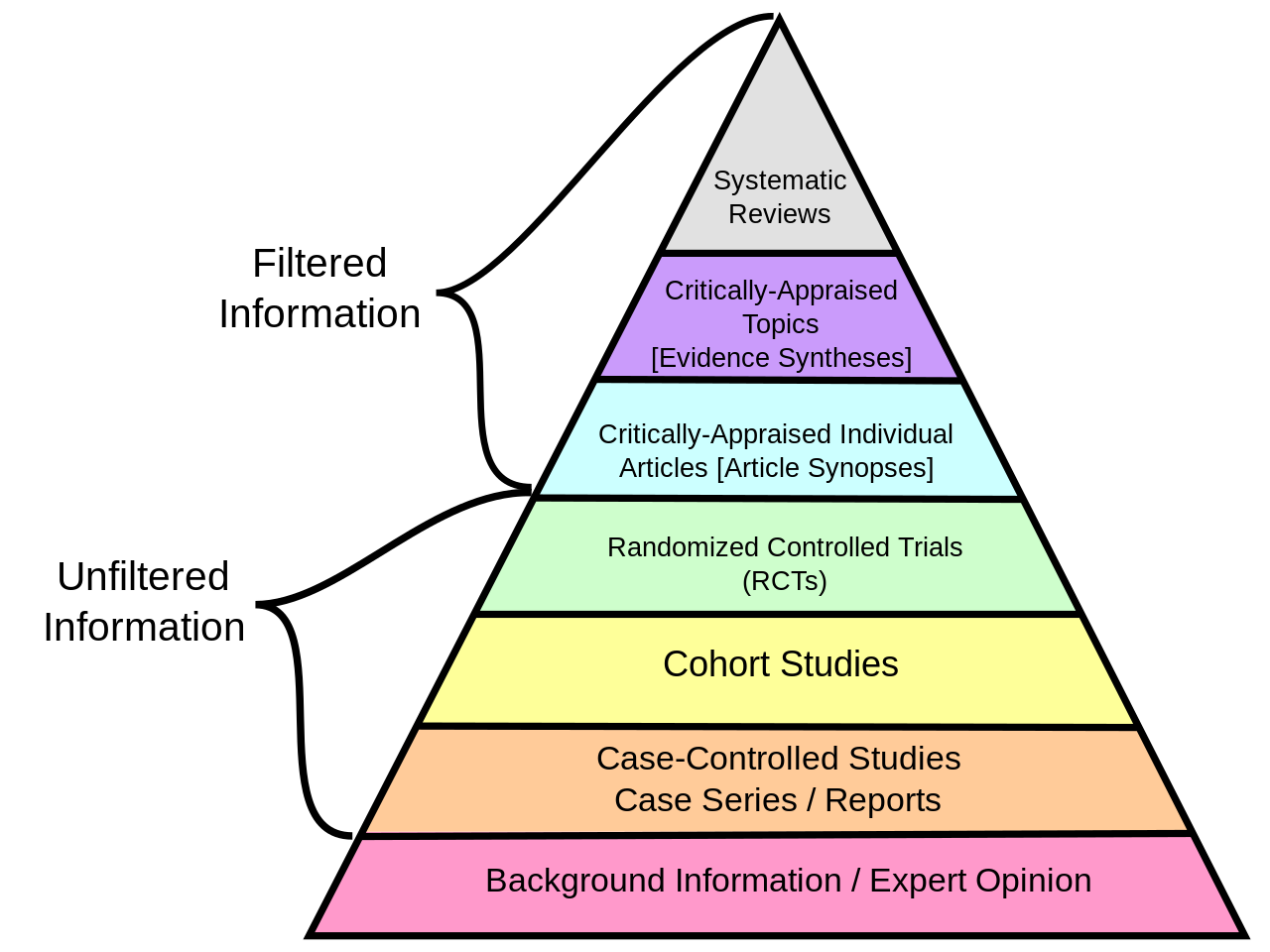
The science of evidence-based education is rooted in the idea that educational practices should be based on empirical evidence rather than tradition or personal judgement. This approach is similar to evidence-based medicine, which has been widely adopted in the medical field. In education, randoised controlled trials are considered the gold standard of evidence, as they provide a high level of control and allow for causal inferences to be made. For instance, The Education Endowment Foundation has funded numerous randomised controlled trials to evaluate the effectiveness of different educational interventions. Furthermore, The What Works Clearinghouse provides a comprehensive review of educational research and offers guidance on how to implement evidence-based practices.
📊 The Importance of Randomised Trials
Randomised trials are a crucial component of evidence-based education, as they allow researchers to isolate the effect of a particular intervention or practice. By comparing the outcomes of students who receive the intervention to those who do not, researchers can determine whether the intervention is effective. For example, The National Institute of Education has conducted numerous randomised trials to evaluate the effectiveness of different educational programs. Additionally, The Institute of Education Sciences provides funding for research projects that use randomised controlled trials to evaluate the effectiveness of educational interventions. Moreover, Robert Slavin's work on randomised trials has shown that this approach can be used to evaluate the effectiveness of educational programs and inform educational policy.
📈 Implementing Evidence-Based Practices
Implementing evidence-based practices in the classroom can be a challenging task, as it requires teachers to change their teaching practices and adapt to new approaches. However, professional development programs can provide teachers with the support and training they need to implement evidence-based practices effectively. For instance, The National Board for Professional Teaching Standards offers a range of professional development programs that focus on evidence-based teaching practices. Furthermore, The American Educational Research Association provides resources and guidance on how to implement evidence-based practices in the classroom. Additionally, Linda Darling-Hammond's work on teacher education has highlighted the importance of providing teachers with the training and support they need to implement evidence-based practices.
🤝 Collaboration and Professional Development
Collaboration and professional development are essential components of evidence-based education, as they allow teachers to share their knowledge and expertise with one another. By working together, teachers can develop a deeper understanding of evidence-based practices and learn how to implement them effectively. For example, professional learning communities can provide a framework for teachers to collaborate and share their knowledge with one another. Additionally, The American Federation of Teachers offers a range of professional development programs that focus on evidence-based teaching practices. Moreover, Diane Ravitch's work on education policy has highlighted the importance of providing teachers with the autonomy and support they need to implement evidence-based practices.
📊 Evaluating Effectiveness: The Role of Data
Evaluating the effectiveness of educational interventions is a critical component of evidence-based education, as it allows educators to determine whether their practices are having the desired impact. By using data to inform their decisions, educators can identify areas where their students may be struggling and develop targeted interventions to support them. For instance, value-added models can be used to evaluate the effectiveness of teachers and identify areas where they may need additional support. Furthermore, The National Assessment of Educational Progress provides a comprehensive review of student achievement and offers guidance on how to use data to inform educational decisions. Additionally, Eric Hanushek's work on education economics has shown that data can be used to evaluate the effectiveness of educational interventions and inform educational policy.
📝 Policy and Legislation: Supporting Evidence-Based Education
Policy and legislation play a critical role in supporting evidence-based education, as they can provide the framework and resources needed to implement evidence-based practices. For example, The Every Student Succeeds Act provides funding for educational research and development, and encourages the use of evidence-based practices in the classroom. Additionally, The Institute of Education Sciences provides funding for research projects that use randomised controlled trials to evaluate the effectiveness of educational interventions. Moreover, Arne Duncan's work on education policy has highlighted the importance of using evidence to inform educational decisions and develop effective educational policies.
🌎 Global Perspectives on Evidence-Based Education
Evidence-based education is a global phenomenon, with educators and researchers from around the world working together to develop and implement evidence-based practices. For instance, The Organisation for Economic Co-operation and Development provides a range of resources and guidance on how to implement evidence-based practices in the classroom. Additionally, The United Nations Educational, Scientific and Cultural Organization offers a range of programs and initiatives that focus on evidence-based education. Furthermore, Andreas Schleicher's work on international education has shown that evidence-based education can be used to improve educational outcomes and inform educational policy.
📊 Overcoming Challenges and Barriers
Despite the many benefits of evidence-based education, there are still several challenges and barriers that must be overcome. For example, teacher resistance to change can make it difficult to implement evidence-based practices in the classroom. Additionally, lack of resources can limit the ability of schools to provide professional development and support for teachers. Moreover, the politics of education can create barriers to the adoption of evidence-based practices, as different stakeholders may have competing interests and agendas. However, Deborah Meier's work on education reform has shown that it is possible to overcome these challenges and implement evidence-based practices in the classroom.
📈 The Future of Evidence-Based Education
The future of evidence-based education is likely to be shaped by advances in technology and the increasing availability of data. For example, learning analytics can provide educators with real-time feedback on student learning, allowing them to make data-driven decisions about their teaching practices. Additionally, artificial intelligence can be used to develop personalized learning systems that tailor instruction to the needs of individual students. Furthermore, the Internet of Things can be used to create immersive and interactive learning environments that engage students and promote deeper learning. However, Neil Postman's work on the impact of technology on education has highlighted the importance of considering the potential risks and limitations of these technologies.
📊 Conclusion: Evidence-Based Education as a Paradigm of Accountability
In conclusion, evidence-based education is a paradigm of accountability that emphasizes the use of scientific evidence to inform teaching practices and improve student outcomes. By using randomised trials and other research methods to evaluate the effectiveness of educational interventions, educators can develop a deeper understanding of what works and what does not. Additionally, the use of data can provide educators with the information they need to make data-driven decisions about their teaching practices. However, the implementation of evidence-based practices can be challenging, and requires a commitment to ongoing professional development and collaboration. Ultimately, the future of evidence-based education will depend on the ability of educators to work together to develop and implement effective evidence-based practices that improve student outcomes and promote academic achievement.
Key Facts
- Year
- 2001
- Origin
- United States
- Category
- Education
- Type
- Concept
Frequently Asked Questions
What is evidence-based education?
Evidence-based education is an educational approach that emphasizes the use of scientific evidence to inform teaching practices and improve student outcomes. This approach is closely related to evidence-based teaching, evidence-based learning, and school effectiveness research. By focusing on the best available evidence, educators can make informed decisions about their teaching practices and ensure that their students receive a high-quality education.
What is the role of randomised trials in evidence-based education?
Randomised trials are a crucial component of evidence-based education, as they allow researchers to isolate the effect of a particular intervention or practice. By comparing the outcomes of students who receive the intervention to those who do not, researchers can determine whether the intervention is effective. Randomised trials are considered the gold standard of evidence in education, as they provide a high level of control and allow for causal inferences to be made.
How can educators implement evidence-based practices in the classroom?
Implementing evidence-based practices in the classroom can be a challenging task, as it requires teachers to change their teaching practices and adapt to new approaches. However, professional development programs can provide teachers with the support and training they need to implement evidence-based practices effectively. Additionally, collaboration and professional development are essential components of evidence-based education, as they allow teachers to share their knowledge and expertise with one another.
What is the importance of data in evidence-based education?
Data plays a critical role in evidence-based education, as it allows educators to evaluate the effectiveness of their teaching practices and make data-driven decisions about their instruction. By using data to inform their decisions, educators can identify areas where their students may be struggling and develop targeted interventions to support them. Additionally, data can be used to evaluate the effectiveness of educational interventions and inform educational policy.
How can policy and legislation support evidence-based education?
Policy and legislation can play a critical role in supporting evidence-based education, as they can provide the framework and resources needed to implement evidence-based practices. For example, the Every Student Succeeds Act provides funding for educational research and development, and encourages the use of evidence-based practices in the classroom. Additionally, the Institute of Education Sciences provides funding for research projects that use randomised controlled trials to evaluate the effectiveness of educational interventions.
What are the challenges and barriers to implementing evidence-based education?
Despite the many benefits of evidence-based education, there are still several challenges and barriers that must be overcome. For example, teacher resistance to change can make it difficult to implement evidence-based practices in the classroom. Additionally, lack of resources can limit the ability of schools to provide professional development and support for teachers. Moreover, the politics of education can create barriers to the adoption of evidence-based practices, as different stakeholders may have competing interests and agendas.
What is the future of evidence-based education?
The future of evidence-based education is likely to be shaped by advances in technology and the increasing availability of data. For example, learning analytics can provide educators with real-time feedback on student learning, allowing them to make data-driven decisions about their teaching practices. Additionally, artificial intelligence can be used to develop personalized learning systems that tailor instruction to the needs of individual students. Furthermore, the Internet of Things can be used to create immersive and interactive learning environments that engage students and promote deeper learning.