
Contents
- 🌍 Introduction to Equatorial Guinea
- 🏛️ History and Colonial Legacy
- 📊 Demographics and Ethnic Groups
- 🗺️ Geography and Climate
- 🏙️ Cities and Urbanization
- 👥 Culture and Traditions
- 📈 Economy and Natural Resources
- 🚨 Challenges and Controversies
- 🌟 Tourism and Travel
- 📚 Education and Healthcare
- 👑 Government and Politics
- Frequently Asked Questions
- Related Topics
Overview
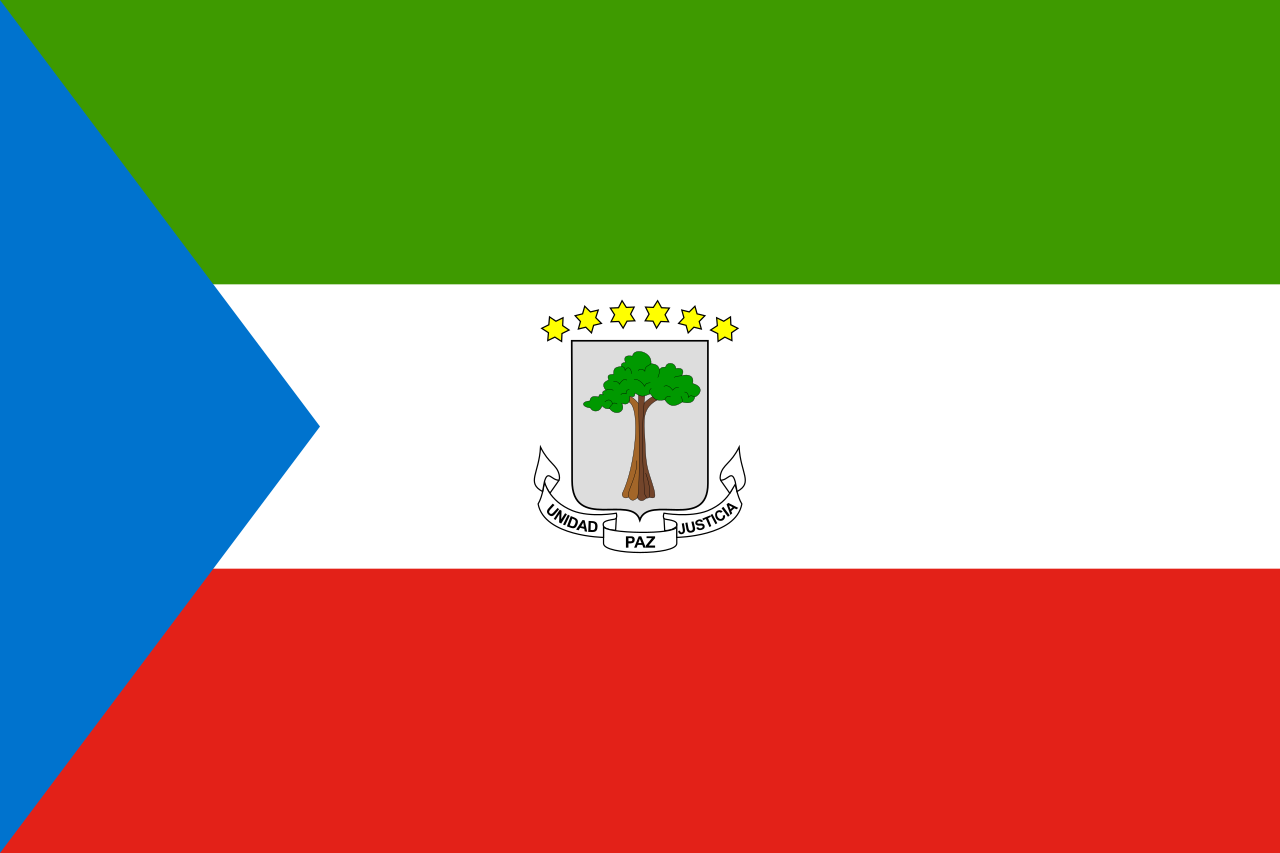
Equatorial Guinea, a small country located in Central Africa, has a complex history and a controversial present. With a vibe score of 6, the nation has experienced rapid economic growth due to its large oil reserves, but this wealth has not trickled down to the general population, with over 70% of the population living below the poverty line. The country has been ruled by President Teodoro Obiang Nguema Mbasogo since 1979, who has been accused of human rights abuses and corruption. Despite these challenges, Equatorial Guinea has a rich cultural heritage, with a mix of African, Spanish, and Portuguese influences. The country is also home to a diverse range of flora and fauna, with several national parks and protected areas. As the nation looks to the future, it must balance its economic development with the need to address its human rights concerns and ensure a more equitable distribution of wealth, with key events such as the 2023 elections and the implementation of the 2020-2030 development plan set to shape the country's trajectory.
🌍 Introduction to Equatorial Guinea
Equatorial Guinea, officially the Republic of Equatorial Guinea, is a country on the west coast of Central Africa, with a rich history and cultural heritage. The country has a population of 1,853,559 as of 2025, with over 85% of the population belonging to the Fang people, the dominant ethnic group. The country's strategic location near the Equator and in the African region of Guinea has made it an important hub for trade and commerce. For more information on the country's history, visit the Equatorial Guinea page. The country's capital, Ciudad de la Paz, is a testament to the country's modernization efforts, while the largest city, Bata, is a major economic center.
🏛️ History and Colonial Legacy
The country's history is marked by its colonial past, with Spanish Guinea being the former colony of Spain. The post-independence name of the country refers to its location near the Equator and in the African region of Guinea. The country gained independence in 1968, and since then, it has been working to develop its economy and infrastructure. The Spanish Guinea legacy can still be seen in the country's architecture, language, and culture. For more information on the country's history, visit the History of Equatorial Guinea page. The country's relationship with Spain is still an important aspect of its foreign policy.
📊 Demographics and Ethnic Groups
The demographics of Equatorial Guinea are characterized by a dominant ethnic group, the Fang people, who make up over 85% of the population. The second largest group is the Bubi people, who are indigenous to Bioko and make up approximately 6.5% of the population. The country's population is relatively small, with a total of 1,853,559 people as of 2025. The country's population growth rate is relatively high, with a growth rate of 2.5% per annum. For more information on the country's demographics, visit the Demographics of Equatorial Guinea page. The country's ethnic diversity is also reflected in its languages and culture.
🗺️ Geography and Climate
Equatorial Guinea is located on the west coast of Central Africa, with a total area of 28,000 square kilometers. The country's geography is characterized by a mix of coastal plains, mountains, and islands. The country's climate is tropical, with high temperatures and high humidity levels throughout the year. The country's geography and climate make it an ideal location for agriculture and forestry. For more information on the country's geography, visit the Geography of Equatorial Guinea page. The country's natural resources, including oil and gas, are also an important aspect of its economy.
🏙️ Cities and Urbanization
The country's cities are an important aspect of its economy and culture. The capital, Ciudad de la Paz, is a modern city with a population of over 200,000 people. The largest city, Bata, is a major economic center with a population of over 250,000 people. The country's cities are also an important hub for trade and commerce, with many international companies having a presence in the country. For more information on the country's cities, visit the Cities in Equatorial Guinea page. The country's urbanization rate is relatively high, with over 50% of the population living in urban areas.
👥 Culture and Traditions
The culture of Equatorial Guinea is a mix of traditional and modern influences. The country's traditional music and dance are an important aspect of its culture, with many different styles and genres. The country's cuisine is also a mix of traditional and modern influences, with many different types of dishes and ingredients. For more information on the country's culture, visit the Culture of Equatorial Guinea page. The country's cultural diversity is also reflected in its festivals and traditions.
📈 Economy and Natural Resources
The economy of Equatorial Guinea is driven by its natural resources, including oil and gas. The country's economy is also driven by agriculture and forestry, with many different types of crops and products being produced. The country's economy is relatively small, with a GDP of over $10 billion. For more information on the country's economy, visit the Economy of Equatorial Guinea page. The country's economic growth rate is relatively high, with a growth rate of 5% per annum.
🚨 Challenges and Controversies
Despite its natural resources and economic growth, Equatorial Guinea faces many challenges and controversies. The country's human rights record is a major concern, with many reports of abuse and corruption. The country's environmental record is also a concern, with many reports of deforestation and pollution. For more information on the country's challenges, visit the Challenges in Equatorial Guinea page. The country's relationship with the international community is also an important aspect of its foreign policy.
🌟 Tourism and Travel
Equatorial Guinea is a popular tourist destination, with many different types of attractions and activities. The country's natural beauty, including its beaches and forests, is a major draw for tourists. The country's culture and traditions are also an important aspect of its tourism industry. For more information on the country's tourism industry, visit the Tourism in Equatorial Guinea page. The country's tourism industry is relatively small, but it has the potential to grow and develop in the future.
📚 Education and Healthcare
The education and healthcare systems in Equatorial Guinea are relatively underdeveloped. The country's education system is based on the Spanish model, with many different types of schools and universities. The country's healthcare system is also based on the Spanish model, with many different types of hospitals and clinics. For more information on the country's education and healthcare systems, visit the Education in Equatorial Guinea page and the Healthcare in Equatorial Guinea page.
👑 Government and Politics
The government of Equatorial Guinea is a presidential republic, with a president serving as head of state and government. The country's government is relatively authoritarian, with many reports of corruption and abuse of power. The country's relationship with the international community is also an important aspect of its foreign policy. For more information on the country's government, visit the Government of Equatorial Guinea page. The country's political system is relatively complex, with many different parties and interests.
Key Facts
- Year
- 2023
- Origin
- Central Africa
- Category
- Country Profile
- Type
- Country
Frequently Asked Questions
What is the capital of Equatorial Guinea?
The capital of Equatorial Guinea is Ciudad de la Paz, which replaced the former capital Malabo in 2026. The city is a modern metropolis with a population of over 200,000 people. For more information on the city, visit the Ciudad de la Paz page. The city is an important hub for trade and commerce, with many international companies having a presence in the country.
What is the largest city in Equatorial Guinea?
The largest city in Equatorial Guinea is Bata, with a population of over 250,000 people. The city is a major economic center and an important hub for trade and commerce. For more information on the city, visit the Bata page. The city is also an important cultural center, with many different types of attractions and activities.
What is the dominant ethnic group in Equatorial Guinea?
The dominant ethnic group in Equatorial Guinea is the Fang people, who make up over 85% of the population. The Fang people are an important part of the country's culture and traditions, with many different types of customs and practices. For more information on the Fang people, visit the Fang people page. The Fang people are also an important part of the country's history and identity.
What is the official language of Equatorial Guinea?
The official languages of Equatorial Guinea are Spanish, French, and Portuguese. The country's language policy is relatively complex, with many different languages being spoken. For more information on the country's languages, visit the Languages of Equatorial Guinea page. The country's languages are an important part of its culture and identity.
What is the economy of Equatorial Guinea based on?
The economy of Equatorial Guinea is based on its natural resources, including oil and gas. The country's economy is also driven by agriculture and forestry, with many different types of crops and products being produced. For more information on the country's economy, visit the Economy of Equatorial Guinea page. The country's economy is relatively small, but it has the potential to grow and develop in the future.
What are the major challenges facing Equatorial Guinea?
The major challenges facing Equatorial Guinea include its human rights record, environmental concerns, and corruption. The country's government is relatively authoritarian, with many reports of abuse of power and corruption. For more information on the country's challenges, visit the Challenges in Equatorial Guinea page. The country's challenges are relatively complex, with many different factors and interests involved.
What is the tourism industry like in Equatorial Guinea?
The tourism industry in Equatorial Guinea is relatively small, but it has the potential to grow and develop in the future. The country's natural beauty, including its beaches and forests, is a major draw for tourists. For more information on the country's tourism industry, visit the Tourism in Equatorial Guinea page. The country's tourism industry is an important part of its economy and culture.