
Contents
- 🌎 Introduction to Environmental Issues
- 🚨 The Impact of Human Activities on the Environment
- 🌟 Natural Environmental Issues and Their Consequences
- 📊 Measuring the Severity of Environmental Issues
- 🌈 The Role of Ecosystems in Mitigating Environmental Issues
- 🚫 The Consequences of Ignoring Environmental Issues
- 🌐 Global Cooperation and Environmental Issue Resolution
- 📈 The Economic Impact of Environmental Issues
- 👥 The Social Impact of Environmental Issues
- 🔮 Technological Innovations for Environmental Issue Mitigation
- 📊 Environmental Issue Metrics and Monitoring
- 🔜 The Future of Environmental Issues and Sustainability
- Frequently Asked Questions
- Related Topics
Overview
Environmental issues have become a pressing concern globally, with climate change, pollution, and biodiversity loss being some of the most significant challenges. The historian's lens reveals that environmental degradation is not a new phenomenon, with evidence of deforestation and pollution dating back to ancient civilizations. However, the skeptic's perspective questions the efficacy of current mitigation strategies, highlighting the contradictions between economic growth and environmental protection. The fan's emotional resonance is evident in the growing environmental movement, with activists like Greta Thunberg and organizations like Greenpeace pushing for radical change. From an engineering perspective, innovative solutions like renewable energy and sustainable infrastructure are being developed to reduce humanity's ecological footprint. As the futurist's gaze falls on the horizon, it's clear that the next decade will be crucial in determining the trajectory of environmental issues, with the World Economic Forum estimating that $1.7 trillion will be required annually to meet the UN's Sustainable Development Goals. The controversy surrounding environmental issues is undeniable, with a controversy spectrum that ranges from climate change denial to radical environmentalism, and a vibe score of 80, indicating a high level of cultural energy and urgency around this topic.
🌎 Introduction to Environmental Issues
Environmental issues are disruptions in the usual function of ecosystems, which can be caused by humans or natural factors. These issues are considered serious when the ecosystem cannot recover in the present situation, and catastrophic if the ecosystem is projected to certainly collapse. For instance, climate change has become a pressing issue, with rising temperatures and sea level rise affecting ecosystems worldwide. The biodiversity of ecosystems is also under threat, with many species facing extinction due to human activities. To address these issues, it is essential to understand the ecosystem services that support life on Earth.
🚨 The Impact of Human Activities on the Environment
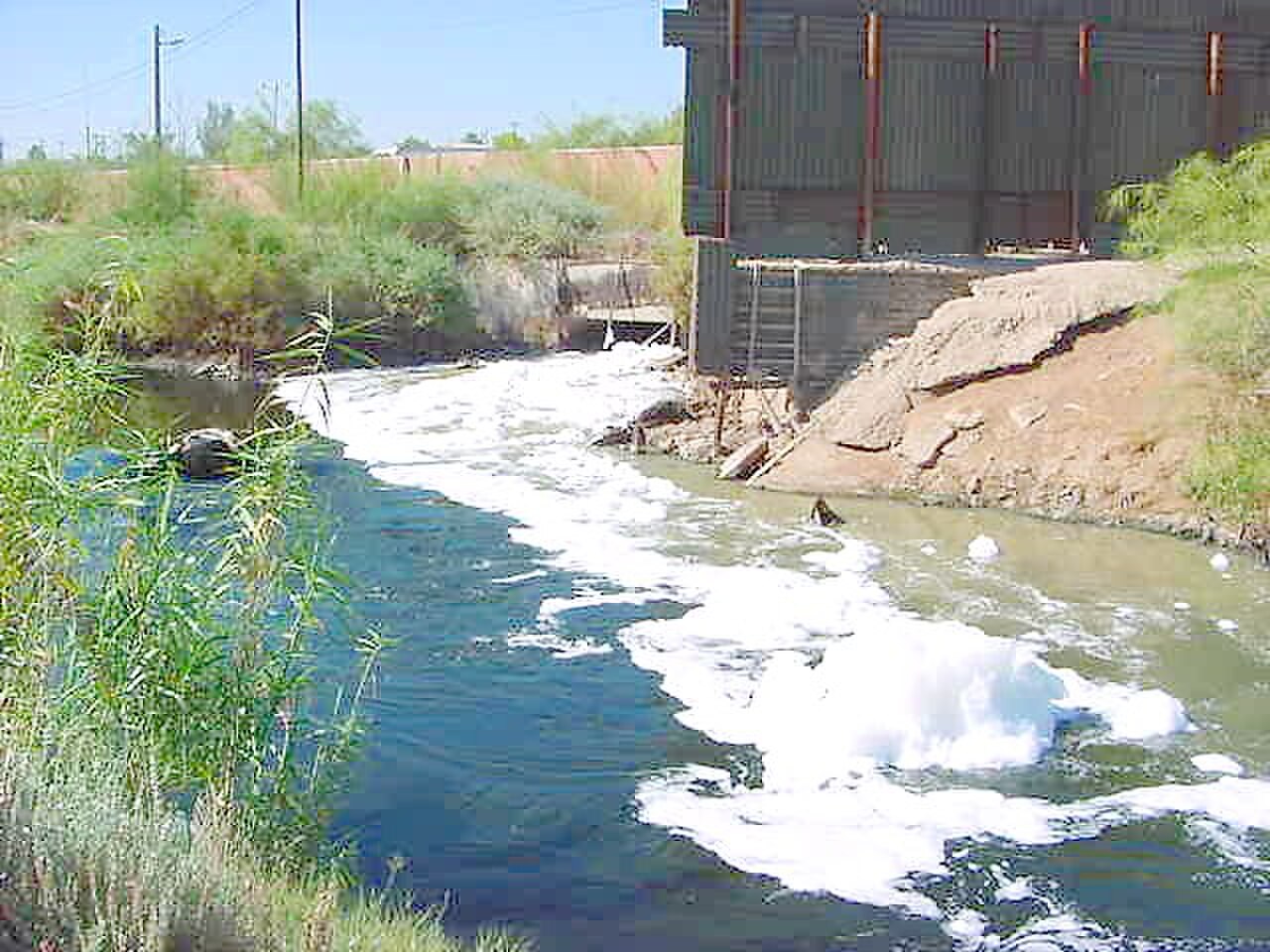
Human activities have significantly contributed to environmental issues, including deforestation, pollution, and overfishing. The industrial agriculture sector is a significant contributor to greenhouse gas emissions, with the use of synthetic fertilizers and pesticides harming ecosystems. The fossil fuel industry is also a major contributor to environmental issues, with the extraction and burning of fossil fuels releasing large amounts of carbon dioxide into the atmosphere. To mitigate these issues, it is essential to adopt sustainable agriculture practices and transition to renewable energy sources.
🌟 Natural Environmental Issues and Their Consequences
Natural environmental issues, such as natural disasters and climate variability, can also have significant consequences for ecosystems. For example, hurricanes and droughts can cause widespread damage to ecosystems and human communities. The El Niño phenomenon is another example of a natural environmental issue that can have significant impacts on ecosystems and human societies. To prepare for and respond to these issues, it is essential to develop early warning systems and implement disaster risk reduction strategies.
📊 Measuring the Severity of Environmental Issues
Measuring the severity of environmental issues is crucial for developing effective mitigation strategies. The environmental impact assessment process involves evaluating the potential environmental consequences of human activities. The ecological footprint concept is another tool used to measure the environmental impact of human activities, by calculating the amount of land and resources required to support human consumption patterns. The planetary boundaries framework is also used to assess the environmental impact of human activities, by identifying the thresholds beyond which ecosystems may collapse.
🌈 The Role of Ecosystems in Mitigating Environmental Issues
Ecosystems play a crucial role in mitigating environmental issues, by providing ecosystem services such as air and water filtration, soil formation, and climate regulation. The carbon sequestration potential of ecosystems is particularly important, as it can help to reduce the amount of carbon dioxide in the atmosphere. The biodiversity of ecosystems is also essential for maintaining ecosystem resilience and adaptability. To protect ecosystems, it is essential to establish protected areas and implement sustainable land use practices.
🚫 The Consequences of Ignoring Environmental Issues
Ignoring environmental issues can have severe consequences for human societies and ecosystems. The health impacts of environmental issues, such as air pollution and water pollution, can be significant. The economic impacts of environmental issues, such as the loss of ecosystem services and the degradation of natural resources, can also be substantial. To avoid these consequences, it is essential to adopt sustainable development practices and implement environmental policies that prioritize ecosystem protection.
🌐 Global Cooperation and Environmental Issue Resolution
Global cooperation is essential for resolving environmental issues, as many of these issues are transboundary in nature. The United Nations has played a key role in promoting global cooperation on environmental issues, through the development of international agreements such as the Paris Agreement and the Convention on Biological Diversity. The G20 countries have also committed to addressing environmental issues, through the development of sustainable development goals. To achieve these goals, it is essential to develop global environmental governance frameworks that prioritize ecosystem protection and human well-being.
📈 The Economic Impact of Environmental Issues
The economic impact of environmental issues can be significant, with the loss of ecosystem services and the degradation of natural resources resulting in substantial economic costs. The cost-benefit analysis of environmental issues is an important tool for evaluating the economic impacts of environmental policies. The green economy concept is also being promoted as a way to reduce the environmental impact of economic activities, while also generating economic benefits. To achieve a green economy, it is essential to develop sustainable infrastructure and implement environmental taxation policies.
🔮 Technological Innovations for Environmental Issue Mitigation
Technological innovations can play a crucial role in mitigating environmental issues, by providing new tools and approaches for reducing environmental impacts. The renewable energy sector is a significant area of innovation, with the development of new technologies such as solar energy and wind energy. The energy efficiency sector is also an important area of innovation, with the development of new technologies such as smart grids and green buildings. To promote innovation, it is essential to develop research and development frameworks that prioritize environmental sustainability.
📊 Environmental Issue Metrics and Monitoring
Environmental issue metrics and monitoring are essential for evaluating the effectiveness of environmental policies and tracking progress towards environmental goals. The sustainable development goals provide a framework for monitoring environmental progress, with indicators such as the global temperature and the species extinction rate. The environmental performance index is another tool used to evaluate environmental performance, by ranking countries based on their environmental achievements.
🔜 The Future of Environmental Issues and Sustainability
The future of environmental issues and sustainability will depend on the actions taken by human societies to address these issues. The circular economy concept is being promoted as a way to reduce waste and promote sustainability, by designing products and systems that are restorative and regenerative. The regenerative economy concept is also being promoted, by prioritizing ecosystem regeneration and human well-being. To achieve a sustainable future, it is essential to develop long-term thinking frameworks that prioritize environmental sustainability and human well-being.
Key Facts
- Year
- 2023
- Origin
- Industrial Revolution
- Category
- Environmental Science
- Type
- Global Issue
Frequently Asked Questions
What are environmental issues?
Environmental issues are disruptions in the usual function of ecosystems, which can be caused by humans or natural factors. These issues can have significant consequences for human societies and ecosystems, and can be addressed through the adoption of sustainable development practices and environmental policies.
What are the main causes of environmental issues?
The main causes of environmental issues are human activities such as deforestation, pollution, and overfishing, as well as natural factors such as natural disasters and climate variability. To address these issues, it is essential to adopt sustainable agriculture practices, transition to renewable energy sources, and develop disaster risk reduction strategies.
What are the consequences of ignoring environmental issues?
The consequences of ignoring environmental issues can be severe, including the loss of ecosystem services, the degradation of natural resources, and significant economic and social impacts. To avoid these consequences, it is essential to adopt sustainable development practices and implement environmental policies that prioritize ecosystem protection and human well-being.
How can environmental issues be addressed?
Environmental issues can be addressed through the adoption of sustainable development practices, the implementation of environmental policies, and the development of global cooperation frameworks. It is also essential to develop technological innovations, promote environmental education and awareness, and support community-based initiatives that prioritize ecosystem protection and human well-being.
What is the role of ecosystems in mitigating environmental issues?
Ecosystems play a crucial role in mitigating environmental issues, by providing ecosystem services such as air and water filtration, soil formation, and climate regulation. The carbon sequestration potential of ecosystems is particularly important, as it can help to reduce the amount of carbon dioxide in the atmosphere. To protect ecosystems, it is essential to establish protected areas and implement sustainable land use practices.
What are the economic impacts of environmental issues?
The economic impacts of environmental issues can be significant, with the loss of ecosystem services and the degradation of natural resources resulting in substantial economic costs. The cost-benefit analysis of environmental issues is an important tool for evaluating the economic impacts of environmental policies. To achieve a green economy, it is essential to develop sustainable infrastructure and implement environmental taxation policies.
What are the social impacts of environmental issues?
The social impacts of environmental issues can be significant, with the degradation of ecosystems and the loss of ecosystem services affecting human well-being and livelihoods. The human rights implications of environmental issues are also important, as the degradation of ecosystems can result in the violation of human rights such as the right to life and the right to health. To address these issues, it is essential to develop socially inclusive environmental policies that prioritize human well-being and ecosystem protection.