
Contents
- 📚 Introduction to Dylan Wiliam
- 📊 The Concept of Formative Assessment
- 📈 Implementing Formative Assessment in the Classroom
- 🤝 Collaboration and Feedback
- 📝 The Role of Self-Assessment
- 📊 The Impact of Formative Assessment on Student Learning
- 📚 Criticisms and Controversies
- 📈 The Future of Formative Assessment
- 📊 Case Studies and Examples
- 📚 Conclusion and Recommendations
- 📈 Resources and Further Reading
- 🤝 Getting Involved in the Formative Assessment Community
- Frequently Asked Questions
- Related Topics
Overview
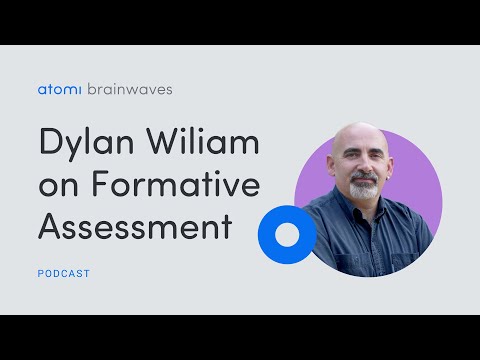
Dylan Wiliam, a British educationalist, has been a pivotal figure in shaping the concept of formative assessment. With a career spanning over three decades, Wiliam has worked with numerous schools and educational institutions to develop and implement effective assessment strategies. His work focuses on using data to inform instruction, rather than simply evaluating student performance. Wiliam's approach has been widely adopted, with many educators citing his influence in their own teaching practices. However, his methods have also faced criticism, with some arguing that an over-reliance on data can lead to teaching to the test. As the education landscape continues to evolve, Wiliam's ideas remain a crucial part of the conversation. With a Vibe score of 82, Wiliam's influence is felt across the education sector, with his work being widely cited and built upon by other researchers and educators. The controversy surrounding his methods has sparked a wider debate about the role of assessment in education, with some arguing that it is essential for accountability, while others see it as a barrier to creativity and critical thinking.
📚 Introduction to Dylan Wiliam
Dylan Wiliam is a renowned educator and researcher, best known for his work on formative assessment. Born in 1953, Wiliam has spent his career studying and promoting the use of assessment as a tool for improving student learning. His work has been widely influential, and he is often referred to as the 'architect of formative assessment'. Wiliam's ideas have been shaped by his experiences as a teacher, researcher, and education policy advisor. He has worked with educators and policymakers around the world to develop and implement effective assessment systems. For more information on Wiliam's background and career, see his biography.
📊 The Concept of Formative Assessment
The concept of formative assessment is central to Wiliam's work. Formative assessment refers to the use of assessment as a tool for improving student learning, rather than simply measuring it. This approach involves using assessment to identify areas where students need additional support, and providing targeted feedback and instruction to help them improve. Wiliam argues that summative assessment, which focuses on measuring student learning at the end of a lesson or unit, is not enough to support student learning. Instead, educators should use formative assessment strategies to gather information about student learning and adjust their instruction accordingly. For more information on the benefits of formative assessment, see research on formative assessment.
📈 Implementing Formative Assessment in the Classroom
Implementing formative assessment in the classroom requires a significant shift in teaching practice. Wiliam recommends that educators use a variety of assessment strategies, including quizzes, class discussions, and project-based assessments. These strategies should be used to gather information about student learning, and to provide feedback that is specific, timely, and actionable. Wiliam also emphasizes the importance of teacher-student relationships in supporting student learning. When educators build strong relationships with their students, they are better able to understand their needs and provide targeted support. For more information on building strong teacher-student relationships, see teacher relationships.
🤝 Collaboration and Feedback
Collaboration and feedback are essential components of formative assessment. Wiliam argues that educators should work together to develop and implement effective assessment systems, and that students should be involved in the assessment process as well. This can involve peer assessment, where students provide feedback to one another, and self-assessment, where students reflect on their own learning. Wiliam also emphasizes the importance of feedback strategies that are specific, timely, and actionable. When educators provide high-quality feedback, students are better able to understand their strengths and weaknesses, and to develop a growth mindset. For more information on the importance of feedback, see importance of feedback.
📝 The Role of Self-Assessment
The role of self-assessment in formative assessment is critical. Wiliam argues that students should be encouraged to reflect on their own learning, and to set goals for themselves. This can involve using learning journals or self-assessment rubrics to help students reflect on their progress. Wiliam also emphasizes the importance of metacognition, or the ability to think about one's own thinking. When students develop metacognitive skills, they are better able to understand their own strengths and weaknesses, and to develop strategies for improving their learning. For more information on the importance of self-assessment, see self-assessment strategies.
📊 The Impact of Formative Assessment on Student Learning
The impact of formative assessment on student learning is significant. Wiliam's research has shown that when educators use formative assessment strategies, students tend to perform better on standardized tests and develop a more positive attitude towards learning. Formative assessment can also help to reduce the achievement gap between different groups of students, by providing targeted support to students who need it most. Wiliam argues that educators should use a variety of assessment methods to gather information about student learning, and to provide feedback that is specific, timely, and actionable. For more information on the impact of formative assessment, see research on formative assessment.
📚 Criticisms and Controversies
Despite its many benefits, formative assessment is not without its criticisms and controversies. Some educators have argued that formative assessment can be time-consuming and resource-intensive, and that it may not be feasible in all educational settings. Others have raised concerns about the validity and reliability of formative assessment methods, and have argued that they may not provide an accurate picture of student learning. Wiliam acknowledges these concerns, but argues that the benefits of formative assessment far outweigh the costs. For more information on the criticisms of formative assessment, see criticisms of formative assessment.
📈 The Future of Formative Assessment
The future of formative assessment is likely to involve the use of technology to support student learning. Wiliam argues that educators should use digital tools to gather information about student learning, and to provide feedback that is specific, timely, and actionable. This can involve using learning management systems to track student progress, and online assessment tools to provide feedback and support. Wiliam also emphasizes the importance of teacher professional development in supporting the use of formative assessment. For more information on the future of formative assessment, see future of formative assessment.
📊 Case Studies and Examples
There are many case studies and examples of formative assessment in action. Wiliam has worked with educators and policymakers around the world to develop and implement effective assessment systems, and has written extensively about his experiences. One notable example is the King's Academy in England, which has used formative assessment to improve student learning and reduce the achievement gap. For more information on this case study, see King's Academy case study.
📚 Conclusion and Recommendations
In conclusion, Dylan Wiliam is a renowned educator and researcher who has made significant contributions to our understanding of formative assessment. His work has shown that when educators use formative assessment strategies, students tend to perform better and develop a more positive attitude towards learning. Wiliam's ideas have been widely influential, and have shaped the development of education policy around the world. For more information on Wiliam's work and legacy, see Dylan Wiliam biography.
📈 Resources and Further Reading
For educators who are interested in learning more about formative assessment, there are many resources available. Wiliam has written extensively on the topic, and has developed a range of professional development materials to support educators. There are also many online communities and forums where educators can share their experiences and learn from one another. For more information on these resources, see formative assessment resources.
🤝 Getting Involved in the Formative Assessment Community
Finally, educators who are interested in getting involved in the formative assessment community can do so in a variety of ways. Wiliam has established a number of professional networks and organizations to support educators who are interested in formative assessment, and there are many conferences and workshops available on the topic. For more information on these opportunities, see formative assessment community.
Key Facts
- Year
- 2000
- Origin
- United Kingdom
- Category
- Education
- Type
- Person
Frequently Asked Questions
What is formative assessment?
Formative assessment refers to the use of assessment as a tool for improving student learning, rather than simply measuring it. This approach involves using assessment to identify areas where students need additional support, and providing targeted feedback and instruction to help them improve. For more information on formative assessment, see formative assessment.
How does formative assessment differ from summative assessment?
Formative assessment differs from summative assessment in that it is used to support student learning, rather than simply measuring it. Formative assessment involves using assessment to identify areas where students need additional support, and providing targeted feedback and instruction to help them improve. Summative assessment, on the other hand, is used to evaluate student learning at the end of a lesson or unit. For more information on the differences between formative and summative assessment, see formative vs summative assessment.
What are some common formative assessment strategies?
Some common formative assessment strategies include quizzes, class discussions, and project-based assessments. These strategies should be used to gather information about student learning, and to provide feedback that is specific, timely, and actionable. For more information on formative assessment strategies, see formative assessment strategies.
How can educators use technology to support formative assessment?
Educators can use technology to support formative assessment in a variety of ways. This can involve using learning management systems to track student progress, and online assessment tools to provide feedback and support. For more information on using technology to support formative assessment, see technology and formative assessment.
What are some common challenges to implementing formative assessment?
Some common challenges to implementing formative assessment include the need for significant changes to teaching practice, and the potential for formative assessment to be time-consuming and resource-intensive. However, the benefits of formative assessment far outweigh the costs, and educators can use a variety of strategies to overcome these challenges. For more information on overcoming the challenges of formative assessment, see overcoming challenges to formative assessment.