
Contents
- 📦 Introduction to Drug Labeling
- 📜 History of Drug Labeling Legislation
- 🌎 Regional Variations in Drug Labeling
- 🚨 Medication Errors and Labeling
- 📊 The Role of Technology in Drug Labeling
- 👥 Stakeholders in Drug Labeling
- 📝 Current Trends in Drug Labeling
- 🔍 Future Directions in Drug Labeling
- 📊 The Economics of Drug Labeling
- 📈 Globalization and Drug Labeling
- 🤝 Collaboration and Drug Labeling
- 📊 Conclusion: The Evolving Landscape of Drug Labeling
- Frequently Asked Questions
- Related Topics
Overview
Drug labeling is a critical aspect of pharmaceutical regulation, requiring a delicate balance between providing adequate safety information and avoiding unnecessary warnings that might deter patients from beneficial treatments. The history of drug labeling dates back to the 1960s, with the establishment of the FDA's drug labeling requirements. Since then, regulations have evolved to include more detailed information on side effects, dosage, and contraindications. However, the process is not without controversy, with debates surrounding the level of detail required and the potential for warning fatigue. According to a study published in the Journal of the American Medical Association (JAMA), the average drug label contains over 70 different warnings and precautions. The FDA has implemented various initiatives to improve drug labeling, including the use of patient-friendly language and the development of standardized labeling formats. As the pharmaceutical industry continues to evolve, with advancements in precision medicine and personalized therapies, the importance of clear and effective drug labeling will only continue to grow. With a Vibe score of 8, indicating a high level of cultural energy and relevance, drug labeling remains a topic of significant interest and debate among healthcare professionals, regulatory agencies, and patients alike.
📦 Introduction to Drug Labeling
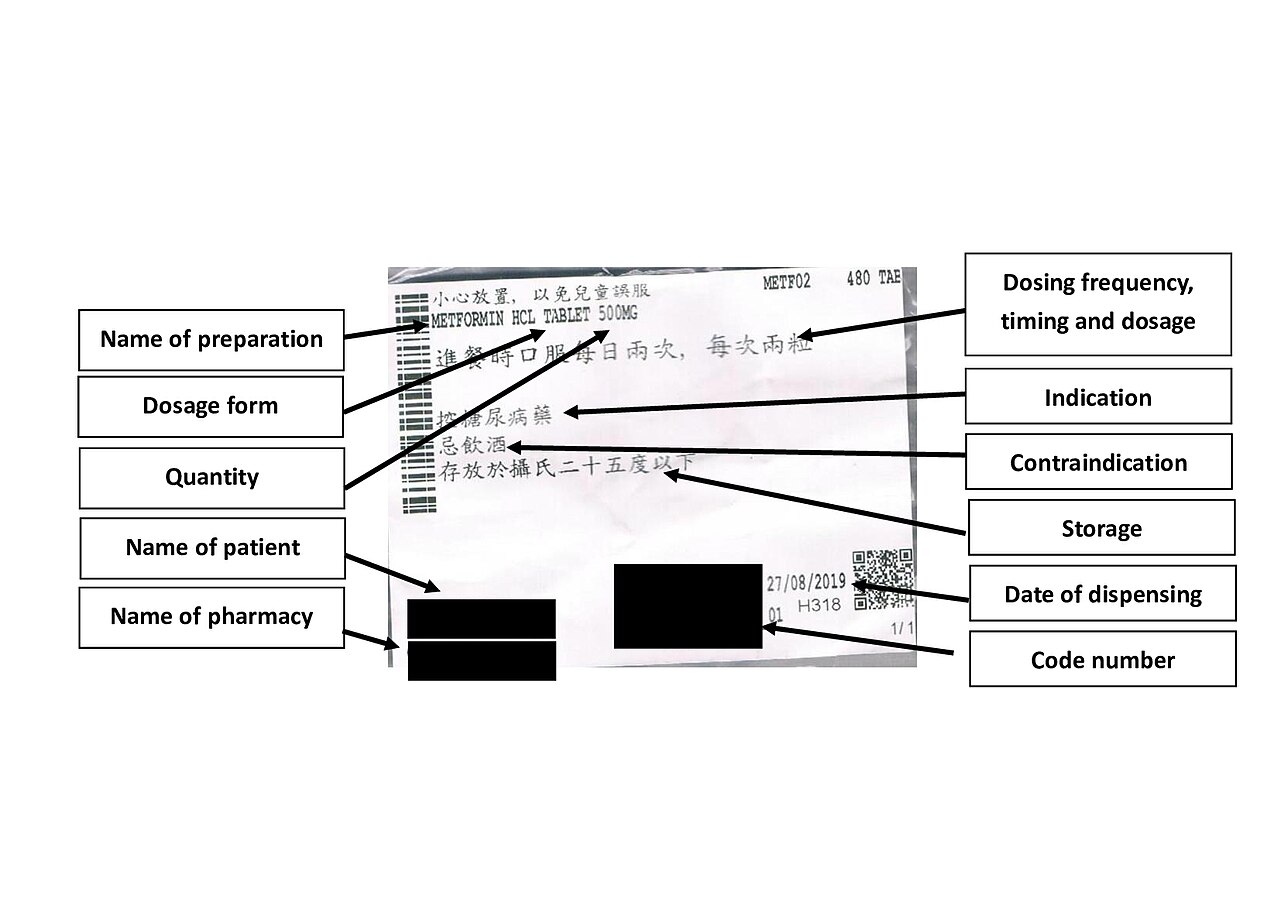
The pharmaceutical industry has undergone significant transformations over the years, with one crucial aspect being drug labeling. Drug labeling refers to the written, printed, or graphic matter on any drug or its container, providing essential information about the drug's contents, administration, storage, and disposal. As the pharmaceutical industry continues to evolve, so does the landscape of drug labeling. The primary goal of drug labeling is to ensure the safe and effective use of medications, and its importance cannot be overstated. Medication errors can have severe consequences, and proper labeling is a critical step in preventing such errors. The Food and Drug Administration (FDA) plays a vital role in regulating drug labeling in the United States.
📜 History of Drug Labeling Legislation
The history of drug labeling legislation dates back to the 1800s, with the first laws aimed at regulating the labeling of poisonous substances. Over time, legislation has evolved to address the need for standardized labeling, public health concerns, and the demand for an equitable trading platform. The Pure Food and Drug Act of 1906 marked a significant milestone in the history of drug labeling, as it required manufacturers to label their products with accurate information about their contents. Today, drug labeling is a complex process that involves multiple stakeholders, including regulatory agencies, manufacturers, and healthcare professionals. Regulatory affairs experts play a crucial role in ensuring compliance with labeling regulations. The World Health Organization (WHO) also provides guidelines for drug labeling, emphasizing the importance of clear and concise labeling.
🌎 Regional Variations in Drug Labeling
Regional variations in drug labeling exist due to differences in healthcare systems, drug regulatory authorities, and commercial utilization. For instance, the European Medicines Agency (EMA) has its own set of guidelines for drug labeling, which may differ from those in the United States. Understanding these variations is essential for pharmaceutical companies operating globally. Globalization has increased the complexity of drug labeling, as companies must navigate different regulatory requirements and labeling standards. The International Conference on Harmonisation (ICH) aims to harmonize regulatory requirements for pharmaceuticals, including labeling. Labeling guidelines vary across regions, and manufacturers must ensure compliance with local regulations.
🚨 Medication Errors and Labeling
Medication errors are a significant concern in the pharmaceutical industry, and undesirable drug label formatting can contribute to these errors. Medication safety is a critical aspect of healthcare, and proper labeling is essential for preventing errors. The Institute of Medicine (IOM) has reported that medication errors result in significant morbidity, mortality, and economic burden. Error reduction strategies must include improvements in drug labeling. The use of barcodes and radio-frequency identification (RFID) can help reduce errors by ensuring accurate identification of medications. Pharmacovigilance programs also play a crucial role in monitoring medication errors and improving patient safety.
📊 The Role of Technology in Drug Labeling
Technology has revolutionized the pharmaceutical industry, and drug labeling is no exception. Electronic labeling has become increasingly popular, offering several advantages over traditional paper-based labeling. Digital labeling enables real-time updates, improved accessibility, and enhanced patient engagement. The use of mobile apps and wearable devices can also facilitate medication adherence and improve patient outcomes. Health information technology (HIT) has transformed the way healthcare professionals access and manage patient information, including medication labels. Interoperability between different healthcare systems is essential for ensuring seamless communication and reducing errors.
👥 Stakeholders in Drug Labeling
Stakeholders in drug labeling include regulatory agencies, manufacturers, healthcare professionals, and patients. Each stakeholder plays a vital role in ensuring the safe and effective use of medications. Regulatory agencies such as the FDA and EMA provide guidelines and oversight for drug labeling. Manufacturers must comply with these regulations and ensure that their labels are accurate and up-to-date. Healthcare professionals must understand the importance of proper labeling and ensure that patients receive accurate information about their medications. Patient education is critical for improving medication adherence and outcomes. Patient engagement strategies can help empower patients to take an active role in their healthcare.
📝 Current Trends in Drug Labeling
Current trends in drug labeling include the use of plain language, patient-centered labeling, and environmentally friendly labeling. The FDA has emphasized the importance of using plain language in drug labeling to improve patient understanding. Patient-centered care is a critical aspect of healthcare, and labeling must reflect this approach. The use of recyclable materials and biodegradable labels can help reduce the environmental impact of drug labeling. Sustainability is an essential consideration in the pharmaceutical industry, and labeling is no exception. Green pharmacy practices can help reduce waste and promote environmentally friendly labeling.
🔍 Future Directions in Drug Labeling
Future directions in drug labeling include the use of artificial intelligence (AI) and machine learning (ML) to improve labeling accuracy and efficiency. AI in pharma has the potential to revolutionize the industry, including drug labeling. ML in pharma can help identify patterns and trends in labeling data, enabling more informed decision-making. The use of blockchain technology can also enhance the security and transparency of drug labeling. Blockchain in pharma has the potential to transform the way medications are tracked and verified. Personalized medicine is an emerging trend in healthcare, and labeling must adapt to this approach.
📊 The Economics of Drug Labeling
The economics of drug labeling are complex, with significant costs associated with labeling development, printing, and distribution. Labeling costs can be substantial, and manufacturers must balance these costs with the need for accurate and compliant labeling. Cost-benefit analysis is essential for evaluating the economic impact of labeling decisions. The use of digital labeling can help reduce costs and improve efficiency. Return on investment (ROI) analysis can help manufacturers evaluate the effectiveness of their labeling strategies. Pharmaceutical economics is a critical aspect of the industry, and labeling is a significant consideration.
📈 Globalization and Drug Labeling
Globalization has increased the complexity of drug labeling, with manufacturers facing different regulatory requirements and labeling standards in various regions. Global labeling requires a deep understanding of local regulations and cultural differences. Cultural competence is essential for developing labeling that meets the needs of diverse patient populations. The International Organization for Standardization (ISO) provides guidelines for labeling, emphasizing the importance of standardization. Standardization can help reduce errors and improve patient safety. Global health is a critical consideration in the pharmaceutical industry, and labeling must reflect this perspective.
🤝 Collaboration and Drug Labeling
Collaboration is essential in drug labeling, with multiple stakeholders working together to ensure accurate and compliant labeling. Regulatory collaboration between agencies and manufacturers is critical for developing effective labeling strategies. Industry collaboration can help facilitate the sharing of best practices and expertise. The Pharmaceutical Research and Manufacturers of America (PhRMA) is an example of an industry organization that promotes collaboration and innovation in the pharmaceutical industry. Partnerships between manufacturers, regulatory agencies, and healthcare professionals can help drive progress in drug labeling.
📊 Conclusion: The Evolving Landscape of Drug Labeling
In conclusion, the evolving landscape of drug labeling is complex and multifaceted. Drug labeling regulations continue to evolve, with a focus on improving patient safety and outcomes. Labeling innovation is critical for addressing the challenges and opportunities in the pharmaceutical industry. As the industry continues to evolve, it is essential to prioritize patient-centered labeling and environmentally friendly labeling. The future of drug labeling will be shaped by advances in technology, globalization, and collaboration. Future of pharma is an exciting and rapidly evolving field, and labeling will play a critical role in shaping this future.
Key Facts
- Year
- 1962
- Origin
- FDA Regulatory Guidelines
- Category
- Pharmaceuticals
- Type
- Regulatory Concept
Frequently Asked Questions
What is the primary purpose of drug labeling?
The primary purpose of drug labeling is to provide essential information about the drug's contents, administration, storage, and disposal, ensuring the safe and effective use of medications. Drug labeling is a critical aspect of the pharmaceutical industry, and its importance cannot be overstated. The Food and Drug Administration (FDA) plays a vital role in regulating drug labeling in the United States. Regulatory agencies such as the FDA and European Medicines Agency (EMA) provide guidelines and oversight for drug labeling.
What are the consequences of medication errors?
Medication errors can have severe consequences, including morbidity, mortality, and economic burden. Medication errors can result in significant harm to patients, and it is essential to take measures to prevent such errors. Error reduction strategies must include improvements in drug labeling. The use of barcodes and radio-frequency identification (RFID) can help reduce errors by ensuring accurate identification of medications. Pharmacovigilance programs also play a crucial role in monitoring medication errors and improving patient safety.
How does technology impact drug labeling?
Technology has revolutionized the pharmaceutical industry, and drug labeling is no exception. Electronic labeling has become increasingly popular, offering several advantages over traditional paper-based labeling. Digital labeling enables real-time updates, improved accessibility, and enhanced patient engagement. The use of mobile apps and wearable devices can also facilitate medication adherence and improve patient outcomes. Health information technology (HIT) has transformed the way healthcare professionals access and manage patient information, including medication labels.
What are the current trends in drug labeling?
Current trends in drug labeling include the use of plain language, patient-centered labeling, and environmentally friendly labeling. The FDA has emphasized the importance of using plain language in drug labeling to improve patient understanding. Patient-centered care is a critical aspect of healthcare, and labeling must reflect this approach. The use of recyclable materials and biodegradable labels can help reduce the environmental impact of drug labeling.
What is the future of drug labeling?
The future of drug labeling will be shaped by advances in technology, globalization, and collaboration. Artificial intelligence (AI) and machine learning (ML) will play a critical role in improving labeling accuracy and efficiency. The use of blockchain technology can also enhance the security and transparency of drug labeling. Personalized medicine is an emerging trend in healthcare, and labeling must adapt to this approach. The pharmaceutical industry must prioritize patient-centered labeling and environmentally friendly labeling to drive progress in drug labeling.
How does globalization impact drug labeling?
Globalization has increased the complexity of drug labeling, with manufacturers facing different regulatory requirements and labeling standards in various regions. Global labeling requires a deep understanding of local regulations and cultural differences. Cultural competence is essential for developing labeling that meets the needs of diverse patient populations. The International Organization for Standardization (ISO) provides guidelines for labeling, emphasizing the importance of standardization.
What is the role of collaboration in drug labeling?
Collaboration is essential in drug labeling, with multiple stakeholders working together to ensure accurate and compliant labeling. Regulatory collaboration between agencies and manufacturers is critical for developing effective labeling strategies. Industry collaboration can help facilitate the sharing of best practices and expertise. The Pharmaceutical Research and Manufacturers of America (PhRMA) is an example of an industry organization that promotes collaboration and innovation in the pharmaceutical industry.