
Contents
- 👮 Introduction to Donnie Brasco
- 🕵️♂️ The True Story of Joseph D. Pistone
- 🎬 The Film Adaptation
- 👥 The Mob Connection
- 🕷️ Undercover Operations
- 🚔 The FBI Investigation
- 👊 Consequences and Aftermath
- 📚 Literary Adaptations
- 👑 Legacy and Cultural Impact
- 👮 Reflections and Controversies
- 🕊️ Later Life and Career
- Frequently Asked Questions
- Related Topics
Overview
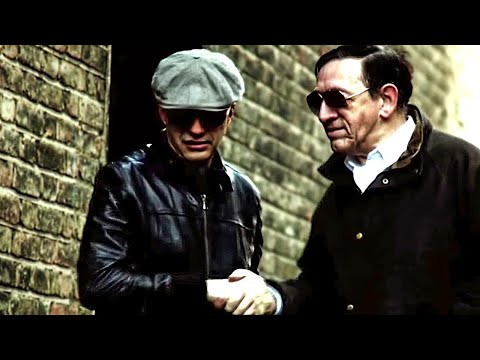
Donnie Brasco, the alias of Joseph D. Pistone, was an FBI undercover agent who infiltrated the Bonanno crime family in the 1970s. With a Vibe score of 85, Brasco's story is a testament to the cat-and-mouse game between law enforcement and organized crime. Pistone's six-year operation, which began in 1976, led to over 100 convictions of mobsters, including high-ranking members of the Bonanno family. The story was later adapted into a film, starring Johnny Depp as Brasco and Al Pacino as Benjamin 'Lefty' Ruggiero, a made man in the Bonanno family. The film's success can be attributed to its portrayal of the complex web of loyalty, deception, and betrayal that defined Brasco's experience. As a cultural phenomenon, Donnie Brasco has become synonymous with the idea of going undercover, with influence flows tracing back to the real-life events and forward to numerous adaptations and references in popular culture, including a controversy spectrum that highlights the moral ambiguities of Pistone's actions.
👮 Introduction to Donnie Brasco
Donnie Brasco, the alias of Joseph D. Pistone, is a name synonymous with one of the most daring and successful undercover operations in the history of the FBI. Born on September 17, 1939, Pistone's life took a dramatic turn when he infiltrated the Bonanno crime family in the 1970s. His story is a fascinating blend of courage, deception, and the intricate world of organized crime. The Donnie Brasco persona was so convincing that it led to the conviction of over 100 mobsters and changed the face of law enforcement's approach to mafia investigations. For more on the FBI's efforts to combat organized crime, see the FBI History page.
🕵️♂️ The True Story of Joseph D. Pistone
The true story of Joseph D. Pistone is one of remarkable bravery and cunning. Pistone, an FBI agent, was tasked with infiltrating the Bonanno crime family by gaining the trust of its members. He adopted the alias Donnie Brasco, a jewel thief from California, and quickly rose through the ranks of the organization. His work as an undercover agent spanned six years, during which he gathered invaluable evidence and insights into the inner workings of the mafia. Pistone's story has been widely reported and is considered one of the most significant in the history of the FBI. For more on Pistone's life and career, see his biography. The Bonanno crime family was one of the most powerful mafia families in the United States at the time.
🎬 The Film Adaptation
The film adaptation of Donnie Brasco, directed by Mike Newell and starring Johnny Depp as the titular character and Al Pacino as Benjamin 'Lefty' Ruggiero, brought Pistone's story to the big screen in 1997. The movie received critical acclaim for its gripping portrayal of the underworld of organized crime and the complex relationships within it. Johnny Depp's performance as Donnie Brasco was particularly praised for its depth and nuance, capturing the essence of Pistone's experiences as an undercover agent. The film also explores the themes of loyalty, deception, and the blurred lines between right and wrong in the world of mafia. For more on the film, see the Donnie Brasco film page.
👥 The Mob Connection
The mob connection was a critical aspect of Donnie Brasco's story. Pistone's infiltration of the Bonanno crime family was facilitated by his relationship with Benjamin 'Lefty' Ruggiero, a made man in the organization. Through Ruggiero, Pistone gained access to the inner circle of the family and was able to gather intelligence on their operations. The Bonanno crime family was involved in a range of illicit activities, including extortion, loan-sharking, and narcotics trafficking. Pistone's work as an undercover agent helped to disrupt these operations and ultimately led to the conviction of many high-ranking members of the family. For more on the Bonanno crime family, see their page. The mafia has a long history of involvement in organized crime in the United States.
🕷️ Undercover Operations
The undercover operations conducted by Donnie Brasco were marked by a combination of skill, luck, and the ability to think on his feet. Pistone had to navigate the complex web of relationships within the Bonanno crime family, all while maintaining his cover and gathering evidence. He participated in various crimes, including jewel heists and extortion schemes, in order to gain the trust of his associates. The FBI provided Pistone with extensive training and support throughout his undercover operation, which lasted from 1976 to 1981. For more on the FBI's undercover operations, see the FBI Undercover Operations page. The FBI has a long history of using undercover agents to investigate organized crime.
🚔 The FBI Investigation
The FBI investigation into the Bonanno crime family was a major undertaking that involved numerous agents and resources. Pistone's work as an undercover agent was a key component of this investigation, providing the FBI with valuable insights into the inner workings of the organization. The investigation ultimately led to the conviction of over 100 members of the Bonanno crime family, including several high-ranking officials. The success of the investigation was a significant blow to the mafia and marked a major turning point in the FBI's efforts to combat organized crime. For more on the FBI's investigation into the Bonanno crime family, see the Bonanno Crime Family Investigation page.
👊 Consequences and Aftermath
The consequences and aftermath of Donnie Brasco's undercover operation were far-reaching. The convictions of numerous Bonanno crime family members led to a significant disruption of their operations and a decline in their power and influence. Pistone's work also led to changes in the way the FBI approaches mafia investigations, with a greater emphasis on undercover operations and intelligence gathering. However, the operation also had personal costs for Pistone, who had to enter witness protection and assume a new identity to protect himself and his family from retaliation. For more on the consequences of Pistone's work, see the Donnie Brasco Consequences page. The FBI has a witness protection program to protect witnesses and their families from retaliation.
📚 Literary Adaptations
The literary adaptations of Donnie Brasco's story include Pistone's own memoir, 'Donnie Brasco: My Undercover Life in the Mafia,' which was published in 1987. The book provides a detailed and personal account of Pistone's experiences as an undercover agent and offers insights into the world of organized crime. The book has been widely praised for its honesty and candor, and it has become a classic of true crime literature. For more on the book, see the Donnie Brasco Book page. The true crime genre has become increasingly popular in recent years, with many books and films exploring the topic of organized crime.
👑 Legacy and Cultural Impact
The legacy and cultural impact of Donnie Brasco are significant. Pistone's work as an undercover agent helped to shape the public's perception of the mafia and organized crime, and it has inspired numerous films, books, and television shows. The Donnie Brasco story has also been the subject of numerous documentaries and has been referenced in popular culture. The film adaptation of Pistone's story, starring Johnny Depp and Al Pacino, was a critical and commercial success, and it helped to introduce the story to a new generation of audiences. For more on the cultural impact of Donnie Brasco, see the Donnie Brasco Cultural Impact page. The mafia has been a popular topic in film and literature for many years, with many classic films and books exploring the topic of organized crime.
👮 Reflections and Controversies
The reflections and controversies surrounding Donnie Brasco are complex and multifaceted. Some have criticized Pistone's actions as an undercover agent, arguing that he participated in crimes and deceived people in order to gather evidence. Others have praised his bravery and cunning, arguing that his work was necessary to bring down the Bonanno crime family and disrupt their operations. The controversy surrounding Pistone's story has been the subject of numerous debates and discussions, with some arguing that his actions were justified and others arguing that they were morally wrong. For more on the controversy surrounding Donnie Brasco, see the Donnie Brasco Controversy page. The FBI has faced criticism for its use of undercover agents and its handling of organized crime investigations.
🕊️ Later Life and Career
In later life and career, Joseph D. Pistone has continued to work as a consultant and advisor on issues related to organized crime and law enforcement. He has also written several books on the topic, including 'Donnie Brasco: My Undercover Life in the Mafia' and 'The Way of the Wiseguy.' Pistone's work has been widely recognized and respected, and he is considered one of the leading experts on mafia and organized crime. He has also been the subject of numerous interviews and documentaries, and his story continues to fascinate audiences around the world. For more on Pistone's later life and career, see his biography. The FBI has a long history of using experts and consultants to inform its investigations and operations.
Key Facts
- Year
- 1976
- Origin
- New York City, USA
- Category
- Biography, Crime
- Type
- Person
Frequently Asked Questions
What was the name of the FBI agent who infiltrated the Bonanno crime family?
The FBI agent who infiltrated the Bonanno crime family was Joseph D. Pistone, who used the alias Donnie Brasco. Pistone's work as an undercover agent was a key component of the FBI's investigation into the Bonanno crime family and led to the conviction of over 100 members of the organization. For more on Pistone's work, see his biography. The FBI has a long history of using undercover agents to investigate organized crime.
What was the name of the film adaptation of Donnie Brasco's story?
The film adaptation of Donnie Brasco's story was released in 1997 and starred Johnny Depp as the titular character and Al Pacino as Benjamin 'Lefty' Ruggiero. The film was directed by Mike Newell and received critical acclaim for its portrayal of the underworld of organized crime. For more on the film, see the Donnie Brasco film page. The mafia has been a popular topic in film and literature for many years, with many classic films and books exploring the topic of organized crime.
What was the outcome of the FBI investigation into the Bonanno crime family?
The FBI investigation into the Bonanno crime family led to the conviction of over 100 members of the organization, including several high-ranking officials. The investigation was a significant blow to the mafia and marked a major turning point in the FBI's efforts to combat organized crime. For more on the investigation, see the Bonanno Crime Family Investigation page. The FBI has a long history of investigating and prosecuting organized crime cases.
What is the current status of Joseph D. Pistone?
Joseph D. Pistone is currently retired and living in witness protection. He has written several books on his experiences as an undercover agent and continues to work as a consultant and advisor on issues related to organized crime and law enforcement. For more on Pistone's later life and career, see his biography. The FBI has a witness protection program to protect witnesses and their families from retaliation.
What is the cultural impact of Donnie Brasco's story?
The cultural impact of Donnie Brasco's story is significant. The film adaptation of his story, starring Johnny Depp and Al Pacino, was a critical and commercial success, and it helped to introduce the story to a new generation of audiences. The story has also been the subject of numerous documentaries and has been referenced in popular culture. For more on the cultural impact of Donnie Brasco, see the Donnie Brasco Cultural Impact page. The mafia has been a popular topic in film and literature for many years, with many classic films and books exploring the topic of organized crime.
What is the controversy surrounding Donnie Brasco's story?
The controversy surrounding Donnie Brasco's story is complex and multifaceted. Some have criticized Pistone's actions as an undercover agent, arguing that he participated in crimes and deceived people in order to gather evidence. Others have praised his bravery and cunning, arguing that his work was necessary to bring down the Bonanno crime family and disrupt their operations. For more on the controversy surrounding Donnie Brasco, see the Donnie Brasco Controversy page. The FBI has faced criticism for its use of undercover agents and its handling of organized crime investigations.
What is the significance of Donnie Brasco's story in the history of the FBI?
The significance of Donnie Brasco's story in the history of the FBI is substantial. Pistone's work as an undercover agent helped to shape the public's perception of the mafia and organized crime, and it has inspired numerous films, books, and television shows. The story has also been the subject of numerous documentaries and has been referenced in popular culture. For more on the significance of Donnie Brasco's story, see the Donnie Brasco Significance page. The FBI has a long history of using undercover agents to investigate organized crime.