
Contents
- 🍴 Introduction to Dim Sum
- 🍜 History of Dim Sum
- 👥 Cultural Significance of Dim Sum
- 🍲 Types of Dim Sum Dishes
- 🍵 The Tradition of Yum Cha
- 🍜 Regional Variations of Dim Sum
- 👨🍳 The Art of Dim Sum Preparation
- 🍴 Dim Sum in Modern Times
- 🤝 Dim Sum Around the World
- 📚 Conclusion and Future of Dim Sum
- 👀 Controversies and Debates
- 📊 Dim Sum Statistics and Trends
- Frequently Asked Questions
- Related Topics
Overview
Dim sum, which translates to 'touch the heart' in Cantonese, has a rich history dating back to the Southern Chinese province of Guangdong. This traditional cuisine, characterized by small, bite-sized portions of steamed or fried delicacies, has evolved over time, influenced by various regional and cultural factors. With a vibe score of 8, dim sum has become a staple in Chinese restaurants worldwide, offering a diverse range of dishes, from har gow to siu mai. However, the rise of modern dim sum restaurants has sparked controversy among traditionalists, who argue that the authenticity of the cuisine is being compromised. As the popularity of dim sum continues to grow, it is essential to examine the tension between tradition and innovation, as well as the impact of globalization on this beloved culinary tradition. According to a report by the Chinese Restaurant Association, the global dim sum market is projected to reach $13.4 billion by 2025, with a growth rate of 7.5% per annum.
🍴 Introduction to Dim Sum
Dim sum is a beloved culinary tradition that originated in China, with a history dating back to the tenth century. As a style of Chinese cuisine, dim sum is closely associated with Cantonese cuisine, although it has also been influenced by other Chinese cuisines, such as Hakka cuisine and Teochew cuisine. The term 'dim sum' literally translates to 'touch the heart', referring to the small, delicate food items that are served to accompany tea. For a traditional dim sum experience, head to a teahouse and enjoy a variety of dishes, including har gow and siu mai.
🍜 History of Dim Sum
The history of dim sum is deeply rooted in the city of Guangzhou, where it originated as a way to serve small meals to travelers. During the tenth century, the city experienced an increase in commercial travel, and many travelers would frequent teahouses for small-portion meals with tea, known as 'yum cha'. This tradition, also referred to as 'jat zung loeng gin', which translates to 'one cup, two pieces', involved serving customers two delicately made food items to complement their tea. To learn more about the history of dim sum, visit the Guangzhou Museum.
👥 Cultural Significance of Dim Sum
Dim sum holds significant cultural importance in Chinese society, particularly in the context of yum cha, which includes two related concepts: 'jat zung loeng gin' and 'dim sum'. The tradition of yum cha is not only about the food, but also about the social interaction and community that comes with it. In fact, dim sum is often served at Chinese New Year celebrations and other special occasions, such as weddings and birthdays. For a unique dim sum experience, try visiting a dim sum restaurant during Lunar New Year.
🍲 Types of Dim Sum Dishes
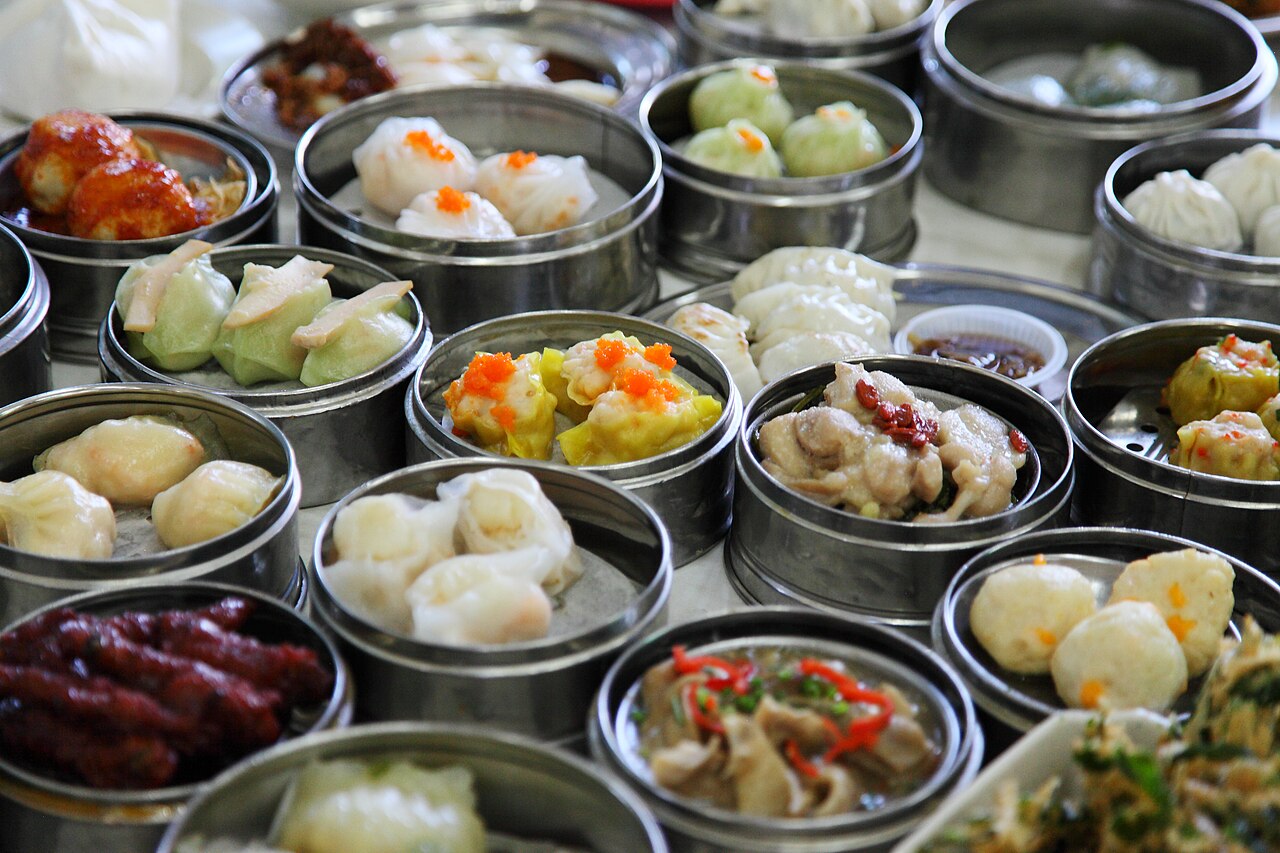
The variety of dim sum dishes is staggering, with popular items including char siu bao, cheung fun, and lo mai gai. Dim sum can be steamed, fried, or baked, and often features ingredients such as pork, shrimp, and vegetables. For a comprehensive guide to dim sum dishes, check out dim sum recipes online or visit a Chinese restaurant. To learn more about the different types of dim sum, read about Cantonese dim sum and Hakka dim sum.
🍵 The Tradition of Yum Cha
The tradition of yum cha is an integral part of dim sum culture, and involves the serving of tea and small food items in a teahouse setting. This tradition is not only about the food and drink, but also about the social interaction and community that comes with it. In fact, yum cha is often referred to as 'brunch' in Chinese culture, and is a popular weekend activity. For a traditional yum cha experience, visit a Hong Kong teahouse and try their dim sum selection.
🍜 Regional Variations of Dim Sum
While dim sum is often associated with Cantonese cuisine, it has also been influenced by other regional cuisines, such as Hakka cuisine and Teochew cuisine. In fact, different regions in China have their own unique dim sum dishes and traditions, such as the Guangdong province and Hong Kong. To learn more about regional variations of dim sum, read about regional Chinese cuisine.
👨🍳 The Art of Dim Sum Preparation
The preparation of dim sum is an art form that requires great skill and attention to detail. Dim sum chefs must be able to create delicate and intricate dishes that are both visually appealing and delicious. In fact, the preparation of dim sum is often considered a culinary art, with chefs competing to create the most innovative and delicious dishes. For a behind-the-scenes look at dim sum preparation, visit a dim sum kitchen and watch the chefs at work.
🍴 Dim Sum in Modern Times
In modern times, dim sum has become a popular cuisine around the world, with many restaurants serving a variety of dim sum dishes. In fact, dim sum has become a staple of Chinese restaurants worldwide, and is often served at Chinese New Year celebrations and other special occasions. To learn more about the global popularity of dim sum, read about global Chinese cuisine.
🤝 Dim Sum Around the World
Dim sum has become a global phenomenon, with restaurants serving dim sum in cities around the world. In fact, dim sum has become a popular cuisine in many countries, including the United States, Canada, and Australia. For a unique dim sum experience, try visiting a dim sum restaurant in a city like New York City or Los Angeles.
📚 Conclusion and Future of Dim Sum
In conclusion, dim sum is a beloved culinary tradition that has a rich history and cultural significance. From its origins in Guangzhou to its global popularity today, dim sum has become a staple of Chinese cuisine. To learn more about the future of dim sum, read about future of food and food trends.
👀 Controversies and Debates
Despite its popularity, dim sum is not without controversy. In fact, there are many debates surrounding the authenticity and quality of dim sum dishes, particularly in Chinese restaurants outside of China. For a nuanced discussion of the controversies surrounding dim sum, read about food authenticity and culinary cultural appropriation.
📊 Dim Sum Statistics and Trends
The statistics surrounding dim sum are staggering, with millions of people enjoying dim sum dishes every day. In fact, dim sum has become a major industry, with many restaurants and food companies specializing in dim sum. To learn more about the statistics and trends surrounding dim sum, read about food industry and restaurant trends.
Key Facts
- Year
- 2023
- Origin
- Guangdong, China
- Category
- Food and Culture
- Type
- Culinary Tradition
Frequently Asked Questions
What is dim sum?
Dim sum is a type of Chinese cuisine that consists of small, delicate food items served with tea. The term 'dim sum' literally translates to 'touch the heart', and is often associated with Cantonese cuisine. Dim sum dishes can be steamed, fried, or baked, and often feature ingredients such as pork, shrimp, and vegetables. For a comprehensive guide to dim sum, read about dim sum recipes and visit a Chinese restaurant.
What is yum cha?
Yum cha is a traditional Chinese tea culture that involves the serving of tea and small food items, known as dim sum, in a teahouse setting. The term 'yum cha' includes two related concepts: 'jat zung loeng gin' and 'dim sum'. Yum cha is often referred to as 'brunch' in Chinese culture, and is a popular weekend activity. To learn more about yum cha, read about Chinese tea culture and visit a Hong Kong teahouse.
What are some popular dim sum dishes?
Some popular dim sum dishes include char siu bao, cheung fun, and lo mai gai. Dim sum can be steamed, fried, or baked, and often features ingredients such as pork, shrimp, and vegetables. For a comprehensive guide to dim sum dishes, check out dim sum recipes online or visit a Chinese restaurant. To learn more about the different types of dim sum, read about Cantonese dim sum and Hakka dim sum.
Where can I find dim sum?
Dim sum can be found in many Chinese restaurants around the world, particularly in cities with large Chinese populations. In fact, dim sum has become a staple of Chinese cuisine worldwide, and is often served at Chinese New Year celebrations and other special occasions. To learn more about the global popularity of dim sum, read about global Chinese cuisine. For a unique dim sum experience, try visiting a dim sum restaurant in a city like New York City or Los Angeles.
How is dim sum prepared?
The preparation of dim sum is an art form that requires great skill and attention to detail. Dim sum chefs must be able to create delicate and intricate dishes that are both visually appealing and delicious. In fact, the preparation of dim sum is often considered a culinary art, with chefs competing to create the most innovative and delicious dishes. For a behind-the-scenes look at dim sum preparation, visit a dim sum kitchen and watch the chefs at work.
What is the cultural significance of dim sum?
Dim sum holds significant cultural importance in Chinese society, particularly in the context of yum cha. The tradition of yum cha is not only about the food, but also about the social interaction and community that comes with it. In fact, dim sum is often served at Chinese New Year celebrations and other special occasions, such as weddings and birthdays. To learn more about the cultural significance of dim sum, read about Chinese culture and visit a Chinese restaurant.
Can I make dim sum at home?
Yes, you can make dim sum at home, although it may require some practice and patience. There are many dim sum recipes available online, and you can also find dim sum cooking classes in many cities. To learn more about making dim sum at home, read about home cooking and visit a cookware store. For a comprehensive guide to dim sum ingredients, check out Chinese ingredients and visit an Asian market.