
Contents
- 📈 Introduction to Digital Maturity Modeling
- 🔍 Understanding Digital Maturity
- 📊 Assessing Digital Maturity
- 📈 Benefits of Digital Maturity Modeling
- 🚀 Implementing Digital Maturity Models
- 🤝 Case Studies and Success Stories
- 📊 Measuring Digital Maturity
- 🚫 Challenges and Limitations
- 🌐 Future of Digital Maturity Modeling
- 📚 Best Practices and Recommendations
- 📊 Tools and Techniques for Digital Maturity Modeling
- 👥 Conclusion and Next Steps
- Frequently Asked Questions
- Related Topics
Overview
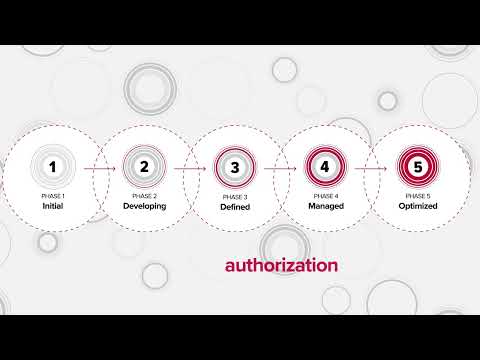
Digital maturity modeling is a strategic approach that helps organizations assess and improve their ability to leverage digital technologies to achieve business goals. This framework involves evaluating an organization's current digital capabilities, identifying areas for improvement, and developing a roadmap for transformation. According to a study by Deloitte, 71% of companies consider digital transformation a top priority, but only 12% have a clear digital strategy in place. Digital maturity models, such as the one developed by Capgemini, provide a structured methodology for organizations to assess their digital readiness and develop a tailored transformation plan. For instance, a company like General Electric has used digital maturity modeling to drive its digital transformation, resulting in a 20% increase in productivity. However, critics argue that digital maturity models can be overly simplistic and fail to account for the complexities of organizational change. As the digital landscape continues to evolve, the importance of digital maturity modeling will only continue to grow, with an estimated 75% of companies expected to have a digital transformation strategy in place by 2025.
📈 Introduction to Digital Maturity Modeling
Digital maturity modeling is a crucial aspect of Digital Transformation, enabling organizations to assess and improve their digital capabilities. By understanding their current digital maturity level, organizations can identify areas for improvement and develop strategies to enhance their digital capabilities. Digital Maturity is a measure of an organization's ability to leverage digital technologies to achieve its goals. As organizations navigate the complex landscape of Digital Disruption, digital maturity modeling provides a framework for assessing and improving digital capabilities.
🔍 Understanding Digital Maturity
Understanding digital maturity is essential for organizations seeking to improve their digital capabilities. Digital maturity refers to an organization's ability to leverage digital technologies to achieve its goals, and it encompasses various aspects, including Digital Strategy, Digital Culture, and Digital Technology. Organizations with high digital maturity levels are better equipped to respond to Digital Disruption and capitalize on new opportunities. Digital Leadership plays a critical role in driving digital maturity, as it enables organizations to develop and implement effective digital strategies.
📊 Assessing Digital Maturity
Assessing digital maturity involves evaluating an organization's digital capabilities and identifying areas for improvement. This can be achieved through various methods, including Digital Maturity Assessments and Digital Readiness Assessments. These assessments provide a comprehensive understanding of an organization's digital strengths and weaknesses, enabling the development of targeted strategies to enhance digital capabilities. Digital Transformation Frameworks can also be used to guide the assessment and improvement of digital maturity.
📈 Benefits of Digital Maturity Modeling
The benefits of digital maturity modeling are numerous, and they include improved Digital Capability, enhanced Customer Experience, and increased Competitive Advantage. By developing a digital maturity model, organizations can identify areas for improvement and develop strategies to enhance their digital capabilities. This, in turn, enables organizations to respond more effectively to Digital Disruption and capitalize on new opportunities. Digital Innovation is also critical for driving digital maturity, as it enables organizations to develop new and innovative digital solutions.
🚀 Implementing Digital Maturity Models
Implementing digital maturity models requires a structured approach, and it involves several key steps, including Digital Maturity Assessment, Digital Strategy Development, and Digital Transformation Implementation. Organizations must also develop a Digital Governance framework to ensure that digital initiatives are aligned with overall business objectives. Digital Leadership plays a critical role in driving the implementation of digital maturity models, as it enables organizations to develop and implement effective digital strategies.
🤝 Case Studies and Success Stories
Several organizations have achieved significant success through the implementation of digital maturity models. For example, Company X developed a digital maturity model that enabled it to enhance its digital capabilities and improve its Customer Experience. Similarly, Company Y used a digital maturity model to drive its Digital Transformation and achieve significant cost savings. Digital Transformation Case Studies provide valuable insights into the implementation of digital maturity models and the benefits that can be achieved.
📊 Measuring Digital Maturity
Measuring digital maturity is critical for assessing the effectiveness of digital initiatives and identifying areas for improvement. This can be achieved through various metrics, including Digital Maturity Index and Digital Capability Assessment. Organizations must also develop a Digital Dashboard to monitor and track digital performance. Digital Analytics play a critical role in measuring digital maturity, as they enable organizations to analyze digital data and gain insights into digital performance.
🚫 Challenges and Limitations
Despite the benefits of digital maturity modeling, there are several challenges and limitations that organizations must address. These include Digital Skills Gap, Digital Culture Barriers, and Digital Technology Complexity. Organizations must also develop strategies to address these challenges and ensure that digital initiatives are aligned with overall business objectives. Digital Transformation Challenges provide valuable insights into the obstacles that organizations may face when implementing digital maturity models.
🌐 Future of Digital Maturity Modeling
The future of digital maturity modeling is exciting, and it will be shaped by emerging technologies such as Artificial Intelligence and Blockchain. These technologies will enable organizations to develop more sophisticated digital maturity models and enhance their digital capabilities. Digital Innovation will also play a critical role in driving the future of digital maturity modeling, as it will enable organizations to develop new and innovative digital solutions. Digital Trends provide valuable insights into the future of digital maturity modeling and the opportunities that it presents.
📚 Best Practices and Recommendations
Best practices and recommendations for digital maturity modeling include developing a Digital Maturity Model that is tailored to the organization's specific needs and goals. Organizations must also develop a Digital Governance framework to ensure that digital initiatives are aligned with overall business objectives. Digital Leadership plays a critical role in driving digital maturity, as it enables organizations to develop and implement effective digital strategies. Digital Transformation Best Practices provide valuable insights into the implementation of digital maturity models and the benefits that can be achieved.
📊 Tools and Techniques for Digital Maturity Modeling
Several tools and techniques are available to support digital maturity modeling, including Digital Maturity Assessment Tools and Digital Transformation Frameworks. Organizations must also develop a Digital Dashboard to monitor and track digital performance. Digital Analytics play a critical role in measuring digital maturity, as they enable organizations to analyze digital data and gain insights into digital performance. Digital Innovation Tools can also be used to drive digital maturity, as they enable organizations to develop new and innovative digital solutions.
👥 Conclusion and Next Steps
In conclusion, digital maturity modeling is a critical aspect of Digital Transformation, enabling organizations to assess and improve their digital capabilities. By understanding their current digital maturity level, organizations can identify areas for improvement and develop strategies to enhance their digital capabilities. Digital Maturity is a measure of an organization's ability to leverage digital technologies to achieve its goals, and it encompasses various aspects, including Digital Strategy, Digital Culture, and Digital Technology. As organizations navigate the complex landscape of Digital Disruption, digital maturity modeling provides a framework for assessing and improving digital capabilities.
Key Facts
- Year
- 2019
- Origin
- Capgemini
- Category
- Digital Transformation
- Type
- Concept
Frequently Asked Questions
What is digital maturity modeling?
Digital maturity modeling is a framework for assessing and improving an organization's digital capabilities. It involves evaluating an organization's digital strengths and weaknesses and developing strategies to enhance digital capabilities. Digital Maturity is a measure of an organization's ability to leverage digital technologies to achieve its goals. As organizations navigate the complex landscape of Digital Disruption, digital maturity modeling provides a framework for assessing and improving digital capabilities.
What are the benefits of digital maturity modeling?
The benefits of digital maturity modeling include improved Digital Capability, enhanced Customer Experience, and increased Competitive Advantage. By developing a digital maturity model, organizations can identify areas for improvement and develop strategies to enhance their digital capabilities. This, in turn, enables organizations to respond more effectively to Digital Disruption and capitalize on new opportunities. Digital Innovation is also critical for driving digital maturity, as it enables organizations to develop new and innovative digital solutions.
How is digital maturity measured?
Digital maturity is measured through various metrics, including Digital Maturity Index and Digital Capability Assessment. Organizations must also develop a Digital Dashboard to monitor and track digital performance. Digital Analytics play a critical role in measuring digital maturity, as they enable organizations to analyze digital data and gain insights into digital performance.
What are the challenges of digital maturity modeling?
Despite the benefits of digital maturity modeling, there are several challenges and limitations that organizations must address. These include Digital Skills Gap, Digital Culture Barriers, and Digital Technology Complexity. Organizations must also develop strategies to address these challenges and ensure that digital initiatives are aligned with overall business objectives. Digital Transformation Challenges provide valuable insights into the obstacles that organizations may face when implementing digital maturity models.
What is the future of digital maturity modeling?
The future of digital maturity modeling is exciting, and it will be shaped by emerging technologies such as Artificial Intelligence and Blockchain. These technologies will enable organizations to develop more sophisticated digital maturity models and enhance their digital capabilities. Digital Innovation will also play a critical role in driving the future of digital maturity modeling, as it will enable organizations to develop new and innovative digital solutions. Digital Trends provide valuable insights into the future of digital maturity modeling and the opportunities that it presents.