
Contents
- 📊 Introduction to Digital Maturity Assessment
- 🔍 Understanding Digital Maturity: A Historical Perspective
- 📈 The Benefits of Digital Maturity Assessment
- 🚀 Overcoming Barriers to Digital Maturity
- 📊 Assessing Digital Maturity: A Framework
- 📈 Best Practices for Digital Maturity Assessment
- 🤝 Case Studies: Digital Maturity in Action
- 📊 Measuring Success: Key Performance Indicators (KPIs)
- 📈 The Future of Digital Maturity Assessment
- 🚀 Implementing Digital Maturity Assessment: A Step-by-Step Guide
- 📊 Common Challenges and Solutions
- Frequently Asked Questions
- Related Topics
Overview
Digital maturity assessment is a critical framework for organizations to evaluate their ability to leverage technology, data, and digital channels to drive business growth, improve customer experiences, and stay competitive. With a vibe rating of 8, this topic is widely discussed among business leaders, IT professionals, and management consultants. The concept has its roots in the early 2000s, with pioneers like MIT's Center for Information Systems Research (CISR) and Capgemini's Digital Transformation Institute. Today, digital maturity assessment is a key concern for companies like Amazon, Microsoft, and Google, as they strive to maintain their market lead. As the digital landscape continues to evolve, organizations must prioritize digital maturity assessment to stay ahead of the curve and capitalize on emerging trends like AI, cloud computing, and the Internet of Things (IoT). With the global digital transformation market projected to reach $1.5 trillion by 2025, the stakes are high, and the need for effective digital maturity assessment has never been more pressing.
📊 Introduction to Digital Maturity Assessment
Digital maturity assessment is a crucial process for modern organizations, enabling them to evaluate their digital capabilities and identify areas for improvement. As discussed in Digital Transformation, organizations must adapt to the ever-changing digital landscape to remain competitive. A digital maturity assessment provides a comprehensive overview of an organization's digital strengths and weaknesses, allowing for informed decision-making and strategic planning. By leveraging Digital Maturity Models, organizations can develop a tailored approach to digital transformation. Furthermore, Digital Transformation Strategy plays a vital role in guiding the assessment process and ensuring its success.
🔍 Understanding Digital Maturity: A Historical Perspective
The concept of digital maturity has evolved significantly over the years, with early adopters focusing on Information Technology infrastructure and later shifting to a more holistic approach, encompassing Organizational Culture and Customer Experience. As noted by John Kotter, a renowned expert in organizational change, digital maturity is a continuous process that requires ongoing effort and commitment. By understanding the historical context of digital maturity, organizations can better navigate the complexities of Digital Transformation and develop effective Change Management strategies. Moreover, Leadership plays a critical role in driving digital maturity and ensuring its long-term success.
📈 The Benefits of Digital Maturity Assessment
The benefits of digital maturity assessment are numerous, including improved Operational Efficiency, enhanced Customer Engagement, and increased Competitive Advantage. By conducting a thorough assessment, organizations can identify areas where they can Streamline Processes, reduce costs, and improve overall performance. As highlighted in Digital Maturity Benefits, a well-planned assessment can also facilitate Innovation and Growth. Additionally, Digital Maturity Framework provides a structured approach to assessing digital maturity and developing a tailored roadmap for improvement.
🚀 Overcoming Barriers to Digital Maturity
Despite the benefits, many organizations face barriers to digital maturity, including Lack of Resources, Insufficient Skills, and Cultural Resistance. To overcome these challenges, organizations must develop a comprehensive Digital Transformation Strategy that addresses these barriers and provides a clear roadmap for success. By leveraging Digital Maturity Tools and Best Practices, organizations can navigate the complexities of digital transformation and achieve their desired outcomes. Furthermore, Change Management plays a vital role in ensuring the successful implementation of digital maturity initiatives.
📊 Assessing Digital Maturity: A Framework
Assessing digital maturity requires a structured framework that evaluates an organization's digital capabilities across various dimensions, including Technology, Processes, and People. A widely used framework is the Digital Maturity Model, which provides a comprehensive assessment of an organization's digital strengths and weaknesses. By using this framework, organizations can identify areas for improvement and develop a tailored roadmap for digital transformation. Moreover, Digital Maturity Assessment Tools can facilitate the assessment process and provide valuable insights into an organization's digital capabilities.
📈 Best Practices for Digital Maturity Assessment
Best practices for digital maturity assessment include establishing a clear Vision and Strategy, engaging Stakeholders across the organization, and leveraging Data Analytics to inform decision-making. As noted in Digital Maturity Best Practices, a successful assessment requires a collaborative approach that involves Cross-Functional Teams and External Partners. Additionally, Digital Maturity Benchmarking can provide valuable insights into an organization's digital capabilities and identify areas for improvement.
🤝 Case Studies: Digital Maturity in Action
Several organizations have successfully implemented digital maturity assessments, achieving significant improvements in Operational Efficiency and Customer Satisfaction. For example, Amazon has developed a comprehensive digital maturity framework that enables the company to continuously assess and improve its digital capabilities. Similarly, Microsoft has implemented a digital transformation strategy that includes regular digital maturity assessments to ensure the company remains competitive in the digital landscape. Moreover, Google has developed a range of Digital Maturity Tools to support organizations in their digital transformation journeys.
📊 Measuring Success: Key Performance Indicators (KPIs)
Measuring the success of digital maturity assessment requires the use of key performance indicators (KPIs) that track progress across various dimensions, including Revenue Growth, Customer Acquisition, and Employee Engagement. As discussed in Digital Maturity KPIs, organizations must establish a comprehensive set of metrics that provide insights into the effectiveness of their digital transformation initiatives. Furthermore, Digital Maturity Dashboard can provide a centralized platform for tracking KPIs and monitoring progress towards digital maturity.
📈 The Future of Digital Maturity Assessment
The future of digital maturity assessment is likely to be shaped by emerging technologies, such as Artificial Intelligence and Blockchain, which will enable organizations to develop more sophisticated and dynamic digital maturity frameworks. As noted in Digital Maturity Future, organizations must stay ahead of the curve and continuously adapt to the evolving digital landscape to remain competitive. Moreover, Digital Maturity Trends will play a critical role in shaping the future of digital transformation and digital maturity assessment.
🚀 Implementing Digital Maturity Assessment: A Step-by-Step Guide
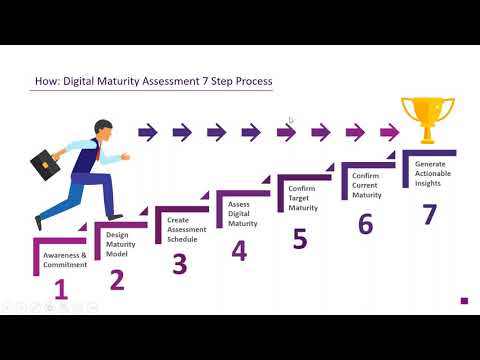
Implementing digital maturity assessment requires a step-by-step approach that includes establishing a clear Vision and Strategy, engaging Stakeholders across the organization, and leveraging Data Analytics to inform decision-making. As highlighted in Digital Maturity Implementation, organizations must develop a comprehensive roadmap for digital transformation that addresses the unique needs and challenges of their organization. Furthermore, Digital Maturity Roadmap provides a structured approach to implementing digital maturity initiatives and achieving desired outcomes.
📊 Common Challenges and Solutions
Common challenges faced by organizations during digital maturity assessment include Lack of Resources, Insufficient Skills, and Cultural Resistance. To overcome these challenges, organizations must develop a comprehensive Digital Transformation Strategy that addresses these barriers and provides a clear roadmap for success. By leveraging Digital Maturity Tools and Best Practices, organizations can navigate the complexities of digital transformation and achieve their desired outcomes. Moreover, Change Management plays a vital role in ensuring the successful implementation of digital maturity initiatives.
Key Facts
- Year
- 2020
- Origin
- MIT's Center for Information Systems Research (CISR)
- Category
- Digital Transformation
- Type
- Concept
Frequently Asked Questions
What is digital maturity assessment?
Digital maturity assessment is a process that enables organizations to evaluate their digital capabilities and identify areas for improvement. It provides a comprehensive overview of an organization's digital strengths and weaknesses, allowing for informed decision-making and strategic planning. By leveraging digital maturity models and frameworks, organizations can develop a tailored approach to digital transformation. Furthermore, digital transformation strategy plays a vital role in guiding the assessment process and ensuring its success. As noted in Digital Maturity Assessment, a well-planned assessment can facilitate innovation and growth.
What are the benefits of digital maturity assessment?
The benefits of digital maturity assessment include improved operational efficiency, enhanced customer engagement, and increased competitive advantage. By conducting a thorough assessment, organizations can identify areas where they can streamline processes, reduce costs, and improve overall performance. As highlighted in Digital Maturity Benefits, a well-planned assessment can also facilitate innovation and growth. Additionally, digital maturity framework provides a structured approach to assessing digital maturity and developing a tailored roadmap for improvement.
How do I conduct a digital maturity assessment?
Conducting a digital maturity assessment requires a structured framework that evaluates an organization's digital capabilities across various dimensions, including technology, processes, and people. A widely used framework is the digital maturity model, which provides a comprehensive assessment of an organization's digital strengths and weaknesses. By using this framework, organizations can identify areas for improvement and develop a tailored roadmap for digital transformation. Moreover, digital maturity assessment tools can facilitate the assessment process and provide valuable insights into an organization's digital capabilities.
What are the common challenges faced by organizations during digital maturity assessment?
Common challenges faced by organizations during digital maturity assessment include lack of resources, insufficient skills, and cultural resistance. To overcome these challenges, organizations must develop a comprehensive digital transformation strategy that addresses these barriers and provides a clear roadmap for success. By leveraging digital maturity tools and best practices, organizations can navigate the complexities of digital transformation and achieve their desired outcomes. Furthermore, change management plays a vital role in ensuring the successful implementation of digital maturity initiatives.
How do I measure the success of digital maturity assessment?
Measuring the success of digital maturity assessment requires the use of key performance indicators (KPIs) that track progress across various dimensions, including revenue growth, customer acquisition, and employee engagement. As discussed in Digital Maturity KPIs, organizations must establish a comprehensive set of metrics that provide insights into the effectiveness of their digital transformation initiatives. Furthermore, digital maturity dashboard can provide a centralized platform for tracking KPIs and monitoring progress towards digital maturity.
What is the future of digital maturity assessment?
The future of digital maturity assessment is likely to be shaped by emerging technologies, such as artificial intelligence and blockchain, which will enable organizations to develop more sophisticated and dynamic digital maturity frameworks. As noted in Digital Maturity Future, organizations must stay ahead of the curve and continuously adapt to the evolving digital landscape to remain competitive. Moreover, digital maturity trends will play a critical role in shaping the future of digital transformation and digital maturity assessment.
How do I implement digital maturity assessment in my organization?
Implementing digital maturity assessment requires a step-by-step approach that includes establishing a clear vision and strategy, engaging stakeholders across the organization, and leveraging data analytics to inform decision-making. As highlighted in Digital Maturity Implementation, organizations must develop a comprehensive roadmap for digital transformation that addresses the unique needs and challenges of their organization. Furthermore, digital maturity roadmap provides a structured approach to implementing digital maturity initiatives and achieving desired outcomes.