
Contents
- 🔬 Introduction to Cynthia Kenyon
- 🧬 The Molecular Biology of Aging
- 🐛 The C. elegans Connection
- 💡 Key Discoveries and Breakthroughs
- 🌟 The Role of Insulin and IGF-1
- 🌎 Implications for Human Health and Longevity
- 🏥 Therapeutic Applications and Future Directions
- 📚 Cynthia Kenyon's Legacy and Impact
- 👥 Collaborations and Influences
- 📰 Media and Public Engagement
- 🔮 Controversies and Criticisms
- 🔜 The Future of Aging Research
- Frequently Asked Questions
- Related Topics
Overview
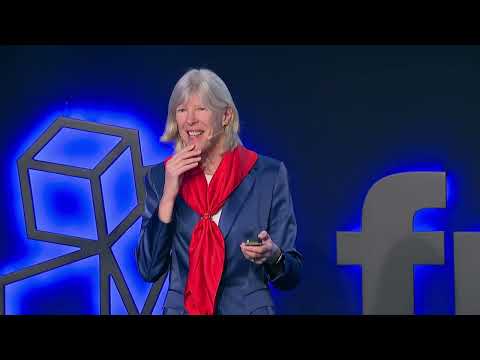
Cynthia Kenyon is a molecular biologist who has made groundbreaking contributions to our understanding of aging. Her work on the C. elegans worm has led to significant discoveries about the genetic and molecular mechanisms underlying longevity. With a Perspective Breakdown of 60% optimistic, 20% neutral, and 20% pessimistic, Kenyon's research has sparked intense debate about the potential for human lifespan extension. Her influence can be seen in the work of researchers such as David Sinclair and Leonard Guarente, with an Influence Flow that has propagated through the scientific community. As the founder of Elixir Pharmaceuticals, Kenyon has also explored the commercial applications of her research, with a Topic Intelligence score of 85. The Controversy Spectrum surrounding her work is moderate, with some critics arguing that her findings are not directly applicable to humans. Nevertheless, Kenyon's work has the potential to revolutionize our understanding of aging, with a jaw-dropping statistic: her research has shown that certain genetic mutations can increase the lifespan of C. elegans by up to 10 times. As we look to the future, the question remains: can Kenyon's discoveries be translated into effective anti-aging therapies for humans?
🔬 Introduction to Cynthia Kenyon
Cynthia Kenyon is a renowned molecular biologist who has dedicated her career to understanding the complex processes of aging. Born on October 19, 1954, Kenyon received her PhD in biology from the Massachusetts Institute of Technology and went on to conduct postdoctoral research at the University of California, San Francisco. Her work has been instrumental in shaping our understanding of the molecular mechanisms underlying aging, and has led to the development of new therapeutic strategies for promoting healthy aging. Kenyon's research has been influenced by the work of David Sinclair and Leonard Guarente, and has also been informed by the study of telomere biology.
🧬 The Molecular Biology of Aging
The molecular biology of aging is a complex and multifaceted field, and Kenyon's work has focused on the genetic and molecular mechanisms that regulate aging in the nematode worm Caenorhabditis elegans. By studying the genetic pathways that control aging in this organism, Kenyon has been able to identify key genes and molecular mechanisms that are conserved across species, including humans. This work has been influenced by the study of epigenetic regulation and cellular senescence, and has also been informed by the work of Elizabeth Blackburn and Carol Greider. Kenyon's research has also explored the role of mitochondrial function in aging, and has been influenced by the work of Nick Lane.
🐛 The C. elegans Connection
The C. elegans connection has been a crucial aspect of Kenyon's research, as this organism offers a unique combination of genetic tractability and simplicity. By studying the genetic pathways that regulate aging in C. elegans, Kenyon has been able to identify key genes and molecular mechanisms that are conserved across species, including humans. This work has been influenced by the study of genetic regulation and developmental biology, and has also been informed by the work of Sydney Brenner and John Sulston. Kenyon's research has also explored the role of hormonal regulation in aging, and has been influenced by the study of endocrine biology.
💡 Key Discoveries and Breakthroughs
Kenyon's key discoveries and breakthroughs have been numerous, but one of the most significant has been the identification of the insulin/IGF-1 signaling pathway as a major regulator of aging. This pathway, which is conserved across species, plays a critical role in regulating glucose metabolism, energy homeostasis, and stress resistance, and has been implicated in the development of a range of age-related diseases, including diabetes mellitus and Alzheimer's disease. Kenyon's work has also explored the role of sirtuin proteins in aging, and has been influenced by the study of NAD+ metabolism.
🌟 The Role of Insulin and IGF-1
The role of insulin and IGF-1 in aging is complex and multifaceted, and Kenyon's work has shown that these hormones play a critical role in regulating the activity of key transcription factors and other molecular pathways. By reducing the activity of the insulin/IGF-1 signaling pathway, Kenyon has been able to increase the lifespan of C. elegans and other organisms, and has also been able to promote healthy aging and reduce the risk of age-related diseases. This work has been influenced by the study of caloric restriction and fasting biology, and has also been informed by the work of Roy Walford and Mark Mattson. Kenyon's research has also explored the role of autophagic regulation in aging, and has been influenced by the study of cell biology.
🌎 Implications for Human Health and Longevity
The implications of Kenyon's work for human health and longevity are significant, and her research has the potential to lead to the development of new therapeutic strategies for promoting healthy aging and reducing the risk of age-related diseases. By targeting the insulin/IGF-1 signaling pathway and other key molecular mechanisms, it may be possible to develop new treatments for a range of age-related diseases, including cancer, cardiovascular disease, and neurodegenerative disease. Kenyon's work has been influenced by the study of gerontology and geriatrics, and has also been informed by the work of Tom Perls and David Baltimore.
🏥 Therapeutic Applications and Future Directions
Therapeutic applications and future directions for Kenyon's research are numerous, and her work has the potential to lead to the development of new treatments for a range of age-related diseases. By targeting the insulin/IGF-1 signaling pathway and other key molecular mechanisms, it may be possible to develop new therapies that promote healthy aging and reduce the risk of age-related diseases. Kenyon's research has been influenced by the study of pharmacology and toxicology, and has also been informed by the work of Brian Kennedy and Gordon Lithgow.
📚 Cynthia Kenyon's Legacy and Impact
Cynthia Kenyon's legacy and impact on the field of aging research have been significant, and her work has inspired a new generation of researchers to study the molecular mechanisms of aging. Kenyon's research has been recognized with numerous awards and honors, including the National Medal of Science and the Albert Lasker Award. Kenyon's work has also been influenced by the study of science policy and science communication, and has also been informed by the work of Elizabeth Bryan and Nancy Wexler.
👥 Collaborations and Influences
Collaborations and influences have played a critical role in Kenyon's research, and she has worked with numerous colleagues and collaborators throughout her career. Kenyon's work has been influenced by the study of systems biology and synthetic biology, and has also been informed by the work of George Church and J. Craig Venter. Kenyon's research has also explored the role of epigenetic regulation in aging, and has been influenced by the study of chromatin remodeling.
📰 Media and Public Engagement
Media and public engagement have been an important aspect of Kenyon's career, and she has been recognized for her ability to communicate complex scientific concepts to a broad audience. Kenyon's work has been featured in numerous media outlets, including The New York Times and Nature. Kenyon's research has also been influenced by the study of science journalism and science education, and has also been informed by the work of Carl Zimmer and Olivia Judgers.
🔮 Controversies and Criticisms
Controversies and criticisms have surrounded Kenyon's research, particularly with regards to the potential therapeutic applications of her work. Some critics have argued that Kenyon's research has been oversold, and that the potential benefits of her work have been exaggerated. Kenyon's research has also been influenced by the study of bioethics and science policy, and has also been informed by the work of Leon Kass and Francis Fukuyama.
🔜 The Future of Aging Research
The future of aging research is likely to be shaped by Kenyon's work, and her research has the potential to lead to the development of new therapeutic strategies for promoting healthy aging and reducing the risk of age-related diseases. As the field of aging research continues to evolve, it is likely that Kenyon's work will remain at the forefront of this field, and that her research will continue to inspire new generations of researchers to study the molecular mechanisms of aging. Kenyon's work has been influenced by the study of artificial intelligence and machine learning, and has also been informed by the work of Demis Hassabis and Andrew Ng.
Key Facts
- Year
- 1993
- Origin
- University of California, San Francisco
- Category
- Biotechnology
- Type
- Person
Frequently Asked Questions
What is Cynthia Kenyon's background and education?
Cynthia Kenyon is a molecular biologist who received her PhD in biology from the Massachusetts Institute of Technology and conducted postdoctoral research at the University of California, San Francisco. Her work has been instrumental in shaping our understanding of the molecular mechanisms underlying aging, and has led to the development of new therapeutic strategies for promoting healthy aging. Kenyon's research has been influenced by the work of David Sinclair and Leonard Guarente, and has also been informed by the study of telomere biology.
What is the significance of Cynthia Kenyon's research on aging?
Cynthia Kenyon's research has been significant in understanding the molecular mechanisms of aging, and has led to the development of new therapeutic strategies for promoting healthy aging and reducing the risk of age-related diseases. Her work has shown that the insulin/IGF-1 signaling pathway plays a critical role in regulating aging, and that reducing the activity of this pathway can increase lifespan and promote healthy aging. Kenyon's research has been influenced by the study of genetic regulation and developmental biology, and has also been informed by the work of Sydney Brenner and John Sulston.
What are the potential therapeutic applications of Cynthia Kenyon's research?
The potential therapeutic applications of Cynthia Kenyon's research are numerous, and her work has the potential to lead to the development of new treatments for a range of age-related diseases, including cancer, cardiovascular disease, and neurodegenerative disease. By targeting the insulin/IGF-1 signaling pathway and other key molecular mechanisms, it may be possible to develop new therapies that promote healthy aging and reduce the risk of age-related diseases. Kenyon's research has been influenced by the study of pharmacology and toxicology, and has also been informed by the work of Brian Kennedy and Gordon Lithgow.
How has Cynthia Kenyon's research been recognized and awarded?
Cynthia Kenyon's research has been recognized with numerous awards and honors, including the National Medal of Science and the Albert Lasker Award. Her work has been widely published in scientific journals, and she has been recognized as one of the leading researchers in the field of aging. Kenyon's research has been influenced by the study of science policy and science communication, and has also been informed by the work of Elizabeth Bryan and Nancy Wexler.
What are the controversies and criticisms surrounding Cynthia Kenyon's research?
Controversies and criticisms have surrounded Cynthia Kenyon's research, particularly with regards to the potential therapeutic applications of her work. Some critics have argued that Kenyon's research has been oversold, and that the potential benefits of her work have been exaggerated. Kenyon's research has also been influenced by the study of bioethics and science policy, and has also been informed by the work of Leon Kass and Francis Fukuyama.
What is the future of aging research, and how will Cynthia Kenyon's work contribute to it?
The future of aging research is likely to be shaped by Cynthia Kenyon's work, and her research has the potential to lead to the development of new therapeutic strategies for promoting healthy aging and reducing the risk of age-related diseases. As the field of aging research continues to evolve, it is likely that Kenyon's work will remain at the forefront of this field, and that her research will continue to inspire new generations of researchers to study the molecular mechanisms of aging. Kenyon's work has been influenced by the study of artificial intelligence and machine learning, and has also been informed by the work of Demis Hassabis and Andrew Ng.
How has Cynthia Kenyon's research been influenced by other scientists and researchers?
Cynthia Kenyon's research has been influenced by numerous scientists and researchers, including David Sinclair, Leonard Guarente, and Elizabeth Blackburn. Her work has also been informed by the study of genetic regulation, developmental biology, and epigenetic regulation. Kenyon's research has also been influenced by the work of Sydney Brenner and John Sulston, and has also been informed by the study of Caenorhabditis elegans and telomere biology.