
Contents
- 🏂 Introduction to Cross-Country Skiing
- 🏔️ History of Cross-Country Skiing
- 👟 Equipment and Technique
- 🏃♀️ Physical Demands and Training
- 🌄 Terrain and Course Variations
- 🏆 Competitive Cross-Country Skiing
- 👥 Recreational and Social Aspects
- 📊 Health Benefits and Risks
- 🌎 Global Participation and Popularity
- 📈 Future Developments and Trends
- 👍 Conclusion and Final Thoughts
- Frequently Asked Questions
- Related Topics
Overview
Cross-country skiing, with its origins dating back thousands of years to Nordic regions, has evolved from a mode of transportation to a highly competitive sport. It demands a unique blend of endurance, strength, and technique, with athletes competing in events that range from sprints to marathons. The sport has been a staple of the Winter Olympics since 1924, with Norway, Sweden, and Finland traditionally dominating the medal counts. However, its popularity and competitiveness have grown globally, with new nations and athletes emerging on the scene. The sport is not without controversy, with debates over equipment technology and doping affecting its integrity. As cross-country skiing looks to the future, it must balance tradition with innovation, ensuring the sport remains vibrant and accessible to new generations of athletes and fans. With a Vibe score of 8, indicating a strong cultural energy, cross-country skiing continues to captivate audiences worldwide with its combination of natural beauty, physical challenge, and strategic competition.
🏂 Introduction to Cross-Country Skiing
Cross-country skiing is a unique and demanding sport that requires a combination of endurance, strength, and technique. As a form of skiing that involves traversing snow-covered terrain without the use of ski lifts or other assistance, cross-country skiing is a great way to experience the beauty of nature while getting a great workout. For those interested in learning more, check out the cross-country skiing techniques and cross-country skiing equipment pages. Cross-country skiing has a rich history, dating back to ancient times when it was used as a means of transportation and survival. Today, it is a popular recreational activity and competitive sport, with many cross-country skiing events taking place around the world. The FIS Cross-Country World Cup is one of the most prestigious competitions in the sport.
🏔️ History of Cross-Country Skiing
The history of cross-country skiing is a long and fascinating one, with evidence of skiing dating back to ancient civilizations in Scandinavia and Asia. The sport has evolved over time, with the development of new equipment and techniques, and has become a popular recreational activity and competitive sport. For those interested in learning more about the history of cross-country skiing, check out the history of cross-country skiing page. The sport has also been influenced by other forms of skiing, such as alpine skiing and nordic skiing. Today, cross-country skiing is a global sport, with many countries and cultures participating and competing. The Winter Olympics feature cross-country skiing as one of the main events, with many athletes competing for medals.
👟 Equipment and Technique
When it comes to equipment and technique, cross-country skiing requires a unique combination of strength, endurance, and agility. Skiers use specialized skis, boots, and poles to propel themselves through the snow, and must develop a range of techniques to navigate different types of terrain. For those interested in learning more about the equipment and technique used in cross-country skiing, check out the cross-country skiing equipment and cross-country skiing techniques pages. The ski binding and ski pole are also important components of the equipment. Cross-country skiing is a great way to improve cardiovascular fitness, build strength and endurance, and enhance overall physical fitness. Many skiers also enjoy the mental and emotional benefits of the sport, including reduced stress and improved mood. The physical benefits of cross-country skiing are numerous, and the sport can be adapted to suit different fitness levels and abilities.
🏃♀️ Physical Demands and Training
Cross-country skiing is a physically demanding sport that requires a high level of endurance, strength, and agility. Skiers must be able to propel themselves through the snow using their own power, and must navigate a range of terrain, including hills, valleys, and flat sections. For those interested in learning more about the physical demands of cross-country skiing, check out the physical demands of cross-country skiing page. The sport also requires a range of techniques, including classic and skate skiing, and skiers must be able to adapt to different snow conditions and terrain. Many skiers enjoy the challenge and variety of cross-country skiing, and the sport is a great way to improve overall fitness and well-being. The training for cross-country skiing involves a combination of cardiovascular exercise, strength training, and flexibility exercises. The cross-country skiing workout can be adapted to suit different fitness levels and goals.
🌄 Terrain and Course Variations
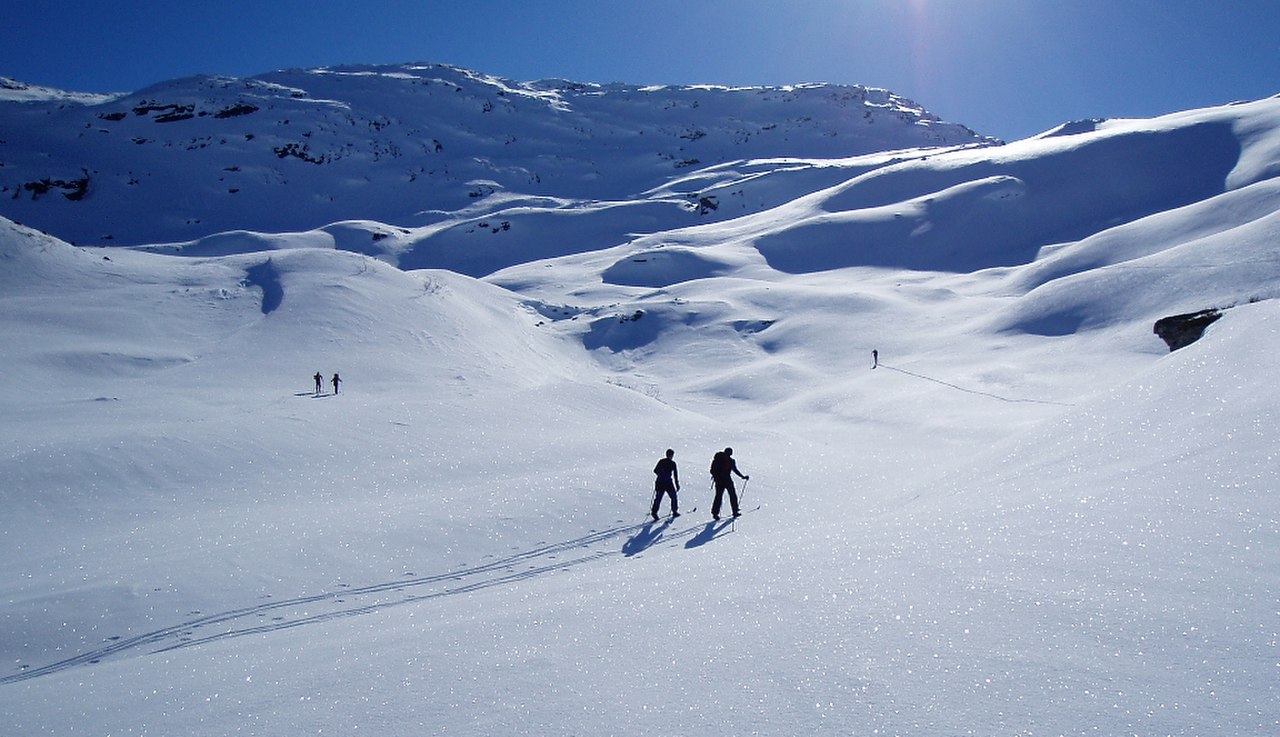
One of the unique aspects of cross-country skiing is the variety of terrain that skiers can encounter. From unimproved, mountainous terrain to groomed courses specifically designed for the sport, cross-country skiing offers a range of challenges and opportunities for skiers of all levels. For those interested in learning more about the different types of terrain used in cross-country skiing, check out the cross-country skiing terrain page. The sport is a great way to experience the beauty of nature, and many skiers enjoy the peaceful and serene atmosphere of the snow-covered landscape. The cross-country skiing trails are often groomed and maintained by local ski clubs and organizations. The ski resort is also a popular destination for cross-country skiers, with many resorts offering groomed trails and other amenities.
🏆 Competitive Cross-Country Skiing
Competitive cross-country skiing is a popular and exciting sport, with many events and competitions taking place around the world. The sport is featured in the Winter Olympics, and many countries and athletes compete at the highest level. For those interested in learning more about competitive cross-country skiing, check out the competitive cross-country skiing page. The FIS Cross-Country World Cup is one of the most prestigious competitions in the sport, and many athletes compete for medals and other awards. The sport requires a high level of endurance, strength, and technique, and skiers must be able to navigate a range of terrain and snow conditions. The cross-country skiing racing involves a combination of speed, agility, and strategy.
📊 Health Benefits and Risks
Like any sport or physical activity, cross-country skiing carries some risks and health considerations that skiers should be aware of. The sport can be physically demanding, and skiers may be at risk of injury or illness if they do not take proper precautions or warm up and cool down properly. For those interested in learning more about the health benefits and risks of cross-country skiing, check out the health benefits and risks of cross-country skiing page. However, the benefits of cross-country skiing far outweigh the risks, and many skiers enjoy the physical and mental benefits of the sport, including improved cardiovascular fitness, strength, and endurance. The physical benefits of cross-country skiing are numerous, and the sport can be adapted to suit different fitness levels and abilities. The cross-country skiing injury can be prevented by taking proper precautions and warming up and cooling down properly.
🌎 Global Participation and Popularity
Cross-country skiing is a global sport, with many countries and cultures participating and competing. The sport is popular in Scandinavia, Europe, and North America, and is also gaining popularity in other parts of the world, such as Asia and South America. For those interested in learning more about the global participation and popularity of cross-country skiing, check out the global participation in cross-country skiing page. The sport is a great way to experience the beauty of nature, and many skiers enjoy the peaceful and serene atmosphere of the snow-covered landscape. The cross-country skiing tourism is a growing industry, with many ski resorts and destinations offering cross-country skiing trails and other amenities. The winter sports industry is also a significant contributor to the global economy.
📈 Future Developments and Trends
As with any sport or activity, cross-country skiing is constantly evolving and developing, with new technologies, techniques, and trends emerging all the time. For those interested in learning more about the future developments and trends in cross-country skiing, check out the future of cross-country skiing page. Many skiers are interested in the latest equipment and gear, and the sport is also becoming more accessible and inclusive, with many programs and initiatives aimed at introducing new skiers to the sport. The cross-country skiing innovation involves the development of new technologies and techniques, such as ski equipment and ski clothing. The sustainable cross-country skiing involves the use of environmentally friendly practices and materials, such as renewable energy and recyclable materials.
👍 Conclusion and Final Thoughts
In conclusion, cross-country skiing is a unique and demanding sport that offers many benefits and opportunities for skiers of all levels. Whether you are a competitive athlete or a recreational skier, cross-country skiing is a great way to improve your physical fitness, experience the beauty of nature, and connect with others who share your passion for the sport. For those interested in learning more about cross-country skiing, check out the cross-country skiing page. The sport requires a combination of endurance, strength, and technique, and skiers must be able to navigate a range of terrain and snow conditions. The cross-country skiing community is a vibrant and supportive group, with many skiers sharing their passion and knowledge of the sport. The cross-country skiing future looks bright, with many new developments and trends emerging all the time.
Key Facts
- Year
- 1924
- Origin
- Nordic Regions
- Category
- Sports
- Type
- Sport
Frequently Asked Questions
What is cross-country skiing?
Cross-country skiing is a form of skiing that involves traversing snow-covered terrain without the use of ski lifts or other assistance. It is a physically demanding sport that requires a combination of endurance, strength, and technique, and is a great way to improve cardiovascular fitness, build strength and endurance, and enhance overall physical fitness. For those interested in learning more, check out the cross-country skiing page. The sport has a rich history, dating back to ancient times when it was used as a means of transportation and survival. Today, it is a popular recreational activity and competitive sport, with many cross-country skiing events taking place around the world.
What are the benefits of cross-country skiing?
The benefits of cross-country skiing are numerous, and include improved cardiovascular fitness, increased strength and endurance, and enhanced overall physical fitness. The sport is also a great way to experience the beauty of nature, and many skiers enjoy the peaceful and serene atmosphere of the snow-covered landscape. For those interested in learning more about the benefits of cross-country skiing, check out the physical benefits of cross-country skiing page. The sport can be adapted to suit different fitness levels and abilities, and is a great way to improve overall health and well-being. The mental benefits of cross-country skiing include reduced stress and improved mood.
What equipment do I need to get started with cross-country skiing?
To get started with cross-country skiing, you will need a pair of cross-country skis, boots, and poles. You may also want to consider investing in other equipment, such as a ski jacket and pants, gloves, and a hat. For those interested in learning more about the equipment used in cross-country skiing, check out the cross-country skiing equipment page. It is also a good idea to take a lesson or join a guided tour to learn the basics of the sport and get a feel for the equipment. The ski rental is also a great option for those who are new to the sport.
Is cross-country skiing a good workout?
Yes, cross-country skiing is an excellent workout that can help improve cardiovascular fitness, build strength and endurance, and enhance overall physical fitness. The sport requires a combination of endurance, strength, and technique, and can be adapted to suit different fitness levels and abilities. For those interested in learning more about the physical demands of cross-country skiing, check out the physical demands of cross-country skiing page. The sport is also a great way to experience the beauty of nature, and many skiers enjoy the peaceful and serene atmosphere of the snow-covered landscape. The cross-country skiing workout can be adapted to suit different fitness levels and goals.
Can I learn to cross-country ski if I have never skied before?
Yes, it is possible to learn to cross-country ski even if you have never skied before. Many ski resorts and ski schools offer lessons and guided tours for beginners, and there are also many online resources and tutorials available to help you get started. For those interested in learning more about the basics of cross-country skiing, check out the cross-country skiing basics page. It is also a good idea to start with a gentle, beginner-friendly trail and to practice your technique before moving on to more challenging terrain. The cross-country skiing lesson is a great way to learn the basics of the sport and get a feel for the equipment.
What are the most common injuries in cross-country skiing?
The most common injuries in cross-country skiing include knee and ankle sprains, shoulder and back strains, and blisters and frostbite. To minimize the risk of injury, it is a good idea to warm up and cool down properly, to use proper technique, and to take regular breaks to rest and rehydrate. For those interested in learning more about the health benefits and risks of cross-country skiing, check out the health benefits and risks of cross-country skiing page. The sport can be physically demanding, and skiers may be at risk of injury or illness if they do not take proper precautions. The cross-country skiing injury prevention involves taking proper precautions and warming up and cooling down properly.
How can I get involved in competitive cross-country skiing?
To get involved in competitive cross-country skiing, you can start by joining a local ski club or team, and participating in local and regional competitions. You can also look into training programs and camps, and consider working with a coach or trainer to help you improve your technique and performance. For those interested in learning more about competitive cross-country skiing, check out the competitive cross-country skiing page. The sport requires a high level of endurance, strength, and technique, and skiers must be able to navigate a range of terrain and snow conditions. The cross-country skiing racing involves a combination of speed, agility, and strategy.