
Contents
- 🎵 Origins & History
- ⚙️ How It Works
- 📊 Key Facts & Numbers
- 👥 Key People & Organizations
- 🌍 Cultural Impact & Influence
- ⚡ Current State & Latest Developments
- 🤔 Controversies & Debates
- 🔮 Future Outlook & Predictions
- 💡 Practical Applications
- 📚 Related Topics & Deeper Reading
- Frequently Asked Questions
- References
- Related Topics
Overview
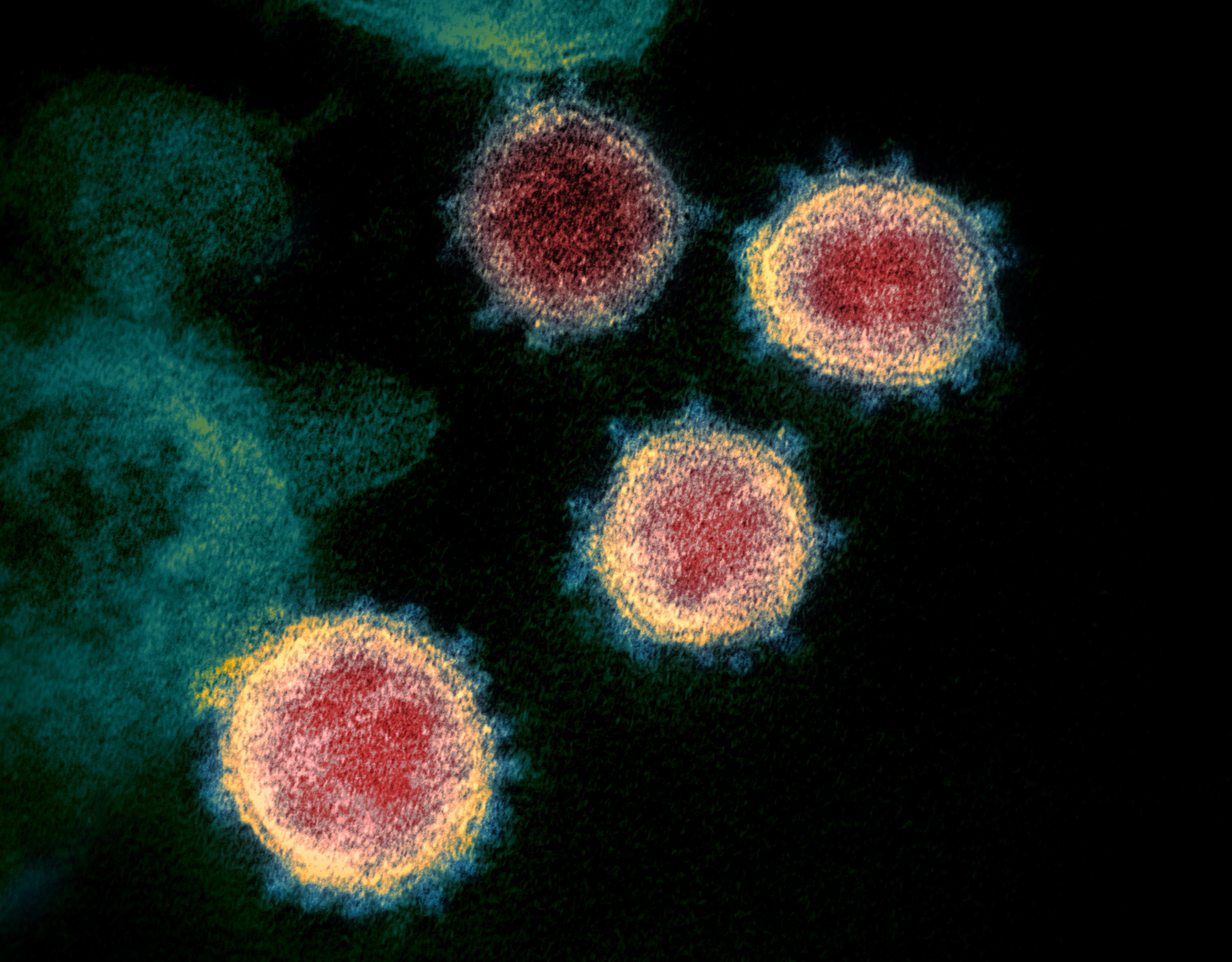
SARS-CoV-2, previously known as 2019 novel coronavirus (2019-nCoV), is a contagious coronavirus that causes COVID-19, a respiratory illness responsible for the COVID-19 pandemic. First identified in Wuhan, China in late 2019, the virus has spread globally, infecting over 700 million people and causing over 6.9 million deaths as of 2023. The World Health Organization (WHO) designated the outbreak a public health emergency of international concern from January 30, 2020, to May 5, 2023. SARS-CoV-2 is a positive-sense single-stranded RNA virus, closely related to bat coronaviruses, and its genetic similarity to the BANAL-52 bat coronavirus suggests a zoonotic origin. The virus has undergone significant mutations, resulting in various variants, including the Alpha, Beta, Gamma, and Omicron variants, which have impacted the effectiveness of vaccines and treatments. Understanding SARS-CoV-2 is crucial for developing effective public health strategies to mitigate the spread of COVID-19 and prevent future pandemics.
🎵 Origins & History
SARS-CoV-2 was first identified in Wuhan, China in December 2019, with the first reported cases occurring in the Huanan Seafood Market. The virus was initially referred to as 2019 novel coronavirus (2019-nCoV) before being officially named SARS-CoV-2 by the World Health Organization (WHO) on February 11, 2020. The WHO designated the outbreak a public health emergency of international concern on January 30, 2020, and it was later declared a pandemic on March 11, 2020. World Health Organization played a crucial role in coordinating the global response to the pandemic, while Centers for Disease Control and Prevention and World Health Organization provided critical guidance on infection control and prevention.
⚙️ How It Works
SARS-CoV-2 is a positive-sense single-stranded RNA virus that belongs to the species Betacoronavirus pandemicum (SARSr-CoV). It is closely related to other coronaviruses, including SARS-CoV-1, which caused the 2002-2004 SARS outbreak, and the BANAL-52 bat coronavirus. The virus has a genome size of approximately 32 kilobases and contains 10 open reading frames. National Institutes of Health and Centers for Disease Control and Prevention have conducted extensive research on the virus, including its transmission, severity, and treatment options.
📊 Key Facts & Numbers
As of 2023, SARS-CoV-2 has infected over 700 million people and caused over 6.9 million deaths worldwide. The virus has spread to every region of the world, with the highest number of cases reported in the United States, Brazil, and India. The pandemic has had a significant impact on the global economy, with estimated losses of over $3.8 trillion. International Monetary Fund and World Health Organization have worked together to mitigate the economic impact of the pandemic.
👥 Key People & Organizations
Key people involved in the response to the pandemic include Tedros Adhanom Ghebreyesus, Director-General of the WHO, and Anthony Fauci, Director of the National Institute of Allergy and Infectious Diseases (NIAID). Organizations such as Centers for Disease Control and Prevention and World Health Organization have played critical roles in coordinating the global response to the pandemic. Gavi, the Vaccine Alliance and Coalition for Epidemic Preparedness Innovations have worked together to develop and distribute COVID-19 vaccines.
🌍 Cultural Impact & Influence
The pandemic has had a significant cultural impact, with many countries implementing lockdowns, mask mandates, and travel restrictions. The virus has also had a major impact on the economy, with many businesses forced to close or reduce operations. Google and Facebook have implemented measures to reduce the spread of misinformation about the virus, while Twitter has worked to promote accurate information and resources.
⚡ Current State & Latest Developments
As of 2023, the pandemic is ongoing, with new cases and deaths still being reported. The development of vaccines and treatments has been a major focus of research efforts, with several vaccines approved for emergency use. Pfizer and Moderna have developed effective vaccines, while Johnson & Johnson has also developed a vaccine. The pandemic has also highlighted the need for improved global coordination and preparedness for future pandemics.
🤔 Controversies & Debates
There are several controversies and debates surrounding SARS-CoV-2, including the origin of the virus, the effectiveness of masks and other preventive measures, and the impact of lockdowns on the economy. Some have also raised concerns about the potential for vaccine passports and other forms of surveillance. China has faced criticism for its handling of the pandemic, while United States has faced criticism for its slow response to the pandemic.
🔮 Future Outlook & Predictions
Looking to the future, it is likely that SARS-CoV-2 will continue to evolve and mutate, potentially leading to new variants and outbreaks. The development of effective vaccines and treatments will be critical in mitigating the impact of the pandemic. World Health Organization and Centers for Disease Control and Prevention will continue to play critical roles in coordinating the global response to the pandemic.
💡 Practical Applications
Practical applications of research on SARS-CoV-2 include the development of diagnostic tests, treatments, and vaccines. The pandemic has also highlighted the need for improved global coordination and preparedness for future pandemics. Gilead Sciences and Regeneron have developed effective treatments for COVID-19, while Centers for Disease Control and Prevention has developed guidelines for infection control and prevention.
Key Facts
- Year
- 2019
- Origin
- Wuhan, China
- Category
- public-health
- Type
- virus
Frequently Asked Questions
What is SARS-CoV-2?
SARS-CoV-2 is a coronavirus that causes COVID-19, a respiratory illness that has spread globally and caused millions of deaths. The virus was first identified in Wuhan, China in December 2019 and has since become a global pandemic. World Health Organization has played a critical role in coordinating the global response to the pandemic.
How is SARS-CoV-2 transmitted?
SARS-CoV-2 is primarily transmitted through respiratory droplets, such as those produced by coughing and sneezing. It can also be transmitted through contact with contaminated surfaces and through close contact with an infected person. Centers for Disease Control and Prevention has developed guidelines for infection control and prevention.
What are the symptoms of COVID-19?
The symptoms of COVID-19 can range from mild to severe and include fever, cough, shortness of breath, and fatigue. In severe cases, COVID-19 can cause pneumonia, acute respiratory distress syndrome, and even death. National Institutes of Health has conducted extensive research on the symptoms and treatment of COVID-19.
How can I protect myself from SARS-CoV-2?
To protect yourself from SARS-CoV-2, it is recommended to wear a mask, practice social distancing, and frequently wash your hands. It is also important to stay up to date on the latest information and guidelines from trusted health organizations such as the WHO and CDC. Google and Facebook have implemented measures to reduce the spread of misinformation about the virus.
What is the current state of the pandemic?
As of 2023, the pandemic is ongoing, with new cases and deaths still being reported. The development of vaccines and treatments has been a major focus of research efforts, with several vaccines approved for emergency use. Pfizer and Moderna have developed effective vaccines, while Johnson & Johnson has also developed a vaccine.
What is the future outlook for SARS-CoV-2?
Looking to the future, it is likely that SARS-CoV-2 will continue to evolve and mutate, potentially leading to new variants and outbreaks. The development of effective vaccines and treatments will be critical in mitigating the impact of the pandemic. World Health Organization and Centers for Disease Control and Prevention will continue to play critical roles in coordinating the global response to the pandemic.
What are the potential long-term effects of SARS-CoV-2?
The potential long-term effects of SARS-CoV-2 are not yet fully understood, but it is possible that the virus could have a lasting impact on global health and the economy. Harvard University and Stanford University have conducted extensive research on the long-term effects of the pandemic.