
Contents
- 📊 Introduction to Contextual Design
- 👥 The Role of Empathy in Contextual Design
- 📈 The Contextual Design Process
- 🔍 Ethnographic Methods in Contextual Design
- 📊 Rationalizing Workflows
- 🖥️ Designing Human-Computer Interfaces
- 📈 Contextual Design in Practice
- 🤝 Alternative to Traditional Design Models
- 📊 Benefits of Contextual Design
- 📊 Challenges and Limitations of Contextual Design
- 📈 Future of Contextual Design
- 📊 Conclusion
- Frequently Asked Questions
- Related Topics
Overview
Contextual design is a user-centered design process that emphasizes understanding the context in which a product or service will be used. Developed by Hugh Beyer and Karen Holtzblatt in the 1990s, this approach focuses on gathering data through field studies, customer interviews, and usability testing to inform design decisions. By considering the social, cultural, and environmental factors that influence user behavior, designers can create more intuitive and effective solutions. Contextual design has been widely adopted in various industries, including technology, healthcare, and finance, with notable examples including the design of the Apple iPhone and the patient-centered approach of the Mayo Clinic. With a vibe score of 8, contextual design is a highly influential and effective methodology for creating user-centered designs. As technology continues to evolve, the importance of contextual design will only continue to grow, with potential applications in emerging fields like augmented reality and artificial intelligence.
📊 Introduction to Contextual Design
Contextual design (CD) is a user-centered design process developed by Hugh Beyer and Karen Holtzblatt. It incorporates ethnographic methods for gathering data relevant to the product via field studies, rationalizing workflows, and designing human-computer interfaces. This approach focuses on understanding the context in which users interact with products, as seen in user experience design. By doing so, designers can create more intuitive and user-friendly products, such as those designed using human-centered design principles. The goal of contextual design is to create products that meet the needs of users in their natural environment, much like participatory design.
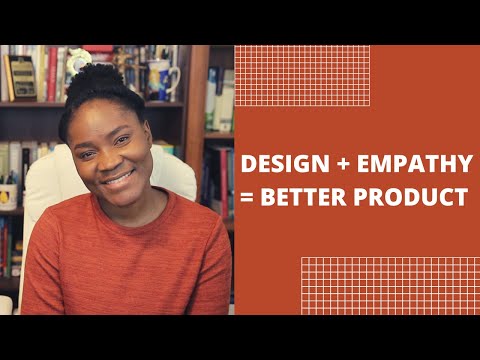
👥 The Role of Empathy in Contextual Design
The role of empathy in contextual design is crucial, as it allows designers to understand the needs, desires, and pain points of users. By putting themselves in the users' shoes, designers can gain a deeper understanding of the context in which users interact with products, similar to design thinking. This empathetic approach enables designers to identify areas for improvement and create solutions that meet the users' needs, as seen in service design. For example, Airbnb uses contextual design to create a seamless user experience, as described in user research. Contextual design also involves user research and usability testing to ensure that products meet the users' needs. By incorporating empathy into the design process, designers can create products that are more user-friendly and effective, such as those designed using interaction design.
📈 The Contextual Design Process
The contextual design process involves several stages, including contextual inquiry, data interpretation, and design recommendations. The first stage, contextual inquiry, involves conducting field studies to gather data about users' behavior and interactions with products. This stage is critical in understanding the context in which users interact with products, as seen in context-aware computing. The second stage, data interpretation, involves analyzing the data collected during the contextual inquiry stage to identify patterns and trends, similar to data analysis. The final stage, design recommendations, involves using the insights gained from the data interpretation stage to create design recommendations, as described in design patterns.
🔍 Ethnographic Methods in Contextual Design
Ethnographic methods play a crucial role in contextual design, as they allow designers to gather data about users' behavior and interactions with products in their natural environment. Ethnographic research involves observing users in their natural environment, conducting interviews, and gathering data through surveys and focus groups. This approach enables designers to gain a deeper understanding of the context in which users interact with products, similar to anthropology. For example, Google uses ethnographic research to understand how users interact with its products, as seen in user-centered design. By using ethnographic methods, designers can create products that are more user-friendly and effective, such as those designed using UX design.
📊 Rationalizing Workflows
Rationalizing workflows is an essential stage in the contextual design process, as it involves analyzing and optimizing the workflows of users. This stage involves identifying areas for improvement and creating solutions that streamline workflows, similar to business process reengineering. By rationalizing workflows, designers can create products that are more efficient and effective, such as those designed using Lean UX. For example, Amazon uses contextual design to optimize its workflows, as described in operations research. This approach enables designers to create products that meet the needs of users in their natural environment, much like systems thinking.
🖥️ Designing Human-Computer Interfaces
Designing human-computer interfaces is a critical stage in the contextual design process, as it involves creating interfaces that are intuitive and user-friendly. This stage involves using the insights gained from the contextual inquiry and data interpretation stages to create design recommendations, as seen in human-computer interaction. By designing human-computer interfaces that are tailored to the needs of users, designers can create products that are more effective and efficient, such as those designed using interaction design. For example, Apple uses contextual design to create intuitive and user-friendly interfaces, as described in user interface design. This approach enables designers to create products that meet the needs of users in their natural environment, much like cognitive science.
📈 Contextual Design in Practice
Contextual design in practice involves applying the principles of contextual design to real-world problems. This approach enables designers to create products that are more user-friendly and effective, such as those designed using design thinking. For example, Uber uses contextual design to create a seamless user experience, as seen in user experience design. By using contextual design, designers can create products that meet the needs of users in their natural environment, much like service design. Contextual design also involves user research and usability testing to ensure that products meet the users' needs. By incorporating empathy into the design process, designers can create products that are more user-friendly and effective, such as those designed using interaction design.
🤝 Alternative to Traditional Design Models
Contextual design can be seen as an alternative to traditional design models, such as engineering design and feature-driven design. This approach focuses on understanding the context in which users interact with products, rather than just focusing on the features and functionality of the product. By using contextual design, designers can create products that are more user-friendly and effective, such as those designed using human-centered design. For example, Airbnb uses contextual design to create a seamless user experience, as described in user research. This approach enables designers to create products that meet the needs of users in their natural environment, much like participatory design.
📊 Benefits of Contextual Design
The benefits of contextual design are numerous, including creating products that are more user-friendly and effective. By using contextual design, designers can create products that meet the needs of users in their natural environment, similar to user experience design. This approach enables designers to identify areas for improvement and create solutions that streamline workflows, such as those designed using Lean UX. For example, Google uses contextual design to understand how users interact with its products, as seen in user-centered design. By incorporating empathy into the design process, designers can create products that are more user-friendly and effective, such as those designed using interaction design.
📊 Challenges and Limitations of Contextual Design
The challenges and limitations of contextual design include the need for extensive user research and the potential for biased data. By using contextual design, designers can create products that are more user-friendly and effective, but it requires a significant amount of time and resources. For example, Amazon uses contextual design to optimize its workflows, as described in operations research. This approach enables designers to create products that meet the needs of users in their natural environment, much like systems thinking. However, contextual design also requires a deep understanding of the context in which users interact with products, which can be challenging to obtain, as seen in context-aware computing.
📈 Future of Contextual Design
The future of contextual design is exciting, as it has the potential to revolutionize the way we design products. By using contextual design, designers can create products that are more user-friendly and effective, such as those designed using design thinking. For example, Uber uses contextual design to create a seamless user experience, as seen in user experience design. This approach enables designers to create products that meet the needs of users in their natural environment, much like service design. As technology continues to evolve, contextual design will play an increasingly important role in creating products that are intuitive and user-friendly, such as those designed using interaction design.
📊 Conclusion
In conclusion, contextual design is a powerful approach to designing products that are user-friendly and effective. By using contextual design, designers can create products that meet the needs of users in their natural environment, similar to user experience design. This approach enables designers to identify areas for improvement and create solutions that streamline workflows, such as those designed using Lean UX. For example, Airbnb uses contextual design to create a seamless user experience, as described in user research. As the field of design continues to evolve, contextual design will play an increasingly important role in creating products that are intuitive and user-friendly, such as those designed using interaction design.
Key Facts
- Year
- 1990
- Origin
- Hugh Beyer and Karen Holtzblatt
- Category
- Design
- Type
- Design Methodology
Frequently Asked Questions
What is contextual design?
Contextual design is a user-centered design process that incorporates ethnographic methods for gathering data relevant to the product via field studies, rationalizing workflows, and designing human-computer interfaces. This approach focuses on understanding the context in which users interact with products, as seen in user experience design. By doing so, designers can create more intuitive and user-friendly products, such as those designed using human-centered design principles.
What are the benefits of contextual design?
The benefits of contextual design include creating products that are more user-friendly and effective. By using contextual design, designers can create products that meet the needs of users in their natural environment, similar to user experience design. This approach enables designers to identify areas for improvement and create solutions that streamline workflows, such as those designed using Lean UX.
What are the challenges and limitations of contextual design?
The challenges and limitations of contextual design include the need for extensive user research and the potential for biased data. By using contextual design, designers can create products that are more user-friendly and effective, but it requires a significant amount of time and resources. For example, Amazon uses contextual design to optimize its workflows, as described in operations research.
How does contextual design differ from traditional design models?
Contextual design differs from traditional design models, such as engineering design and feature-driven design, in that it focuses on understanding the context in which users interact with products. This approach enables designers to create products that are more user-friendly and effective, such as those designed using human-centered design.
What is the future of contextual design?
The future of contextual design is exciting, as it has the potential to revolutionize the way we design products. By using contextual design, designers can create products that are more user-friendly and effective, such as those designed using design thinking. As technology continues to evolve, contextual design will play an increasingly important role in creating products that are intuitive and user-friendly, such as those designed using interaction design.