
Contents
- 📈 Introduction to Consumer Products
- 🛍️ History of Consumer Goods
- 📊 The Rise of Mass Production
- 🚀 Post-War Consumerism
- 💻 The Digital Age of Consumer Products
- 📈 Globalization and Consumer Choice
- 👥 The Impact of Social Media on Consumer Behavior
- 📊 Contemporary Consumer Product Trends
- 🔍 Sustainability in Consumer Products
- 🤔 The Future of Consumer Products
- Frequently Asked Questions
- Related Topics
Overview
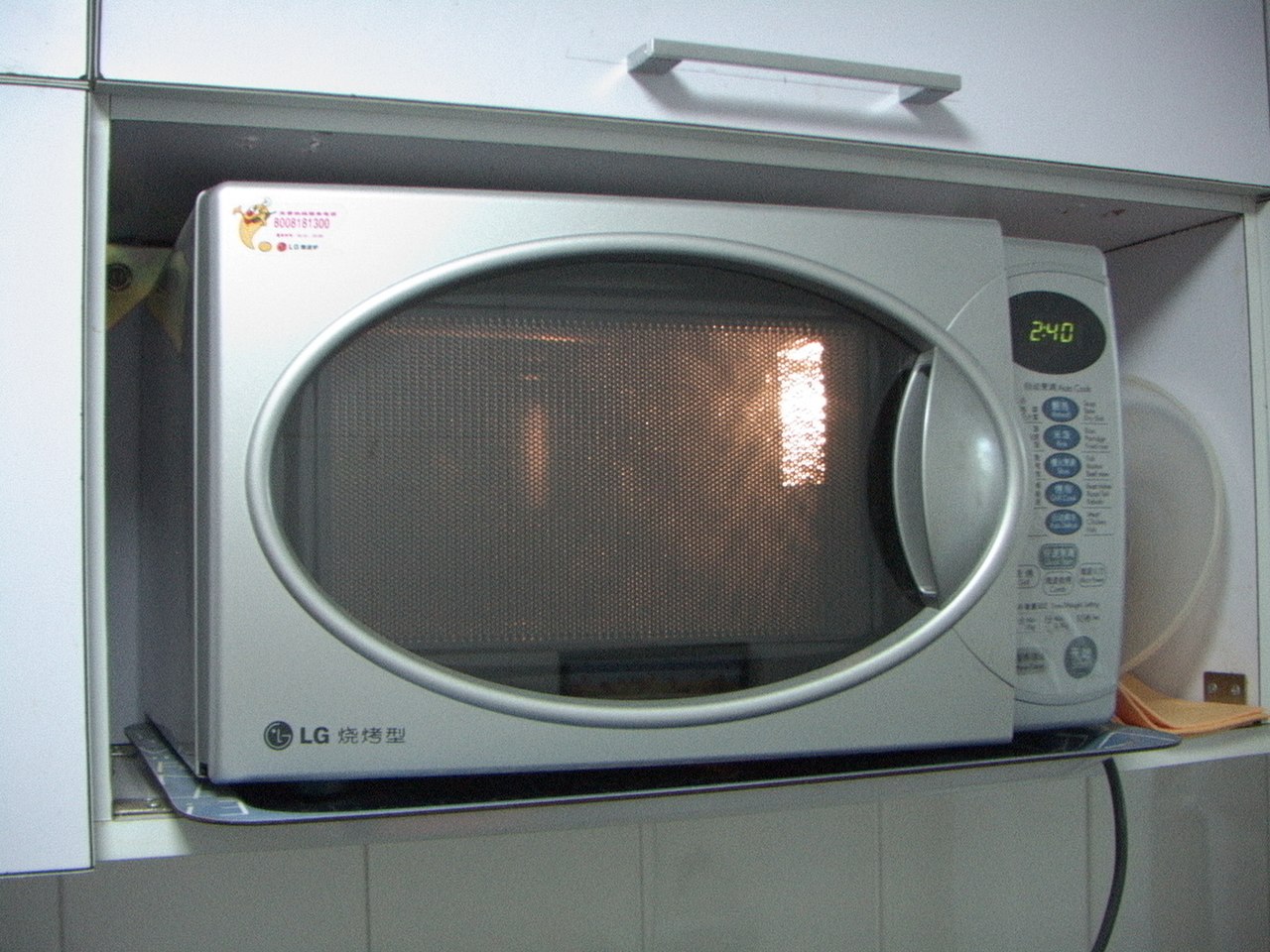
The evolution of consumer products has been a long and winding road, filled with innovations and disruptions that have transformed the way we live, work, and interact with one another. A consumer good is a final product ready for sale that is used by the consumer to satisfy current wants or needs, unlike an intermediate good, which is used to produce other goods. For instance, a microwave oven or a bicycle is a final good. The history of consumer products is closely tied to the development of mass production techniques, which enabled manufacturers to produce large quantities of goods at lower costs. As a result, consumer products became more affordable and accessible to the masses, leading to the growth of consumerism as we know it today. The impact of industrialization on consumer products cannot be overstated, as it paved the way for the creation of new industries and job opportunities. Furthermore, the rise of globalization has connected consumers and producers from around the world, creating a complex web of international trade and commerce.
🛍️ History of Consumer Goods
The history of consumer goods dates back to the early days of human civilization, when people first began to trade goods and services with one another. The development of agriculture and craftsmanship enabled the creation of surplus goods, which could be traded or sold to others. As societies grew and became more complex, the demand for consumer products increased, leading to the emergence of new industries and supply chains. The Industrial Revolution marked a significant turning point in the history of consumer products, as it introduced new manufacturing technologies and mass production techniques. The rise of department stores and mail-order catalogs further expanded consumer choice and convenience. Moreover, the growth of advertising and marketing played a crucial role in shaping consumer behavior and preferences. The influence of celebrity endorsements and influencer marketing on consumer purchasing decisions is a notable example of this phenomenon.
📊 The Rise of Mass Production
The rise of mass production in the late 19th and early 20th centuries revolutionized the consumer goods industry, enabling manufacturers to produce large quantities of goods at lower costs. The introduction of the assembly line and other manufacturing technologies increased efficiency and productivity, making it possible to produce a wide range of consumer products, from automobiles to household appliances. The growth of retail and wholesale industries further expanded consumer access to these products. As a result, consumer products became more affordable and accessible to the masses, leading to the growth of consumerism as we know it today. The impact of mass production on consumer products cannot be overstated, as it paved the way for the creation of new industries and job opportunities. Furthermore, the rise of globalization has connected consumers and producers from around the world, creating a complex web of international trade and commerce. The role of logistics and supply chain management in facilitating the flow of goods and services is a critical aspect of this process.
🚀 Post-War Consumerism
The post-war period saw a significant increase in consumer spending and the growth of consumer culture. The rise of suburbanization and the growth of the middle class created new markets for consumer products, from homes and furniture to appliances and electronics. The introduction of new technologies, such as television and credit cards, further expanded consumer choice and convenience. As a result, consumer products became an integral part of modern life, shaping our daily routines, social interactions, and cultural values. The influence of advertising and marketing on consumer behavior and preferences is a notable example of this phenomenon. Moreover, the growth of retail and e-commerce has transformed the way we shop and interact with consumer products. The impact of social media on consumer behavior and purchasing decisions is a significant aspect of this trend.
💻 The Digital Age of Consumer Products
The digital age has transformed the consumer products industry, enabling manufacturers to produce and distribute goods more efficiently and effectively. The rise of e-commerce and digital marketing has expanded consumer access to products and information, creating new opportunities for entrepreneurship and innovation. The growth of social media has also changed the way consumers interact with brands and products, creating new channels for customer service and feedback. As a result, consumer products have become more personalized, convenient, and accessible, shaping our daily lives and experiences. The impact of artificial intelligence and machine learning on consumer products is a significant aspect of this trend, as it enables manufacturers to create more intelligent and responsive products. Furthermore, the rise of Internet of Things (IoT) has connected consumer products to the internet, creating new opportunities for data analysis and product development.
📈 Globalization and Consumer Choice
Globalization has increased consumer choice and access to products from around the world. The growth of international trade and global supply chains has enabled manufacturers to source materials and labor from low-cost countries, reducing production costs and increasing efficiency. As a result, consumer products have become more affordable and accessible to consumers in developed and developing countries alike. However, globalization has also raised concerns about labor practices, environmental sustainability, and cultural homogenization. The impact of tariffs and trade wars on consumer products is a significant aspect of this trend, as it affects the prices and availability of goods. Moreover, the growth of sustainable consumption and eco-friendly products has transformed the way consumers think about and interact with consumer products. The role of certification labels and eco-labels in promoting sustainable consumption is a notable example of this phenomenon.
📊 Contemporary Consumer Product Trends
Contemporary consumer product trends reflect the changing values and preferences of consumers, from sustainability and eco-friendliness to personalization and convenience. The growth of direct-to-consumer brands and e-commerce has transformed the way consumers shop and interact with products, creating new opportunities for entrepreneurship and innovation. As a result, consumer products have become more diverse, accessible, and affordable, shaping our daily lives and experiences. The impact of artificial intelligence and machine learning on consumer products is a significant aspect of this trend, as it enables manufacturers to create more intelligent and responsive products. Moreover, the rise of Internet of Things (IoT) has connected consumer products to the internet, creating new opportunities for data analysis and product development.
🔍 Sustainability in Consumer Products
Sustainability has become a major concern in the consumer products industry, with consumers increasingly demanding eco-friendly products and sustainable practices. The growth of sustainable consumption and circular economy has transformed the way manufacturers design, produce, and distribute products, reducing waste and minimizing environmental impact. As a result, consumer products have become more environmentally friendly, with consumers able to make informed choices about the products they purchase and use. The impact of certification labels and eco-labels on sustainable consumption is a notable example of this phenomenon. Furthermore, the rise of sharing economy and product-as-a-service has transformed the way consumers think about and interact with consumer products, creating new opportunities for collaborative consumption and sustainable lifestyles.
🤔 The Future of Consumer Products
The future of consumer products will be shaped by technological innovations, changing consumer values, and environmental concerns. The growth of artificial intelligence, machine learning, and Internet of Things (IoT) will enable manufacturers to create more intelligent, responsive, and sustainable products. As a result, consumer products will become more personalized, convenient, and accessible, shaping our daily lives and experiences. The impact of 5G networks and edge computing on consumer products is a significant aspect of this trend, as it enables faster and more reliable data transmission and processing. Moreover, the rise of sustainable materials and circular economy will transform the way manufacturers design, produce, and distribute products, reducing waste and minimizing environmental impact.
Key Facts
- Year
- 2022
- Origin
- United States
- Category
- Business and Technology
- Type
- Industry
Frequently Asked Questions
What is a consumer good?
A consumer good is a final product ready for sale that is used by the consumer to satisfy current wants or needs. Examples of consumer goods include microwave ovens, bicycles, and household appliances. The production and distribution of consumer goods involve a complex network of supply chains and logistics. The impact of globalization on consumer goods is a significant aspect of this trend, as it has connected consumers and producers from around the world.
How has mass production impacted consumer products?
Mass production has enabled manufacturers to produce large quantities of goods at lower costs, making consumer products more affordable and accessible to the masses. The introduction of the assembly line and other manufacturing technologies increased efficiency and productivity, shaping the consumer goods industry as we know it today. The growth of retail and wholesale industries further expanded consumer access to these products. Moreover, the rise of e-commerce has transformed the way consumers shop and interact with consumer products.
What is the impact of social media on consumer behavior?
Social media has transformed the way consumers interact with brands and products, creating new channels for customer service, feedback, and influencer marketing. The growth of social media influencers has enabled brands to reach and engage with their target audiences more effectively, shaping consumer behavior and preferences. The impact of social media analytics on consumer products is a significant aspect of this trend, as it enables manufacturers to track and analyze consumer behavior and preferences.
How is sustainability impacting the consumer products industry?
Sustainability has become a major concern in the consumer products industry, with consumers increasingly demanding eco-friendly products and sustainable practices. The growth of sustainable consumption and circular economy has transformed the way manufacturers design, produce, and distribute products, reducing waste and minimizing environmental impact. The impact of certification labels and eco-labels on sustainable consumption is a notable example of this phenomenon.
What is the future of consumer products?
The future of consumer products will be shaped by technological innovations, changing consumer values, and environmental concerns. The growth of artificial intelligence, machine learning, and Internet of Things (IoT) will enable manufacturers to create more intelligent, responsive, and sustainable products. The impact of 5G networks and edge computing on consumer products is a significant aspect of this trend, as it enables faster and more reliable data transmission and processing.