
Contents
- 🔍 Introduction to Conflict Styles
- 💡 Understanding the Five Conflict Styles
- 📊 The Thomas-Kilmann Conflict Mode Instrument (TKI)
- 👥 Conflict Styles in Personal Relationships
- 📈 Conflict Styles in the Workplace
- 🤝 The Role of Emotional Intelligence in Conflict Resolution
- 🌎 Cultural Differences in Conflict Styles
- 📊 Measuring Conflict Styles with Vibe Scores
- 📚 The History of Conflict Styles Research
- 👀 Criticisms and Limitations of Conflict Styles
- 💻 Using Technology to Manage Conflict Styles
- 🔮 The Future of Conflict Styles Research
- Frequently Asked Questions
- Related Topics
Overview
Conflict styles refer to the distinct approaches individuals use to manage and resolve disputes. Research has identified several conflict styles, including avoidance, accommodation, competition, compromise, and collaboration. Each style has its strengths and weaknesses, and the most effective approach often depends on the context and parties involved. For instance, a study by Thomas and Kilmann (1974) found that managers who used a collaborative style were more effective in resolving conflicts than those who used a competitive style. The concept of conflict styles has been influenced by various thinkers, including Morton Deutsch, who introduced the concept of cooperative and competitive orientations. With a vibe score of 8, conflict styles are a widely discussed and debated topic, with a controversy spectrum of 6, reflecting the varying opinions on the most effective approaches. The entity type is a psychological concept, and the year of origin is 1974, when the Thomas-Kilmann Conflict Mode Instrument (TKI) was introduced. The origin of conflict styles can be traced back to the work of social psychologists such as Kurt Lewin, who studied group dynamics and conflict resolution in the 1940s and 1950s.
🔍 Introduction to Conflict Styles
Conflict styles refer to the patterns of behavior that individuals exhibit when engaging in disputes or disagreements. According to Social Psychology research, conflict styles can be influenced by various factors, including Personality Types, Emotional Intelligence, and Cultural Differences. The study of conflict styles is essential in understanding how individuals interact with each other in personal and professional settings. Researchers like Karen Thomas and Ralph Kilmann have made significant contributions to the field, including the development of the Thomas-Kilmann Conflict Mode Instrument (TKI).
💡 Understanding the Five Conflict Styles
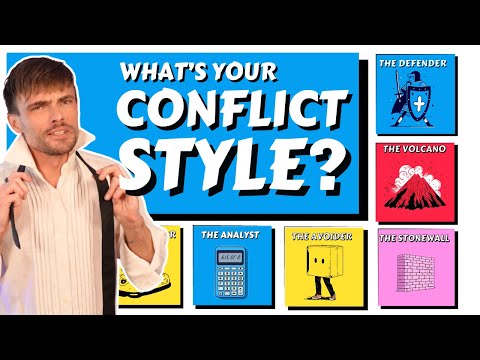
There are five primary conflict styles, including competing, collaborating, compromising, avoiding, and accommodating. Each style has its strengths and weaknesses, and individuals may exhibit different styles depending on the situation. For instance, a person may use a Competing style in a business negotiation but a Collaborating style in a personal relationship. Understanding these styles is crucial in developing effective Conflict Resolution strategies. The TKI is a widely used assessment tool that helps individuals identify their conflict style preferences. Additionally, researchers have explored the relationship between conflict styles and Vibe Scores, which measure the cultural energy of a particular topic or issue.
📊 The Thomas-Kilmann Conflict Mode Instrument (TKI)
The TKI is a self-report assessment tool that measures an individual's conflict style preferences. The instrument consists of 30 items, each representing a different conflict situation. Respondents are asked to choose the response that best describes their behavior in each situation. The TKI provides a comprehensive framework for understanding conflict styles and has been widely used in research and practice. The instrument has been applied in various contexts, including Workplace Conflict and Personal Relationships. Furthermore, the TKI has been linked to Emotional Intelligence, which plays a critical role in effective conflict resolution.
👥 Conflict Styles in Personal Relationships
Conflict styles can significantly impact personal relationships, including romantic relationships, friendships, and family relationships. Individuals with a Collaborating style tend to have more satisfying and stable relationships, while those with a Competing style may experience more conflict and relationship dissatisfaction. Understanding conflict styles can help individuals develop more effective Relationship Management strategies. Moreover, conflict styles can influence Communication Patterns in relationships, which can either exacerbate or mitigate conflicts. Researchers have also explored the relationship between conflict styles and Attachment Styles, which can affect relationship dynamics.
📈 Conflict Styles in the Workplace
Conflict styles are also essential in the workplace, where they can affect team performance, employee satisfaction, and organizational productivity. Managers and leaders can use conflict styles to manage conflicts and improve communication among team members. The TKI has been used in various organizational settings to promote Conflict Resolution and improve Team Effectiveness. Moreover, conflict styles can influence Organizational Culture, which can either support or hinder effective conflict resolution. Researchers have also explored the relationship between conflict styles and Leadership Styles, which can impact organizational performance.
🤝 The Role of Emotional Intelligence in Conflict Resolution
Emotional intelligence plays a critical role in conflict resolution, as it enables individuals to understand and manage their emotions, as well as those of others. Individuals with high Emotional Intelligence tend to be more effective in managing conflicts and developing positive relationships. The TKI can be used in conjunction with emotional intelligence assessments to provide a more comprehensive understanding of an individual's conflict style preferences. Furthermore, emotional intelligence can influence Conflict Escalation, which can lead to more severe and prolonged conflicts. Researchers have also explored the relationship between emotional intelligence and Vibe Scores, which can affect the cultural energy of a particular topic or issue.
🌎 Cultural Differences in Conflict Styles
Cultural differences can significantly impact conflict styles, as individuals from different cultures may exhibit different conflict style preferences. For instance, individuals from collectivist cultures may prefer a more Avoiding style, while those from individualist cultures may prefer a more Competing style. Understanding cultural differences in conflict styles is essential in developing effective Cross-Cultural Communication strategies. Moreover, cultural differences can influence Conflict Resolution strategies, which can either be effective or ineffective depending on the cultural context. Researchers have also explored the relationship between cultural differences and Attachment Styles, which can affect relationship dynamics.
📊 Measuring Conflict Styles with Vibe Scores
Vibe scores can be used to measure the cultural energy of a particular topic or issue, including conflict styles. The Vibe Score of a conflict style can indicate its level of cultural relevance and acceptance. For instance, a conflict style with a high Vibe Score may be more widely accepted and practiced, while one with a low Vibe Score may be less accepted. Understanding vibe scores can help individuals develop more effective Conflict Resolution strategies that take into account the cultural context. Furthermore, vibe scores can influence Communication Patterns, which can either exacerbate or mitigate conflicts.
📚 The History of Conflict Styles Research
The study of conflict styles has a long history, dating back to the early 20th century. Researchers like Kurt Lewin and Morton Deutsch made significant contributions to the field, including the development of the Conflict Escalation model. The TKI was developed in the 1970s and has since become a widely used assessment tool. Understanding the history of conflict styles research can provide valuable insights into the development of conflict resolution strategies. Moreover, the history of conflict styles research can inform Future Research directions, which can address emerging issues and challenges.
👀 Criticisms and Limitations of Conflict Styles
While the study of conflict styles has made significant contributions to our understanding of conflict resolution, it is not without its limitations and criticisms. Some researchers have argued that the TKI is too simplistic and does not capture the complexity of conflict styles. Others have criticized the instrument for being too culturally biased. Despite these limitations, the study of conflict styles remains an essential area of research, with significant implications for personal and professional relationships. Furthermore, criticisms of the TKI can inform Future Research directions, which can address emerging issues and challenges.
💻 Using Technology to Manage Conflict Styles
Technology can play a significant role in managing conflict styles, particularly in the workplace. Online conflict resolution platforms and tools can provide individuals with a safe and confidential space to manage conflicts and develop more effective conflict resolution strategies. The TKI can be administered online, providing individuals with instant feedback and recommendations for improving their conflict style preferences. Moreover, technology can facilitate Cross-Cultural Communication, which can help individuals develop more effective conflict resolution strategies that take into account cultural differences.
🔮 The Future of Conflict Styles Research
The future of conflict styles research is likely to involve the development of more advanced assessment tools and technologies. The use of Artificial Intelligence and Machine Learning can help researchers develop more sophisticated models of conflict styles and conflict resolution. Moreover, the integration of conflict styles research with other areas of study, such as Emotional Intelligence and Cultural Differences, can provide a more comprehensive understanding of conflict resolution. As conflict styles continue to evolve, researchers must stay ahead of the curve to develop effective strategies for managing conflicts in personal and professional settings.
Key Facts
- Year
- 1974
- Origin
- Social Psychology
- Category
- Social Psychology
- Type
- Psychological Concept
Frequently Asked Questions
What are the five primary conflict styles?
The five primary conflict styles are competing, collaborating, compromising, avoiding, and accommodating. Each style has its strengths and weaknesses, and individuals may exhibit different styles depending on the situation. Understanding these styles is crucial in developing effective conflict resolution strategies. The Thomas-Kilmann Conflict Mode Instrument (TKI) is a widely used assessment tool that helps individuals identify their conflict style preferences.
How does emotional intelligence affect conflict resolution?
Emotional intelligence plays a critical role in conflict resolution, as it enables individuals to understand and manage their emotions, as well as those of others. Individuals with high emotional intelligence tend to be more effective in managing conflicts and developing positive relationships. The TKI can be used in conjunction with emotional intelligence assessments to provide a more comprehensive understanding of an individual's conflict style preferences.
What is the Thomas-Kilmann Conflict Mode Instrument (TKI)?
The TKI is a self-report assessment tool that measures an individual's conflict style preferences. The instrument consists of 30 items, each representing a different conflict situation. Respondents are asked to choose the response that best describes their behavior in each situation. The TKI provides a comprehensive framework for understanding conflict styles and has been widely used in research and practice.
How do cultural differences impact conflict styles?
Cultural differences can significantly impact conflict styles, as individuals from different cultures may exhibit different conflict style preferences. For instance, individuals from collectivist cultures may prefer a more avoiding style, while those from individualist cultures may prefer a more competing style. Understanding cultural differences in conflict styles is essential in developing effective cross-cultural communication strategies.
What is the role of technology in managing conflict styles?
Technology can play a significant role in managing conflict styles, particularly in the workplace. Online conflict resolution platforms and tools can provide individuals with a safe and confidential space to manage conflicts and develop more effective conflict resolution strategies. The TKI can be administered online, providing individuals with instant feedback and recommendations for improving their conflict style preferences.
What is the future of conflict styles research?
The future of conflict styles research is likely to involve the development of more advanced assessment tools and technologies. The use of Artificial Intelligence and Machine Learning can help researchers develop more sophisticated models of conflict styles and conflict resolution. Moreover, the integration of conflict styles research with other areas of study, such as Emotional Intelligence and Cultural Differences, can provide a more comprehensive understanding of conflict resolution.
How can individuals develop more effective conflict resolution strategies?
Individuals can develop more effective conflict resolution strategies by understanding their conflict style preferences, developing emotional intelligence, and learning effective communication skills. The TKI can be used to identify an individual's conflict style preferences, and emotional intelligence assessments can provide a more comprehensive understanding of an individual's emotional abilities. Moreover, individuals can learn effective communication skills, such as active listening and assertiveness, to improve their conflict resolution abilities.