
Contents
- 📊 Introduction to TKI
- 👥 Understanding Conflict Modes
- 📝 Development of the TKI
- 🔍 Assessing Conflict Modes
- 📈 Benefits of Using TKI
- 🤝 Improving Conflict Resolution Skills
- 📊 TKI and Emotional Intelligence
- 🌐 Cross-Cultural Applications of TKI
- 📚 Criticisms and Limitations of TKI
- 🔮 Future Directions for TKI Research
- 📊 Best Practices for Implementing TKI
- Frequently Asked Questions
- Related Topics
Overview
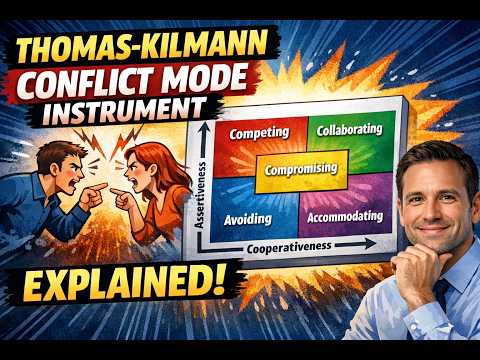
The Thomas-Kilmann Conflict Mode Instrument (TKI) is a widely used framework for understanding individual conflict resolution styles, developed by Kenneth Thomas and Ralph Kilmann in the 1970s. The TKI assesses an individual's behavior in conflict situations, categorizing them into five modes: Competing, Collaborating, Compromising, Avoiding, and Accommodating. Each mode has its strengths and weaknesses, and understanding one's preferred mode can help individuals improve their conflict resolution skills. With a vibe rating of 8, the TKI has been influential in the field of conflict resolution, with over 1 million assessments conducted worldwide. The TKI has been used in various settings, including business, education, and healthcare, to improve communication and conflict resolution skills. As of 2022, the TKI remains a widely used and respected framework for conflict resolution, with ongoing research and development to refine its applications.
📊 Introduction to TKI
The Thomas-Kilmann Conflict Mode Instrument (TKI) is a widely used assessment tool in the field of conflict resolution and organizational behavior. Developed by Kenneth Thomas and Ralph Kilmann, the TKI helps individuals understand their conflict handling modes and improve their communication skills. The TKI is based on five different conflict modes: competing, collaborating, compromising, avoiding, and accommodating. Each mode has its own strengths and weaknesses, and understanding these modes is crucial for effective conflict management. The TKI has been used in various settings, including business, education, and healthcare. By understanding the different conflict modes, individuals can develop strategies to manage conflicts in a more effective and productive way.
👥 Understanding Conflict Modes
The five conflict modes assessed by the TKI are: competing, collaborating, compromising, avoiding, and accommodating. The competing mode involves assertively pursuing one's own interests, while the collaborating mode involves working together to find a mutually beneficial solution. The compromising mode involves finding a middle ground, while the avoiding mode involves sidestepping the conflict altogether. The accommodating mode involves prioritizing the other person's needs over one's own. Understanding these modes is essential for developing effective conflict resolution strategies. The TKI helps individuals identify their preferred conflict modes and develop strategies to improve their interpersonal skills. By understanding the different conflict modes, individuals can develop more effective communication strategies.
📝 Development of the TKI
The development of the TKI was influenced by the work of Kenneth Thomas and Ralph Kilmann, who drew on their research in social psychology and organizational behavior. The TKI was designed to be a practical tool for assessing conflict handling modes and improving conflict management skills. The TKI has undergone several revisions since its initial development, with the most recent version being the TKI Profile and Interpretive Report. The TKI has been widely used in various settings, including business, education, and healthcare. By providing a framework for understanding conflict modes, the TKI has helped individuals develop more effective conflict resolution strategies. The TKI has also been used in research studies to investigate the relationship between conflict modes and organizational performance.
🔍 Assessing Conflict Modes
Assessing conflict modes using the TKI involves completing a questionnaire that asks individuals to describe how they typically handle conflicts. The questionnaire is designed to assess an individual's preferred conflict modes and provide feedback on their conflict management style. The TKI Profile and Interpretive Report provide a detailed analysis of an individual's conflict modes, including their strengths and weaknesses. The report also provides suggestions for improving conflict resolution skills and developing more effective communication strategies. By understanding their conflict modes, individuals can develop strategies to manage conflicts in a more effective and productive way. The TKI has been used in various settings, including team building and leadership development programs. By providing a framework for understanding conflict modes, the TKI has helped individuals develop more effective conflict resolution strategies.
📈 Benefits of Using TKI
The benefits of using the TKI include improved conflict management skills, enhanced communication skills, and increased productivity. By understanding their conflict modes, individuals can develop strategies to manage conflicts in a more effective and productive way. The TKI has been used in various settings, including business, education, and healthcare. By providing a framework for understanding conflict modes, the TKI has helped individuals develop more effective conflict resolution strategies. The TKI has also been used in research studies to investigate the relationship between conflict modes and organizational performance. By understanding the different conflict modes, individuals can develop more effective communication strategies and improve their interpersonal skills.
🤝 Improving Conflict Resolution Skills
Improving conflict resolution skills using the TKI involves developing a deeper understanding of the different conflict modes and learning how to adapt to different situations. The TKI provides a framework for understanding conflict modes and developing more effective conflict resolution strategies. By understanding their preferred conflict modes, individuals can develop strategies to manage conflicts in a more effective and productive way. The TKI has been used in various settings, including team building and leadership development programs. By providing a framework for understanding conflict modes, the TKI has helped individuals develop more effective conflict resolution strategies. The TKI has also been used in research studies to investigate the relationship between conflict modes and organizational performance.
📊 TKI and Emotional Intelligence
The TKI has been linked to emotional intelligence, which involves the ability to recognize and understand emotions in oneself and others. The TKI provides a framework for understanding conflict modes and developing more effective conflict resolution strategies. By understanding their preferred conflict modes, individuals can develop strategies to manage conflicts in a more effective and productive way. The TKI has been used in various settings, including business, education, and healthcare. By providing a framework for understanding conflict modes, the TKI has helped individuals develop more effective conflict resolution strategies. The TKI has also been used in research studies to investigate the relationship between conflict modes and organizational performance.
🌐 Cross-Cultural Applications of TKI
The TKI has been used in various cultural contexts, including cross-cultural communication and international business. The TKI provides a framework for understanding conflict modes and developing more effective conflict resolution strategies. By understanding their preferred conflict modes, individuals can develop strategies to manage conflicts in a more effective and productive way. The TKI has been used in various settings, including team building and leadership development programs. By providing a framework for understanding conflict modes, the TKI has helped individuals develop more effective conflict resolution strategies. The TKI has also been used in research studies to investigate the relationship between conflict modes and organizational performance.
📚 Criticisms and Limitations of TKI
Despite its widespread use, the TKI has been subject to various criticisms and limitations. Some critics have argued that the TKI is too simplistic and does not capture the complexity of real-world conflicts. Others have argued that the TKI is culturally biased and may not be applicable in all cultural contexts. The TKI has also been criticized for its lack of empirical evidence supporting its validity and reliability. However, the TKI remains a widely used and respected tool in the field of conflict resolution and organizational behavior. By providing a framework for understanding conflict modes, the TKI has helped individuals develop more effective conflict resolution strategies.
🔮 Future Directions for TKI Research
Future research directions for the TKI include investigating its relationship to emotional intelligence and cognitive ability. The TKI has also been used in research studies to investigate the relationship between conflict modes and organizational performance. By understanding the different conflict modes, individuals can develop more effective communication strategies and improve their interpersonal skills. The TKI has been used in various settings, including business, education, and healthcare. By providing a framework for understanding conflict modes, the TKI has helped individuals develop more effective conflict resolution strategies.
📊 Best Practices for Implementing TKI
Best practices for implementing the TKI include providing clear instructions and feedback, using the TKI in conjunction with other conflict resolution tools, and providing opportunities for individuals to practice and develop their conflict management skills. The TKI has been used in various settings, including team building and leadership development programs. By providing a framework for understanding conflict modes, the TKI has helped individuals develop more effective conflict resolution strategies. The TKI has also been used in research studies to investigate the relationship between conflict modes and organizational performance.
Key Facts
- Year
- 1974
- Origin
- Kenneth Thomas and Ralph Kilmann
- Category
- Psychology, Conflict Resolution
- Type
- Psychological Assessment Tool
Frequently Asked Questions
What is the Thomas-Kilmann Conflict Mode Instrument (TKI)?
The Thomas-Kilmann Conflict Mode Instrument (TKI) is a widely used assessment tool in the field of conflict resolution and organizational behavior. The TKI helps individuals understand their conflict handling modes and improve their communication skills.
What are the five conflict modes assessed by the TKI?
The five conflict modes assessed by the TKI are: competing, collaborating, compromising, avoiding, and accommodating. Each mode has its own strengths and weaknesses, and understanding these modes is crucial for effective conflict management.
How is the TKI used in practice?
The TKI is used in various settings, including business, education, and healthcare. The TKI provides a framework for understanding conflict modes and developing more effective conflict resolution strategies.
What are the benefits of using the TKI?
The benefits of using the TKI include improved conflict management skills, enhanced communication skills, and increased productivity. By understanding their conflict modes, individuals can develop strategies to manage conflicts in a more effective and productive way.
What are the limitations of the TKI?
Despite its widespread use, the TKI has been subject to various criticisms and limitations. Some critics have argued that the TKI is too simplistic and does not capture the complexity of real-world conflicts. Others have argued that the TKI is culturally biased and may not be applicable in all cultural contexts.
How can the TKI be used in conjunction with other conflict resolution tools?
The TKI can be used in conjunction with other conflict resolution tools, such as mediation and negotiation. By providing a framework for understanding conflict modes, the TKI can help individuals develop more effective conflict resolution strategies.
What are the future research directions for the TKI?
Future research directions for the TKI include investigating its relationship to emotional intelligence and cognitive ability. The TKI has also been used in research studies to investigate the relationship between conflict modes and organizational performance.