
Contents
- 🏙️ Introduction to Community Hubs
- 📈 The Rise of Community Hubs
- 🌐 Types of Community Hubs
- 👥 The Role of Community Hubs in Social Infrastructure
- 💡 Community Engagement and Participation
- 📊 Measuring the Impact of Community Hubs
- 🌈 Challenges and Opportunities for Community Hubs
- 🔍 Case Studies of Successful Community Hubs
- 🤝 Partnerships and Collaborations
- 🌟 The Future of Community Hubs
- 📚 Conclusion and Recommendations
- Frequently Asked Questions
- Related Topics
Overview
Community hubs have been a cornerstone of local connection for centuries, from town squares to modern coworking spaces. Historically, these hubs have served as incubators for social movements, such as the 19th-century Chautauqua movement in the United States, which brought education and culture to rural areas. However, the rise of digital communication has raised questions about their relevance, with some arguing that online platforms can replace physical gathering spaces. Despite this, many advocates, like architect and urban planner, Jan Gehl, emphasize the importance of community hubs in fostering a sense of belonging and community engagement. With the global trend towards urbanization, the role of community hubs is evolving, incorporating elements like sustainability and innovation, as seen in projects like the Seattle Central Library, which has become a vibrant community hub. As we look to the future, it's clear that community hubs will continue to play a vital role in shaping local identities and fostering social cohesion, but their form and function will likely be redefined by technological advancements and shifting societal needs.
🏙️ Introduction to Community Hubs
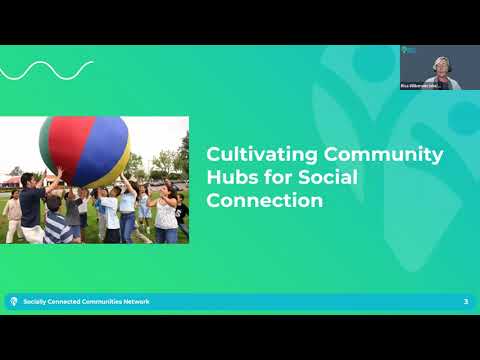
Community hubs are the pulse of local connection, serving as vibrant gathering spaces that foster social interaction, community engagement, and a sense of belonging. These hubs can take many forms, from community centers and public libraries to parks and recreation facilities and faith-based organizations. As social infrastructure, community hubs play a critical role in supporting the well-being and quality of life of community members. By providing a range of programs and services, community hubs help to build social capital and promote community development. For example, the Boston Public Library offers a variety of programs and services, including author talks, literacy programs, and job training initiatives.
📈 The Rise of Community Hubs
The rise of community hubs can be attributed to a growing recognition of the importance of social connection and community engagement in promoting individual and community well-being. As people increasingly seek to connect with others and build stronger, more resilient communities, community hubs have emerged as vital spaces for fostering these connections. Community organizing efforts, such as those led by the Indivisible Project, have also played a key role in promoting the development of community hubs. By providing a platform for community members to come together and address common challenges, community hubs have become essential components of community development initiatives. For instance, the Seattle Public Library has partnered with local organizations to offer digital inclusion programs and civic engagement initiatives.
🌐 Types of Community Hubs
Community hubs can take many forms, each with its own unique character and set of programs and services. Community gardens, for example, provide opportunities for community members to come together and grow their own food, while arts and culture organizations offer a range of creative programs and activities. Faith-based organizations often serve as community hubs, providing a range of social services and programs that support the well-being of community members. Public parks and recreation centers also play a critical role in promoting community engagement and social connection. The New York City Department of Parks and Recreation, for example, offers a variety of programs and services, including sports leagues and fitness classes.
💡 Community Engagement and Participation
Community engagement and participation are critical components of community hubs, as they provide opportunities for community members to come together and build stronger, more resilient communities. Community organizing efforts, such as those led by the ACLU, have played a key role in promoting community engagement and participation. By providing a platform for community members to address common challenges and promote social change, community hubs have become essential components of community development initiatives. The Sierra Club, for example, offers a range of programs and services that support community engagement and environmental conservation. For instance, the Chicago Public Library has partnered with local organizations to offer environmental education programs and community gardening initiatives.
📊 Measuring the Impact of Community Hubs
Measuring the impact of community hubs can be a complex task, as it requires assessing the social, economic, and environmental benefits of these spaces. Evaluation methods, such as surveys and focus groups, can provide valuable insights into the impact of community hubs. The Urban Institute, for example, has developed a range of evaluation tools and methods that can be used to assess the impact of community hubs. By providing a comprehensive understanding of the benefits and challenges of community hubs, these evaluation methods can help to inform community development initiatives and promote the development of more effective community hubs. For instance, the Los Angeles Public Library has used evaluation methods to assess the impact of its literacy programs and job training initiatives.
🌈 Challenges and Opportunities for Community Hubs
Despite their many benefits, community hubs also face a range of challenges and opportunities. Funding constraints, for example, can limit the ability of community hubs to provide a range of programs and services. Community engagement and participation can also be challenging, particularly in communities with limited social capital. The Knight Foundation, for example, has developed a range of initiatives that support community engagement and civic participation. By providing a platform for community members to come together and address common challenges, community hubs can help to build stronger, more resilient communities. For instance, the Houston Public Library has partnered with local organizations to offer disaster relief services and community support initiatives.
🔍 Case Studies of Successful Community Hubs
Case studies of successful community hubs can provide valuable insights into the benefits and challenges of these spaces. The Baltimore Community Foundation, for example, has developed a range of initiatives that support community development and social change. By providing a platform for community members to come together and address common challenges, community hubs have become essential components of community engagement and civic participation initiatives. The San Francisco Public Library, for example, has partnered with local organizations to offer digital inclusion programs and civic engagement initiatives. For instance, the Dallas Public Library has used case studies to assess the impact of its literacy programs and job training initiatives.
🤝 Partnerships and Collaborations
Partnerships and collaborations are critical components of community hubs, as they provide opportunities for community members to come together and address common challenges. Community organizing efforts, such as those led by the NAACP, have played a key role in promoting partnerships and collaborations. By providing a platform for community members to work together and promote social change, community hubs have become essential components of community development initiatives. The Ford Foundation, for example, has developed a range of initiatives that support community engagement and civic participation. For instance, the Atlanta Public Library has partnered with local organizations to offer arts and culture programs and community gardening initiatives.
🌟 The Future of Community Hubs
The future of community hubs is likely to be shaped by a range of factors, including technological change and demographic shifts. Virtual community hubs, for example, may become increasingly important as more people turn to online platforms to connect with others and access community resources. The MacArthur Foundation, for example, has developed a range of initiatives that support digital inclusion and virtual community engagement. By providing a platform for community members to come together and address common challenges, community hubs will continue to play a critical role in promoting community development and social change. For instance, the Cleveland Public Library has used virtual community hubs to offer online education programs and virtual civic engagement initiatives.
📚 Conclusion and Recommendations
In conclusion, community hubs are vital spaces that foster social connection, community engagement, and a sense of belonging. As social infrastructure, community hubs play a critical role in supporting the well-being and quality of life of community members. By providing a range of programs and services, community hubs help to build social capital and promote community development. The Rockefeller Foundation, for example, has developed a range of initiatives that support community engagement and civic participation. As we look to the future, it is essential that we continue to invest in and support the development of community hubs, recognizing their critical role in promoting community development and social change.
Key Facts
- Year
- 2020
- Origin
- Ancient Agoras and Town Squares
- Category
- Social Infrastructure
- Type
- Social Structure
Frequently Asked Questions
What is a community hub?
A community hub is a vibrant gathering space that fosters social interaction, community engagement, and a sense of belonging. Community hubs can take many forms, from community centers and public libraries to parks and recreation facilities and faith-based organizations.
What are the benefits of community hubs?
Community hubs provide a range of benefits, including social connection, community engagement, and civic participation. Community hubs also serve as vital spaces for community organizing and social change.
How can community hubs be supported?
Community hubs can be supported through a range of initiatives, including funding, partnerships, and volunteerism. The Knight Foundation, for example, has developed a range of initiatives that support community engagement and civic participation.
What is the future of community hubs?
The future of community hubs is likely to be shaped by a range of factors, including technological change and demographic shifts. Virtual community hubs, for example, may become increasingly important as more people turn to online platforms to connect with others and access community resources.
How can community hubs promote social change?
Community hubs can promote social change by providing a platform for community members to come together and address common challenges. Community organizing efforts, such as those led by the ACLU, have played a key role in promoting social change through community hubs.