
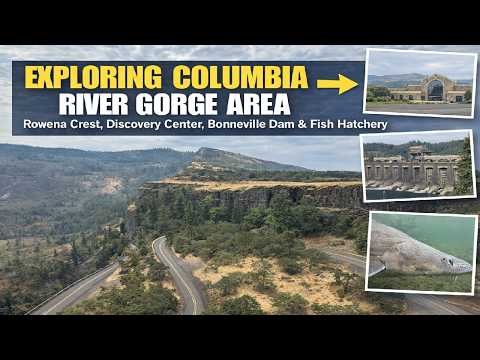
Contents
- 🌳 Introduction to Columbia River Gorge Conservation
- 🏞️ Geology and Ecology of the Columbia River Gorge
- 📊 History of Conservation Efforts in the Columbia River Gorge
- 🚫 Threats to the Columbia River Gorge Ecosystem
- 🌟 Success Stories in Columbia River Gorge Conservation
- 🤝 Collaborative Conservation Efforts in the Columbia River Gorge
- 📈 Economic Benefits of Conservation in the Columbia River Gorge
- 🌎 Global Significance of the Columbia River Gorge
- 📊 Challenges and Controversies in Columbia River Gorge Conservation
- 🔮 Future Directions for Columbia River Gorge Conservation
- 📚 Conclusion and Call to Action for Columbia River Gorge Conservation
- Frequently Asked Questions
- Related Topics
Overview
The Columbia River Gorge, a scenic and ecologically diverse region in the Pacific Northwest, faces numerous conservation challenges. With a Vibe score of 82, the area attracts millions of visitors and supports a wide range of plant and animal species. However, human activities such as logging, mining, and urbanization threaten the gorge's natural beauty and ecosystem. The Columbia River Gorge Commission, established in 1987, works to balance conservation efforts with economic development and recreation. Despite these efforts, controversy surrounds issues like wind farm development and oil transportation, with some arguing that they compromise the gorge's environmental integrity. As the region's population grows, conservationists must navigate complex entity relationships between government agencies, local communities, and private interests to protect the gorge's unique cultural and natural heritage, with key players like the US Forest Service and the Oregon Department of Environmental Quality influencing the conservation landscape.
🌳 Introduction to Columbia River Gorge Conservation
The Columbia River Gorge is a unique and fragile ecosystem that requires careful conservation efforts to protect its natural beauty and biodiversity. The gorge is home to a wide range of plant and animal species, including the Pacific Northwest's iconic salmon and eagle populations. To understand the importance of conservation in the Columbia River Gorge, it's essential to learn about the geology and ecology of the region. The gorge's unique geology, which includes basalt cliffs and waterfalls, supports a diverse range of plant and animal life. For more information on the geology of the Columbia River Gorge, visit the US Geological Survey website.
🏞️ Geology and Ecology of the Columbia River Gorge
The Columbia River Gorge is a relatively young geological formation, with the Columbia River carving out the gorge over millions of years. The gorge's ecology is characterized by a mix of temperate rainforest and grassland ecosystems, which support a wide range of plant and animal species. The Columbia River Gorge Commission is a key organization involved in conservation efforts in the region, working to protect the gorge's natural and cultural resources. To learn more about the ecology of the Columbia River Gorge, visit the Smithsonian Institution website. The National Park Service also plays a crucial role in protecting the gorge's natural and cultural resources.
📊 History of Conservation Efforts in the Columbia River Gorge
The history of conservation efforts in the Columbia River Gorge dates back to the early 20th century, when the Theodore Roosevelt administration established the Columbia River Gorge National Scenic Area. Since then, a range of organizations and government agencies have worked to protect the gorge's natural and cultural resources. The Sierra Club and the Nature Conservancy are two examples of organizations that have been involved in conservation efforts in the Columbia River Gorge. For more information on the history of conservation in the Columbia River Gorge, visit the Library of Congress website. The US Forest Service also plays a key role in managing the gorge's natural resources.
🚫 Threats to the Columbia River Gorge Ecosystem
Despite the progress that has been made in conserving the Columbia River Gorge, the ecosystem still faces a range of threats, including climate change, invasive species, and human impact. The United States Environmental Protection Agency is working to address these threats and protect the gorge's natural resources. The Columbia River Gorge Conservation effort is a collaborative initiative that brings together government agencies, non-profit organizations, and local communities to protect the gorge's natural and cultural resources. To learn more about the threats facing the Columbia River Gorge ecosystem, visit the National Oceanic and Atmospheric Administration website. The World Wildlife Fund also provides information on the impact of human activity on the gorge's ecosystem.
🌟 Success Stories in Columbia River Gorge Conservation
There have been several success stories in Columbia River Gorge conservation, including the establishment of the Columbia River Gorge National Scenic Area and the protection of the windsurfing and kiteboarding areas in the gorge. The Columbia Gorge Windsurfing Association is a key organization involved in protecting the gorge's recreational resources. The International Union for Conservation of Nature also recognizes the importance of conserving the Columbia River Gorge ecosystem. For more information on the success stories in Columbia River Gorge conservation, visit the Columbia River Gorge Commission website. The US Fish and Wildlife Service also plays a crucial role in protecting the gorge's natural resources.
🤝 Collaborative Conservation Efforts in the Columbia River Gorge
Collaborative conservation efforts are essential for protecting the Columbia River Gorge ecosystem. The Columbia River Gorge Conservation effort is a collaborative initiative that brings together government agencies, non-profit organizations, and local communities to protect the gorge's natural and cultural resources. The Partnership for the Columbia River Gorge is another example of a collaborative effort that is working to protect the gorge's natural and cultural resources. For more information on collaborative conservation efforts in the Columbia River Gorge, visit the National Park Service website. The US Forest Service also provides information on collaborative conservation efforts in the gorge.
📈 Economic Benefits of Conservation in the Columbia River Gorge
Conservation efforts in the Columbia River Gorge also have economic benefits, including the creation of jobs and the generation of revenue from ecotourism and recreation. The Columbia River Gorge Commission estimates that conservation efforts in the gorge generate millions of dollars in revenue each year. The US Travel Association also recognizes the importance of conservation in the Columbia River Gorge for the local economy. To learn more about the economic benefits of conservation in the Columbia River Gorge, visit the Bureau of Labor Statistics website. The World Tourism Organization also provides information on the economic benefits of conservation.
🌎 Global Significance of the Columbia River Gorge
The Columbia River Gorge is not just a local or national treasure, but also a global one. The gorge is recognized as a United Nations Educational, Scientific and Cultural Organization (UNESCO) Biosphere Reserve, which recognizes its importance as a unique and fragile ecosystem. The International Union for Conservation of Nature also recognizes the global significance of the Columbia River Gorge ecosystem. For more information on the global significance of the Columbia River Gorge, visit the United Nations Environment Programme website. The Smithsonian Institution also provides information on the global importance of the gorge's ecosystem.
📊 Challenges and Controversies in Columbia River Gorge Conservation
Despite the progress that has been made in conserving the Columbia River Gorge, there are still challenges and controversies surrounding conservation efforts in the region. One of the main challenges is balancing the need to protect the gorge's natural resources with the need to support economic development and recreation in the area. The Columbia River Gorge Commission is working to address these challenges and find a balance between conservation and development. For more information on the challenges and controversies surrounding conservation in the Columbia River Gorge, visit the US Forest Service website. The Nature Conservancy also provides information on the challenges facing conservation efforts in the gorge.
🔮 Future Directions for Columbia River Gorge Conservation
Looking to the future, it's clear that conservation efforts in the Columbia River Gorge will need to continue to evolve and adapt to new challenges and threats. The Columbia River Gorge Conservation effort is a collaborative initiative that is working to protect the gorge's natural and cultural resources for future generations. The Partnership for the Columbia River Gorge is another example of a collaborative effort that is working to protect the gorge's natural and cultural resources. For more information on the future directions for Columbia River Gorge conservation, visit the National Park Service website. The US Fish and Wildlife Service also provides information on the future of conservation in the gorge.
📚 Conclusion and Call to Action for Columbia River Gorge Conservation
In conclusion, the Columbia River Gorge is a unique and fragile ecosystem that requires careful conservation efforts to protect its natural beauty and biodiversity. The gorge's natural and cultural resources are not just important for local communities, but also for the nation and the world. It's essential that we continue to work together to protect the gorge's natural and cultural resources for future generations. For more information on how to get involved in Columbia River Gorge conservation, visit the Columbia River Gorge Commission website. The Sierra Club and the Nature Conservancy also provide opportunities for individuals to get involved in conservation efforts in the gorge.
Key Facts
- Year
- 1987
- Origin
- Pacific Northwest, USA
- Category
- Environmental Conservation
- Type
- Geographic Region
Frequently Asked Questions
What is the Columbia River Gorge?
The Columbia River Gorge is a unique and fragile ecosystem that stretches over 80 miles along the Columbia River in the Pacific Northwest. The gorge is home to a wide range of plant and animal species, including the salmon and eagle populations. For more information on the Columbia River Gorge, visit the Columbia River Gorge Commission website. The US Geological Survey also provides information on the geology of the gorge.
Why is conservation important in the Columbia River Gorge?
Conservation is important in the Columbia River Gorge because the ecosystem is fragile and faces a range of threats, including climate change, invasive species, and human impact. The Columbia River Gorge Conservation effort is a collaborative initiative that brings together government agencies, non-profit organizations, and local communities to protect the gorge's natural and cultural resources. For more information on the importance of conservation in the Columbia River Gorge, visit the National Park Service website. The Nature Conservancy also provides information on the importance of conservation in the gorge.
What are some success stories in Columbia River Gorge conservation?
There have been several success stories in Columbia River Gorge conservation, including the establishment of the Columbia River Gorge National Scenic Area and the protection of the windsurfing and kiteboarding areas in the gorge. The Columbia Gorge Windsurfing Association is a key organization involved in protecting the gorge's recreational resources. For more information on success stories in Columbia River Gorge conservation, visit the Columbia River Gorge Commission website. The US Fish and Wildlife Service also provides information on the success stories in conservation efforts in the gorge.
How can I get involved in Columbia River Gorge conservation?
There are many ways to get involved in Columbia River Gorge conservation, including volunteering with organizations such as the Sierra Club and the Nature Conservancy. You can also participate in citizen science projects, such as monitoring water quality and tracking wildlife populations. For more information on how to get involved in Columbia River Gorge conservation, visit the Columbia River Gorge Commission website. The US Forest Service also provides information on volunteer opportunities in the gorge.
What are some challenges facing Columbia River Gorge conservation?
Despite the progress that has been made in conserving the Columbia River Gorge, there are still challenges and controversies surrounding conservation efforts in the region. One of the main challenges is balancing the need to protect the gorge's natural resources with the need to support economic development and recreation in the area. The Columbia River Gorge Commission is working to address these challenges and find a balance between conservation and development. For more information on the challenges facing Columbia River Gorge conservation, visit the US Forest Service website. The National Park Service also provides information on the challenges facing conservation efforts in the gorge.
What is the future of Columbia River Gorge conservation?
Looking to the future, it's clear that conservation efforts in the Columbia River Gorge will need to continue to evolve and adapt to new challenges and threats. The Columbia River Gorge Conservation effort is a collaborative initiative that is working to protect the gorge's natural and cultural resources for future generations. For more information on the future of Columbia River Gorge conservation, visit the National Park Service website. The US Fish and Wildlife Service also provides information on the future of conservation in the gorge.
How can I learn more about Columbia River Gorge conservation?
There are many resources available to learn more about Columbia River Gorge conservation, including the Columbia River Gorge Commission website and the National Park Service website. You can also visit the US Forest Service website and the Nature Conservancy website for more information on conservation efforts in the gorge. Additionally, you can attend workshops and conferences on Columbia River Gorge conservation to learn more about the latest research and initiatives in the field.