
Contents
- 🔦 Introduction to Color Temperature
- 🌡 Understanding the Color Temperature Scale
- 💡 Measuring Color Temperature
- 🎨 The Psychology of Color Temperature
- 📊 Color Temperature in Design and Technology
- 🔍 The Impact of Color Temperature on Human Behavior
- 🌈 Color Temperature in Art and Architecture
- 👀 The Future of Color Temperature
- 🤔 Controversies and Debates in Color Temperature
- 📚 Conclusion and Further Reading
- Frequently Asked Questions
- Related Topics
Overview
Color temperature, measured in Kelvin (K), is a crucial aspect of lighting design that influences human emotions, behavior, and even physiological responses. The debate surrounding the ideal color temperature for various settings, such as homes, offices, and public spaces, is ongoing, with proponents of warm white (2700K-3000K) and cool white (3500K-5000K) light presenting differing arguments. Research by lighting experts like Robert Kaufmann and studies published in the Journal of Lighting Research have shed light on the complex relationships between color temperature, circadian rhythms, and cognitive performance. For instance, a study by the Lighting Research Center found that cool white light can improve alertness and attention, while warm white light can promote relaxation and reduce eye strain. The influence of color temperature can be seen in various design movements, including the minimalist aesthetic of Scandinavian design, which often incorporates warm white lighting to create cozy atmospheres. As lighting technology continues to evolve, with the rise of smart lighting systems and LED bulbs, the importance of considering color temperature in design decisions will only continue to grow, with potential applications in fields like healthcare, education, and urban planning.
🔦 Introduction to Color Temperature
The concept of color temperature is a fundamental aspect of Lighting Design and Color Theory. It refers to the way we perceive the color of a light source, which is measured in degrees Kelvin (K). The color temperature scale is a way to describe the color of light emitted by a source, with higher temperatures corresponding to Blue Light and lower temperatures corresponding to Red Light. For example, the color temperature of a traditional incandescent bulb is around 2800K, while a LED Lighting source can have a color temperature of up to 6500K. Understanding color temperature is crucial in various fields, including Interior Design and Graphic Design.
🌡 Understanding the Color Temperature Scale
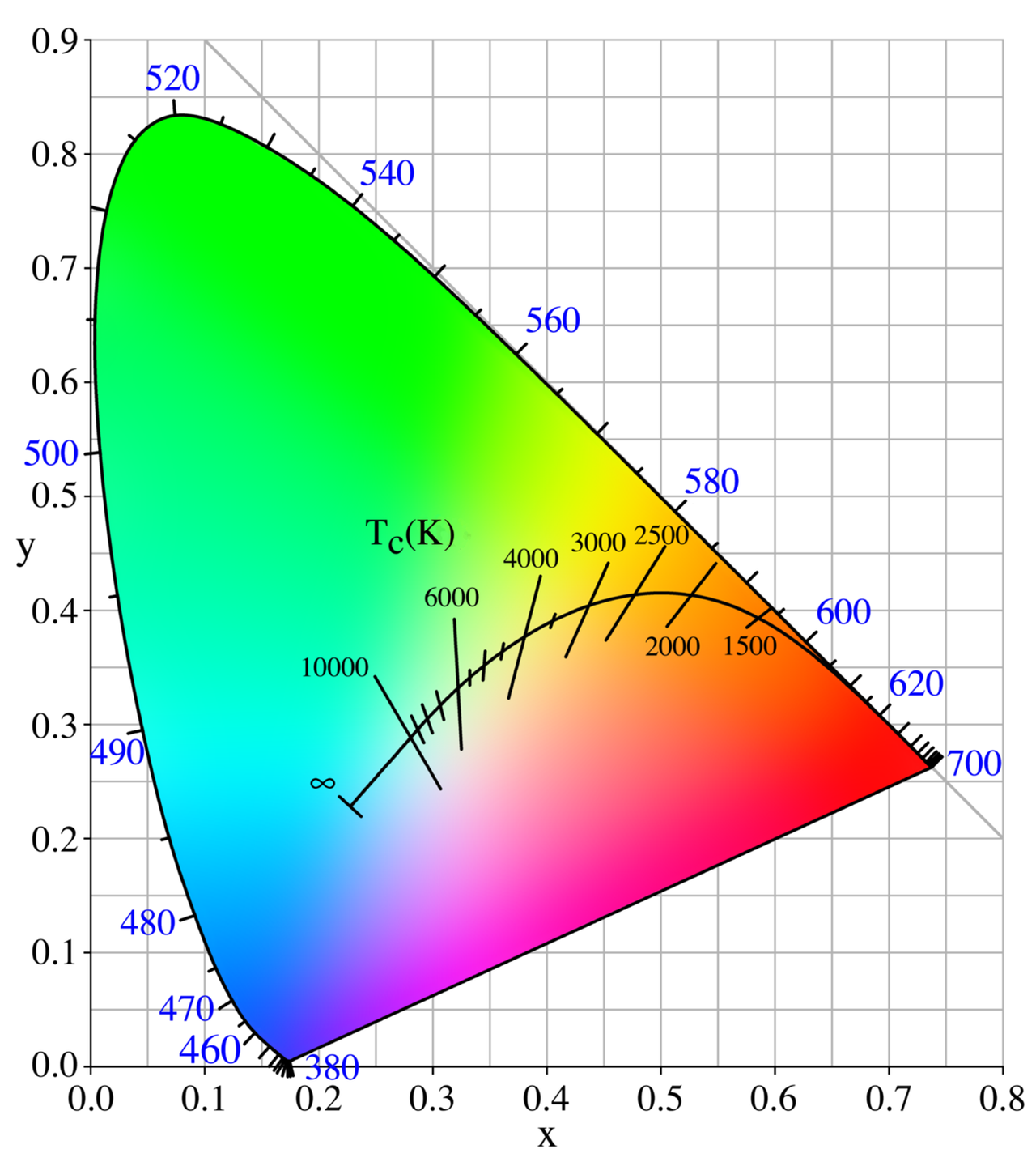
The color temperature scale is based on the idea of an idealized opaque, non-reflective body, known as a Black Body. The temperature of this body is used to define the color temperature of a light source. The scale ranges from approximately 1000K to 20,000K, with different temperatures corresponding to distinct colors. For instance, a color temperature of 5000K is often referred to as Daylight, while a temperature of 2000K is similar to Candlelight. The color temperature scale is a useful tool for Lighting Designers and Architects to create specific atmospheres and moods in their designs. The concept of color temperature is also closely related to Color Rendering Index and Lumen.
💡 Measuring Color Temperature
Measuring color temperature is a complex process that involves the use of specialized equipment, such as Spectrophotometers. These devices can accurately measure the color temperature of a light source, taking into account various factors such as the type of light source, its age, and its operating conditions. In addition to spectrophotometers, there are also other methods for measuring color temperature, including the use of Color Temperature Meters and Light Spectroscopy. Understanding the color temperature of a light source is essential in various applications, including Photography and Videography. The color temperature of a light source can also affect the Color Appearance of objects and surfaces.
🎨 The Psychology of Color Temperature
The psychology of color temperature is a fascinating topic that has been studied extensively in the fields of Psychology and Neuroscience. Research has shown that different color temperatures can have a significant impact on human emotions and behavior. For example, Warm Colors with low color temperatures can create a cozy and relaxing atmosphere, while Cool Colors with high color temperatures can stimulate alertness and energy. The psychology of color temperature is closely related to the concept of Circadian Rhythms and the way our bodies respond to different light sources throughout the day. Understanding the psychology of color temperature is crucial in the design of Workspaces and Public Spaces.
📊 Color Temperature in Design and Technology
Color temperature plays a vital role in Design and Technology, particularly in the fields of Lighting Design and Architecture. The choice of color temperature can significantly impact the ambiance and atmosphere of a space, and it is often used to create specific moods and effects. For example, a Restaurant might use warm color temperatures to create a cozy and intimate atmosphere, while a Retail Store might use cool color temperatures to stimulate energy and activity. The use of color temperature in design and technology is also closely related to the concept of Sustainability and the need to reduce energy consumption. The development of Energy-Efficient Lighting sources, such as LED Lighting, has made it possible to achieve a wide range of color temperatures while minimizing energy consumption.
🔍 The Impact of Color Temperature on Human Behavior
The impact of color temperature on human behavior is a topic of ongoing research and debate. Some studies have suggested that exposure to certain color temperatures can have a significant impact on our mood, cognitive function, and overall well-being. For example, exposure to Natural Light with a color temperature of around 5500K has been shown to improve alertness and reduce the risk of Seasonal Affective Disorder. On the other hand, exposure to Artificial Light with high color temperatures has been linked to a range of negative effects, including Sleep Disorders and Eye Strain. Understanding the impact of color temperature on human behavior is crucial in the design of Public Spaces and Workspaces.
🌈 Color Temperature in Art and Architecture
Color temperature has been used in art and architecture for centuries, with different cultures and styles employing distinct color temperatures to create specific effects. For example, the use of Warm Colors in Renaissance Art created a sense of coziness and intimacy, while the use of Cool Colors in Modern Art created a sense of distance and abstraction. In architecture, the choice of color temperature can significantly impact the ambiance and atmosphere of a building, and it is often used to create specific moods and effects. For example, the use of Natural Light in Green Buildings can create a sense of connection to the outdoors and reduce the need for Artificial Lighting.
👀 The Future of Color Temperature
The future of color temperature is closely tied to the development of new technologies and materials. The increasing use of LED Lighting and other Energy-Efficient Lighting sources has made it possible to achieve a wide range of color temperatures while minimizing energy consumption. The development of Smart Lighting systems has also enabled the creation of dynamic and adaptive lighting environments that can respond to changing conditions and user needs. As technology continues to evolve, we can expect to see new and innovative applications of color temperature in various fields, including Architecture, Design, and Art.
🤔 Controversies and Debates in Color Temperature
Despite its importance, the concept of color temperature is not without controversy and debate. Some critics argue that the color temperature scale is too simplistic and does not take into account the complexities of human perception and cognition. Others argue that the use of color temperature in design and technology is often overly simplistic and neglects the nuances of human experience. The debate surrounding color temperature is closely related to the concept of Color Theory and the way we perceive and understand color. Understanding the controversies and debates surrounding color temperature is essential in the development of new technologies and materials.
📚 Conclusion and Further Reading
In conclusion, color temperature is a complex and multifaceted concept that plays a vital role in various fields, including Design, Technology, and Art. Understanding the principles of color temperature is crucial in the creation of effective and sustainable lighting environments that can enhance human experience and well-being. As technology continues to evolve, we can expect to see new and innovative applications of color temperature in various fields. For further reading, see Color Theory, Lighting Design, and Sustainability.
Key Facts
- Year
- 2022
- Origin
- Vibepedia.wiki
- Category
- Design and Technology
- Type
- Concept
Frequently Asked Questions
What is color temperature?
Color temperature is a parameter that describes the color of a visible light source by comparing it to the color of light emitted by an idealized opaque, non-reflective body. It is measured in degrees Kelvin (K) and is used to describe the color of light emitted by a source. Understanding color temperature is crucial in various fields, including Lighting Design and Interior Design.
How is color temperature measured?
Color temperature is measured using specialized equipment, such as Spectrophotometers. These devices can accurately measure the color temperature of a light source, taking into account various factors such as the type of light source, its age, and its operating conditions. In addition to spectrophotometers, there are also other methods for measuring color temperature, including the use of Color Temperature Meters and Light Spectroscopy.
What is the impact of color temperature on human behavior?
The impact of color temperature on human behavior is a topic of ongoing research and debate. Some studies have suggested that exposure to certain color temperatures can have a significant impact on our mood, cognitive function, and overall well-being. For example, exposure to Natural Light with a color temperature of around 5500K has been shown to improve alertness and reduce the risk of Seasonal Affective Disorder. On the other hand, exposure to Artificial Light with high color temperatures has been linked to a range of negative effects, including Sleep Disorders and Eye Strain.
How is color temperature used in design and technology?
Color temperature is used in design and technology to create specific atmospheres and moods. The choice of color temperature can significantly impact the ambiance and atmosphere of a space, and it is often used to create specific effects. For example, a Restaurant might use warm color temperatures to create a cozy and intimate atmosphere, while a Retail Store might use cool color temperatures to stimulate energy and activity. The use of color temperature in design and technology is also closely related to the concept of Sustainability and the need to reduce energy consumption.
What is the future of color temperature?
The future of color temperature is closely tied to the development of new technologies and materials. The increasing use of LED Lighting and other Energy-Efficient Lighting sources has made it possible to achieve a wide range of color temperatures while minimizing energy consumption. The development of Smart Lighting systems has also enabled the creation of dynamic and adaptive lighting environments that can respond to changing conditions and user needs. As technology continues to evolve, we can expect to see new and innovative applications of color temperature in various fields, including Architecture, Design, and Art.
What are some common applications of color temperature?
Color temperature has a wide range of applications in various fields, including Lighting Design, Interior Design, Architecture, and Art. It is used to create specific atmospheres and moods, and to enhance human experience and well-being. Some common applications of color temperature include the design of Workspaces, Public Spaces, and Retail Stores. It is also used in the creation of Art and Design pieces, and in the development of Sustainable and Energy-Efficient lighting solutions.
How does color temperature affect the color appearance of objects and surfaces?
Color temperature can significantly affect the color appearance of objects and surfaces. The color temperature of a light source can change the way we perceive the color of an object, and can create a range of different effects. For example, a warm color temperature can create a cozy and intimate atmosphere, while a cool color temperature can create a sense of distance and abstraction. Understanding how color temperature affects the color appearance of objects and surfaces is crucial in the design of Lighting environments and in the creation of Art and Design pieces.