
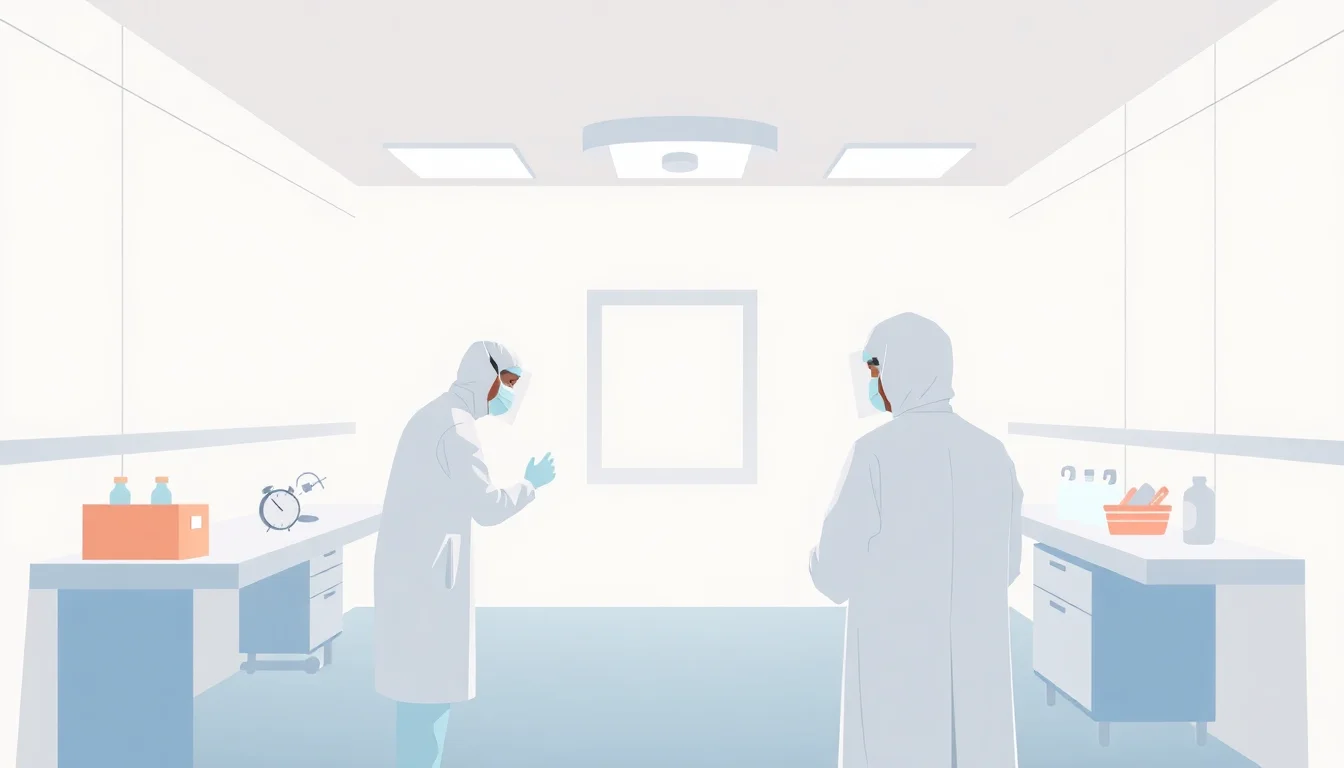
Contents
- 🔬 Introduction to Cleanroom Practices
- 📊 History of Cleanroom Technology
- 👥 The Importance of Cleanroom Protocol
- 🚫 Contamination Control Measures
- 🔍 Cleanroom Classification and Standards
- 👩💻 Cleanroom Design and Construction
- 📈 Cleanroom Operations and Maintenance
- 🚨 Cleanroom Safety and Emergency Procedures
- 📊 Cleanroom Cost-Benefit Analysis
- 🔮 Future of Cleanroom Practices
- 🤝 Collaboration and Knowledge Sharing
- 📚 Conclusion and Recommendations
- Frequently Asked Questions
- Related Topics
Overview
Cleanroom practices have been a cornerstone of modern manufacturing and research since the 1960s, with the first cleanroom established by Willis Whitfield in 1962. These controlled environments are designed to minimize contamination, with strict protocols governing everything from air quality to personnel attire. The cleanroom industry has a vibe score of 82, reflecting its critical importance in fields like pharmaceuticals, aerospace, and electronics. However, the implementation of cleanroom practices is not without controversy, with debates surrounding the cost-effectiveness and environmental impact of these facilities. As technology continues to advance, cleanroom practices must evolve to meet the demands of emerging industries like nanotechnology and biotechnology. With the global cleanroom market projected to reach $4.5 billion by 2025, the future of contamination control looks brighter than ever, but not without its challenges, including the need for more sustainable and efficient cleanroom designs.
🔬 Introduction to Cleanroom Practices
Cleanroom practices are a set of procedures and protocols designed to minimize contamination in controlled environments, such as laboratories, manufacturing facilities, and hospitals. The concept of cleanrooms dates back to the 1960s, when the cleanroom technology industry began to take shape. Today, cleanrooms play a critical role in various industries, including pharmaceuticals, biotechnology, and nanotechnology. The importance of cleanroom practices cannot be overstated, as they help prevent contamination, ensure product quality, and protect human health. For instance, in the pharmaceutical industry, cleanrooms are used to manufacture vaccines and other medicines.
📊 History of Cleanroom Technology
The history of cleanroom technology is a fascinating story that involves the contributions of many individuals and organizations. One of the key figures in the development of cleanroom technology was Willis Whitfield, who invented the first modern cleanroom in 1962. Whitfield's design used a combination of air filtration systems and positive pressure to create a clean environment. Since then, cleanroom technology has evolved significantly, with advances in materials science and engineering. Today, cleanrooms are used in a wide range of applications, from space exploration to food production. The history of cleanrooms is a testament to human ingenuity and the importance of innovation.
👥 The Importance of Cleanroom Protocol
Cleanroom protocol is essential for maintaining a contamination-free environment. This includes procedures such as garbing, gowning, and personal hygiene. Cleanroom personnel must also follow strict guidelines for equipment maintenance and waste disposal. The importance of cleanroom protocol cannot be overstated, as it helps prevent contamination and ensures product quality. For example, in the microelectronics industry, cleanrooms are used to manufacture semiconductors and other electronic components. The cleanroom protocol in these facilities is extremely strict, with personnel required to wear protective clothing and follow precise procedures for equipment operation.
🚫 Contamination Control Measures
Contamination control measures are a critical aspect of cleanroom practices. These measures include the use of air filtration systems, positive pressure, and cleaning protocols. Cleanrooms must also be designed and constructed to minimize the risk of contamination, with features such as smooth surfaces and sealed joints. The contamination control measures in place must be regularly monitored and maintained to ensure their effectiveness. For instance, in the biotechnology industry, cleanrooms are used to manufacture biological products, such as vaccines and therapeutic proteins. The contamination control measures in these facilities are extremely strict, with personnel required to follow precise procedures for equipment operation and waste disposal.
🔍 Cleanroom Classification and Standards
Cleanroom classification and standards are essential for ensuring the quality and safety of products manufactured in cleanrooms. The most widely used classification system is the ISO 14644 standard, which defines nine classes of cleanrooms based on the level of airborne particles. Cleanrooms must also comply with other standards and regulations, such as cGMP and FDA regulations. The cleanroom classification and standards in place must be regularly reviewed and updated to ensure they remain relevant and effective. For example, in the pharmaceutical industry, cleanrooms are used to manufacture medicines and other pharmaceutical products. The cleanroom standards in these facilities are extremely strict, with personnel required to follow precise procedures for equipment operation and quality control.
👩💻 Cleanroom Design and Construction
Cleanroom design and construction require careful planning and attention to detail. Cleanrooms must be designed to minimize the risk of contamination, with features such as smooth surfaces, sealed joints, and air filtration systems. The cleanroom design and construction process must also take into account factors such as energy efficiency and sustainability. The cleanroom construction process typically involves a team of experts, including architects, engineers, and contractors. For instance, in the microelectronics industry, cleanrooms are used to manufacture semiconductors and other electronic components. The cleanroom design and construction in these facilities are extremely complex, with personnel required to follow precise procedures for equipment installation and system integration.
📈 Cleanroom Operations and Maintenance
Cleanroom operations and maintenance require careful planning and attention to detail. Cleanrooms must be regularly monitored and maintained to ensure they remain contamination-free. This includes procedures such as equipment maintenance, air filtration, and waste disposal. The cleanroom operations and maintenance process must also take into account factors such as energy efficiency and sustainability. For example, in the biotechnology industry, cleanrooms are used to manufacture biological products, such as vaccines and therapeutic proteins. The cleanroom operations and maintenance in these facilities are extremely complex, with personnel required to follow precise procedures for equipment operation and quality control.
🚨 Cleanroom Safety and Emergency Procedures
Cleanroom safety and emergency procedures are essential for protecting personnel and preventing contamination. Cleanrooms must have procedures in place for emergency response, fire safety, and hazardous materials. The cleanroom safety and emergency procedures in place must be regularly reviewed and updated to ensure they remain relevant and effective. For instance, in the pharmaceutical industry, cleanrooms are used to manufacture medicines and other pharmaceutical products. The cleanroom safety procedures in these facilities are extremely strict, with personnel required to follow precise procedures for emergency response and hazardous materials.
📊 Cleanroom Cost-Benefit Analysis
Cleanroom cost-benefit analysis is essential for determining the economic viability of cleanroom operations. The cost of cleanroom construction and maintenance can be significant, but the benefits of contamination control and product quality can far outweigh the costs. The cleanroom cost-benefit analysis must take into account factors such as energy efficiency, sustainability, and return on investment. For example, in the microelectronics industry, cleanrooms are used to manufacture semiconductors and other electronic components. The cleanroom cost-benefit analysis in these facilities is extremely complex, with personnel required to follow precise procedures for cost accounting and financial analysis.
🔮 Future of Cleanroom Practices
The future of cleanroom practices is likely to be shaped by advances in technology and innovation. New materials and technologies, such as nanomaterials and artificial intelligence, are likely to play a major role in the development of cleanrooms. The future of cleanrooms will also be influenced by factors such as sustainability and energy efficiency. For instance, in the biotechnology industry, cleanrooms are used to manufacture biological products, such as vaccines and therapeutic proteins. The future of cleanrooms in these facilities is extremely promising, with personnel required to follow precise procedures for equipment operation and quality control.
🤝 Collaboration and Knowledge Sharing
Collaboration and knowledge sharing are essential for advancing cleanroom practices and improving contamination control. Cleanroom professionals must work together to share best practices, develop new technologies, and address common challenges. The collaboration and knowledge sharing in the cleanroom industry is facilitated by organizations such as the Institute of Environmental Sciences and Technology. For example, in the pharmaceutical industry, cleanrooms are used to manufacture medicines and other pharmaceutical products. The collaboration and knowledge sharing in these facilities is extremely important, with personnel required to follow precise procedures for quality control and regulatory compliance.
📚 Conclusion and Recommendations
In conclusion, cleanroom practices are a critical aspect of contamination control in various industries. The importance of cleanroom protocol, contamination control measures, and cleanroom design and construction cannot be overstated. As the cleanroom industry continues to evolve, it is essential to prioritize sustainability, energy efficiency, and innovation. The cleanroom practices of the future will be shaped by advances in technology and collaboration among cleanroom professionals. For instance, in the microelectronics industry, cleanrooms are used to manufacture semiconductors and other electronic components. The cleanroom practices in these facilities are extremely complex, with personnel required to follow precise procedures for equipment operation and quality control.
Key Facts
- Year
- 1962
- Origin
- Willis Whitfield's first cleanroom establishment
- Category
- Science and Technology
- Type
- Concept
Frequently Asked Questions
What is a cleanroom?
A cleanroom is a controlled environment that is designed to minimize contamination. Cleanrooms are used in various industries, including pharmaceuticals, biotechnology, and nanotechnology. The cleanroom technology industry has evolved significantly over the years, with advances in materials science and engineering.
What is the importance of cleanroom protocol?
Cleanroom protocol is essential for maintaining a contamination-free environment. This includes procedures such as garbing, gowning, and personal hygiene. The cleanroom protocol in place must be regularly reviewed and updated to ensure it remains relevant and effective. For instance, in the microelectronics industry, cleanrooms are used to manufacture semiconductors and other electronic components.
What are the different classes of cleanrooms?
The most widely used classification system is the ISO 14644 standard, which defines nine classes of cleanrooms based on the level of airborne particles. The cleanroom classification and standards in place must be regularly reviewed and updated to ensure they remain relevant and effective. For example, in the pharmaceutical industry, cleanrooms are used to manufacture medicines and other pharmaceutical products.
What is the cost of cleanroom construction and maintenance?
The cost of cleanroom construction and maintenance can be significant, but the benefits of contamination control and product quality can far outweigh the costs. The cleanroom cost-benefit analysis must take into account factors such as energy efficiency, sustainability, and return on investment. For instance, in the biotechnology industry, cleanrooms are used to manufacture biological products, such as vaccines and therapeutic proteins.
What is the future of cleanroom practices?
The future of cleanroom practices is likely to be shaped by advances in technology and innovation. New materials and technologies, such as nanomaterials and artificial intelligence, are likely to play a major role in the development of cleanrooms. The future of cleanrooms will also be influenced by factors such as sustainability and energy efficiency.
What is the importance of collaboration and knowledge sharing in the cleanroom industry?
Collaboration and knowledge sharing are essential for advancing cleanroom practices and improving contamination control. Cleanroom professionals must work together to share best practices, develop new technologies, and address common challenges. The collaboration and knowledge sharing in the cleanroom industry is facilitated by organizations such as the Institute of Environmental Sciences and Technology.
What are the benefits of cleanroom practices?
The benefits of cleanroom practices include contamination control, product quality, and human health protection. Cleanrooms are used in various industries, including pharmaceuticals, biotechnology, and nanotechnology. The cleanroom practices in place must be regularly reviewed and updated to ensure they remain relevant and effective.