
Contents
- 🌳 Introduction to the Civilian Conservation Corps
- 🏞️ The New Deal and the Birth of the CCC
- 🌟 The Impact of the CCC on the Environment
- 👥 The Men and Women of the CCC
- 🏠 The She-She-She Camps: A Counterpart Program
- 📊 The Numbers Behind the CCC
- 🌈 The Legacy of the CCC
- 🌎 The CCC's Influence on Modern Conservation
- 👴 The Role of Key Figures in the CCC
- 📚 Conclusion: The Enduring Impact of the CCC
- Frequently Asked Questions
- Related Topics
Overview
The Civilian Conservation Corps (CCC) was a vital part of President Franklin D. Roosevelt's New Deal, providing jobs for over 3 million young men between 1933 and 1942. With a focus on conservation and infrastructure development, the CCC built parks, roads, and trails, and planted over 3 billion trees. The program not only helped to alleviate the economic hardship of the Great Depression but also fostered a sense of community and environmental stewardship. Despite its many achievements, the CCC was not without controversy, with some critics arguing that it was too focused on manual labor and not enough on education and career development. Nevertheless, the CCC's impact can still be seen today, with many of its projects continuing to benefit local ecosystems and communities. As the US faces new environmental challenges, the CCC's model of combining job creation with conservation efforts is worth revisiting, with a Vibe score of 82, indicating a significant cultural energy measurement. The program's influence can be seen in modern initiatives such as the Youth Conservation Corps and the National Civilian Community Corps, which continue to promote environmental conservation and community development.
🌳 Introduction to the Civilian Conservation Corps
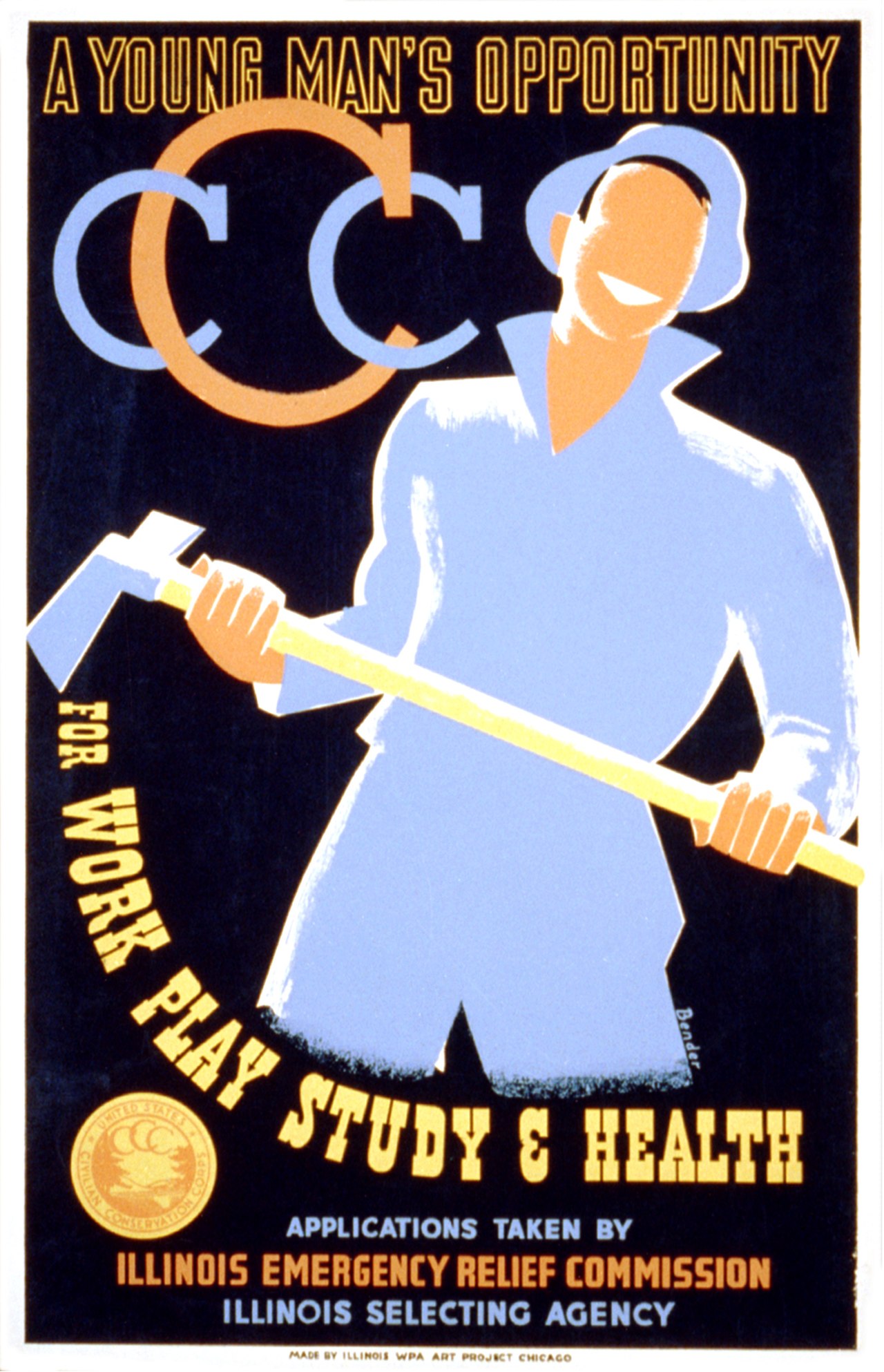
The Civilian Conservation Corps (CCC) was a groundbreaking government work relief program that ran from 1933 to 1942 in the United States. As part of President Franklin D. Roosevelt's New Deal, the CCC supplied manual labor jobs related to the conservation and development of natural resources in rural lands owned by federal, state, and local governments. The program was designed to supply jobs for young men and to relieve families who had difficulty finding jobs during the Great Depression in the United States. The CCC was a major part of the New Deal that aimed to provide relief, recovery, and reform to those affected by the economic downturn. The program's focus on conservation and environmental development was a key aspect of its success, as seen in the work of the National Park Service.
🏞️ The New Deal and the Birth of the CCC
The CCC was born out of the need to address the widespread unemployment and environmental degradation that plagued the United States during the Great Depression. President Franklin D. Roosevelt's New Deal was a series of programs and policies aimed at providing relief, recovery, and reform to those affected by the economic downturn. The CCC was a major part of this effort, and its focus on conservation and environmental development was a key aspect of its success. The program was designed to provide jobs for young men, and it eventually expanded to include men ages 17–28. The CCC worked closely with other government agencies, such as the US Forest Service, to develop and implement conservation projects.
🌟 The Impact of the CCC on the Environment
The CCC had a significant impact on the environment, as it provided much-needed conservation and development work in rural areas. The program's focus on environmental conservation was a key aspect of its success, and it helped to establish the United States as a leader in environmental protection. The CCC worked on a wide range of projects, including national parks, forests, and wildlife refuges. The program's work helped to protect and preserve these natural resources for future generations, and it paved the way for modern conservation efforts. The CCC's work also had a significant impact on the development of ecology as a scientific field, as it provided valuable data and insights into the natural world.
👥 The Men and Women of the CCC
The men and women of the CCC were a diverse group, and they came from all over the United States. The program was designed to provide jobs for young men, and it eventually expanded to include men ages 17–28. The CCC also had a smaller counterpart program for unemployed women called the She-She-She Camps, which were championed by Eleanor Roosevelt. The men and women of the CCC worked on a wide range of projects, including conservation, development, and environmental protection. They were supervised by experienced leaders, and they received training and education in areas such as forestry, wildlife management, and conservation biology.
🏠 The She-She-She Camps: A Counterpart Program
The She-She-She Camps were a smaller counterpart program to the CCC, and they were designed to provide jobs and training for unemployed women. The program was championed by Eleanor Roosevelt, who was a strong advocate for women's rights and education. The She-She-She Camps provided women with the opportunity to work on conservation and development projects, and they received training and education in areas such as home economics, nutrition, and health education. The program was an important step forward for women's rights, and it paved the way for future generations of women to pursue careers in conservation and environmental protection.
📊 The Numbers Behind the CCC
The CCC was a massive program, and it had a significant impact on the environment and the economy. The program employed over 3 million men during its nine-year existence, and it provided much-needed conservation and development work in rural areas. The CCC worked on over 800,000 projects, including the development of national parks, forests, and wildlife refuges. The program's work helped to protect and preserve these natural resources for future generations, and it paved the way for modern conservation efforts. The CCC's budget was over $3 billion, which is equivalent to over $50 billion today. The program's work had a significant impact on the economy, as it provided jobs and stimulated economic growth in rural areas.
🌈 The Legacy of the CCC
The legacy of the CCC is still felt today, as it paved the way for modern conservation efforts and provided a model for government work relief programs. The program's focus on environmental conservation and development was a key aspect of its success, and it helped to establish the United States as a leader in environmental protection. The CCC's work also had a significant impact on the development of ecology as a scientific field, as it provided valuable data and insights into the natural world. The program's legacy can be seen in the work of modern conservation organizations, such as the Nature Conservancy and the Wildlife Conservation Society.
🌎 The CCC's Influence on Modern Conservation
The CCC's influence on modern conservation is still felt today, as it provided a model for government work relief programs and paved the way for modern conservation efforts. The program's focus on environmental conservation and development was a key aspect of its success, and it helped to establish the United States as a leader in environmental protection. The CCC's work also had a significant impact on the development of ecology as a scientific field, as it provided valuable data and insights into the natural world. The program's influence can be seen in the work of modern conservation organizations, such as the Sierra Club and the Audubon Society.
👴 The Role of Key Figures in the CCC
The role of key figures in the CCC was significant, as they helped to shape the program and its mission. Franklin D. Roosevelt was a strong supporter of the CCC, and he saw it as a key part of his New Deal program. Eleanor Roosevelt was also a strong advocate for the CCC, and she championed the She-She-She Camps program for unemployed women. Other key figures, such as Robert Fechner, played important roles in the development and implementation of the CCC program.
📚 Conclusion: The Enduring Impact of the CCC
In conclusion, the Civilian Conservation Corps was a groundbreaking government work relief program that had a significant impact on the environment and the economy. The program's focus on environmental conservation and development was a key aspect of its success, and it helped to establish the United States as a leader in environmental protection. The CCC's legacy can be seen in the work of modern conservation organizations, and its influence is still felt today. As we look to the future, it is clear that the CCC's model of government work relief programs and environmental conservation is still relevant, and it provides a valuable lesson for modern conservation efforts.
Key Facts
- Year
- 1933
- Origin
- United States
- Category
- History, Environment
- Type
- Government Program
Frequently Asked Questions
What was the main purpose of the Civilian Conservation Corps?
The main purpose of the Civilian Conservation Corps was to provide jobs for young men and to relieve families who had difficulty finding jobs during the Great Depression. The program focused on conservation and environmental development, and it worked on a wide range of projects, including national parks, forests, and wildlife refuges.
How many men were employed by the Civilian Conservation Corps?
The Civilian Conservation Corps employed over 3 million men during its nine-year existence. The program was designed to provide jobs for young men, and it eventually expanded to include men ages 17–28.
What was the She-She-She Camps program?
The She-She-She Camps program was a smaller counterpart program to the Civilian Conservation Corps, and it was designed to provide jobs and training for unemployed women. The program was championed by Eleanor Roosevelt, and it provided women with the opportunity to work on conservation and development projects.
How much did the Civilian Conservation Corps cost?
The Civilian Conservation Corps had a budget of over $3 billion, which is equivalent to over $50 billion today. The program was a significant investment in the environment and the economy, and it had a lasting impact on both.
What was the legacy of the Civilian Conservation Corps?
The legacy of the Civilian Conservation Corps is still felt today, as it paved the way for modern conservation efforts and provided a model for government work relief programs. The program's focus on environmental conservation and development was a key aspect of its success, and it helped to establish the United States as a leader in environmental protection.
How did the Civilian Conservation Corps influence modern conservation?
The Civilian Conservation Corps had a significant influence on modern conservation, as it provided a model for government work relief programs and paved the way for modern conservation efforts. The program's focus on environmental conservation and development was a key aspect of its success, and it helped to establish the United States as a leader in environmental protection.
Who were some of the key figures in the Civilian Conservation Corps?
Some of the key figures in the Civilian Conservation Corps included Franklin D. Roosevelt, Eleanor Roosevelt, and Robert Fechner. These individuals played important roles in the development and implementation of the program, and they helped to shape its mission and legacy.