
Contents
- 🏙️ Introduction to New York City
- 🗺️ Geography and Layout
- 📈 Demographics and Population
- 🏛️ Government and Administration
- 📊 Economy and Industry
- 🎨 Culture and Entertainment
- 📚 Education and Academia
- 📰 Media and Communications
- 🤝 International Diplomacy and Relations
- 🚀 Future Developments and Challenges
- 👥 Community and Social Issues
- 📊 Conclusion and Summary
- Frequently Asked Questions
- Related Topics
Overview
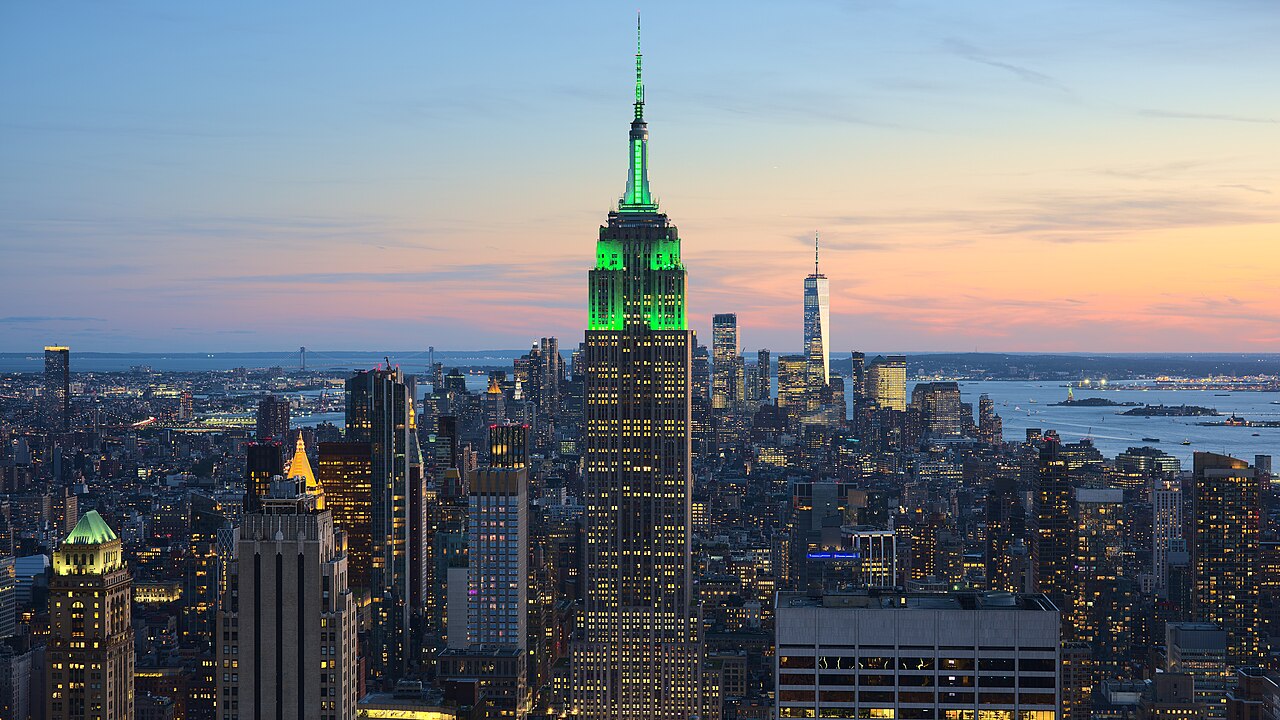
New York City, often referred to as the city that never sleeps, is a global hub of activity and a melting pot of cultures. As the most populous city in the United States, it is a center of finance and commerce, with the New York Stock Exchange and Wall Street being two of the most iconic symbols of the city's economic power. The city is also home to many world-renowned institutions, including Columbia University and New York University. With its diverse population and vibrant cultural scene, New York City is a city like no other, offering something for everyone, from the bright lights of Times Square to the peaceful green oasis of Central Park. The city's unique energy is also reflected in its Vibe Score, which measures the cultural energy of a city. New York City's Vibe Score is one of the highest in the world, making it a destination for people from all over the globe.
🗺️ Geography and Layout
The city's geography is characterized by its location on the southern tip of New York State, where the Hudson River meets the Atlantic Ocean. The city comprises five boroughs: Manhattan, Brooklyn, Queens, The Bronx, and Staten Island, each with its own unique character and charm. The city's layout is a testament to its rich history, with many of its streets and neighborhoods dating back to the 18th and 19th centuries. The city's urban planning has been shaped by the vision of many notable figures, including Robert Moses, who played a significant role in shaping the city's infrastructure and development. The city's geography and layout have also been influenced by its Controversy Spectrum, with many debates surrounding issues such as gentrification and urban renewal.
📈 Demographics and Population
New York City is a demographically diverse city, with a population of over 8.4 million people, according to the United States Census Bureau. The city is a melting pot of cultures, with people from all over the world living and working together. The city's population is characterized by a high level of diversity, with significant populations of African Americans, Hispanics, Asians, and Europeans. The city's demographics have been shaped by its history of immigration, with many people coming to the city in search of a better life. The city's Influence Flows have also been shaped by its demographics, with many notable figures, including Jane Jacobs and Norman Mailer, having a significant impact on the city's development.
🏛️ Government and Administration
The city is governed by a mayor and a city council, which are responsible for making decisions about the city's development and infrastructure. The city is also home to many federal and state agencies, including the Federal Reserve and the New York State Government. The city's government has been shaped by its history, with many notable figures, including Fiorello La Guardia and John Lindsay, having a significant impact on the city's development. The city's Topic Intelligence has also been shaped by its government, with many key ideas, including urban renewal and community development, being central to the city's development.
📊 Economy and Industry
New York City is a global center of finance and commerce, with many of the world's largest companies having headquarters or offices in the city. The city is home to the New York Stock Exchange and NASDAQ, two of the world's largest stock exchanges. The city is also a hub of technology and innovation, with many startups and entrepreneurs calling the city home. The city's economy has been shaped by its history, with many notable figures, including John D. Rockefeller and Andrew Carnegie, having a significant impact on the city's development. The city's Perspective Breakdown has also been shaped by its economy, with many different perspectives on the city's economic development, including optimistic, neutral, pessimistic, and contrarian views.
🎨 Culture and Entertainment
New York City is a city of culture and entertainment, with many world-renowned institutions, including Carnegie Hall and The Metropolitan Museum of Art. The city is also home to many famous landmarks, including The Statue of Liberty and Central Park. The city's cultural scene is characterized by a high level of diversity, with many different types of music, art, and performance being represented. The city's Entity Relationships have also been shaped by its culture, with many notable figures, including Andy Warhol and Bob Dylan, having a significant impact on the city's cultural development.
📚 Education and Academia
New York City is a hub of education and academia, with many world-renowned institutions, including Columbia University and New York University. The city is also home to many other colleges and universities, including City College of New York and Hunter College. The city's education system has been shaped by its history, with many notable figures, including Thomas Jefferson and John Dewey, having a significant impact on the city's educational development. The city's Influence Flows have also been shaped by its education system, with many notable figures, including Noam Chomsky and Judy Blume, having a significant impact on the city's intellectual development.
📰 Media and Communications
New York City is a hub of media and communications, with many of the world's largest media companies having headquarters or offices in the city. The city is home to many famous newspapers, including The New York Times and The Wall Street Journal. The city is also a hub of television and film production, with many studios and production companies calling the city home. The city's media scene has been shaped by its history, with many notable figures, including William Randolph Hearst and Ted Turner, having a significant impact on the city's media development. The city's Topic Intelligence has also been shaped by its media, with many key ideas, including freedom of the press and journalistic integrity, being central to the city's media development.
🤝 International Diplomacy and Relations
New York City is a hub of international diplomacy and relations, with the United Nations having its headquarters in the city. The city is also home to many foreign embassies and consulates, including the United States Department of State. The city's international relations have been shaped by its history, with many notable figures, including Franklin D. Roosevelt and Dwight D. Eisenhower, having a significant impact on the city's international development. The city's Entity Relationships have also been shaped by its international relations, with many notable figures, including Kofi Annan and Ban Ki-moon, having a significant impact on the city's international development.
🚀 Future Developments and Challenges
New York City is a city of constant change and development, with many new projects and initiatives being undertaken to shape the city's future. The city is home to many innovative companies and startups, including Google and Facebook, which are helping to drive the city's technological development. The city's future has been shaped by its history, with many notable figures, including Robert Moses and Jane Jacobs, having a significant impact on the city's development. The city's Controversy Spectrum has also been shaped by its future development, with many debates surrounding issues such as gentrification and urban renewal.
📊 Conclusion and Summary
In conclusion, New York City is a complex and dynamic city, with a rich history and a diverse range of cultures and communities. The city is a hub of finance and commerce, culture and entertainment, education and academia, and international diplomacy and relations. The city's future is shaped by its history, with many notable figures and events having a significant impact on the city's development. As the city continues to evolve and grow, it is likely that it will remain a center of innovation and progress, with many new projects and initiatives being undertaken to shape the city's future. The city's Vibe Score is likely to remain high, making it a destination for people from all over the world.
Key Facts
- Year
- 1624
- Origin
- Dutch Colony
- Category
- Geography and Urban Planning
- Type
- City
Frequently Asked Questions
What is the population of New York City?
The population of New York City is over 8.4 million people, according to the United States Census Bureau. The city is a melting pot of cultures, with people from all over the world living and working together. The city's population has been shaped by its history of immigration, with many people coming to the city in search of a better life. The city's demographics have also been shaped by its Controversy Spectrum, with many debates surrounding issues such as gentrification and urban renewal.
What are the five boroughs of New York City?
The five boroughs of New York City are Manhattan, Brooklyn, Queens, The Bronx, and Staten Island. Each borough has its own unique character and charm, with many different neighborhoods and communities. The boroughs are also home to many of the city's famous landmarks, including the Statue of Liberty and Central Park. The city's Entity Relationships have also been shaped by its boroughs, with many notable figures, including Robert Moses and Jane Jacobs, having a significant impact on the city's development.
What is the economy of New York City like?
The economy of New York City is diverse and complex, with many different industries and sectors. The city is a hub of finance and commerce, with many of the world's largest companies having headquarters or offices in the city. The city is also a hub of technology and innovation, with many startups and entrepreneurs calling the city home. The city's economy has been shaped by its history, with many notable figures, including John D. Rockefeller and Andrew Carnegie, having a significant impact on the city's development. The city's Topic Intelligence has also been shaped by its economy, with many key ideas, including urban renewal and community development, being central to the city's economic development.
What is the culture of New York City like?
The culture of New York City is diverse and vibrant, with many different types of music, art, and performance being represented. The city is home to many world-renowned institutions, including Carnegie Hall and The Metropolitan Museum of Art. The city's cultural scene is characterized by a high level of diversity, with many different cultures and communities living and working together. The city's Influence Flows have also been shaped by its culture, with many notable figures, including Andy Warhol and Bob Dylan, having a significant impact on the city's cultural development.
What is the history of New York City like?
The history of New York City is long and complex, with many different events and figures having a significant impact on the city's development. The city was founded in the 17th century by the Dutch, and has since been shaped by many different cultures and communities. The city has been a hub of immigration and innovation, with many people coming to the city in search of a better life. The city's history has also been shaped by its Controversy Spectrum, with many debates surrounding issues such as gentrification and urban renewal.
What are some of the most famous landmarks in New York City?
Some of the most famous landmarks in New York City include the Statue of Liberty, Central Park, and Times Square. The city is also home to many other famous landmarks, including the Empire State Building and the Brooklyn Bridge. The city's landmarks have been shaped by its history, with many notable figures, including Robert Moses and Jane Jacobs, having a significant impact on the city's development. The city's Entity Relationships have also been shaped by its landmarks, with many notable figures, including Frank Lloyd Wright and Le Corbusier, having a significant impact on the city's architectural development.
What is the education system like in New York City?
The education system in New York City is complex and diverse, with many different types of schools and institutions. The city is home to many world-renowned universities, including Columbia University and New York University. The city's education system has been shaped by its history, with many notable figures, including Thomas Jefferson and John Dewey, having a significant impact on the city's educational development. The city's Influence Flows have also been shaped by its education system, with many notable figures, including Noam Chomsky and Judy Blume, having a significant impact on the city's intellectual development.