
Contents
- 🏛️ Introduction to Church Fathers
- 📚 Early Christian Writers
- 🕊️ The Patristic Era
- 👑 Establishment of the State Church
- 📖 Key Figures and Their Works
- 💡 Doctrinal Foundations of Christianity
- 🌎 Spread of Christianity
- 📝 Preservation of Church Fathers' Writings
- 🤝 Influence on Western Philosophy
- 🌐 Legacy of the Church Fathers
- 📊 Controversies and Debates
- 👥 Notable Church Fathers
- Frequently Asked Questions
- Related Topics
Overview
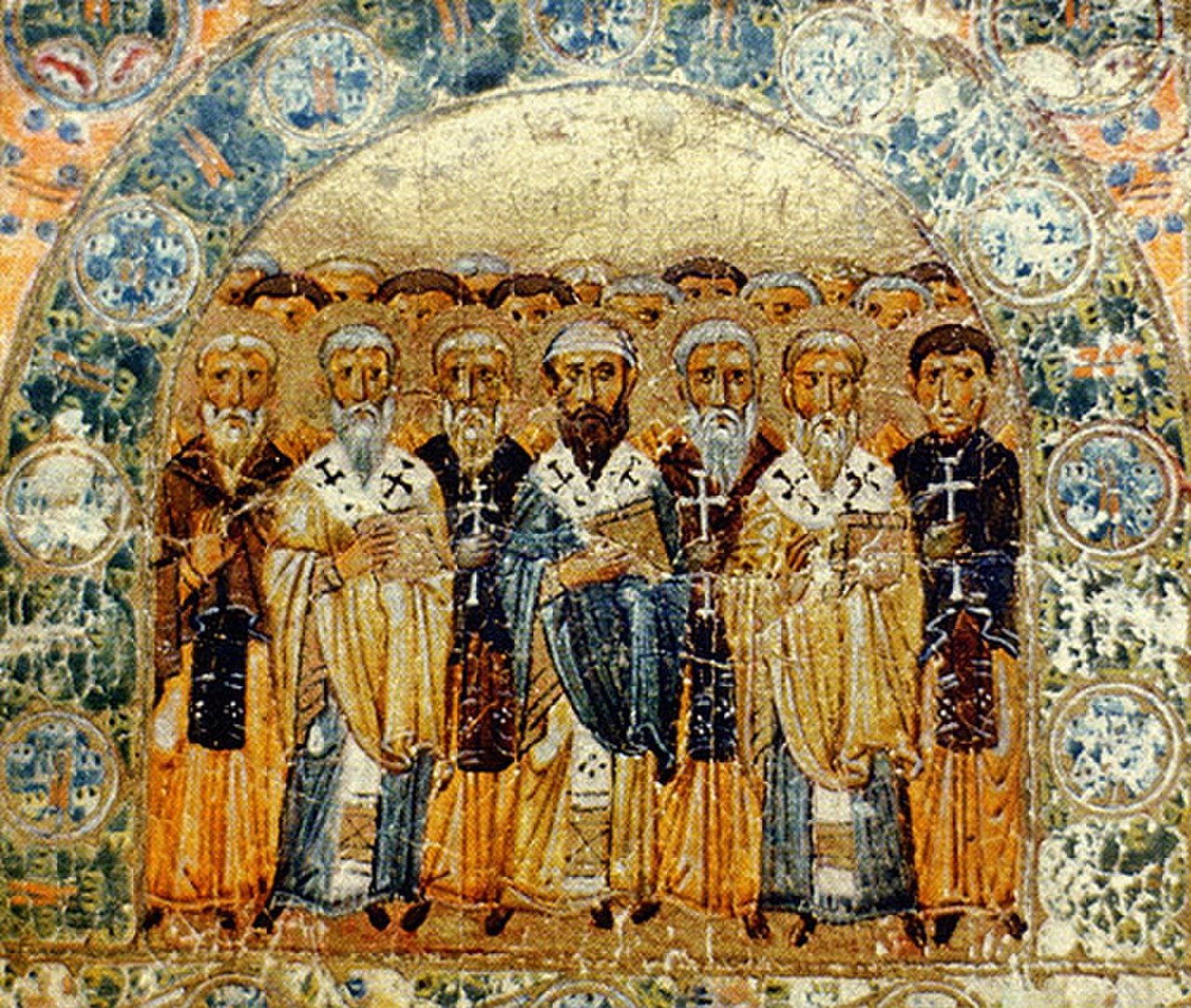
The Church Fathers, also known as the Early Church Fathers or Christian Fathers, were a group of influential Christian theologians and writers who played a crucial role in shaping the intellectual and doctrinal foundations of Christianity. They lived during the Patristic Era, which spanned from the late 1st to mid-8th centuries, with a particular flourish during the 4th and 5th centuries. This period was marked by the establishment of Christianity as the state church of the Roman Empire, as seen in the reign of Constantine the Great. The Church Fathers' writings had a significant impact on the development of Christian theology, as discussed in the works of Justin Martyr and Irenaeus of Lyon. Their contributions can be seen in the Apostles' Creed and the Nicene Creed.
📚 Early Christian Writers
The Early Church Fathers were a diverse group of writers, including Clement of Rome, Polycarp of Smyrna, and Ignatius of Antioch. They wrote on various topics, such as the nature of God, the role of the church, and the importance of faith and works. Their writings provide valuable insights into the early Christian community and its struggles, as seen in the letters of Pliny the Younger and the New Testament. The Church Fathers' works were widely read and studied, influencing the development of Christian theology and practice, including the liturgy and sacraments.
🕊️ The Patristic Era
The Patristic Era was a time of great intellectual and theological ferment, with the Church Fathers engaging in lively debates and discussions about the nature of God, the person of Christ, and the role of the church. This period saw the rise of prominent theologians such as Origen of Alexandria and Eusebius of Caesarea, who made significant contributions to the development of Christian theology. The Church Fathers' writings were influenced by the Septuagint and the Dead Sea Scrolls, which provided important insights into the Hebrew Bible and the Jewish tradition. The Patristic Era also saw the establishment of the canon of Scripture, which defined the boundaries of the Christian Bible.
👑 Establishment of the State Church
The establishment of Christianity as the state church of the Roman Empire had a profound impact on the development of the Church Fathers' theology and practice. The Edict of Milan, issued by Constantine the Great in 313 CE, marked a significant turning point in the history of Christianity, as it granted toleration to Christians and paved the way for the church to become a dominant force in Roman society. The Church Fathers' writings reflect this new reality, as they began to engage with the imperial authorities and to develop a theology that was compatible with the demands of state power. This can be seen in the works of Ambrose of Milan and John Chrysostom.
📖 Key Figures and Their Works
Some of the most important Church Fathers include Augustine of Hippo, Jerome, and Gregory of Nazianzus. These theologians made significant contributions to the development of Christian doctrine, including the doctrine of the Trinity and the nature of the church. Their writings continue to be studied and revered today, offering insights into the early Christian community and its struggles. The Church Fathers' works were influenced by the Council of Nicaea and the Council of Constantinople, which defined the boundaries of Christian orthodoxy.
💡 Doctrinal Foundations of Christianity
The Church Fathers played a crucial role in establishing the doctrinal foundations of Christianity, including the doctrine of the Trinity and the nature of the church. Their writings reflect a deep engagement with the biblical text, as well as a commitment to the apostolic tradition. The Church Fathers' theology was shaped by their engagement with the Gnostics and other heterodox groups, which forced them to clarify and define the boundaries of Christian orthodoxy. This can be seen in the works of Irenaeus of Lyon and Hippolytus of Rome.
🌎 Spread of Christianity
The spread of Christianity during the Patristic Era was a complex and multifaceted process, involving the missionary work of early Christians, the conversion of pagans, and the establishment of Christian communities in urban centers. The Church Fathers played a significant role in this process, as they wrote apologetic works and engaged in debates with non-Christians. The spread of Christianity was also influenced by the Roman road network and the Mediterranean trade, which facilitated the movement of people and ideas across the empire.
📝 Preservation of Church Fathers' Writings
The preservation of the Church Fathers' writings is a testament to the enduring importance of their theology and practice. Many of their works have survived to the present day, offering insights into the early Christian community and its struggles. The Church Fathers' writings continue to be studied and revered today, providing a window into the past and a guide for the present. The preservation of their works was facilitated by the monastic scriptorium and the University of Alexandria.
🤝 Influence on Western Philosophy
The Church Fathers had a significant influence on Western philosophy, particularly in the areas of metaphysics and epistemology. Their writings reflect a deep engagement with the philosophical traditions of the ancient world, including Platonism and Aristotelianism. The Church Fathers' theology was shaped by their engagement with these traditions, as they sought to develop a distinctively Christian philosophy. This can be seen in the works of Augustine of Hippo and Boethius.
🌐 Legacy of the Church Fathers
The legacy of the Church Fathers continues to be felt today, as their writings and theology remain an essential part of Christian tradition. Their contributions to the development of Christian doctrine, practice, and culture are immeasurable, and their influence can be seen in many areas of Western society. The Church Fathers' writings offer a window into the past, providing insights into the early Christian community and its struggles. Their legacy can be seen in the Eastern Orthodox Church and the Roman Catholic Church.
📊 Controversies and Debates
Despite their significant contributions to the development of Christianity, the Church Fathers were not without controversy. Many of their writings reflect a deep-seated anti-Judaism, which has been the subject of much debate and criticism. Additionally, the Church Fathers' theology was often shaped by their engagement with the imperial authorities, which has led some to question the extent to which their writings reflect a genuinely Christian perspective. This can be seen in the works of Justin Martyr and Irenaeus of Lyon.
👥 Notable Church Fathers
Some of the most notable Church Fathers include Clement of Alexandria, Tertullian, and Cyprian of Carthage. These theologians made significant contributions to the development of Christian doctrine and practice, and their writings continue to be studied and revered today. The Church Fathers' works were influenced by the Septuagint and the Dead Sea Scrolls, which provided important insights into the Hebrew Bible and the Jewish tradition.
Key Facts
- Category
- topic
- Type
- topic
Frequently Asked Questions
Who were the Church Fathers?
The Church Fathers were a group of influential Christian theologians and writers who lived during the Patristic Era, which spanned from the late 1st to mid-8th centuries. They played a crucial role in shaping the intellectual and doctrinal foundations of Christianity, as seen in the works of Justin Martyr and Irenaeus of Lyon. Their writings reflect a deep engagement with the biblical text, as well as a commitment to the apostolic tradition. The Church Fathers' theology was shaped by their engagement with the Gnostics and other heterodox groups, which forced them to clarify and define the boundaries of Christian orthodoxy.
What was the Patristic Era?
The Patristic Era was a historical period that spanned from the late 1st to mid-8th centuries, during which the Church Fathers lived and wrote. This period was marked by the establishment of Christianity as the state church of the Roman Empire, as seen in the reign of Constantine the Great. The Patristic Era saw the rise of prominent theologians such as Origen of Alexandria and Eusebius of Caesarea, who made significant contributions to the development of Christian theology. The Church Fathers' writings were influenced by the Septuagint and the Dead Sea Scrolls, which provided important insights into the Hebrew Bible and the Jewish tradition.
What were some of the key contributions of the Church Fathers?
The Church Fathers made significant contributions to the development of Christian doctrine, practice, and culture. They established the intellectual and doctrinal foundations of Christianity, as seen in the works of Augustine of Hippo and Jerome. Their writings reflect a deep engagement with the biblical text, as well as a commitment to the apostolic tradition. The Church Fathers' theology was shaped by their engagement with the Gnostics and other heterodox groups, which forced them to clarify and define the boundaries of Christian orthodoxy. This can be seen in the works of Irenaeus of Lyon and Hippolytus of Rome.
How did the Church Fathers influence Western philosophy?
The Church Fathers had a significant influence on Western philosophy, particularly in the areas of metaphysics and epistemology. Their writings reflect a deep engagement with the philosophical traditions of the ancient world, including Platonism and Aristotelianism. The Church Fathers' theology was shaped by their engagement with these traditions, as they sought to develop a distinctively Christian philosophy. This can be seen in the works of Augustine of Hippo and Boethius. The Church Fathers' influence can be seen in the University of Paris and the University of Oxford.
What is the legacy of the Church Fathers today?
The legacy of the Church Fathers continues to be felt today, as their writings and theology remain an essential part of Christian tradition. Their contributions to the development of Christian doctrine, practice, and culture are immeasurable, and their influence can be seen in many areas of Western society. The Church Fathers' writings offer a window into the past, providing insights into the early Christian community and its struggles. Their legacy can be seen in the Eastern Orthodox Church and the Roman Catholic Church. The Church Fathers' influence can also be seen in the Protestant Reformation and the Counter-Reformation.
How did the Church Fathers engage with the imperial authorities?
The Church Fathers engaged with the imperial authorities in a variety of ways, including through their writings and their involvement in the imperial court. Many of the Church Fathers, such as Ambrose of Milan and John Chrysostom, were closely tied to the imperial authorities and sought to influence their policies and decisions. The Church Fathers' theology was shaped by their engagement with the imperial authorities, as they sought to develop a distinctively Christian philosophy that was compatible with the demands of state power. This can be seen in the works of Eusebius of Caesarea and Constantine the Great.
What were some of the controversies surrounding the Church Fathers?
The Church Fathers were not without controversy, as many of their writings reflect a deep-seated anti-Judaism and a willingness to engage in theological debates and disputes. Additionally, the Church Fathers' theology was often shaped by their engagement with the imperial authorities, which has led some to question the extent to which their writings reflect a genuinely Christian perspective. This can be seen in the works of Justin Martyr and Irenaeus of Lyon. The Church Fathers' influence can be seen in the Crusades and the Inquisition.