
Contents
- 🌊 Introduction to Christening: A Timeless Tradition
- ✝️ The History of Christening: Roots in Christianity
- 👶 Infant Baptism: A Controversial yet Widespread Practice
- 🚣♀️ Christening of Watercraft: A Ceremonial Ship Launching
- 📜 The Significance of Christening in Christian Culture
- 🤝 The Role of Godparents in Christening
- 🎉 Christening Celebrations: Traditions and Customs
- 🌎 Christening Around the World: Cultural Variations
- 📊 Christening Statistics: Trends and Insights
- 🤔 The Future of Christening: Challenges and Opportunities
- 📚 Conclusion: The Enduring Legacy of Christening
- Frequently Asked Questions
- Related Topics
Overview
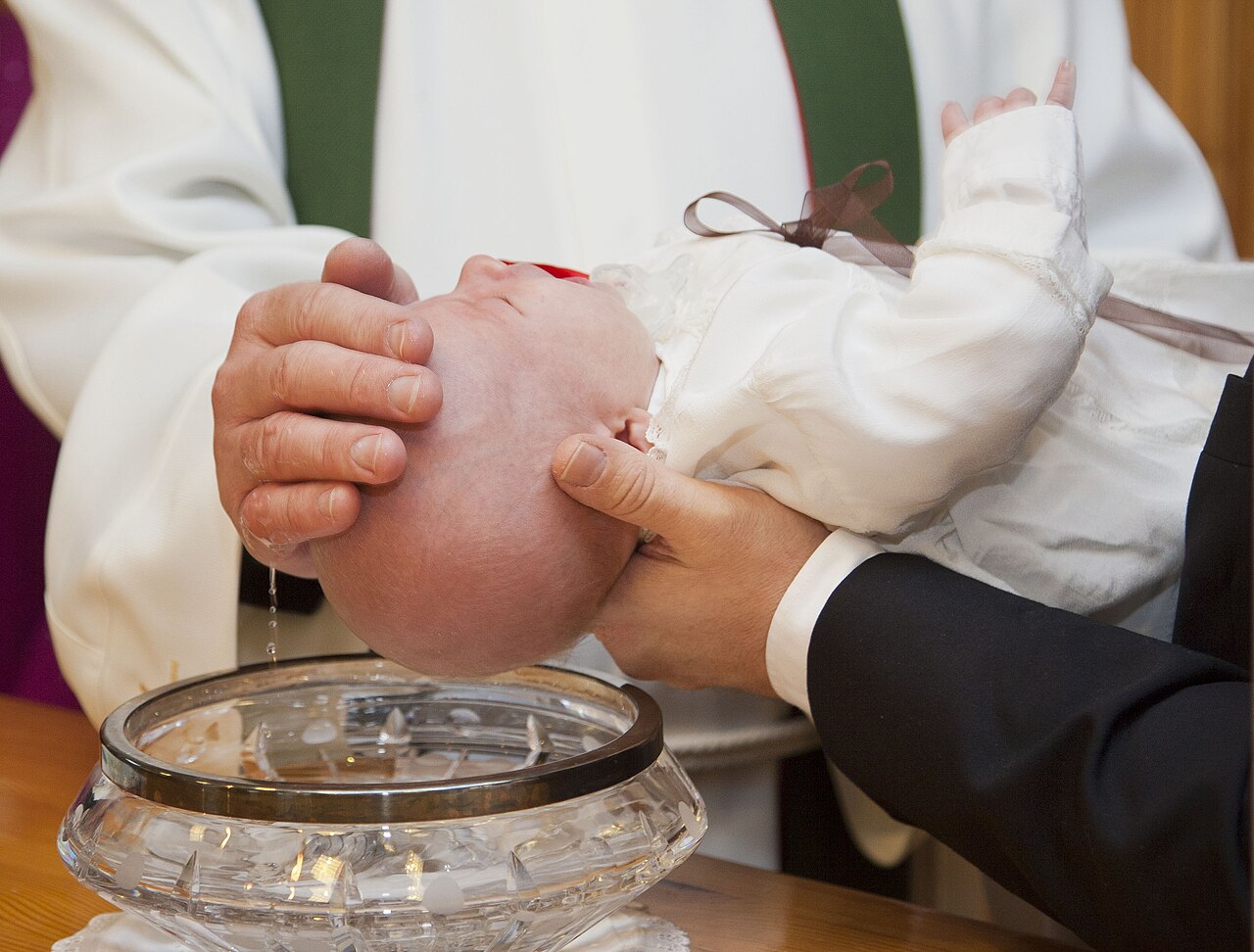
Christening, a ritual marking a child's entry into the Christian faith, has a rich history dating back to the early Christian Church. The practice, also known as baptism, involves water and is seen as a symbol of spiritual rebirth. With a vibe score of 8, christening remains a widely practiced and culturally significant tradition, especially in Christian-majority countries. However, its meaning and implementation vary across different Christian denominations, sparking debates about its necessity and form. The ritual has also evolved over time, incorporating various cultural and personal elements, making each christening unique. As the world becomes increasingly secular, the future of christening remains a topic of discussion, with some predicting a decline in traditional practices and others seeing a resurgence in spiritual seeking. The influence of celebrity christenings, such as the British royal family's, also contributes to the ritual's enduring appeal, with many emulating these high-profile events. Christening has been influenced by key figures such as Martin Luther and John Calvin, who played significant roles in shaping the practice within their respective denominations. The controversy surrounding christening is reflected in its controversy spectrum, which ranges from debates about infant baptism to discussions on the role of the ritual in modern society.
🌊 Introduction to Christening: A Timeless Tradition
The tradition of christening has been a cornerstone of Christian culture for centuries, with its roots in Baptism, a Christian sacrament of initiation. Christening is a term that encompasses not only the sacrament of baptism but also the naming ceremony that often accompanies it. In many Christian denominations, Infant Baptism is a common practice, where infants or young children are baptized as a symbol of their initiation into the Christian faith. This practice has been the subject of much debate, with some arguing that it is a vital part of Christian tradition, while others see it as a controversial practice that raises questions about the role of Free Will in religious decision-making.
✝️ The History of Christening: Roots in Christianity
The history of christening is deeply intertwined with the history of Christianity itself. The early Christian church practiced baptism as a symbol of initiation, and over time, the ceremony evolved to include the naming of the baptized individual. In many Christian traditions, Christening is seen as a vital part of the initiation process, marking the beginning of a person's journey as a Christian. The practice of christening has been influenced by various cultural and historical factors, including the Reformation and the Counter-Reformation. Today, christening remains an important part of Christian culture, with many denominations placing a strong emphasis on the sacrament of baptism.
👶 Infant Baptism: A Controversial yet Widespread Practice
Infant baptism is a widespread practice in many Christian denominations, including the Catholic Church and the Eastern Orthodox Church. However, the practice has been the subject of much controversy, with some arguing that it is a form of Coercion that undermines the individual's right to choose their own religious path. Others see it as a vital part of Christian tradition, arguing that it provides a foundation for the child's spiritual development. The debate surrounding infant baptism is complex and multifaceted, with proponents on both sides citing Scripture and Tradition to support their arguments.
🚣♀️ Christening of Watercraft: A Ceremonial Ship Launching
In addition to its religious significance, the term christening is also used to describe the naming of a watercraft at a ceremonial ship launching. This practice has its roots in ancient maritime traditions, where ships were seen as symbols of power and prestige. Today, the christening of a ship is often a grand affair, with dignitaries and celebrities in attendance. The ceremony typically involves the breaking of a bottle of Champagne against the ship's hull, followed by a speech and a tour of the vessel. The christening of a ship is a significant event, marking the beginning of a new chapter in the vessel's history.
📜 The Significance of Christening in Christian Culture
The significance of christening in Christian culture cannot be overstated. It is a symbol of initiation, marking the beginning of a person's journey as a Christian. In many Christian traditions, christening is seen as a vital part of the initiation process, providing a foundation for the individual's spiritual development. The ceremony is often accompanied by Prayer and Hymns, and is typically performed by a Priest or other ordained minister. The role of Godparents is also an important part of the christening ceremony, as they are responsible for guiding the child in their spiritual development.
🤝 The Role of Godparents in Christening
The role of godparents in christening is a significant one, as they are responsible for guiding the child in their spiritual development. Godparents are typically chosen by the child's parents, and are expected to provide spiritual guidance and support throughout the child's life. In many Christian traditions, godparents are seen as a vital part of the christening ceremony, and are often required to make promises on behalf of the child. The relationship between godparents and their godchild is a lifelong one, and is marked by a deep sense of responsibility and commitment.
🎉 Christening Celebrations: Traditions and Customs
Christening celebrations are an important part of the initiation process, marking the beginning of a person's journey as a Christian. The ceremony is often accompanied by Music and Food, and is typically attended by family and friends. In many Christian traditions, christening celebrations are seen as a time for joy and celebration, marking the beginning of a new chapter in the individual's life. The ceremony is often followed by a reception, where guests can gather to congratulate the family and celebrate the occasion. The christening celebration is a significant event, marking the beginning of a lifelong journey of faith and devotion.
🌎 Christening Around the World: Cultural Variations
Christening practices vary widely around the world, reflecting the diverse cultural and historical contexts in which they are practiced. In some cultures, christening is a grand affair, marked by elaborate ceremonies and celebrations. In others, it is a more subdued affair, marked by simple rituals and traditions. The cultural variations in christening practices are a reflection of the diverse ways in which Christianity has been interpreted and practiced throughout history. From the Orthodox Church in the East to the Catholic Church in the West, christening practices have been shaped by a complex array of cultural and historical factors.
📊 Christening Statistics: Trends and Insights
Christening statistics provide valuable insights into the trends and patterns of christening practices around the world. According to recent statistics, the number of christenings has been declining in recent years, reflecting a broader decline in religious affiliation. However, the practice of christening remains an important part of Christian culture, with many denominations placing a strong emphasis on the sacrament of baptism. The statistics also reveal significant regional variations in christening practices, with some countries having much higher rates of christening than others. The data provides a fascinating glimpse into the complex and multifaceted world of christening practices.
🤔 The Future of Christening: Challenges and Opportunities
The future of christening is uncertain, with many challenges and opportunities on the horizon. As the world becomes increasingly secular, the practice of christening may decline, reflecting a broader decline in religious affiliation. However, the sacrament of baptism remains a vital part of Christian tradition, and is likely to continue to play an important role in the lives of Christians around the world. The challenge for Christian denominations will be to adapt to changing cultural and historical contexts, while remaining true to the core principles of the faith. The future of christening will be shaped by a complex array of factors, including Demographics, Technology, and Globalization.
📚 Conclusion: The Enduring Legacy of Christening
In conclusion, the tradition of christening is a timeless and enduring part of Christian culture, marking the beginning of a person's journey as a Christian. From its roots in Baptism to its modern-day practices, christening has played a significant role in shaping the spiritual lives of millions of people around the world. As the world continues to evolve and change, the practice of christening will likely continue to adapt, reflecting the diverse cultural and historical contexts in which it is practiced. The legacy of christening will endure, a testament to the power of faith and tradition to shape our lives and our communities.
Key Facts
- Year
- 300
- Origin
- Early Christian Church
- Category
- Religion and Culture
- Type
- Ritual
Frequently Asked Questions
What is the difference between baptism and christening?
Baptism and christening are often used interchangeably, but they have distinct meanings. Baptism refers to the sacrament of initiation, while christening refers to the naming ceremony that often accompanies it. In many Christian traditions, christening is seen as a vital part of the initiation process, providing a foundation for the individual's spiritual development. The ceremony is often accompanied by Prayer and Hymns, and is typically performed by a Priest or other ordained minister.
What is the role of godparents in christening?
The role of godparents in christening is a significant one, as they are responsible for guiding the child in their spiritual development. Godparents are typically chosen by the child's parents, and are expected to provide spiritual guidance and support throughout the child's life. In many Christian traditions, godparents are seen as a vital part of the christening ceremony, and are often required to make promises on behalf of the child. The relationship between godparents and their godchild is a lifelong one, and is marked by a deep sense of responsibility and commitment.
What are the cultural variations in christening practices?
Christening practices vary widely around the world, reflecting the diverse cultural and historical contexts in which they are practiced. In some cultures, christening is a grand affair, marked by elaborate ceremonies and celebrations. In others, it is a more subdued affair, marked by simple rituals and traditions. The cultural variations in christening practices are a reflection of the diverse ways in which Christianity has been interpreted and practiced throughout history. From the Orthodox Church in the East to the Catholic Church in the West, christening practices have been shaped by a complex array of cultural and historical factors.
What is the significance of christening in Christian culture?
The significance of christening in Christian culture cannot be overstated. It is a symbol of initiation, marking the beginning of a person's journey as a Christian. In many Christian traditions, christening is seen as a vital part of the initiation process, providing a foundation for the individual's spiritual development. The ceremony is often accompanied by Prayer and Hymns, and is typically performed by a Priest or other ordained minister. The role of Godparents is also an important part of the christening ceremony, as they are responsible for guiding the child in their spiritual development.
What is the future of christening?
The future of christening is uncertain, with many challenges and opportunities on the horizon. As the world becomes increasingly secular, the practice of christening may decline, reflecting a broader decline in religious affiliation. However, the sacrament of baptism remains a vital part of Christian tradition, and is likely to continue to play an important role in the lives of Christians around the world. The challenge for Christian denominations will be to adapt to changing cultural and historical contexts, while remaining true to the core principles of the faith. The future of christening will be shaped by a complex array of factors, including Demographics, Technology, and Globalization.
What is the relationship between christening and baptism?
The relationship between christening and baptism is complex and multifaceted. In many Christian traditions, christening is seen as a vital part of the initiation process, providing a foundation for the individual's spiritual development. Baptism is the sacrament of initiation, while christening is the naming ceremony that often accompanies it. The two are closely linked, and are often used interchangeably. However, they have distinct meanings, and are practiced in different ways around the world.
What is the role of the church in christening?
The role of the church in christening is a significant one, as it provides a spiritual framework for the ceremony. In many Christian traditions, the church is seen as a vital part of the initiation process, providing a sense of community and belonging for the individual. The church is responsible for performing the ceremony, and for providing spiritual guidance and support to the individual and their family. The role of the church in christening is a complex and multifaceted one, reflecting the diverse ways in which Christianity has been interpreted and practiced throughout history.