
Contents
- 🏛️ Introduction to Christ the Redeemer
- 🕊️ Historical Context of Christ the Redeemer
- 🗼️ Architectural Significance of Christ the Redeemer
- 🌎 Cultural Impact of Christ the Redeemer
- 👥 Design and Construction of Christ the Redeemer
- 🏞️ Location and Setting of Christ the Redeemer
- 💡 Symbolism and Meaning of Christ the Redeemer
- 📸 Tourism and Pop Culture References to Christ the Redeemer
- 🌟 Restoration and Preservation Efforts for Christ the Redeemer
- 🌎 Global Recognition and Influence of Christ the Redeemer
- Frequently Asked Questions
- Related Topics
Overview
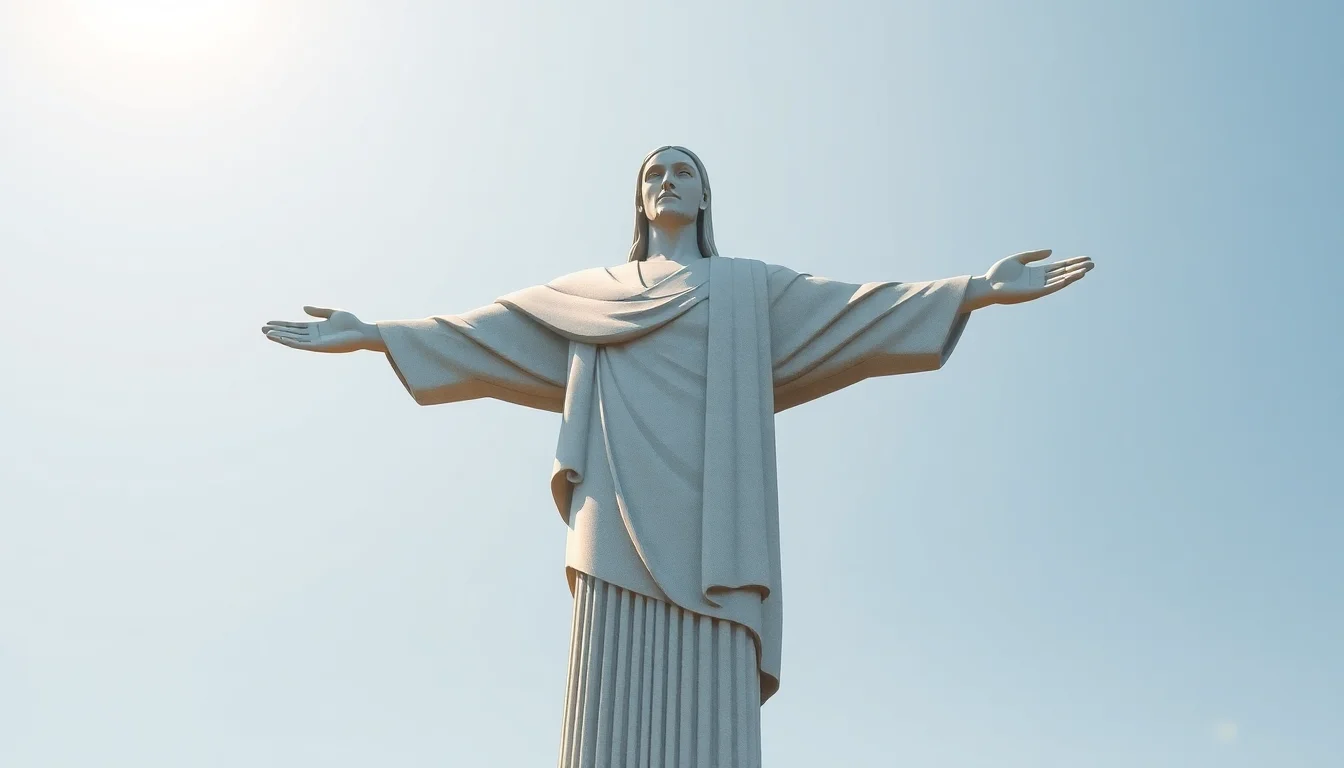
Christ the Redeemer, designed by Paul Landowski and built by Heitor da Silva Costa, is a 98-foot-tall Art Deco statue of Jesus Christ in Rio de Janeiro, Brazil. Completed in 1931, it has become an iconic symbol of Christianity and Brazilian culture, attracting over 2 million visitors annually. The statue's construction was a complex process, involving multiple designers and engineers, including Albert Caquot, who designed the reinforced concrete structure. With a vibe score of 8, Christ the Redeemer is widely regarded as one of the Seven Wonders of the Modern World, and its influence can be seen in numerous other monuments and artworks. However, its construction was not without controversy, with some critics arguing that it was a symbol of Catholicism's influence in Brazil. Today, Christ the Redeemer remains a powerful cultural and religious symbol, with ongoing debates about its meaning and significance. The statue's maintenance and restoration are ongoing, with a major restoration project completed in 2010, and it continues to be a source of inspiration for artists, architects, and engineers around the world.
🏛️ Introduction to Christ the Redeemer
The iconic Christ the Redeemer statue in Rio de Janeiro, Brazil, is one of the most recognizable landmarks in the world, symbolizing Christianity and Brazilian culture. Designed by French sculptor Paul Landowski and built by Brazilian engineer Heitor da Silva Costa, the statue has become a cultural phenomenon, attracting millions of visitors each year. The statue's design was influenced by Art Deco and Modernist styles, reflecting the architectural trends of the time. As a symbol of Christ the Redeemer, the statue represents the values of peace and unity. The statue's construction was a massive undertaking, requiring the labor of hundreds of workers and the expertise of skilled engineers like Albert Caquot.
🕊️ Historical Context of Christ the Redeemer
The concept of Christ the Redeemer has its roots in Christian theology, which emphasizes the role of Jesus Christ as the savior of humanity. This idea has been depicted in various forms of art and architecture throughout history, from the early Byzantine Empire to modern times. The Christ the Redeemer statue in Rio de Janeiro is a testament to the enduring power of this symbol, which has become an integral part of Brazilian identity. The statue's construction was also influenced by the Catholic Church, which played a significant role in shaping the cultural and religious landscape of Brazil. As a cultural icon, Christ the Redeemer has been referenced in numerous pop culture works, including films, music, and literature. The statue's design has also been influenced by French culture, particularly in its use of Art Nouveau elements.
🗼️ Architectural Significance of Christ the Redeemer
The Christ the Redeemer statue is an engineering marvel, with its massive concrete structure and intricate Art Deco details. The statue's design was influenced by the Modernist movement, which emphasized simplicity, functionality, and innovation. The statue's construction required the development of new techniques and materials, such as reinforced concrete, which was a relatively new technology at the time. As a work of public art, the statue has become a beloved landmark, attracting visitors from around the world. The statue's design has also been influenced by Brazilian Modernism, which emphasized the use of local materials and techniques. The statue's construction was a collaborative effort, involving the work of Heitor da Silva Costa and other skilled engineers and architects.
🌎 Cultural Impact of Christ the Redeemer
The cultural impact of Christ the Redeemer cannot be overstated, as it has become a symbol of Brazilian identity and a source of national pride. The statue has been referenced in numerous pop culture works, including films, music, and literature. As a cultural icon, Christ the Redeemer has also been the subject of controversy and debate, with some critics arguing that it represents a colonialist or imperialist ideology. However, for many Brazilians, the statue is a powerful symbol of hope and unity, representing the country's diverse cultural heritage. The statue's design has also been influenced by indigenous culture, particularly in its use of local materials and motifs. The statue's construction was also influenced by the Brazilian government, which provided funding and support for the project.
👥 Design and Construction of Christ the Redeemer
The design and construction of Christ the Redeemer was a complex and challenging process, involving the work of hundreds of workers and the expertise of skilled engineers and architects. The statue's design was influenced by Paul Landowski, a French sculptor who was commissioned to create the statue. The statue's construction required the development of new techniques and materials, such as reinforced concrete, which was a relatively new technology at the time. As a work of public art, the statue has become a beloved landmark, attracting visitors from around the world. The statue's design has also been influenced by Heitor da Silva Costa, a Brazilian engineer who played a crucial role in the statue's construction. The statue's construction was a collaborative effort, involving the work of Albert Caquot and other skilled engineers and architects.
🏞️ Location and Setting of Christ the Redeemer
The location and setting of Christ the Redeemer are breathtaking, with the statue situated atop the Corcovado Mountain in Rio de Janeiro. The statue's design was influenced by the natural surroundings, with the Art Deco details and Modernist style reflecting the city's vibrant cultural landscape. As a cultural icon, Christ the Redeemer has become a symbol of Rio de Janeiro, representing the city's diverse cultural heritage and stunning natural beauty. The statue's construction was also influenced by the Brazilian landscape, particularly in its use of local materials and motifs. The statue's design has also been influenced by Tropical Modernism, which emphasized the use of local materials and techniques. The statue's location has also made it a popular destination for ecotourism and adventure tourism.
💡 Symbolism and Meaning of Christ the Redeemer
The symbolism and meaning of Christ the Redeemer are complex and multifaceted, representing both Christianity and Brazilian culture. The statue's design was influenced by Paul Landowski, who sought to create a symbol of peace and unity. As a cultural icon, Christ the Redeemer has become a powerful symbol of hope and redemption, representing the country's diverse cultural heritage. The statue's construction was also influenced by the Catholic Church, which played a significant role in shaping the cultural and religious landscape of Brazil. The statue's design has also been influenced by French culture, particularly in its use of Art Nouveau elements. The statue's symbolism has also been interpreted in various ways, with some seeing it as a symbol of colonialism or imperialism.
📸 Tourism and Pop Culture References to Christ the Redeemer
Christ the Redeemer has been referenced in numerous pop culture works, including films, music, and literature. The statue's design has also been influential in the development of Brazilian Modernism, which emphasized the use of local materials and techniques. As a cultural icon, Christ the Redeemer has become a beloved landmark, attracting visitors from around the world. The statue's construction was a collaborative effort, involving the work of Heitor da Silva Costa and other skilled engineers and architects. The statue's design has also been influenced by indigenous culture, particularly in its use of local materials and motifs. The statue's location has also made it a popular destination for ecotourism and adventure tourism. The statue has also been the subject of numerous photography and art projects, showcasing its stunning beauty and cultural significance.
🌟 Restoration and Preservation Efforts for Christ the Redeemer
The restoration and preservation efforts for Christ the Redeemer have been ongoing, with the statue undergoing several renovations and repairs over the years. The statue's design was influenced by Paul Landowski, who sought to create a symbol of peace and unity. As a cultural icon, Christ the Redeemer has become a powerful symbol of hope and redemption, representing the country's diverse cultural heritage. The statue's construction was also influenced by the Catholic Church, which played a significant role in shaping the cultural and religious landscape of Brazil. The statue's design has also been influenced by French culture, particularly in its use of Art Nouveau elements. The statue's preservation has also been supported by the Brazilian government, which has provided funding and resources for the project.
🌎 Global Recognition and Influence of Christ the Redeemer
Christ the Redeemer has become a global icon, recognized and revered by people around the world. The statue's design was influenced by Paul Landowski, who sought to create a symbol of peace and unity. As a cultural icon, Christ the Redeemer has become a powerful symbol of hope and redemption, representing the country's diverse cultural heritage. The statue's construction was also influenced by the Catholic Church, which played a significant role in shaping the cultural and religious landscape of Brazil. The statue's design has also been influenced by French culture, particularly in its use of Art Nouveau elements. The statue's global recognition has also made it a popular destination for ecotourism and adventure tourism. The statue has also been the subject of numerous photography and art projects, showcasing its stunning beauty and cultural significance.
Key Facts
- Year
- 1931
- Origin
- Rio de Janeiro, Brazil
- Category
- History, Architecture, Culture
- Type
- Monument
Frequently Asked Questions
What is the significance of Christ the Redeemer?
Christ the Redeemer is a cultural icon that represents Brazilian identity and a source of national pride. The statue has become a symbol of hope and unity, representing the country's diverse cultural heritage. The statue's design was influenced by Paul Landowski, who sought to create a symbol of peace and unity. As a cultural icon, Christ the Redeemer has become a powerful symbol of hope and redemption, representing the country's diverse cultural heritage. The statue's construction was also influenced by the Catholic Church, which played a significant role in shaping the cultural and religious landscape of Brazil.
Who designed Christ the Redeemer?
The Christ the Redeemer statue was designed by French sculptor Paul Landowski and built by Brazilian engineer Heitor da Silva Costa. The statue's design was influenced by Art Deco and Modernist styles, reflecting the architectural trends of the time. The statue's construction required the development of new techniques and materials, such as reinforced concrete, which was a relatively new technology at the time.
Where is Christ the Redeemer located?
The Christ the Redeemer statue is located in Rio de Janeiro, Brazil, atop the Corcovado Mountain. The statue's location has made it a popular destination for ecotourism and adventure tourism. The statue's design was influenced by the natural surroundings, with the Art Deco details and Modernist style reflecting the city's vibrant cultural landscape.
What is the height of Christ the Redeemer?
The Christ the Redeemer statue is 98 feet (30 meters) tall, including the pedestal. The statue's design was influenced by Paul Landowski, who sought to create a symbol of peace and unity. The statue's construction required the development of new techniques and materials, such as reinforced concrete, which was a relatively new technology at the time.
How was Christ the Redeemer built?
The Christ the Redeemer statue was built using reinforced concrete and soapstone, with a steel framework supporting the structure. The statue's construction required the labor of hundreds of workers and the expertise of skilled engineers and architects. The statue's design was influenced by Heitor da Silva Costa, a Brazilian engineer who played a crucial role in the statue's construction.