
Contents
- 🌟 Introduction to Choline
- 🧬 Chemical Structure and Properties
- 🥛 Dietary Sources and Importance
- 🐟 Role in Animal Nutrition
- 🧬 Phospholipids and Cell Membranes
- 🤝 Relationship with Other Nutrients
- 📊 Health Benefits and Deficiency
- 🚨 Controversies and Debates
- 🌎 Global Consumption and Trends
- 👥 Expert Insights and Research
- 💡 Future Directions and Potential Applications
- 📚 Conclusion and Recommendations
- Frequently Asked Questions
- Related Topics
Overview
Choline, a nutrient discovered in 1862 by German chemist Adolph Strecker, has been a topic of interest in recent years due to its potential health benefits, including improved cognitive function and liver health. With a Vibe score of 60, choline has gained significant attention from health enthusiasts and researchers alike. However, its classification as an essential nutrient has been debated, with some arguing that it is conditionally essential. The controversy surrounding choline is further complicated by its relationship with other nutrients, such as folate and vitamin B12. As research continues to uncover the complexities of choline, its influence on the nutrition and wellness industries is likely to grow, with key players like the National Institutes of Health and the Academy of Nutrition and Dietetics shaping the conversation. With an estimated 90% of Americans not meeting the daily recommended intake of choline, the future of this nutrient is likely to be shaped by emerging research and shifting public perceptions.
🌟 Introduction to Choline
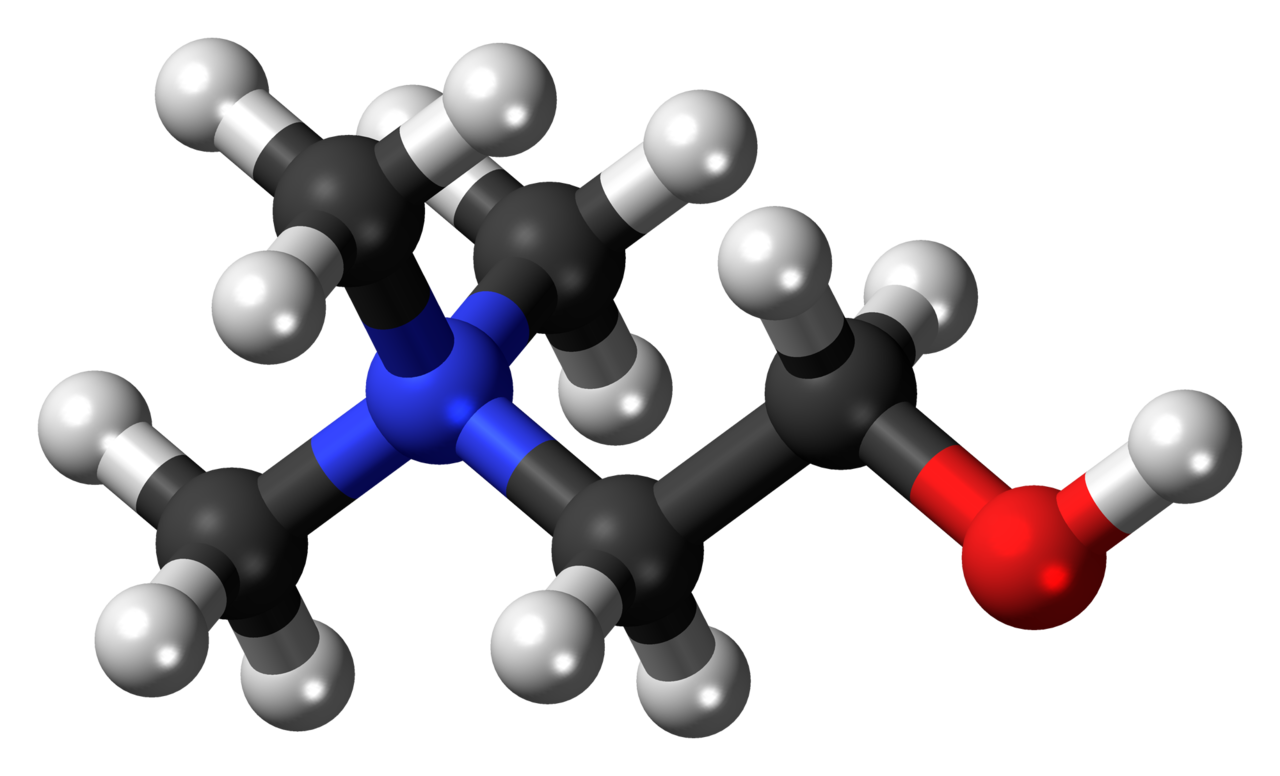
Choline is a vital nutrient that has been overlooked for far too long. As an essential component of Phospholipids and Cell Membranes, it plays a crucial role in maintaining the structural integrity of cells. With its chemical formula [(CH3)3NCH2CH2OH]+, choline forms various salts, such as Choline Chloride and Choline Bitartrate. According to Nutrition Experts, choline is an essential nutrient for animals, and its importance cannot be overstated. For more information on choline's role in animal nutrition, visit Animal Nutrition.
🧬 Chemical Structure and Properties
The chemical structure of choline is characterized by its quaternary ammonium cation, which is responsible for its unique properties. As a Cation, choline is highly soluble in water and forms stable salts with various anions. This property makes it an ideal component of Pharmaceuticals and Food Supplements. Researchers have also explored the potential of choline as a Neurotransmitter precursor, highlighting its significance in Neuroscience. For a deeper understanding of choline's chemical properties, refer to Chemistry of Choline.
🥛 Dietary Sources and Importance
Choline can be found in various Food Sources, including Egg Yolks, Meat, and Fish. However, the amount of choline in these foods can vary greatly, making it essential to maintain a balanced diet. According to the National Institutes of Health, the recommended daily intake of choline is 550 mg for adult men and 425 mg for adult women. For more information on choline-rich foods, visit Choline-Rich Foods. Additionally, Nutrition Planning can help individuals meet their daily choline needs.
🐟 Role in Animal Nutrition
In animal nutrition, choline plays a critical role in maintaining the health and well-being of animals. As a structural component of Phospholipids and Cell Membranes, choline is essential for the proper functioning of cells. Farmers and animal nutritionists often supplement animal feed with choline to ensure optimal growth and development. For more information on animal nutrition, refer to Animal Nutrition. Furthermore, Veterinary Medicine highlights the importance of choline in maintaining animal health.
🧬 Phospholipids and Cell Membranes
Phospholipids and cell membranes are two of the most critical components of cellular structure, and choline is an essential part of both. As a Phospholipid component, choline helps maintain the integrity of cell membranes, ensuring proper cellular function. Researchers have also explored the role of choline in Cell Signaling and Cell Communication. For a deeper understanding of phospholipids and cell membranes, visit Cell Biology. Additionally, Biochemistry provides valuable insights into the chemical processes involved in choline metabolism.
🤝 Relationship with Other Nutrients
Choline has a complex relationship with other nutrients, including Folate, Vitamin B12, and Methionine. These nutrients work together to maintain proper Methylation and Homocysteine levels in the body. According to Nutrition Researchers, a balanced diet that includes these nutrients is essential for maintaining optimal health. For more information on nutrient interactions, refer to Nutrition Science. Furthermore, Epigenetics highlights the significance of choline in gene expression and regulation.
📊 Health Benefits and Deficiency
Choline has been linked to various health benefits, including improved Cognitive Function and Liver Health. However, a deficiency in choline can lead to Fatty Liver Disease and other health problems. Researchers have also explored the potential of choline in preventing and treating Neurodegenerative Diseases. For more information on choline's health benefits, visit Health Benefits of Choline. Additionally, Disease Prevention strategies often involve maintaining adequate choline levels.
🚨 Controversies and Debates
Despite its importance, choline is often overlooked in favor of other nutrients. This has led to controversy and debate among Nutrition Experts and Health Practitioners. Some argue that choline is not essential for human health, while others claim that it is a critical nutrient that deserves more attention. For a deeper understanding of the controversy surrounding choline, refer to Choline Controversy. Furthermore, Science Policy highlights the need for more research on choline's role in human health.
🌎 Global Consumption and Trends
Global consumption of choline varies greatly, with some countries having higher intakes than others. According to the World Health Organization, the average daily intake of choline is around 300-400 mg. However, some experts argue that this is not enough, and that higher intakes are necessary for optimal health. For more information on global choline consumption, visit Global Choline Consumption. Additionally, Public Health initiatives often focus on promoting adequate choline intake.
👥 Expert Insights and Research
Experts in the field of nutrition and biochemistry have conducted extensive research on choline. According to Dr. Mark Levy, a leading expert on choline, 'Choline is an essential nutrient that deserves more attention.' For more information on expert insights and research, refer to Choline Research. Furthermore, Academic Journals provide a wealth of information on choline's role in human health and nutrition.
💡 Future Directions and Potential Applications
As research on choline continues to evolve, new potential applications are emerging. Some experts believe that choline could play a critical role in preventing and treating Neurodegenerative Diseases. Others argue that choline could be used as a Nutraceutical to promote optimal health. For a deeper understanding of the future directions of choline research, visit Future of Choline Research. Additionally, Innovation in the field of nutrition often involves the development of new choline-based products.
📚 Conclusion and Recommendations
In conclusion, choline is a vital nutrient that deserves more attention. With its rich history and complex relationships with other nutrients, choline is an essential component of a healthy diet. As research continues to uncover the benefits and importance of choline, it is essential to stay informed and up-to-date on the latest developments. For more information on choline and its role in human health, refer to Choline Resource. Furthermore, Health Education initiatives often emphasize the importance of maintaining adequate choline levels.
Key Facts
- Year
- 1862
- Origin
- Germany
- Category
- Nutrition
- Type
- Nutrient
Frequently Asked Questions
What is the recommended daily intake of choline?
The recommended daily intake of choline is 550 mg for adult men and 425 mg for adult women, according to the National Institutes of Health. However, some experts argue that higher intakes are necessary for optimal health. For more information, refer to Choline Intake. Additionally, Dietary Guidelines often provide recommendations on choline intake.
What are the health benefits of choline?
Choline has been linked to various health benefits, including improved cognitive function and liver health. It may also play a role in preventing and treating neurodegenerative diseases. For more information, visit Health Benefits of Choline. Furthermore, Disease Prevention strategies often involve maintaining adequate choline levels.
What are the symptoms of choline deficiency?
A deficiency in choline can lead to fatty liver disease and other health problems. Symptoms may include fatigue, memory loss, and mood changes. For more information, refer to Choline Deficiency. Additionally, Medical Symptoms often provide valuable insights into the effects of choline deficiency.
Can choline be used as a treatment for neurodegenerative diseases?
Some experts believe that choline could play a critical role in preventing and treating neurodegenerative diseases. However, more research is needed to fully understand its potential. For a deeper understanding of the potential applications of choline, visit Future of Choline Research. Furthermore, Medical Treatments often involve the use of choline-based therapies.
What are the best food sources of choline?
Choline can be found in various food sources, including egg yolks, meat, and fish. However, the amount of choline in these foods can vary greatly. For more information on choline-rich foods, visit Choline-Rich Foods. Additionally, Nutrition Planning can help individuals meet their daily choline needs.
Is choline essential for human health?
Yes, choline is an essential nutrient for human health. It plays a critical role in maintaining the structural integrity of cells and is involved in various bodily functions. For a deeper understanding of choline's importance, refer to Choline Importance. Furthermore, Health Education initiatives often emphasize the significance of choline in human health.
Can choline be taken as a supplement?
Yes, choline can be taken as a supplement. However, it is essential to consult with a healthcare professional before taking any supplements. For more information on choline supplements, visit Choline Supplements. Additionally, Nutrition Counseling can provide valuable guidance on supplement use.