
Contents
- 🌏 Introduction to the China Silk Road
- 🚂 Ancient Trade Routes: A Historical Perspective
- 📈 Economic Impact of the Silk Road
- 🚫 Challenges and Controversies
- 🌐 Modern Ambitions: The Belt and Road Initiative
- 📊 Investment and Infrastructure Development
- 🤝 International Cooperation and Diplomacy
- 🚨 Security Concerns and Risks
- 📊 Economic Benefits and Opportunities
- 👥 Key Players and Stakeholders
- 🔍 Future Prospects and Uncertainties
- Frequently Asked Questions
- Related Topics
Overview
The China Silk Road, also known as the Belt and Road Initiative (BRI), is a massive infrastructure development project aimed at connecting China with other parts of Asia, Europe, and Africa. Launched in 2013 by Chinese President Xi Jinping, the BRI has sparked both enthusiasm and controversy, with some hailing it as a game-changer for global trade and others criticizing its potential to exacerbate debt and inequality. With an estimated investment of over $1 trillion, the BRI has already led to the construction of numerous highways, railways, ports, and energy projects across the region. However, concerns over China's growing economic and political influence, as well as the environmental and social impacts of the project, have sparked heated debates. As the BRI continues to shape the global economic landscape, it is essential to examine the complex web of interests, alliances, and tensions that underpin this ambitious initiative. With a vibe score of 8, the China Silk Road is a topic that is both fascinating and fraught, with far-reaching implications for the future of global trade and geopolitics.
🌏 Introduction to the China Silk Road
The China Silk Road, also known as the Belt and Road Initiative (BRI), is a massive infrastructure development project aimed at connecting China with other parts of Asia, Europe, and Africa. The project is inspired by the ancient Silk Road, a network of trade routes that connected China with the Mediterranean region. China has been actively promoting the BRI as a means to boost economic growth, increase trade, and enhance its global influence. The project has sparked both interest and concern among European countries, with some seeing it as an opportunity for cooperation and others as a threat to their economic and strategic interests. The BRI has also been compared to the Marshall Plan, a US-led initiative to rebuild Europe after World War II. However, the BRI is a more complex and multifaceted project, with a broader geographic scope and a wider range of stakeholders.
🚂 Ancient Trade Routes: A Historical Perspective
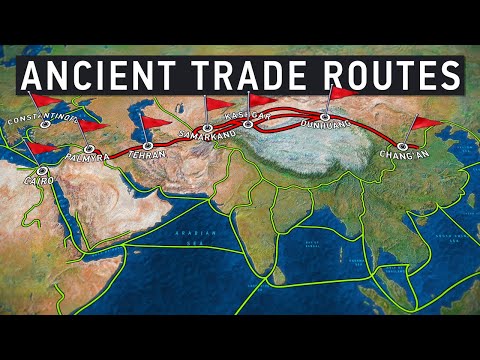
The ancient Silk Road was a network of trade routes that connected China with the Mediterranean region, stretching over 4,000 miles. The route was established during the Han Dynasty (206 BCE - 220 CE) and played a significant role in the exchange of goods, ideas, and cultures between East and West. The Silk Road was not only a conduit for trade but also a symbol of cultural exchange and cooperation. Silk, spices, and tea were among the most valuable commodities traded along the route. The ancient Silk Road also facilitated the spread of Buddhism, Christianity, and Islam across the region. Today, the legacy of the Silk Road continues to inspire international cooperation and cultural exchange, with many countries seeking to revive the historic route and promote people-to-people diplomacy.
📈 Economic Impact of the Silk Road
The economic impact of the Silk Road was significant, with trade volumes increasing substantially during the Tang Dynasty (618-907 CE). The Silk Road facilitated the exchange of goods, ideas, and technologies, contributing to the growth of cities and the development of new industries. The route also played a crucial role in the spread of paper, gunpowder, and the compass, which had a profound impact on the course of human history. Today, the BRI is expected to have a similar impact, with estimates suggesting that it could increase trade volumes by up to 10% and boost economic growth in participating countries. However, the project has also been criticized for its lack of transparency, with some countries expressing concerns about the environmental and social impact of the infrastructure development. World Bank and IMF have also raised concerns about the project's debt sustainability and potential risks to the global economy.
🚫 Challenges and Controversies
Despite its potential benefits, the BRI has been plagued by challenges and controversies. One of the main concerns is the project's lack of transparency, with many countries expressing concerns about the environmental and social impact of the infrastructure development. There are also concerns about the project's debt sustainability, with some countries struggling to repay their debts to China. The BRI has also been criticized for its potential to exacerbate existing social and economic inequalities, particularly in countries with weak governance and institutions. Furthermore, the project has been accused of promoting China's geopolitical interests at the expense of other countries, with some viewing it as a form of neocolonialism. UN and EU have also raised concerns about the project's potential impact on global governance and the rules-based international order.
🌐 Modern Ambitions: The Belt and Road Initiative
The BRI is a key component of China's foreign policy, aimed at promoting the country's economic and strategic interests. The project is expected to increase China's influence in the region, while also providing new opportunities for trade and investment. The BRI has been compared to the US-led Marshall Plan, which helped to rebuild Europe after World War II. However, the BRI is a more complex and multifaceted project, with a broader geographic scope and a wider range of stakeholders. The project has sparked both interest and concern among European countries, with some seeing it as an opportunity for cooperation and others as a threat to their economic and strategic interests. Russia and India have also been watching the project closely, with both countries seeking to promote their own economic and strategic interests in the region.
📊 Investment and Infrastructure Development
The BRI has sparked a wave of investment and infrastructure development across the region, with many countries seeking to take advantage of the project's potential benefits. The project has been estimated to require investments of over $1 trillion, with China expected to provide the bulk of the funding. The BRI has also sparked a wave of cooperation between China and other countries, with many governments seeking to promote their own economic and strategic interests. However, the project has also been criticized for its lack of transparency, with many countries expressing concerns about the environmental and social impact of the infrastructure development. World Bank and IMF have also raised concerns about the project's debt sustainability and potential risks to the global economy.
🤝 International Cooperation and Diplomacy
The BRI has also sparked a wave of international cooperation and diplomacy, with many countries seeking to promote their own economic and strategic interests. The project has been seen as an opportunity for cooperation between China and other countries, with many governments seeking to promote their own economic and strategic interests. However, the project has also been criticized for its potential to exacerbate existing social and economic inequalities, particularly in countries with weak governance and institutions. Furthermore, the project has been accused of promoting China's geopolitical interests at the expense of other countries, with some viewing it as a form of neocolonialism. UN and EU have also raised concerns about the project's potential impact on global governance and the rules-based international order.
🚨 Security Concerns and Risks
The BRI has also raised concerns about security risks, particularly in countries with weak governance and institutions. The project has been accused of promoting China's geopolitical interests at the expense of other countries, with some viewing it as a form of neocolonialism. There are also concerns about the potential for the project to exacerbate existing social and economic inequalities, particularly in countries with weak governance and institutions. Furthermore, the project has been criticized for its lack of transparency, with many countries expressing concerns about the environmental and social impact of the infrastructure development. NATO and US have also raised concerns about the project's potential impact on regional security and stability.
📊 Economic Benefits and Opportunities
Despite the challenges and controversies surrounding the BRI, the project is expected to have significant economic benefits for participating countries. The project is expected to increase trade volumes, boost economic growth, and create new opportunities for investment and cooperation. The BRI has also been seen as an opportunity for cooperation between China and other countries, with many governments seeking to promote their own economic and strategic interests. However, the project has also been criticized for its lack of transparency, with many countries expressing concerns about the environmental and social impact of the infrastructure development. World Bank and IMF have also raised concerns about the project's debt sustainability and potential risks to the global economy.
👥 Key Players and Stakeholders
The BRI has a wide range of stakeholders, including governments, businesses, and civil society organizations. The project has sparked both interest and concern among European countries, with some seeing it as an opportunity for cooperation and others as a threat to their economic and strategic interests. Russia and India have also been watching the project closely, with both countries seeking to promote their own economic and strategic interests in the region. The project has also been criticized for its lack of transparency, with many countries expressing concerns about the environmental and social impact of the infrastructure development. UN and EU have also raised concerns about the project's potential impact on global governance and the rules-based international order.
🔍 Future Prospects and Uncertainties
The future prospects of the BRI are uncertain, with many challenges and controversies surrounding the project. The project has been criticized for its lack of transparency, with many countries expressing concerns about the environmental and social impact of the infrastructure development. There are also concerns about the project's debt sustainability, with some countries struggling to repay their debts to China. Furthermore, the project has been accused of promoting China's geopolitical interests at the expense of other countries, with some viewing it as a form of neocolonialism. However, the project is also expected to have significant economic benefits for participating countries, and many governments are seeking to promote their own economic and strategic interests through cooperation with China.
Key Facts
- Year
- 2013
- Origin
- China
- Category
- Geopolitics and Trade
- Type
- Geopolitical Initiative
Frequently Asked Questions
What is the China Silk Road?
The China Silk Road, also known as the Belt and Road Initiative (BRI), is a massive infrastructure development project aimed at connecting China with other parts of Asia, Europe, and Africa. The project is inspired by the ancient Silk Road, a network of trade routes that connected China with the Mediterranean region.
What are the benefits of the BRI?
The BRI is expected to have significant economic benefits for participating countries, including increased trade volumes, boosted economic growth, and new opportunities for investment and cooperation. The project is also expected to promote cultural exchange and people-to-people diplomacy between China and other countries.
What are the challenges and controversies surrounding the BRI?
The BRI has been criticized for its lack of transparency, with many countries expressing concerns about the environmental and social impact of the infrastructure development. There are also concerns about the project's debt sustainability, with some countries struggling to repay their debts to China. Furthermore, the project has been accused of promoting China's geopolitical interests at the expense of other countries, with some viewing it as a form of neocolonialism.
Who are the key stakeholders in the BRI?
The BRI has a wide range of stakeholders, including governments, businesses, and civil society organizations. The project has sparked both interest and concern among European countries, with some seeing it as an opportunity for cooperation and others as a threat to their economic and strategic interests. Russia and India have also been watching the project closely, with both countries seeking to promote their own economic and strategic interests in the region.
What is the future of the BRI?
The future prospects of the BRI are uncertain, with many challenges and controversies surrounding the project. However, the project is also expected to have significant economic benefits for participating countries, and many governments are seeking to promote their own economic and strategic interests through cooperation with China.
How does the BRI relate to global governance and the rules-based international order?
The BRI has raised concerns about its potential impact on global governance and the rules-based international order. Some countries have expressed concerns that the project could undermine the existing international order and promote China's geopolitical interests at the expense of other countries. However, the project is also seen as an opportunity for cooperation and diplomacy between China and other countries, and many governments are seeking to promote their own economic and strategic interests through cooperation with China.
What is the role of international organizations in the BRI?
International organizations, such as the World Bank and the IMF, have raised concerns about the BRI's debt sustainability and potential risks to the global economy. The UN and the EU have also raised concerns about the project's potential impact on global governance and the rules-based international order. However, these organizations are also seen as potential partners in the project, and many governments are seeking to promote their own economic and strategic interests through cooperation with China.