
Contents
- 🏙️ Introduction to Cheltenham
- 🌳 Geographical Location and Features
- 🏞️ History of Cheltenham as a Spa Town
- 🏛️ Architectural Heritage and Regency Style
- 📸 Cultural Significance and Attractions
- 📚 Education and Research Institutions
- 🎨 Arts and Entertainment Scene
- 🏃♀️ Sports and Leisure Activities
- 📊 Economy and Industry
- 👥 Demographics and Community
- 🚂 Transportation and Infrastructure
- Frequently Asked Questions
- Related Topics
Overview
Cheltenham, a town in Gloucestershire, England, boasts a rich history dating back to the 13th century, with its roots in the medieval market town era. The town is renowned for its Regency architecture, cultural festivals, and educational institutions, including the University of Gloucestershire. However, Cheltenham is not without its controversies, with debates surrounding gentrification, traffic congestion, and the impact of tourism on local residents. The town's vibe score is 82, reflecting its unique blend of historical significance, cultural attractions, and modern amenities. With a population of around 117,000, Cheltenham continues to evolve, balancing preservation of its heritage with adaptation to the needs of its growing community. As the town looks to the future, it must navigate the challenges of sustainable development, social inequality, and environmental concerns, all while maintaining its distinctive character and charm.
🏙️ Introduction to Cheltenham
Cheltenham, a historic spa town and borough in Gloucestershire, England, is renowned for its rich cultural heritage and stunning architecture. As a popular health and holiday spa town resort, Cheltenham has been attracting visitors since the discovery of mineral springs in 1716, as described in the History of Cheltenham. The town's proximity to the Cotswolds, a picturesque range of hills, makes it an ideal destination for those seeking a mix of urban and rural experiences. Cheltenham is often compared to other historic towns like Bath and Harrogate, but its unique blend of Regency architecture and natural beauty sets it apart. For more information on the town's history, visit the Cheltenham Museum.
🌳 Geographical Location and Features
Geographically, Cheltenham is situated in the southwest of England, adjacent to the Cotswolds and northeast of Gloucester. The town's location in the Gloucestershire county provides easy access to the M5 motorway and the A40 road, making it a convenient base for exploring the surrounding countryside. Cheltenham's landscape is characterized by rolling hills, woodlands, and scenic valleys, offering plenty of opportunities for outdoor activities like hiking and cycling, as outlined in the Cotswolds Area of Outstanding Natural Beauty. The town's elevation and climate also make it an ideal location for gardening and horticulture, with many parks and gardens, such as the Pittville Park, showcasing a wide range of plant species. For more information on the town's geography, visit the Gloucestershire County Council website.
🏞️ History of Cheltenham as a Spa Town
The history of Cheltenham as a spa town is closely tied to the discovery of mineral springs in 1716, which led to the development of the town as a health resort. As people flocked to Cheltenham to take advantage of the town's therapeutic waters, the town's infrastructure and amenities expanded to cater to the growing number of visitors. Today, visitors can still experience the town's spa heritage by visiting the Cheltenham Spa or taking a stroll along the Promenade, a scenic walkway that runs along the edge of the town. Cheltenham's history is also marked by its role in the Regency period, during which the town became a popular destination for the wealthy and fashionable. For more information on the town's history, visit the Cheltenham Local History Society.
🏛️ Architectural Heritage and Regency Style
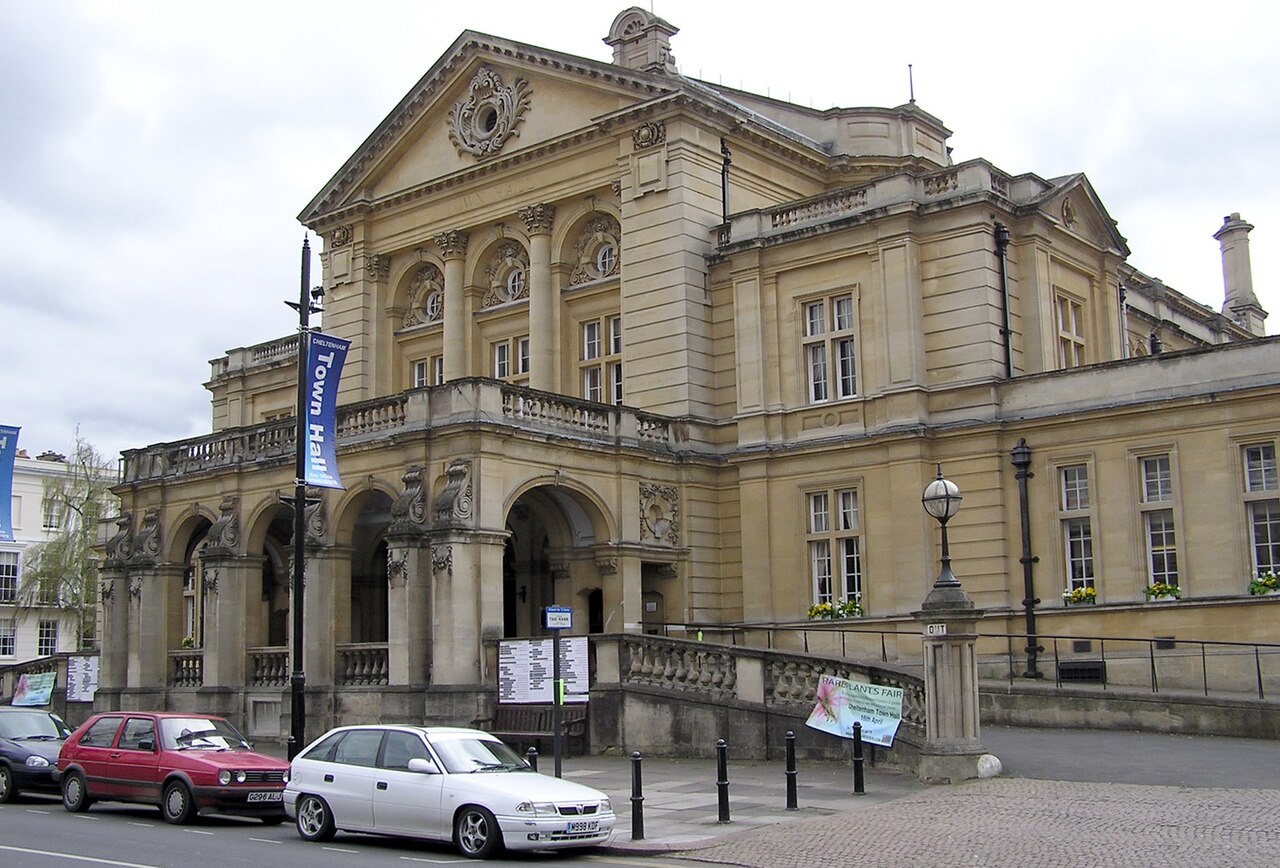
Cheltenham's architectural heritage is one of its most distinctive features, with the town boasting some of the finest examples of Regency architecture in Britain. The town's buildings, such as the Cheltenham Town Hall and the Pittville Pump Room, showcase the characteristic Regency style, with its emphasis on symmetry, proportion, and ornate decoration. Visitors can take a guided tour of the town's historic buildings, such as the Holst Museum, to learn more about Cheltenham's architectural heritage and the people who shaped it. For more information on the town's architecture, visit the Cheltenham Architectural Society.
📸 Cultural Significance and Attractions
Cheltenham is a town with a rich cultural scene, offering a wide range of attractions and activities for visitors to enjoy. From the Cheltenham Festival, which celebrates the town's literary and musical heritage, to the Cheltenham Museum of Art and Craft, which showcases the work of local artists and craftspeople, there is something for everyone in Cheltenham. Visitors can also explore the town's many galleries, such as the Wilson Arts Collective, or attend one of the many festivals and events that take place throughout the year, including the Cheltenham Jazz Festival. For more information on the town's cultural scene, visit the Cheltenham Arts Council.
📚 Education and Research Institutions
Cheltenham is home to a number of prestigious education and research institutions, including the University of Gloucestershire and the Cheltenham Grammar School. These institutions attract students and academics from around the world, contributing to the town's vibrant cultural and intellectual scene. Visitors can attend lectures and seminars, such as those offered by the Cheltenham Philosophy Society, or visit the town's many libraries and research centers, including the Cheltenham Library. For more information on the town's education institutions, visit the Gloucestershire Education Authority.
🎨 Arts and Entertainment Scene
Cheltenham has a thriving arts and entertainment scene, with a wide range of venues and events to choose from. From the Everyman Theatre, which hosts a variety of productions, including drama, music, and dance, to the Cheltenham Philharmonic Orchestra, which performs classical music concerts, there is always something happening in Cheltenham. Visitors can also explore the town's many art galleries, such as the Paragon Gallery, or attend one of the many festivals and events that take place throughout the year, including the Cheltenham Poetry Festival. For more information on the town's arts scene, visit the Cheltenham Arts Festival.
🏃♀️ Sports and Leisure Activities
Cheltenham offers a wide range of sports and leisure activities, from hiking and cycling in the surrounding countryside to swimming and fitness classes at the town's many sports centers, such as the Cheltenham Sports Centre. Visitors can also attend sporting events, such as horse racing at the Cheltenham Racecourse, or take part in one of the many recreational activities available, including golf, tennis, and sailing. For more information on the town's sports facilities, visit the Cheltenham Leisure Centre.
📊 Economy and Industry
Cheltenham's economy is driven by a mix of industries, including tourism, education, and manufacturing. The town is home to a number of major employers, including the University of Gloucestershire and the Gloucestershire County Council, as well as a thriving small business sector, with many independent shops and restaurants, such as those found in the Montpellier Quarter. Visitors can support local businesses by shopping and dining in the town, or by attending one of the many events and festivals that take place throughout the year, including the Cheltenham Food Festival. For more information on the town's economy, visit the Cheltenham Chamber of Commerce.
👥 Demographics and Community
Cheltenham has a diverse population, with a mix of young professionals, families, and retirees. The town has a strong sense of community, with many residents actively involved in local organizations and initiatives, such as the Cheltenham Volunteer Centre. Visitors can experience the town's community spirit by attending one of the many events and festivals that take place throughout the year, including the Cheltenham Pride. For more information on the town's demographics, visit the Gloucestershire County Council website.
🚂 Transportation and Infrastructure
Cheltenham has a well-developed transportation network, with easy access to the M5 motorway and the A40 road. The town is also served by a regular bus service, including the Stagecoach Bus Company, and a train station, with direct links to London and other major cities. Visitors can also walk or cycle around the town, using the many pedestrianized streets and bike paths, such as the Cheltenham Cycle Network. For more information on the town's transportation options, visit the Cheltenham Transport Authority.
Key Facts
- Year
- 1246
- Origin
- Medieval market town
- Category
- Geography and Culture
- Type
- Town
Frequently Asked Questions
What is Cheltenham famous for?
Cheltenham is famous for its rich cultural heritage, stunning architecture, and natural beauty. The town is known for its historic spa town status, its Regency architecture, and its vibrant cultural scene, which includes a wide range of festivals and events, such as the Cheltenham Festival. Visitors can experience the town's unique blend of history, culture, and natural beauty by exploring its many attractions, including the Cheltenham Museum and the Pittville Park.
What are the main industries in Cheltenham?
The main industries in Cheltenham include tourism, education, and manufacturing. The town is home to a number of major employers, including the University of Gloucestershire and the Gloucestershire County Council, as well as a thriving small business sector, with many independent shops and restaurants, such as those found in the Montpellier Quarter. Visitors can support local businesses by shopping and dining in the town, or by attending one of the many events and festivals that take place throughout the year, including the Cheltenham Food Festival.
What are the main attractions in Cheltenham?
The main attractions in Cheltenham include the Cheltenham Museum, the Pittville Park, the Cheltenham Spa, and the Everyman Theatre. Visitors can also explore the town's many art galleries, such as the Paragon Gallery, or attend one of the many festivals and events that take place throughout the year, including the Cheltenham Arts Festival. For more information on the town's attractions, visit the Cheltenham Tourist Information Centre.
How do I get to Cheltenham?
Cheltenham is easily accessible by car, with the M5 motorway and the A40 road providing direct links to the town. The town is also served by a regular bus service, including the Stagecoach Bus Company, and a train station, with direct links to London and other major cities. Visitors can also walk or cycle around the town, using the many pedestrianized streets and bike paths, such as the Cheltenham Cycle Network. For more information on the town's transportation options, visit the Cheltenham Transport Authority.
What is the best time to visit Cheltenham?
The best time to visit Cheltenham depends on your preferences and interests. The town is a popular destination throughout the year, with a wide range of festivals and events taking place in the spring and summer months, including the Cheltenham Festival. However, the town is also beautiful in the autumn and winter months, with the surrounding countryside taking on a picturesque quality. Visitors can experience the town's unique blend of history, culture, and natural beauty at any time of year, and can plan their visit according to their interests and preferences. For more information on the town's events and festivals, visit the Cheltenham Tourist Information Centre.
What are the main events and festivals in Cheltenham?
The main events and festivals in Cheltenham include the Cheltenham Festival, the Cheltenham Arts Festival, the Cheltenham Jazz Festival, and the Cheltenham Food Festival. Visitors can also attend one of the many other events and festivals that take place throughout the year, including the Cheltenham Poetry Festival and the Cheltenham Pride. For more information on the town's events and festivals, visit the Cheltenham Tourist Information Centre.
What are the main shopping areas in Cheltenham?
The main shopping areas in Cheltenham include the High Street, the Promenade, and the Montpellier Quarter. Visitors can find a wide range of independent shops and restaurants, as well as larger chain stores, in these areas. The town is also home to a number of markets, including the Cheltenham Market, which takes place every Thursday and Saturday. For more information on the town's shopping areas, visit the Cheltenham Chamber of Commerce.