
Contents
- 🎵 Origins & History
- ⚙️ How It Works
- 📊 Key Facts & Numbers
- 👥 Key People & Organizations
- 🌍 Cultural Impact & Influence
- ⚡ Current State & Latest Developments
- 🤔 Controversies & Debates
- 🔮 Future Outlook & Predictions
- 💡 Practical Applications
- 📚 Related Topics & Deeper Reading
- Frequently Asked Questions
- References
- Related Topics
Overview
Channelopathies are a diverse group of diseases resulting from the dysfunction of ion channel subunits or their interacting proteins, impacting various physiological processes. With over 400 genes encoding ion channels, mutations can lead to impaired channel function, causing inherited or acquired disorders. These diseases can be categorized based on the affected organ system, such as the cardiovascular system, where ion channels regulate the heartbeat. Channelopathies can be caused by genetic mutations, drugs, toxins, or other disorders, and their diagnosis and treatment often require a multidisciplinary approach. According to the National Institutes of Health (NIH), research on channelopathies has led to a better understanding of the underlying mechanisms and the development of targeted therapies. The World Health Organization (WHO) recognizes the importance of addressing channelopathies, as they can have a significant impact on public health. For instance, the WHO estimates that cardiovascular diseases, which can be caused by channelopathies, account for over 17.9 million deaths worldwide each year. As research continues to uncover the complexities of channelopathies, it is essential to explore the various aspects of these diseases, including their causes, symptoms, diagnosis, and treatment options.
🎵 Origins & History
Channelopathies have a long and complex history, with the first reported cases dating back to the early 20th century. The term 'channelopathy' was coined in the 1990s to describe this group of diseases. Since then, research has led to a better understanding of the underlying mechanisms and the development of targeted therapies. For example, the discovery of the KCNQ1 gene, which encodes a potassium channel subunit, has been instrumental in understanding the causes of certain channelopathies. The work of researchers like Dr. Eric Holland has also contributed significantly to the field, with his studies on the role of ion channels in cancer.
⚙️ How It Works
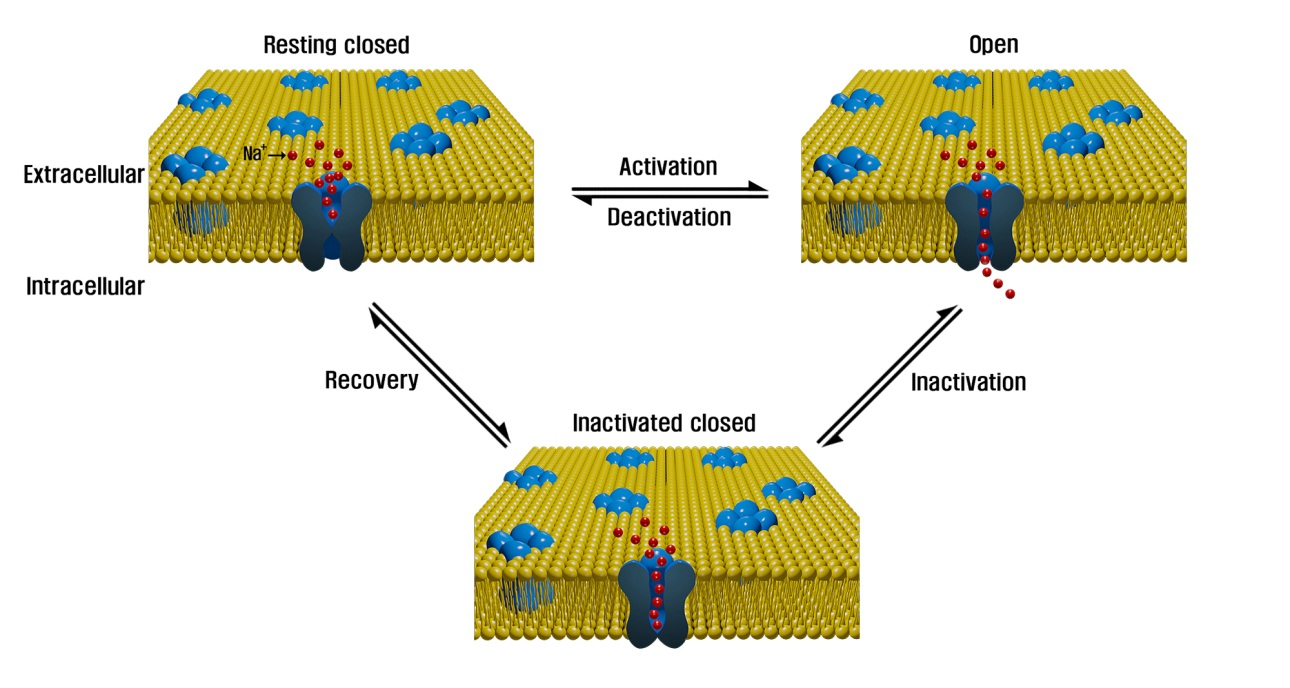
Ion channels are complex structures composed of multiple subunits, and their dysfunction can lead to a wide range of diseases. The gating, conductance, ion selectivity, and signal transduction of ion channels are all critical processes that can be impaired in channelopathies. For instance, the sodium channel plays a crucial role in regulating the heartbeat, and mutations in the SCN5A gene, which encodes a sodium channel subunit, can lead to conditions like Brugada syndrome. The American Heart Association recognizes the importance of understanding ion channel function in the diagnosis and treatment of cardiovascular diseases.
📊 Key Facts & Numbers
There are over 400 genes that encode ion channels, and mutations in these genes can lead to channelopathies. According to the National Institutes of Health (NIH), research has identified numerous genetic mutations associated with channelopathies. For example, mutations in the KCNH2 gene, which encodes a potassium channel subunit, can lead to Long QT syndrome. The World Health Organization (WHO) estimates that genetic disorders, including channelopathies, account for a significant proportion of global disease burden.
👥 Key People & Organizations
Several key people and organizations have contributed to the understanding and treatment of channelopathies. Researchers like Dr. Michael Ackerman have made significant contributions to the field, with his work on the genetic basis of channelopathies. The Heart Rhythm Society and the American College of Cardiology are also important organizations that provide guidance and support for patients with channelopathies. The Mayo Clinic is a leading institution in the diagnosis and treatment of channelopathies, with a team of experts in cardiology, genetics, and other related fields.
🌍 Cultural Impact & Influence
Channelopathies have a significant impact on public health, with many cases going undiagnosed or misdiagnosed. The cultural influence of channelopathies can be seen in the way they are portrayed in media and popular culture. For example, the TV show House M.D. featured an episode on a character with a channelopathy. The Channel Foundation is a non-profit organization that aims to raise awareness and support research on channelopathies. The Genetic Alliance is another organization that provides resources and support for patients with genetic disorders, including channelopathies.
⚡ Current State & Latest Developments
The current state of channelopathies is rapidly evolving, with new research and developments emerging regularly. The use of next-generation sequencing has led to a better understanding of the genetic basis of channelopathies. The development of new therapies, such as gene therapy, holds promise for the treatment of channelopathies. The Food and Drug Administration (FDA) has approved several medications for the treatment of channelopathies, including beta blockers and anti-arrhythmic drugs. The National Institutes of Health (NIH) is also funding research on channelopathies, with a focus on understanding the underlying mechanisms and developing targeted therapies.
🤔 Controversies & Debates
There are several controversies and debates surrounding channelopathies, including the use of genetic testing and the development of new therapies. Some experts argue that genetic testing should be more widely available, while others raise concerns about the potential risks and limitations of such testing. The American Medical Association (AMA) has issued guidelines on the use of genetic testing for channelopathies. The National Society of Genetic Counselors is another organization that provides guidance on genetic testing and counseling for patients with channelopathies.
🔮 Future Outlook & Predictions
The future outlook for channelopathies is promising, with ongoing research and developments aimed at improving diagnosis and treatment. The use of artificial intelligence and machine learning may also play a role in the diagnosis and treatment of channelopathies. The World Health Organization (WHO) recognizes the importance of addressing channelopathies, and has launched initiatives to improve diagnosis and treatment worldwide. The Channel Foundation is also working to raise awareness and support research on channelopathies, with a focus on improving patient outcomes and quality of life.
💡 Practical Applications
Practical applications of channelopathy research include the development of new therapies and diagnostic tools. For example, the use of wearable devices and mobile apps may help patients with channelopathies monitor their condition and receive timely treatment. The American Heart Association recommends that patients with channelopathies work closely with their healthcare providers to develop a personalized treatment plan. The Mayo Clinic offers a range of resources and support for patients with channelopathies, including genetic counseling and testing.
Key Facts
- Year
- 1990s
- Origin
- Global
- Category
- chronic-conditions
- Type
- concept
Frequently Asked Questions
What is a channelopathy?
A channelopathy is a disease caused by the dysfunction of ion channel subunits or their interacting proteins. According to the National Institutes of Health (NIH), channelopathies can be inherited or acquired, and can affect various organ systems. For example, the American Heart Association recognizes that channelopathies can increase the risk of cardiovascular diseases.
What are the symptoms of channelopathies?
The symptoms of channelopathies can vary depending on the specific disease and the organ system affected. Common symptoms include arrhythmias, muscle weakness, and numbness or tingling. The Mayo Clinic recommends that patients with channelopathies work closely with their healthcare providers to develop a personalized treatment plan.
How are channelopathies diagnosed?
Channelopathies are diagnosed using a combination of genetic testing, electrocardiograms, and other diagnostic tools. The Food and Drug Administration (FDA) has approved several medications for the treatment of channelopathies, including beta blockers and anti-arrhythmic drugs. The Genetic Alliance provides resources and support for patients with genetic disorders, including channelopathies.
What are the treatment options for channelopathies?
Treatment options for channelopathies depend on the specific disease and the severity of symptoms. Medications, lifestyle changes, and surgery may be used to manage symptoms and prevent complications. The World Health Organization (WHO) recognizes the importance of addressing channelopathies, and has launched initiatives to improve diagnosis and treatment worldwide.
What is the prognosis for patients with channelopathies?
The prognosis for patients with channelopathies varies depending on the specific disease and the effectiveness of treatment. With proper treatment and management, many patients with channelopathies can lead active and healthy lives. The Channel Foundation is a non-profit organization that aims to raise awareness and support research on channelopathies, with a focus on improving patient outcomes and quality of life.
What research is being conducted on channelopathies?
Research on channelopathies is ongoing, with a focus on understanding the underlying mechanisms and developing new therapies. The National Institutes of Health (NIH) is funding research on channelopathies, with a focus on improving diagnosis and treatment. The American Medical Association (AMA) has issued guidelines on the use of genetic testing for channelopathies.
What are the latest developments in channelopathy research?
The latest developments in channelopathy research include the use of next-generation sequencing and artificial intelligence to improve diagnosis and treatment. The World Health Organization (WHO) recognizes the importance of addressing channelopathies, and has launched initiatives to improve diagnosis and treatment worldwide. The Mayo Clinic is a leading institution in the diagnosis and treatment of channelopathies, with a team of experts in cardiology, genetics, and other related fields.