
Contents
- 🎵 Origins & History
- ⚙️ How It Works
- 📊 Key Facts & Numbers
- 👥 Key People & Organizations
- 🌍 Cultural Impact & Influence
- ⚡ Current State & Latest Developments
- 🤔 Controversies & Debates
- 🔮 Future Outlook & Predictions
- 💡 Practical Applications
- 📚 Related Topics & Deeper Reading
- Frequently Asked Questions
- References
- Related Topics
Overview
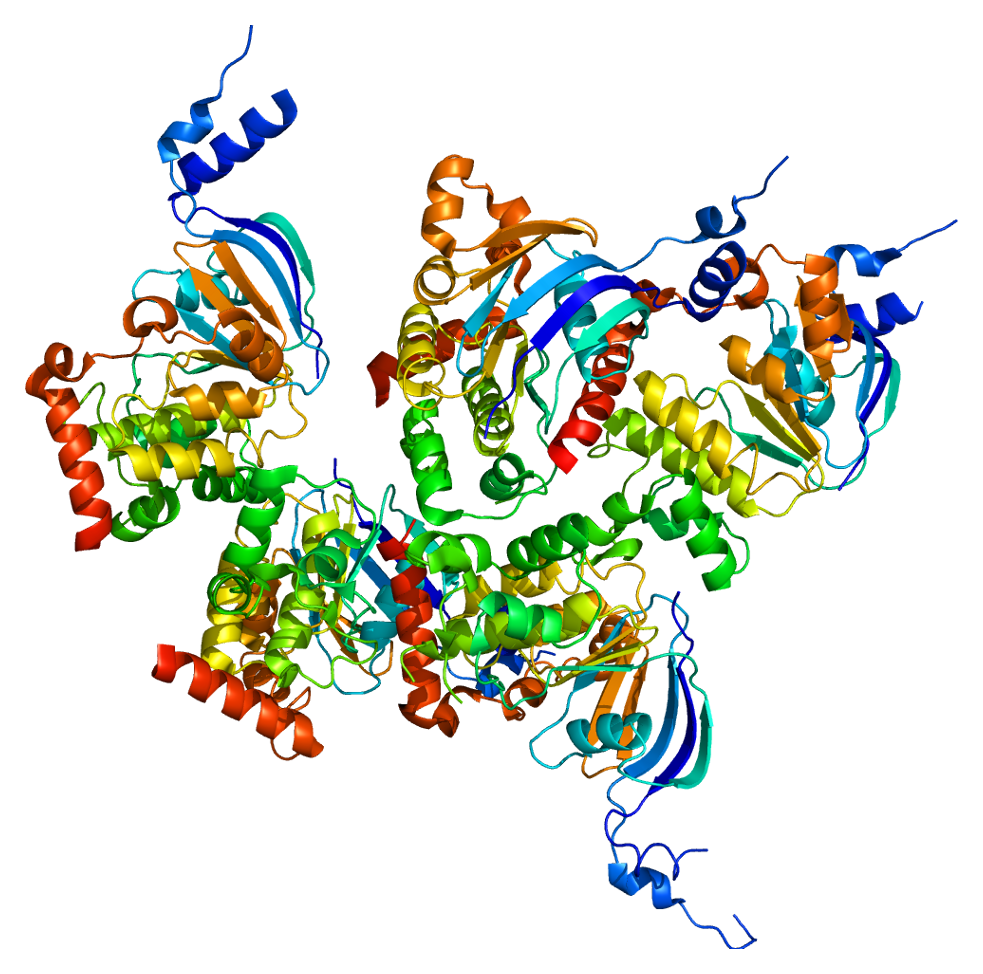
Cystic fibrosis transmembrane conductance regulator (CFTR) is a crucial protein that functions as an anion channel in vertebrates, encoded by the CFTR gene. Identified by geneticist Lap-Chee Tsui and his team in 1989, mutations in the CFTR gene lead to cystic fibrosis, a condition characterized by thickened mucus in the lungs, pancreatic insufficiency, and other complications. With over 70,000 people affected worldwide, cystic fibrosis is a significant public health concern, requiring ongoing research and treatment advancements. The CFTR protein plays a vital role in regulating the transport of chloride and bicarbonate ions across epithelial cell membranes, and its dysfunction has severe consequences for patients. Current research focuses on developing effective treatments, including gene therapy and small molecule therapies, to improve the quality of life for those affected by cystic fibrosis. As our understanding of the CFTR protein and its role in cystic fibrosis continues to grow, so do the opportunities for innovative treatments and improved patient outcomes.
🎵 Origins & History
The discovery of the CFTR gene in 1989 by Lap-Chee Tsui and his team marked a significant milestone in the understanding of cystic fibrosis. This breakthrough led to a deeper understanding of the genetic basis of the disease and paved the way for the development of new treatments. The CFTR gene is located on chromosome 7 and consists of 27 exons, encoding a protein of 1,480 amino acids. Lap-Chee Tsui's work on the CFTR gene has had a lasting impact on the field of genetics and has inspired further research into the causes and treatments of cystic fibrosis.
⚙️ How It Works
The CFTR protein is an ABC transporter-class ion channel that conducts chloride and bicarbonate ions across epithelial cell membranes. This process is crucial for maintaining the balance of fluids and electrolytes in the body. Mutations in the CFTR gene can disrupt this process, leading to the production of thick, sticky mucus that clogs the airways and digestive tract. Cystic fibrosis is a complex condition that requires a comprehensive treatment approach, including medication, physical therapy, and nutritional support.
📊 Key Facts & Numbers
Cystic fibrosis affects approximately 1 in 2,500 people in the United States, with over 70,000 people affected worldwide. The condition is caused by mutations in the CFTR gene, with the most common mutation being the F508del deletion. FDA-approved treatments for cystic fibrosis include CFTR modulators, such as Ivacaftor and Lumacaftor, which help to improve lung function and reduce symptoms. However, these treatments are not a cure, and ongoing research is needed to develop more effective therapies.
👥 Key People & Organizations
Key people and organizations involved in CFTR research include the Cystic Fibrosis Foundation, which has played a crucial role in funding research and advocating for patients. Lap-Chee Tsui and his team have made significant contributions to our understanding of the CFTR gene and its role in cystic fibrosis. Other notable researchers, such as Bonnie Baxter and Paul QB Li, have also made important contributions to the field.
🌍 Cultural Impact & Influence
The cultural impact of cystic fibrosis and CFTR research cannot be overstated. The condition has been the subject of numerous books, films, and documentaries, including the award-winning film Five Feet Apart. The Cystic Fibrosis Foundation has also launched several awareness campaigns, including the Great Strips program, to educate the public about the condition and promote research. Social media platforms have also played a significant role in raising awareness and promoting advocacy for cystic fibrosis patients.
⚡ Current State & Latest Developments
Current research on CFTR and cystic fibrosis is focused on developing more effective treatments, including gene therapy and small molecule therapies. Gene therapy aims to correct the underlying genetic defect, while small molecule therapies target specific aspects of the disease. Clinical trials are ongoing to test the safety and efficacy of these new treatments. The FDA has also approved several new treatments for cystic fibrosis in recent years, including Trikafta and Symdeko.
🤔 Controversies & Debates
Despite the progress made in understanding and treating cystic fibrosis, there are still several controversies and debates surrounding the condition. One of the main controversies is the high cost of treatments, which can be a significant burden for patients and their families. Healthcare policy and insurance coverage for cystic fibrosis treatments are also ongoing issues. Patient advocacy groups, such as the Cystic Fibrosis Foundation, play a crucial role in promoting awareness and advocating for patients' rights.
🔮 Future Outlook & Predictions
The future outlook for CFTR research and cystic fibrosis treatment is promising, with several new therapies in development. Personalized medicine approaches, which tailor treatment to an individual's specific genetic profile, are also being explored. Stem cell therapy and gene editing technologies, such as CRISPR, may also hold promise for treating cystic fibrosis in the future. However, more research is needed to fully understand the potential of these technologies and to develop effective treatments.
💡 Practical Applications
Practical applications of CFTR research include the development of new treatments for cystic fibrosis, as well as a better understanding of the underlying biology of the disease. Clinical trials are an essential part of the treatment development process, and patients can participate in these trials to help advance research. Patient education and support groups are also crucial for helping patients and their families cope with the condition. Healthcare professionals play a vital role in providing care and support to patients with cystic fibrosis.
Key Facts
- Year
- 1989
- Origin
- Canada
- Category
- chronic-conditions
- Type
- protein
Frequently Asked Questions
What is CFTR and what does it do?
CFTR is a protein that functions as an anion channel in vertebrates, conducting chloride and bicarbonate ions across epithelial cell membranes. It plays a crucial role in maintaining the balance of fluids and electrolytes in the body. Ion channels like CFTR are essential for proper cellular function.
What is cystic fibrosis and how is it related to CFTR?
Cystic fibrosis is a genetic disorder caused by mutations in the CFTR gene, leading to the production of thick, sticky mucus that clogs the airways and digestive tract. The condition is characterized by respiratory infections, pancreatic insufficiency, and other complications. Cystic fibrosis is a complex condition that requires comprehensive treatment and management.
What are the current treatments for cystic fibrosis?
Current treatments for cystic fibrosis include CFTR modulators, such as Ivacaftor and Lumacaftor, which help to improve lung function and reduce symptoms. Other treatments include antibiotics, bronchodilators, and pancreatic enzyme supplements. Clinical trials are ongoing to test the safety and efficacy of new treatments, including gene therapy and small molecule therapies.
What is the prognosis for patients with cystic fibrosis?
The prognosis for patients with cystic fibrosis has improved significantly in recent years, with advances in treatment and care. However, the condition is still a significant burden for patients and their families, and ongoing research is needed to develop more effective treatments and improve patient outcomes. Patient advocacy groups, such as the Cystic Fibrosis Foundation, play a crucial role in promoting awareness and advocating for patients' rights.
What are the latest developments in CFTR research?
The latest developments in CFTR research include the discovery of new mutations in the CFTR gene and the development of new treatments, such as Trikafta and Symdeko. Personalized medicine approaches, which tailor treatment to an individual's specific genetic profile, are also being explored. Stem cell therapy and gene editing technologies, such as CRISPR, may also hold promise for treating cystic fibrosis in the future.
How can I get involved in CFTR research or support cystic fibrosis patients?
You can get involved in CFTR research or support cystic fibrosis patients by participating in clinical trials, donating to organizations such as the Cystic Fibrosis Foundation, or volunteering your time to help raise awareness about the condition. Patient education and support groups are also crucial for helping patients and their families cope with the condition.
What are the potential applications of CFTR research beyond cystic fibrosis?
CFTR research has the potential to benefit other conditions, such as chronic obstructive pulmonary disease (COPD) and pancreatitis, which also involve abnormalities in ion transport. Basic research on CFTR can also provide insights into the biology of other ion channels and transport proteins, leading to new discoveries and treatments for a range of diseases.