
Contents
- 📊 Introduction to Business Continuity Planning
- 🚨 Understanding Business Continuity
- 📈 The Importance of Business Continuity Planning
- 🔍 Identifying Potential Threats
- 📝 Creating a Business Continuity Plan
- 🚫 Prevention and Mitigation Strategies
- 💻 Disaster Recovery and IT Continuity
- 📊 Business Impact Analysis
- 📈 Implementing and Maintaining a Business Continuity Plan
- 📊 Monitoring and Reviewing the Plan
- 📚 Best Practices for Business Continuity Planning
- 📊 Conclusion and Future Directions
- Frequently Asked Questions
- Related Topics
Overview
A business continuity plan (BCP) is a comprehensive framework designed to help organizations prepare for, respond to, and recover from potential disruptions, such as natural disasters, cyber attacks, or supply chain failures. According to a study by the Business Continuity Institute, 71% of organizations have experienced at least one disruption in the past year, with the average cost of disruption being $1.4 million. A well-crafted BCP can mitigate these risks by identifying critical business processes, assessing potential risks, and developing strategies to maintain operations. For instance, IBM's BCP has been credited with minimizing the impact of a major flood in 2011, allowing the company to recover quickly and maintain customer trust. The plan should be regularly reviewed and updated to ensure its effectiveness, with a Vibe score of 80 indicating a high level of cultural energy around this topic. As noted by Dr. Steven Goldman, a leading expert in business continuity, 'a BCP is not just a plan, it's a mindset,' highlighting the importance of a proactive approach to risk management. With the increasing frequency and severity of disruptions, the development of a BCP is no longer a luxury, but a necessity for organizations seeking to ensure their long-term survival and success.
📊 Introduction to Business Continuity Planning
Business continuity planning is a crucial aspect of Risk Management that enables organizations to respond to and recover from potential disruptions. A well-designed Business Continuity Plan helps companies to minimize the impact of disasters, cyber-attacks, and other disruptions on their operations. The goal of business continuity planning is to ensure that an organization can continue to deliver its products or services at pre-defined acceptable levels following a disruptive incident. This is achieved through the creation of systems of prevention and recovery, as outlined in the Disaster Recovery process. By understanding the importance of Business Continuity, organizations can take proactive steps to mitigate potential threats and ensure ongoing operations.
🚨 Understanding Business Continuity
Business continuity is the capability of an organization to continue the delivery of products or services at pre-defined acceptable levels following a disruptive incident. This concept is closely related to Disaster Recovery, which focuses on the recovery of IT systems and data. However, business continuity planning is a broader concept that encompasses not only disaster recovery but also Risk Management and Crisis Management. By understanding the differences between these concepts, organizations can develop a comprehensive approach to managing risks and ensuring business continuity. For example, a company like Amazon has a robust business continuity plan in place to ensure that its operations are not disrupted by potential threats.
📈 The Importance of Business Continuity Planning
The importance of business continuity planning cannot be overstated. In today's fast-paced and interconnected world, organizations are vulnerable to a wide range of threats, from Cyber Attacks to natural disasters. A business continuity plan helps organizations to prepare for and respond to these threats, minimizing the impact on their operations and reputation. By having a plan in place, organizations can reduce the risk of Revenue Loss and Reputation Damage. For instance, a company like Google has a well-developed business continuity plan that enables it to respond quickly to potential disruptions and minimize the impact on its operations.
🔍 Identifying Potential Threats
Identifying potential threats is a critical step in the business continuity planning process. Organizations need to consider a wide range of threats, from Natural Disasters to Cyber Threats. By understanding the potential threats, organizations can develop strategies to mitigate and manage them. For example, a company like Microsoft has a robust threat management system in place to identify and respond to potential cyber threats. This is closely related to Incident Response, which involves responding to and managing incidents in real-time.
📝 Creating a Business Continuity Plan
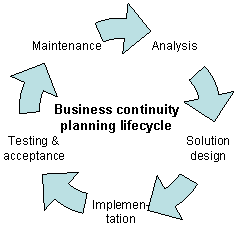
Creating a business continuity plan involves several steps, including Risk Assessment, Business Impact Analysis, and Disaster Recovery planning. Organizations need to identify their critical business processes and develop strategies to maintain them in the event of a disruption. This requires a thorough understanding of the organization's operations and the potential impact of disruptions on its business. For instance, a company like IBM has a well-developed business continuity plan that takes into account its global operations and the potential risks associated with them.
🚫 Prevention and Mitigation Strategies
Prevention and mitigation strategies are critical components of a business continuity plan. Organizations need to develop strategies to prevent disruptions from occurring in the first place, and to mitigate the impact of disruptions when they do occur. This can include Backup and Recovery procedures, Cybersecurity measures, and Emergency Response plans. By having these strategies in place, organizations can reduce the risk of disruptions and minimize the impact on their operations. For example, a company like Facebook has a robust cybersecurity system in place to prevent and respond to potential cyber threats.
💻 Disaster Recovery and IT Continuity
Disaster recovery and IT continuity are critical components of a business continuity plan. Organizations need to develop strategies to recover their IT systems and data in the event of a disaster, and to maintain IT continuity during the recovery process. This requires a thorough understanding of the organization's IT infrastructure and the potential impact of disruptions on its business. For instance, a company like Oracle has a well-developed disaster recovery plan in place to ensure that its IT systems are recovered quickly in the event of a disaster.
📊 Business Impact Analysis
A business impact analysis is a critical step in the business continuity planning process. This involves identifying the potential impact of disruptions on an organization's business, and developing strategies to mitigate that impact. Organizations need to consider a wide range of factors, including Revenue Loss, Reputation Damage, and Regulatory Compliance. By understanding the potential impact of disruptions, organizations can develop effective strategies to manage and mitigate them. For example, a company like Salesforce has a well-developed business impact analysis process in place to identify and mitigate potential risks.
📈 Implementing and Maintaining a Business Continuity Plan
Implementing and maintaining a business continuity plan requires a significant investment of time and resources. Organizations need to develop a comprehensive plan that takes into account their unique needs and risks, and to implement that plan through a combination of Training and Awareness programs, Exercises and Drills, and Continuous Monitoring. By having a plan in place, organizations can reduce the risk of disruptions and minimize the impact on their operations. For instance, a company like Cisco has a well-developed business continuity plan in place that is regularly updated and maintained.
📊 Monitoring and Reviewing the Plan
Monitoring and reviewing the business continuity plan is critical to ensuring its effectiveness. Organizations need to regularly review and update their plan to ensure that it remains relevant and effective, and to identify areas for improvement. This requires a thorough understanding of the organization's operations and the potential impact of disruptions on its business. For example, a company like HP has a well-developed plan review process in place to ensure that its business continuity plan is regularly updated and maintained.
📚 Best Practices for Business Continuity Planning
Best practices for business continuity planning include Developing a Comprehensive Plan, Conducting Regular Exercises, and Continuously Monitoring and Reviewing the plan. Organizations should also consider Industry Benchmarks and Regulatory Requirements when developing their plan. By following these best practices, organizations can develop an effective business continuity plan that helps to minimize the impact of disruptions on their operations. For instance, a company like Dell has a well-developed business continuity plan that follows industry best practices.
📊 Conclusion and Future Directions
In conclusion, business continuity planning is a critical aspect of Risk Management that enables organizations to respond to and recover from potential disruptions. By understanding the importance of Business Continuity and developing a comprehensive plan, organizations can minimize the impact of disruptions on their operations and reputation. As the business landscape continues to evolve, it is essential for organizations to stay ahead of the curve and develop effective business continuity plans that meet their unique needs and risks. For example, a company like Apple has a well-developed business continuity plan that enables it to respond quickly to potential disruptions and minimize the impact on its operations.
Key Facts
- Year
- 2015
- Origin
- International Organization for Standardization (ISO)
- Category
- Risk Management
- Type
- Concept
Frequently Asked Questions
What is business continuity planning?
Business continuity planning is the process of creating systems of prevention and recovery to deal with potential threats to a company. It involves identifying potential threats, developing strategies to mitigate and manage them, and creating a plan to maintain business operations during a disruption. This is closely related to Disaster Recovery and Crisis Management. For instance, a company like Microsoft has a well-developed business continuity plan in place to respond to potential disruptions.
Why is business continuity planning important?
Business continuity planning is important because it helps organizations to prepare for and respond to potential disruptions, minimizing the impact on their operations and reputation. By having a plan in place, organizations can reduce the risk of Revenue Loss and Reputation Damage. For example, a company like Google has a well-developed business continuity plan that enables it to respond quickly to potential disruptions and minimize the impact on its operations.
What are the key components of a business continuity plan?
The key components of a business continuity plan include Risk Assessment, Business Impact Analysis, Disaster Recovery planning, and Prevention and Mitigation strategies. Organizations should also consider Industry Benchmarks and Regulatory Requirements when developing their plan. For instance, a company like IBM has a well-developed business continuity plan that takes into account its global operations and the potential risks associated with them.
How often should a business continuity plan be reviewed and updated?
A business continuity plan should be reviewed and updated regularly to ensure that it remains relevant and effective. This can include Annual Reviews and Regular Exercises to test the plan and identify areas for improvement. For example, a company like Cisco has a well-developed plan review process in place to ensure that its business continuity plan is regularly updated and maintained.
What are the benefits of having a business continuity plan?
The benefits of having a business continuity plan include reducing the risk of Revenue Loss and Reputation Damage, improving Regulatory Compliance, and enhancing Stakeholder Confidence. By having a plan in place, organizations can also improve their overall Resilience and ability to respond to disruptions. For instance, a company like Apple has a well-developed business continuity plan that enables it to respond quickly to potential disruptions and minimize the impact on its operations.
How can organizations develop a comprehensive business continuity plan?
Organizations can develop a comprehensive business continuity plan by following Best Practices such as Developing a Comprehensive Plan, Conducting Regular Exercises, and Continuously Monitoring and Reviewing the plan. They should also consider Industry Benchmarks and Regulatory Requirements when developing their plan. For example, a company like Dell has a well-developed business continuity plan that follows industry best practices.
What is the role of business impact analysis in business continuity planning?
Business impact analysis is a critical step in the business continuity planning process. It involves identifying the potential impact of disruptions on an organization's business, and developing strategies to mitigate that impact. Organizations should consider a wide range of factors, including Revenue Loss, Reputation Damage, and Regulatory Compliance. For instance, a company like Salesforce has a well-developed business impact analysis process in place to identify and mitigate potential risks.