
Contents
- 🔍 Introduction to Buffer Overflow
- 💻 What is a Buffer?
- 📈 Causes of Buffer Overflow
- 🚨 Consequences of Buffer Overflow
- 🔒 Prevention and Mitigation Techniques
- 👮♂️ Detection and Response Strategies
- 📊 Real-World Examples of Buffer Overflow Attacks
- 🤝 Impact on Cybersecurity Community
- 📚 Best Practices for Secure Coding
- 🔍 Future of Buffer Overflow Protection
- 📊 Statistics and Trends
- 👥 Conclusion and Recommendations
- Frequently Asked Questions
- Related Topics
Overview
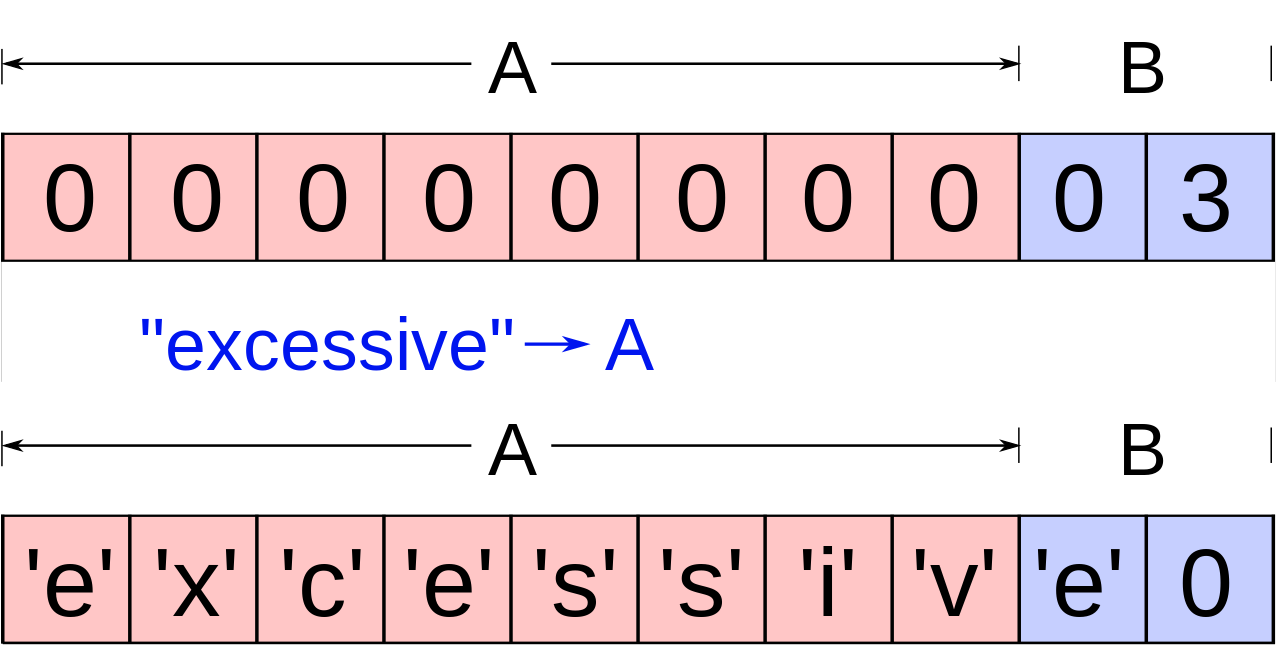
A buffer overflow occurs when more data is written to a buffer than it is designed to hold, causing the extra data to spill over into adjacent areas of memory. This can lead to a crash, or in some cases, allow an attacker to execute arbitrary code, potentially leading to a security breach. The first recorded buffer overflow exploit dates back to 1988, with the Morris worm, which infected over 6,000 computers. Despite being a well-known issue, buffer overflows remain a common vulnerability, with the 2014 Heartbleed bug being a notable example, affecting over 17% of all SSL-secured websites. The impact of buffer overflows can be significant, with the 2017 WannaCry ransomware attack, which exploited a buffer overflow vulnerability in Windows, causing an estimated $4 billion in damages. As software complexity increases, the risk of buffer overflows will continue to be a major concern for developers and security experts, with some estimates suggesting that up to 70% of all security vulnerabilities are related to buffer overflows.
🔍 Introduction to Buffer Overflow
Buffer overflow is a type of Cybersecurity vulnerability that occurs when a program writes data to a buffer beyond its allocated memory, overwriting adjacent memory locations. This can lead to Data Breaches and other security issues. To understand buffer overflow, it's essential to know what a buffer is and how it works. A buffer is a region of memory used to hold data temporarily while it's being processed or transferred. Buffer Management is critical to prevent buffer overflow. In the context of Information Security, buffer overflow is a significant concern.
💻 What is a Buffer?
A buffer is a contiguous block of memory allocated for a specific purpose, such as storing input data or output results. Buffers are used in various programming contexts, including Network Programming and System Administration. When a program writes data to a buffer, it's essential to ensure that the data doesn't exceed the buffer's allocated size. Programming Languages like C and C++ are more prone to buffer overflow due to their lack of built-in memory safety features. Memory Management is a critical aspect of preventing buffer overflow.
📈 Causes of Buffer Overflow
Buffer overflow can occur due to various reasons, including poor Programming Practices, lack of Input Validation, and insufficient Error Handling. When a program writes data to a buffer without checking its size, it can lead to buffer overflow. Additionally, Integer Overflows and Format String Vulnerabilities can also contribute to buffer overflow. Secure Coding practices can help prevent buffer overflow by ensuring that data is handled correctly and securely. Code Reviews and Penetration Testing can also help identify and fix buffer overflow vulnerabilities.
🚨 Consequences of Buffer Overflow
The consequences of buffer overflow can be severe, including Code Execution, Data Corruption, and Denial of Service. Buffer overflow can also lead to Privilege Escalation, allowing attackers to gain unauthorized access to sensitive data and systems. Incident Response plans should include procedures for responding to buffer overflow attacks. Security Information and Event Management systems can help detect and respond to buffer overflow attacks. Compliance Regulations like HIPAA and PCI DSS require organizations to implement measures to prevent and respond to buffer overflow attacks.
🔒 Prevention and Mitigation Techniques
Prevention and mitigation techniques for buffer overflow include using Safe Functions, implementing Input Validation, and using Address Space Layout Randomization. Secure Coding Practices and Code Reviews can also help prevent buffer overflow. Penetration Testing and Vulnerability Scanning can help identify and fix buffer overflow vulnerabilities. Security Patching and Software Updates should be applied regularly to prevent buffer overflow attacks. Network Segmentation and Firewalls can also help prevent buffer overflow attacks.
👮♂️ Detection and Response Strategies
Detection and response strategies for buffer overflow include monitoring system logs for suspicious activity, using Intrusion Detection Systems, and implementing Incident Response plans. Security Information and Event Management systems can help detect and respond to buffer overflow attacks. Penetration Testing and Vulnerability Scanning can help identify and fix buffer overflow vulnerabilities. Security Awareness Training can help educate users about the risks of buffer overflow and how to prevent it. Incident Response Teams should be trained to respond to buffer overflow attacks.
📊 Real-World Examples of Buffer Overflow Attacks
Real-world examples of buffer overflow attacks include the Morris Worm and the SQL Slammer Worm. These attacks demonstrate the severity of buffer overflow vulnerabilities and the importance of implementing prevention and mitigation techniques. Case Studies of buffer overflow attacks can help organizations learn from the experiences of others and improve their own security posture. Security Blogs and Security News outlets often report on buffer overflow attacks and provide guidance on how to prevent and respond to them. Security Conferences and Security Workshops can provide a platform for security professionals to share knowledge and best practices on buffer overflow prevention and response.
🤝 Impact on Cybersecurity Community
The impact of buffer overflow on the Cybersecurity Community is significant, as it highlights the importance of Secure Coding Practices and Security Awareness. Buffer overflow attacks can have severe consequences, including Data Breaches and System Compromises. The Cybersecurity Community must work together to share knowledge and best practices on buffer overflow prevention and response. Security Information Sharing and Collaboration are essential to preventing and responding to buffer overflow attacks. Security Standards and Compliance Regulations can help ensure that organizations implement measures to prevent and respond to buffer overflow attacks.
📚 Best Practices for Secure Coding
Best practices for secure coding include using Safe Functions, implementing Input Validation, and using Address Space Layout Randomization. Code Reviews and Penetration Testing can help identify and fix buffer overflow vulnerabilities. Security Awareness Training can help educate developers about the risks of buffer overflow and how to prevent it. Secure Coding Guidelines and Security Checklists can provide a framework for secure coding practices. Security Tools and Security Frameworks can help automate secure coding practices and reduce the risk of buffer overflow.
🔍 Future of Buffer Overflow Protection
The future of buffer overflow protection will likely involve the development of new Security Technologies and Security Frameworks. Artificial Intelligence and Machine Learning can help detect and respond to buffer overflow attacks. Cloud Security and IoT Security will also play a critical role in preventing and responding to buffer overflow attacks. Security Information Sharing and Collaboration will be essential to preventing and responding to buffer overflow attacks. Security Standards and Compliance Regulations will continue to evolve to address the changing threat landscape.
📊 Statistics and Trends
Statistics and trends on buffer overflow attacks are alarming, with many organizations experiencing buffer overflow attacks every year. Security Surveys and Security Reports often highlight the severity of buffer overflow vulnerabilities and the importance of implementing prevention and mitigation techniques. Security Blogs and Security News outlets often report on buffer overflow attacks and provide guidance on how to prevent and respond to them. Security Conferences and Security Workshops can provide a platform for security professionals to share knowledge and best practices on buffer overflow prevention and response.
👥 Conclusion and Recommendations
In conclusion, buffer overflow is a significant Cybersecurity vulnerability that can have severe consequences. Organizations must implement prevention and mitigation techniques, such as using Safe Functions and implementing Input Validation, to prevent buffer overflow attacks. Security Awareness and Security Awareness Training are essential to educating users about the risks of buffer overflow and how to prevent it. Incident Response plans should include procedures for responding to buffer overflow attacks. By working together, the Cybersecurity Community can share knowledge and best practices on buffer overflow prevention and response.
Key Facts
- Year
- 1988
- Origin
- Morris Worm
- Category
- Cybersecurity
- Type
- Vulnerability
Frequently Asked Questions
What is a buffer overflow?
A buffer overflow is a type of Cybersecurity vulnerability that occurs when a program writes data to a buffer beyond its allocated memory, overwriting adjacent memory locations. This can lead to Data Breaches and other security issues. Buffer overflow can occur due to poor Programming Practices, lack of Input Validation, and insufficient Error Handling.
How can buffer overflow be prevented?
Buffer overflow can be prevented by using Safe Functions, implementing Input Validation, and using Address Space Layout Randomization. Secure Coding Practices and Code Reviews can also help prevent buffer overflow. Penetration Testing and Vulnerability Scanning can help identify and fix buffer overflow vulnerabilities.
What are the consequences of buffer overflow?
The consequences of buffer overflow can be severe, including Code Execution, Data Corruption, and Denial of Service. Buffer overflow can also lead to Privilege Escalation, allowing attackers to gain unauthorized access to sensitive data and systems. Incident Response plans should include procedures for responding to buffer overflow attacks.
How can buffer overflow be detected and responded to?
Buffer overflow can be detected and responded to by monitoring system logs for suspicious activity, using Intrusion Detection Systems, and implementing Incident Response plans. Security Information and Event Management systems can help detect and respond to buffer overflow attacks. Penetration Testing and Vulnerability Scanning can help identify and fix buffer overflow vulnerabilities.
What is the impact of buffer overflow on the cybersecurity community?
The impact of buffer overflow on the Cybersecurity Community is significant, as it highlights the importance of Secure Coding Practices and Security Awareness. Buffer overflow attacks can have severe consequences, including Data Breaches and System Compromises. The Cybersecurity Community must work together to share knowledge and best practices on buffer overflow prevention and response.
What are the best practices for secure coding?
Best practices for secure coding include using Safe Functions, implementing Input Validation, and using Address Space Layout Randomization. Code Reviews and Penetration Testing can help identify and fix buffer overflow vulnerabilities. Security Awareness Training can help educate developers about the risks of buffer overflow and how to prevent it.
What is the future of buffer overflow protection?
The future of buffer overflow protection will likely involve the development of new Security Technologies and Security Frameworks. Artificial Intelligence and Machine Learning can help detect and respond to buffer overflow attacks. Cloud Security and IoT Security will also play a critical role in preventing and responding to buffer overflow attacks.