
Contents
- 🚨 Introduction to Denial of Service Attacks
- 🔍 Understanding the Mechanics of Denial of Service
- 📊 Types of Denial of Service Attacks
- 🚫 Distributed Denial of Service (DDoS) Attacks
- 🤝 Mitigating Denial of Service Attacks
- 📈 The Impact of Denial of Service Attacks on Businesses
- 🚨 Real-World Examples of Denial of Service Attacks
- 🔒 Preventing Denial of Service Attacks
- 👮♂️ The Role of Law Enforcement in Combating Denial of Service Attacks
- 🌐 The Future of Denial of Service Attacks and Cybersecurity
- 📚 Conclusion: Protecting Against Denial of Service Attacks
- Frequently Asked Questions
- Related Topics
Overview
A denial-of-service (DoS) attack is a type of cyber attack where an attacker attempts to make a computer or network resource unavailable by overwhelming it with traffic. This can be done using a variety of techniques, including botnets, amplification attacks, and vulnerability exploitation. The goal of a DoS attack can range from extortion and hacktivism to competitive sabotage and state-sponsored disruption. Notable examples include the 2016 Dyn DNS attack, which affected major websites like Twitter and Netflix, and the 2019 Memcached DDoS attacks, which reached record-breaking traffic volumes. As the threat landscape continues to evolve, understanding the mechanics, motivations, and mitigations of DoS attacks is crucial for organizations and individuals alike. With the rise of IoT devices and 5G networks, the potential for larger and more complex attacks grows, making proactive defense strategies essential for maintaining online presence and security.
🚨 Introduction to Denial of Service Attacks
Denial of service attacks are a type of Cyber Attack that can bring systems to their knees by flooding them with superfluous requests. These attacks can be launched by Hackers using a variety of techniques, including Malware and Botnets. The goal of a denial of service attack is to make a machine or network resource unavailable to its intended users, either temporarily or indefinitely. This can be achieved by Flooding the targeted machine or resource with millions of requests, overwhelming it with invalid data, or submitting requests with an illegitimate IP Address. For example, a DDoS Attack can be used to flood a server with traffic from multiple sources, making it difficult for the server to distinguish between legitimate and illegitimate requests.
🔍 Understanding the Mechanics of Denial of Service
The mechanics of a denial of service attack involve Flooding a targeted machine or resource with superfluous requests. This can be done using a variety of techniques, including TCP SYN Flood and UDP Flood. The goal of these attacks is to overload the system, preventing it from responding to legitimate requests. Denial of service attacks can be launched using a variety of tools, including Botnets and Malware. For instance, a Botnet can be used to launch a DDoS Attack against a website, making it unavailable to users. To understand the mechanics of denial of service attacks, it's essential to know about Network Protocols and Network Architecture.
📊 Types of Denial of Service Attacks
There are several types of denial of service attacks, including Volumetric Attacks, Protocol Attacks, and Application Layer Attacks. Volumetric attacks involve flooding a targeted machine or resource with a large amount of traffic, while protocol attacks involve exploiting vulnerabilities in Network Protocols. Application layer attacks involve targeting specific applications or services, such as Web Servers or Database Servers. For example, a SQL Injection attack can be used to target a Database Server, allowing an attacker to access sensitive data. To prevent these types of attacks, it's crucial to implement Security Measures such as Firewalls and Intrusion Detection Systems.
🚫 Distributed Denial of Service (DDoS) Attacks
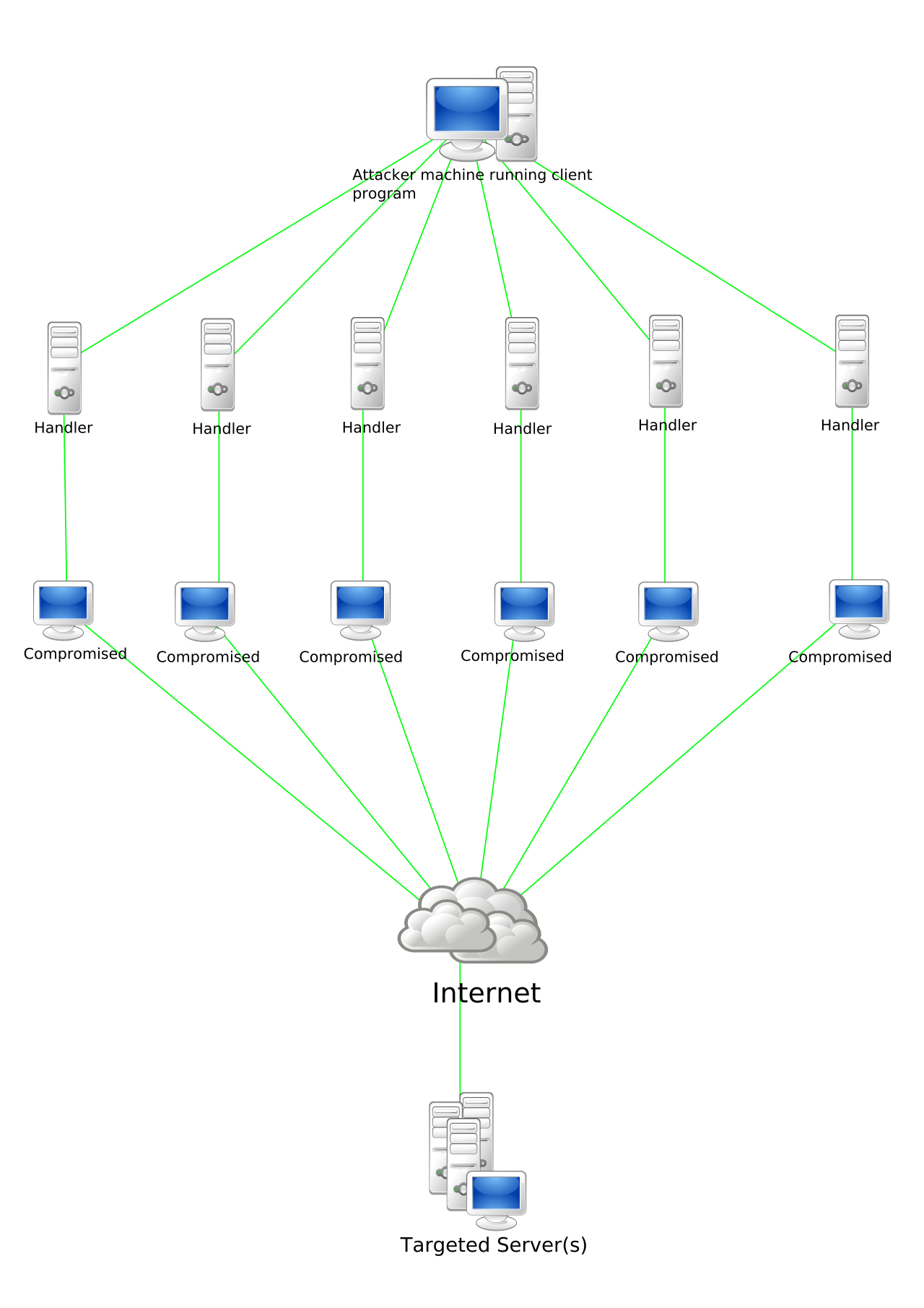
Distributed denial of service (DDoS) attacks are a type of denial of service attack that involves flooding a targeted machine or resource with traffic from multiple sources. These attacks are often launched using Botnets, which are networks of compromised computers that can be controlled remotely. DDoS attacks can be extremely powerful, with some attacks reaching speeds of over 100 Gbps. For instance, a DDoS Attack can be used to take down a Website or a Network. To mitigate these types of attacks, it's essential to have a DDoS Protection plan in place, which includes Traffic Filtering and Rate Limiting.
🤝 Mitigating Denial of Service Attacks
Mitigating denial of service attacks requires a combination of Security Measures and Incident Response planning. This can include implementing Firewalls and Intrusion Detection Systems to detect and block malicious traffic. It's also essential to have a Disaster Recovery plan in place, in case a denial of service attack is successful. For example, a Backup and Recovery plan can be used to restore a Website or a Database after a denial of service attack. Additionally, Network Segmentation and Access Control can be used to limit the damage caused by a denial of service attack.
📈 The Impact of Denial of Service Attacks on Businesses
The impact of denial of service attacks on businesses can be significant, with some attacks resulting in losses of over $100,000 per hour. These attacks can also damage a company's reputation and erode customer trust. For instance, a DDoS Attack can be used to take down a E-commerce Website, resulting in lost sales and revenue. To prevent these types of attacks, it's crucial to implement Security Measures such as Firewalls and Intrusion Detection Systems. Additionally, Incident Response planning and Disaster Recovery planning can be used to mitigate the impact of a denial of service attack.
🚨 Real-World Examples of Denial of Service Attacks
There have been several high-profile denial of service attacks in recent years, including attacks against Major Websites and Financial Institutions. For example, a DDoS Attack was used to take down the Website of a major Bank, resulting in significant losses. To prevent these types of attacks, it's essential to have a DDoS Protection plan in place, which includes Traffic Filtering and Rate Limiting. Additionally, Network Segmentation and Access Control can be used to limit the damage caused by a denial of service attack.
🔒 Preventing Denial of Service Attacks
Preventing denial of service attacks requires a combination of Security Measures and Incident Response planning. This can include implementing Firewalls and Intrusion Detection Systems to detect and block malicious traffic. It's also essential to have a Disaster Recovery plan in place, in case a denial of service attack is successful. For example, a Backup and Recovery plan can be used to restore a Website or a Database after a denial of service attack. Additionally, Network Segmentation and Access Control can be used to limit the damage caused by a denial of service attack.
👮♂️ The Role of Law Enforcement in Combating Denial of Service Attacks
Law enforcement plays a critical role in combating denial of service attacks, with many agencies working to track down and prosecute those responsible for these attacks. For instance, the FBI has a dedicated Cybercrime unit that investigates and prosecutes Cyber Attacks, including denial of service attacks. To prevent these types of attacks, it's essential to have a DDoS Protection plan in place, which includes Traffic Filtering and Rate Limiting. Additionally, Network Segmentation and Access Control can be used to limit the damage caused by a denial of service attack.
🌐 The Future of Denial of Service Attacks and Cybersecurity
The future of denial of service attacks and cybersecurity is likely to be shaped by the increasing use of IoT Devices and Cloud Computing. As more devices become connected to the internet, the potential for denial of service attacks will increase. For example, a DDoS Attack can be used to take down a Smart Home system, resulting in significant losses. To prevent these types of attacks, it's crucial to implement Security Measures such as Firewalls and Intrusion Detection Systems. Additionally, Incident Response planning and Disaster Recovery planning can be used to mitigate the impact of a denial of service attack.
📚 Conclusion: Protecting Against Denial of Service Attacks
In conclusion, denial of service attacks are a significant threat to businesses and individuals alike. These attacks can be launched using a variety of techniques, including Malware and Botnets. To prevent these types of attacks, it's essential to have a DDoS Protection plan in place, which includes Traffic Filtering and Rate Limiting. Additionally, Network Segmentation and Access Control can be used to limit the damage caused by a denial of service attack. By understanding the mechanics of denial of service attacks and taking steps to prevent them, we can help to protect against these types of attacks and keep our systems and data safe.
Key Facts
- Year
- 2016
- Origin
- Early DoS attacks date back to the 1990s, but the term gained widespread use after the 2000 attack on Yahoo!
- Category
- Cybersecurity
- Type
- Cyber Attack
Frequently Asked Questions
What is a denial of service attack?
A denial of service attack is a type of Cyber Attack that involves flooding a targeted machine or resource with superfluous requests, making it unavailable to its intended users. These attacks can be launched using a variety of techniques, including Malware and Botnets. For example, a DDoS Attack can be used to flood a server with traffic from multiple sources, making it difficult for the server to distinguish between legitimate and illegitimate requests.
How can I prevent denial of service attacks?
Preventing denial of service attacks requires a combination of Security Measures and Incident Response planning. This can include implementing Firewalls and Intrusion Detection Systems to detect and block malicious traffic. It's also essential to have a Disaster Recovery plan in place, in case a denial of service attack is successful. For instance, a Backup and Recovery plan can be used to restore a Website or a Database after a denial of service attack.
What is the impact of denial of service attacks on businesses?
The impact of denial of service attacks on businesses can be significant, with some attacks resulting in losses of over $100,000 per hour. These attacks can also damage a company's reputation and erode customer trust. For example, a DDoS Attack can be used to take down a E-commerce Website, resulting in lost sales and revenue. To prevent these types of attacks, it's crucial to implement Security Measures such as Firewalls and Intrusion Detection Systems.
How can I mitigate the effects of a denial of service attack?
Mitigating the effects of a denial of service attack requires a combination of Security Measures and Incident Response planning. This can include implementing Firewalls and Intrusion Detection Systems to detect and block malicious traffic. It's also essential to have a Disaster Recovery plan in place, in case a denial of service attack is successful. For instance, a Backup and Recovery plan can be used to restore a Website or a Database after a denial of service attack.
What is the role of law enforcement in combating denial of service attacks?
Law enforcement plays a critical role in combating denial of service attacks, with many agencies working to track down and prosecute those responsible for these attacks. For instance, the FBI has a dedicated Cybercrime unit that investigates and prosecutes Cyber Attacks, including denial of service attacks. To prevent these types of attacks, it's essential to have a DDoS Protection plan in place, which includes Traffic Filtering and Rate Limiting.
What is the future of denial of service attacks and cybersecurity?
The future of denial of service attacks and cybersecurity is likely to be shaped by the increasing use of IoT Devices and Cloud Computing. As more devices become connected to the internet, the potential for denial of service attacks will increase. For example, a DDoS Attack can be used to take down a Smart Home system, resulting in significant losses. To prevent these types of attacks, it's crucial to implement Security Measures such as Firewalls and Intrusion Detection Systems.
How can I protect my business from denial of service attacks?
Protecting your business from denial of service attacks requires a combination of Security Measures and Incident Response planning. This can include implementing Firewalls and Intrusion Detection Systems to detect and block malicious traffic. It's also essential to have a Disaster Recovery plan in place, in case a denial of service attack is successful. For instance, a Backup and Recovery plan can be used to restore a Website or a Database after a denial of service attack.