
Contents
- 📊 Introduction to South Africa's Budget
- 📈 Economic Context: Understanding the Challenges
- 📊 Budget Allocation: A Breakdown of Expenditure
- 🚨 Debt and Deficit: The Delicate Balance
- 💼 Taxation in South Africa: A Key Revenue Stream
- 📊 Social Welfare and Education: Priority Sectors
- 🚀 Infrastructure Development: A Catalyst for Growth
- 🤝 International Relations and Foreign Aid
- 📊 Fiscal Policy and Monetary Policy: Coordination and Challenges
- 📈 Conclusion: Navigating the Future of South Africa's Economy
- Frequently Asked Questions
- Related Topics
Overview
The budget of South Africa is a complex and highly contested document that reflects the country's socio-economic priorities. With a Vibe score of 60, indicating moderate cultural energy, the budget is influenced by a wide range of stakeholders, including the government, opposition parties, labor unions, and civil society organizations. The budget is shaped by the country's history of apartheid, which has left a legacy of economic inequality and social injustice. According to the National Treasury, the 2022 budget allocated R1.96 trillion in expenditure, with a focus on education, health, and social protection. However, critics argue that the budget does not do enough to address poverty and unemployment, with some 30% of the population living below the poverty line. As the country looks to the future, the budget will need to balance competing demands and priorities, including the need to stimulate economic growth, reduce debt, and address social and economic inequalities.
📊 Introduction to South Africa's Budget
The budget of South Africa is a comprehensive financial plan that outlines the government's revenue and expenditure for a specific fiscal year. It is a delicate balance between allocating resources to priority sectors, managing debt, and ensuring economic growth. The South African economy has faced numerous challenges, including high unemployment rates and a significant budget deficit. To address these issues, the government has implemented various fiscal policies, including tax reforms and expenditure adjustments. The National Treasury plays a crucial role in managing the country's finances and ensuring that the budget is aligned with the government's strategic objectives. The budget process involves extensive consultation with various stakeholders, including civil society organizations and the private sector.
📈 Economic Context: Understanding the Challenges
The economic context in which the South African budget is crafted is complex and challenging. The country faces significant unemployment and inequality challenges, which have a direct impact on the government's revenue collection and expenditure priorities. The global economy also plays a significant role in shaping South Africa's economic outlook, with factors such as trade wars and commodity prices affecting the country's exports and imports. To mitigate these risks, the government has implemented various economic policies, including monetary policies aimed at stimulating economic growth. The South African Reserve Bank plays a critical role in managing the country's monetary policy and ensuring financial stability. The financial sector is also a key player in the economy, providing essential services such as banking and insurance.
📊 Budget Allocation: A Breakdown of Expenditure
The budget allocation in South Africa is a critical aspect of the government's financial planning. The national budget is divided into various categories, including social welfare, education, health, and infrastructure development. Each of these sectors has its own unique challenges and priorities, and the government must balance competing demands to ensure that resources are allocated effectively. The public sector is a significant employer in the country, and the government's expenditure on public sector wages and public sector pensions is a substantial component of the budget. The private sector also plays a critical role in the economy, driving growth and job creation through investment and innovation.
🚨 Debt and Deficit: The Delicate Balance
One of the most significant challenges facing the South African government is managing its debt and deficit. The national debt has been increasing over the years, and the government has had to implement various measures to reduce its budget deficit. This has included tax increases and expenditure cuts, which have had a direct impact on the economy and the lives of citizens. The credit rating of the country is also an important consideration, as it affects the government's ability to borrow money at favorable interest rates. The financial markets play a critical role in shaping the country's economic outlook, and the government must navigate these markets carefully to ensure financial stability. The treasury bills and government bonds are essential instruments for managing the government's debt and financing its activities.
💼 Taxation in South Africa: A Key Revenue Stream
Taxation is a critical component of the South African budget, providing a significant source of revenue for the government. The tax system is designed to be progressive, with higher income earners paying a greater proportion of their income in taxes. The South African Revenue Service is responsible for collecting taxes and ensuring compliance with tax laws. The value-added tax is a key component of the tax system, providing a significant source of revenue for the government. The corporate tax rate is also an important consideration, as it affects the competitiveness of the country's business environment. The tax authorities must balance the need to collect revenue with the need to promote economic growth and job creation.
🚀 Infrastructure Development: A Catalyst for Growth
Infrastructure development is a critical component of the South African budget, with the government investing in transport infrastructure, energy infrastructure, and water infrastructure to promote economic growth and job creation. The public-private partnerships model is often used to finance and deliver infrastructure projects, providing an opportunity for the private sector to invest in the country's infrastructure. The infrastructure investment is essential for promoting economic growth and competitiveness. The logistics and transport sector is a critical component of the economy, providing essential services to businesses and individuals. The tourism industry is also an important sector, promoting economic growth and job creation through tourism development.
🤝 International Relations and Foreign Aid
South Africa's international relations and foreign aid are also important considerations in the budget. The country is a member of various international organizations, including the African Union and the BRICS grouping, and participates in various international forums to promote its economic and strategic interests. The foreign aid received by the country is also an important source of funding for various development projects, including health projects and education projects. The international trade agreements are critical for promoting economic growth and job creation through export-led growth. The regional integration initiatives are also essential for promoting economic cooperation and development in the region.
📊 Fiscal Policy and Monetary Policy: Coordination and Challenges
The coordination between fiscal policy and monetary policy is critical in South Africa, with the government and the South African Reserve Bank working together to promote economic growth and financial stability. The fiscal policy is focused on managing the government's revenue and expenditure, while the monetary policy is focused on managing interest rates and the money supply. The inflation targeting framework is used to guide monetary policy decisions, with the aim of keeping inflation within a target range. The exchange rate is also an important consideration, as it affects the country's trade balance and economic competitiveness. The financial stability is essential for promoting economic growth and job creation.
Key Facts
- Year
- 2022
- Origin
- South Africa
- Category
- Economics
- Type
- Government Budget
Frequently Asked Questions
What is the main source of revenue for the South African government?
The main source of revenue for the South African government is taxation, including personal income tax, corporate tax, and value-added tax. The government also generates revenue from customs duties and excise duties. The tax revenue is a critical component of the government's revenue, and the South African Revenue Service plays a crucial role in collecting taxes and ensuring compliance with tax laws. The tax policy is designed to promote economic growth and job creation, while also ensuring that the government has sufficient revenue to fund its priorities.
What are the main expenditure priorities of the South African government?
The main expenditure priorities of the South African government include social welfare, education, health, and infrastructure development. The government also allocates significant resources to public sector wages and public sector pensions. The expenditure priorities are guided by the National Development Plan, which provides a long-term vision for the country's development. The Medium Term Budget Policy Statement is a critical document that outlines the government's fiscal policy intentions and priorities.
How does the South African government manage its debt and deficit?
The South African government manages its debt and deficit through a combination of tax increases, expenditure cuts, and borrowing. The government has also implemented various fiscal consolidation measures to reduce its budget deficit and stabilize its debt. The debt management is a critical aspect of the government's fiscal policy, and the National Treasury plays a crucial role in managing the country's debt and ensuring financial stability. The credit rating of the country is also an important consideration, as it affects the government's ability to borrow money at favorable interest rates.
What is the role of the South African Reserve Bank in managing the country's economy?
The South African Reserve Bank plays a critical role in managing the country's economy, particularly in terms of monetary policy. The bank is responsible for setting interest rates and managing the money supply, with the aim of promoting economic growth and financial stability. The inflation targeting framework is used to guide monetary policy decisions, with the aim of keeping inflation within a target range. The exchange rate is also an important consideration, as it affects the country's trade balance and economic competitiveness. The financial stability is essential for promoting economic growth and job creation.
How does the South African government promote economic growth and job creation?
The South African government promotes economic growth and job creation through a combination of fiscal policy and monetary policy measures. The government has implemented various economic policies aimed at stimulating economic growth, including investment incentives and trade agreements. The National Development Plan provides a long-term vision for the country's development, and the budget must be aligned with this plan to ensure that resources are allocated effectively. The Medium Term Budget Policy Statement is a critical document that outlines the government's fiscal policy intentions and priorities.
What are the main challenges facing the South African economy?
The main challenges facing the South African economy include high unemployment and inequality, as well as a significant budget deficit and national debt. The country is also vulnerable to external shocks, including global economic downturns and commodity price volatility. The economic challenges are complex and multifaceted, and the government must navigate these challenges carefully to promote economic growth and job creation. The fiscal policy and monetary policy must be coordinated effectively to address these challenges and promote economic stability.
How does the South African government ensure financial stability?
The South African government ensures financial stability through a combination of fiscal policy and monetary policy measures. The government has implemented various fiscal consolidation measures to reduce its budget deficit and stabilize its debt. The financial regulation is also an important aspect of ensuring financial stability, and the Financial Sector Conduct Authority plays a critical role in regulating the financial sector. The financial stability is essential for promoting economic growth and job creation, and the government must navigate the financial markets carefully to ensure financial stability.
📊 Social Welfare and Education: Priority Sectors
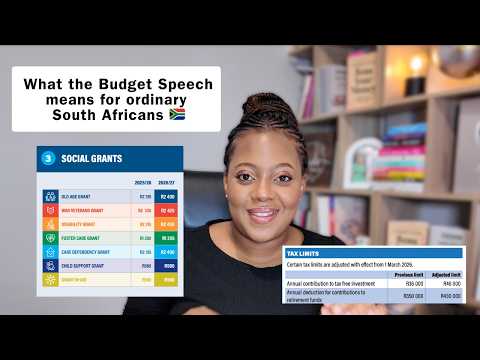
Social welfare and education are priority sectors in the South African budget, with the government allocating significant resources to these areas. The social grant system provides essential support to vulnerable members of society, including the child support grant and the old age pension. The education system is also a critical component of the budget, with the government investing in infrastructure and teacher training to improve educational outcomes. The healthcare system is another critical sector, providing essential services to citizens and promoting public health. The national health insurance scheme is a key initiative aimed at improving access to healthcare services. The rural development initiatives are also essential for promoting economic growth and job creation in rural areas.