
Contents
- 🏰 Introduction to British Trade and Commerce
- 📈 The Rise of the British Empire: A Historical Perspective
- 🚢 Maritime Trade and the Establishment of the East India Company
- 💡 Industrial Revolution: The Catalyst for British Economic Dominance
- 📊 The Impact of the British Empire on Global Trade
- 🌎 British Trade and Commerce in the Modern Era
- 📈 The Role of the City of London in British Trade and Commerce
- 🤝 The Future of British Trade and Commerce: Challenges and Opportunities
- 📊 Brexit and Its Implications for British Trade and Commerce
- 🌐 The Digital Revolution and British Trade: New Frontiers and Challenges
- 📈 Conclusion: The Enduring Legacy of British Trade and Commerce
- Frequently Asked Questions
- Related Topics
Overview
British trade and commerce have been shaped by the country's history as a colonial power, with the UK's mercantilist policies of the 18th and 19th centuries laying the groundwork for its current status as a global trade hub. The UK's membership in the European Union from 1973 to 2020 also had a profound impact on its trade relationships, with the country's exit from the EU (Brexit) introducing new uncertainties and opportunities. Today, the UK is a major player in global trade, with a strong services sector and a growing fintech industry. However, the country's trade relationships are also influenced by its complex relationships with other nations, including the US, China, and India. With a vibe score of 7, British trade and commerce are characterized by a mix of traditional industries and modern innovation, with key entities such as the Bank of England, the London Stock Exchange, and the Confederation of British Industry playing important roles. As the UK navigates the post-Brexit landscape, its trade and commerce sector is likely to remain a key driver of economic growth and development, with potential for increased trade with emerging markets and a growing focus on sustainable and ethical trade practices.
🏰 Introduction to British Trade and Commerce
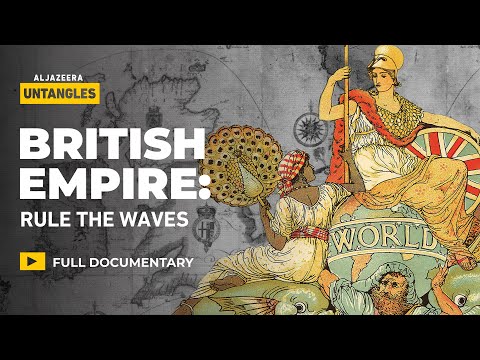
The history of British trade and commerce is a rich and complex one, spanning centuries and continents. From the establishment of the East India Company in 1600 to the present day, Britain has played a significant role in shaping global trade and commerce. The British Empire, which at its peak covered a quarter of the world's land area, was a major driver of British trade and commerce. The empire's vast territories and resources provided a significant advantage for British merchants and traders, allowing them to establish a dominant position in global trade. However, the empire's legacy is also marked by controversy and debate, with many arguing that it was built on colonialism and imperialism.
📈 The Rise of the British Empire: A Historical Perspective
The rise of the British Empire was a gradual process that began in the 16th century. The Treaty of Westphalia in 1648 marked the beginning of the modern nation-state system, and Britain's emergence as a major power. The Act of Union in 1707 united England and Scotland under a single government, creating a more cohesive and powerful state. The British Empire's expansion was driven by a combination of factors, including mercantilism, imperialism, and the desire for natural resources. The empire's growth was also facilitated by the establishment of the Royal Navy, which played a crucial role in protecting British trade and commerce.
🚢 Maritime Trade and the Establishment of the East India Company
The establishment of the East India Company in 1600 marked the beginning of British trade and commerce in Asia. The company's initial goal was to establish a monopoly on the spice trade, but it soon expanded its operations to include the trade in textiles, tea, and other commodities. The company's success was driven by its ability to adapt to local conditions and establish strong relationships with local rulers. The Opium Wars in the 19th century marked a significant turning point in British trade and commerce in Asia, as Britain's victory over China led to the establishment of Hong Kong as a British colony.
💡 Industrial Revolution: The Catalyst for British Economic Dominance
The Industrial Revolution was a major catalyst for British economic dominance. The development of new technologies, such as the steam engine and the power loom, allowed for the mass production of goods and the establishment of new industries. The textile industry was one of the first to be mechanized, and it played a significant role in Britain's economic growth. The Industrial Revolution also led to the growth of new cities, such as Manchester and Birmingham, which became centers of industry and commerce. However, the Industrial Revolution also had significant social and environmental impacts, including the growth of urban poverty and the degradation of the environment.
📊 The Impact of the British Empire on Global Trade
The British Empire had a profound impact on global trade and commerce. The empire's vast territories and resources provided a significant advantage for British merchants and traders, allowing them to establish a dominant position in global trade. The gold standard, which was adopted by Britain in 1717, provided a stable currency and facilitated international trade. The British pound became a widely accepted currency, and it remains one of the most widely traded currencies in the world today. However, the empire's legacy is also marked by controversy and debate, with many arguing that it was built on exploitation and inequality.
🌎 British Trade and Commerce in the Modern Era
In the modern era, British trade and commerce continue to play a significant role in the global economy. The City of London is one of the world's leading financial centers, and it is home to many of the world's largest banks and financial institutions. The UK economy is highly diversified, with significant sectors in finance, manufacturing, and services. However, the UK's decision to leave the European Union (Brexit) has created significant uncertainty and challenges for British trade and commerce. The UK's trade agreements with other countries are currently being renegotiated, and the outcome is still uncertain.
📈 The Role of the City of London in British Trade and Commerce
The City of London has played a significant role in British trade and commerce for centuries. The city's strategic location and its role as a major financial center have made it an attractive location for merchants and traders. The London Stock Exchange is one of the oldest and largest stock exchanges in the world, and it is home to many of the world's largest companies. The Bank of England, which was established in 1694, is the UK's central bank and plays a crucial role in regulating the UK's financial system. However, the City of London has also been criticized for its role in tax avoidance and money laundering.
🤝 The Future of British Trade and Commerce: Challenges and Opportunities
The future of British trade and commerce is marked by significant challenges and opportunities. The digital revolution is transforming the way businesses operate and interact with each other, and it is creating new opportunities for trade and commerce. The UK's digital economy is highly developed, and it is home to many of the world's leading tech companies. However, the UK's decision to leave the EU has created significant uncertainty and challenges for British trade and commerce. The UK's trade policy is currently being renegotiated, and the outcome is still uncertain.
📊 Brexit and Its Implications for British Trade and Commerce
The UK's decision to leave the EU (Brexit) has created significant uncertainty and challenges for British trade and commerce. The UK-EU trade agreement is currently being renegotiated, and the outcome is still uncertain. The UK Trade Bill is currently being debated in Parliament, and it will have a significant impact on the UK's trade policy. The UK's customs system is also being overhauled, and it will have a significant impact on the UK's trade with other countries. However, the UK's decision to leave the EU has also created opportunities for British trade and commerce, including the ability to establish new trade agreements with other countries.
🌐 The Digital Revolution and British Trade: New Frontiers and Challenges
The digital revolution is transforming the way businesses operate and interact with each other, and it is creating new opportunities for trade and commerce. The e-commerce sector is growing rapidly, and it is expected to continue to grow in the coming years. The digital payments sector is also growing rapidly, and it is expected to continue to grow in the coming years. The UK's digital infrastructure is highly developed, and it is home to many of the world's leading tech companies. However, the digital revolution also poses significant challenges, including the risk of cyber attacks and the need for data protection.
📈 Conclusion: The Enduring Legacy of British Trade and Commerce
In conclusion, the history of British trade and commerce is a rich and complex one, spanning centuries and continents. From the establishment of the East India Company in 1600 to the present day, Britain has played a significant role in shaping global trade and commerce. The British Empire was a major driver of British trade and commerce, but its legacy is also marked by controversy and debate. The future of British trade and commerce is marked by significant challenges and opportunities, including the digital revolution and the UK's decision to leave the EU. However, with its highly developed digital infrastructure and its highly diversified economy, the UK is well-placed to continue to play a significant role in global trade and commerce.
Key Facts
- Year
- 2020
- Origin
- United Kingdom
- Category
- Economics and Trade
- Type
- National Economy
Frequently Asked Questions
What was the main driver of British trade and commerce during the 18th and 19th centuries?
The main driver of British trade and commerce during the 18th and 19th centuries was the British Empire. The empire's vast territories and resources provided a significant advantage for British merchants and traders, allowing them to establish a dominant position in global trade. The East India Company played a significant role in the establishment of British trade and commerce in Asia, and the Industrial Revolution provided a major catalyst for British economic dominance.
What is the current state of British trade and commerce?
The current state of British trade and commerce is marked by significant uncertainty and challenges, particularly in the wake of the UK's decision to leave the European Union (Brexit). The UK-EU trade agreement is currently being renegotiated, and the outcome is still uncertain. However, the UK's highly developed digital infrastructure and its highly diversified economy provide a strong foundation for British trade and commerce to continue to thrive.
What are the main challenges facing British trade and commerce in the future?
The main challenges facing British trade and commerce in the future include the Brexit negotiations, the digital revolution, and the need to establish new trade agreements with other countries. The UK's trade policy is currently being renegotiated, and the outcome is still uncertain. However, the UK's highly developed digital infrastructure and its highly diversified economy provide a strong foundation for British trade and commerce to continue to thrive.
What are the main opportunities facing British trade and commerce in the future?
The main opportunities facing British trade and commerce in the future include the digital revolution, the growth of e-commerce, and the establishment of new trade agreements with other countries. The UK's digital economy is highly developed, and it is home to many of the world's leading tech companies. The UK's trade agreements with other countries are currently being renegotiated, and the outcome is still uncertain.
What is the significance of the City of London in British trade and commerce?
The City of London is one of the world's leading financial centers, and it plays a significant role in British trade and commerce. The London Stock Exchange is one of the oldest and largest stock exchanges in the world, and it is home to many of the world's largest companies. The Bank of England, which was established in 1694, is the UK's central bank and plays a crucial role in regulating the UK's financial system.