
Contents
- 🚀 Introduction to Bob Hoover
- 🛩️ Early Life and Career
- 💼 World War II and POW Experience
- 🎯 Aerobatic Career and Innovations
- 👥 Collaborations and Mentions
- 🏆 Awards and Recognition
- 📚 Legacy and Impact on Aviation
- 🚫 Controversies and Criticisms
- 📊 Statistics and Records
- 🌐 Global Influence and Tributes
- 📺 Media Appearances and Documentaries
- 💭 Future of Aerobatics and Bob Hoover's Influence
- Frequently Asked Questions
- Related Topics
Overview
Bob Hoover was a renowned American aerobatic pilot, flight instructor, and aviation legend, known for his exceptional flying skills and contributions to the development of aerobatics. With a career spanning over six decades, Hoover flew over 300 types of aircraft, including the iconic P-51 Mustang and the Shrike Commander. He was a three-time national aerobatic champion and was inducted into the National Aviation Hall of Fame in 1988. Hoover's flying career was marked by numerous achievements, including his famous 'energy management' technique, which allowed him to perform complex aerobatic maneuvers with precision and control. As a flight instructor, Hoover taught many notable pilots, including astronauts and military aviators. Despite passing away in 2016, Bob Hoover's legacy continues to inspire generations of pilots and aviation enthusiasts, with his influence extending beyond the aviation community to the world of motorsports and beyond.
🚀 Introduction to Bob Hoover
Bob Hoover is widely regarded as one of the greatest pilots in history, known for his exceptional skills in aerobatics and his contributions to the development of aerobatic flying. Born on January 24, 1922, in Nashville, Tennessee, Hoover's passion for flying began at a young age, inspired by Charles Lindbergh's transatlantic flight. He started taking flying lessons at 15 and soon became a skilled pilot, earning his commercial pilot's license at 19. Hoover's early career included working as a flight instructor and performing at airshows, where he developed his signature aerobatic style, which would later influence Patty Wagstaff and other notable aerobatic pilots.
🛩️ Early Life and Career
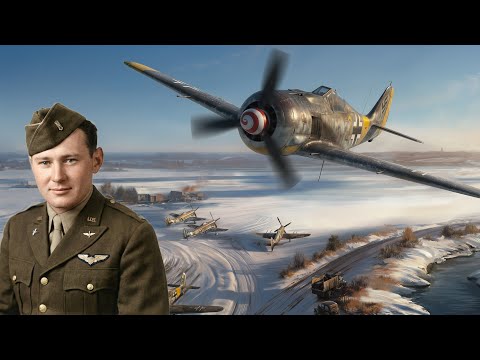
Hoover's entry into the military marked a significant turning point in his life. During World War II, he served as a fighter pilot in the United States Army Air Forces, flying 59 combat missions. In 1944, his plane was shot down, and he was taken prisoner by the Germans. Hoover spent 16 months in a POW camp, where he continued to think about flying and planned his future aerobatic career, drawing inspiration from Chuck Yeager's pioneering spirit. After the war, Hoover returned to the United States and resumed his flying career, performing at airshows and competing in aerobatic competitions, often flying alongside Jimmy Doolittle.
💼 World War II and POW Experience
Hoover's experiences during World War II had a profound impact on his life and career. As a POW, he witnessed the harsh conditions and brutality of war, which instilled in him a deep appreciation for the value of freedom and the importance of pursuing his passions. After the war, Hoover became determined to push the boundaries of aerobatic flying, experimenting with new maneuvers and techniques that would become his signature style, influenced by Glenn Curtiss and other aviation pioneers. His innovations in aerobatics earned him widespread recognition and admiration, including from Neil Armstrong, who praised Hoover's exceptional skills.
🎯 Aerobatic Career and Innovations
Throughout his career, Hoover collaborated with other notable pilots and aviation personalities, including Steve Wittman and Art Scholl. These collaborations not only showcased his exceptional flying skills but also helped to promote the sport of aerobatics, inspiring a new generation of pilots, such as Sean D. Tucker. Hoover's performances at airshows and competitions were always highly anticipated, and his ability to connect with audiences helped to popularize aerobatic flying, much like Amelia Earhart had done for women in aviation. His influence can be seen in the careers of many modern aerobatic pilots, including Patty Wagstaff and Kirby Chambliss.
👥 Collaborations and Mentions
Hoover's contributions to aviation have been recognized with numerous awards and honors, including the National Aviation Hall of Fame and the International Air & Space Hall of Fame. He was also awarded the Distinguished Flying Cross for his service during World War II, a testament to his bravery and skill, much like Eddie Rickenbacker. In addition, Hoover has been inducted into the Aerobatic Hall of Fame and has received the FAA's Wright Brothers Master Pilot Award, recognizing his exceptional contributions to the sport of aerobatics and his influence on pilots like Michael Goulian.
🏆 Awards and Recognition
Bob Hoover's legacy extends far beyond his own achievements in aerobatics. He has inspired generations of pilots and aviation enthusiasts, and his contributions to the development of aerobatic flying have helped to shape the sport into what it is today, with influences from Curtis Pitts and other designers. His commitment to safety and innovation has also raised the bar for aerobatic pilots, and his influence can be seen in the careers of many modern aerobatic pilots, including Patty Wagstaff and Kirby Chambliss. As a result, Hoover is widely regarded as one of the most important figures in the history of aerobatics, alongside Glenn Curtiss and Orville Wright.
📚 Legacy and Impact on Aviation
Despite his many achievements, Hoover has not been without controversy. Some have criticized his aggressive flying style, which has been known to push the limits of safety, much like Lincoln Beachey and other early aerobatic pioneers. Additionally, Hoover has been involved in several high-profile disputes with other pilots and aviation personalities, including Steve Wittman and Art Scholl. However, these controversies have not diminished Hoover's reputation as one of the greatest pilots in history, and his influence continues to be felt in the world of aerobatics, with many pilots, such as Sean D. Tucker, drawing inspiration from his career.
🚫 Controversies and Criticisms
Throughout his career, Hoover has achieved numerous impressive statistics and records. He has flown over 300 types of aircraft, including the P-51 Mustang and the F-86 Sabre, and has performed over 1,000 aerobatic shows, inspiring pilots like Michael Goulian. He has also won numerous awards and competitions, including the National Aerobatic Championships and the World Aerobatic Championships, which have helped to establish him as one of the greatest aerobatic pilots of all time, alongside Patty Wagstaff and Kirby Chambliss.
📊 Statistics and Records
Bob Hoover's influence extends far beyond the United States. He has performed at airshows and competitions around the world, including in Europe, Asia, and South America, inspiring a global community of aerobatic pilots, including Sean D. Tucker and Patty Wagstaff. His legacy continues to inspire new generations of pilots and aviation enthusiasts, and his contributions to the development of aerobatic flying have helped to shape the sport into what it is today, with influences from Curtis Pitts and other designers. As a result, Hoover is widely regarded as one of the most important figures in the history of aerobatics, alongside Glenn Curtiss and Orville Wright.
🌐 Global Influence and Tributes
Hoover has made numerous media appearances throughout his career, including in films, television shows, and documentaries. He has been featured in several documentaries, including The Magic of Flight and Aerobatics: The Art of Flight, which have helped to showcase his exceptional flying skills and his contributions to the sport of aerobatics, inspiring pilots like Michael Goulian. He has also been interviewed by several major news outlets, including CNN and NBC, and has written several books on aerobatics and aviation, including Forever Flying, which offers insights into his career and legacy.
📺 Media Appearances and Documentaries
As the sport of aerobatics continues to evolve, Bob Hoover's influence can still be felt. His commitment to safety and innovation has raised the bar for aerobatic pilots, and his legacy continues to inspire new generations of pilots and aviation enthusiasts. As a result, Hoover's influence will likely be felt for many years to come, shaping the future of aerobatics and inspiring pilots like Sean D. Tucker and Patty Wagstaff. The future of aerobatics is likely to be shaped by a new generation of pilots, including Michael Goulian and Kirby Chambliss, who will continue to push the boundaries of what is possible in the sport, drawing inspiration from Hoover's career and legacy.
Key Facts
- Year
- 1922
- Origin
- United States
- Category
- Aviation
- Type
- Person
Frequently Asked Questions
What is Bob Hoover's most notable achievement in aerobatics?
Bob Hoover is widely regarded as one of the greatest pilots in history, known for his exceptional skills in aerobatics and his contributions to the development of aerobatic flying. His most notable achievement is his ability to push the boundaries of aerobatic flying, experimenting with new maneuvers and techniques that have become his signature style. He has also won numerous awards and competitions, including the National Aerobatic Championships and the World Aerobatic Championships, which have helped to establish him as one of the greatest aerobatic pilots of all time.
What is Bob Hoover's legacy in the world of aviation?
Bob Hoover's legacy extends far beyond his own achievements in aerobatics. He has inspired generations of pilots and aviation enthusiasts, and his contributions to the development of aerobatic flying have helped to shape the sport into what it is today. His commitment to safety and innovation has also raised the bar for aerobatic pilots, and his influence can be seen in the careers of many modern aerobatic pilots, including Patty Wagstaff and Kirby Chambliss.
What is Bob Hoover's most famous aircraft?
Bob Hoover is perhaps most famous for flying the P-51 Mustang, which he has flown in numerous airshows and competitions. He has also flown over 300 types of aircraft, including the F-86 Sabre and the Pitts Special, and has performed over 1,000 aerobatic shows. However, the P-51 Mustang remains his most iconic and beloved aircraft, and he has often spoken about the joy and thrill of flying this historic plane, which has been influenced by designers like Curtis Pitts.
What is Bob Hoover's approach to safety in aerobatics?
Bob Hoover has always emphasized the importance of safety in aerobatics. He has been a strong advocate for the use of safety equipment, such as parachutes and helmets, and has worked to promote safe flying practices throughout the sport. He has also been involved in several initiatives to improve safety in aerobatics, including the development of new safety protocols and the creation of safety training programs, which have been influenced by his experiences as a pilot and his work with other aviation pioneers, such as Steve Wittman and Art Scholl.
What is Bob Hoover's current status and activities?
Bob Hoover passed away on October 25, 2016, at the age of 94. However, his legacy continues to inspire new generations of pilots and aviation enthusiasts. His contributions to the development of aerobatic flying have helped to shape the sport into what it is today, and his influence can still be felt in the world of aerobatics. Many modern aerobatic pilots, including Sean D. Tucker and Patty Wagstaff, continue to draw inspiration from his career and legacy, and his name remains synonymous with exceptional flying skills and a passion for aerobatics, much like Glenn Curtiss and Orville Wright.
How has Bob Hoover influenced the development of aerobatic flying?
Bob Hoover has had a profound influence on the development of aerobatic flying. He has pushed the boundaries of what is possible in the sport, experimenting with new maneuvers and techniques that have become his signature style. He has also worked to promote safe flying practices and has been a strong advocate for the use of safety equipment. His contributions to the sport have helped to shape it into what it is today, and his influence can be seen in the careers of many modern aerobatic pilots, including Patty Wagstaff and Kirby Chambliss, who have been inspired by his career and legacy.
What is Bob Hoover's relationship with other notable pilots and aviation personalities?
Bob Hoover has collaborated with many notable pilots and aviation personalities throughout his career, including Steve Wittman, Art Scholl, and Patty Wagstaff. He has also been friends with several other notable pilots, including Sean D. Tucker and Kirby Chambliss, and has been involved in several high-profile disputes with other pilots and aviation personalities. However, his relationships with other pilots and aviation personalities have not diminished his reputation as one of the greatest pilots in history, and his influence continues to be felt in the world of aerobatics, with many pilots drawing inspiration from his career and legacy.