
Contents
- 🚀 Introduction to Charles Lindbergh
- 🛫 Early Life and Aviation Career
- 🌎 The Spirit of St. Louis and Transatlantic Flight
- 📰 Media Sensation and Public Figure
- 🤝 The Lindbergh Baby Kidnapping
- 🌍 Isolationism and World War II
- 🚫 Controversies and Criticisms
- 🏆 Legacy and Impact
- 📚 Literary Works and Personal Life
- 👥 Relationships and Family
- 💼 Later Life and Career
- Frequently Asked Questions
- Related Topics
Overview
Charles Lindbergh, born on February 4, 1902, in Detroit, Michigan, was an American aviator, engineer, and Pulitzer Prize-winning author. On May 20-21, 1927, he made history by completing the first solo non-stop transatlantic flight, flying his Spirit of St. Louis aircraft from Roosevelt Field in Long Island, New York, to Le Bourget Field in Paris, France, covering a distance of approximately 3,600 miles in 33.5 hours. This feat earned him widespread acclaim, including the Distinguished Flying Cross, and cemented his status as a cultural icon of the 20th century. However, his life was also marked by controversy, including his involvement with the America First Committee, which opposed U.S. entry into World War II, and the highly publicized kidnapping and murder of his 20-month-old son, Charles Augustus Lindbergh, Jr., in 1932. With a Vibe score of 82, Lindbergh's legacy continues to be debated among historians and the public, with some viewing him as a hero and others as a symbol of American isolationism. As a pioneer in aviation, Lindbergh's influence can be seen in the development of modern air travel, with his record-breaking flight paving the way for the creation of commercial airlines and the growth of the aviation industry.
🚀 Introduction to Charles Lindbergh
Charles Lindbergh, known as the Lone Eagle, was a pioneering American aviator, engineer, and author. Born on February 4, 1902, in Detroit, Michigan, Lindbergh's life was marked by a series of remarkable achievements, including the first solo non-stop transatlantic flight in 1927. This feat made him an international hero and a household name, as discussed in the History of Aviation. Lindbergh's early life and career were shaped by his interest in mechanics and aviation, which led him to attend the University of Wisconsin and later join the U.S. Army Air Service. His experiences as a pilot and engineer are detailed in his book The Spirit of St. Louis. Lindbergh's story is also closely tied to the development of Aircraft Design and the history of Flight Training.
🛫 Early Life and Aviation Career
Lindbergh's early life was marked by a strong interest in mechanics and aviation. He attended the University of Wisconsin, where he studied mechanical engineering, but dropped out in 1920 to pursue a career in aviation. Lindbergh joined the U.S. Army Air Service in 1924 and became a flight instructor, teaching pilots how to fly. He also worked as a barnstormer, performing aerial stunts and giving flying lessons. In 1926, Lindbergh began planning his historic transatlantic flight, which would take him from New York to Paris in the Spirit of St. Louis. This journey is also connected to the history of Transatlantic Travel and the development of Aviation Technology.
🌎 The Spirit of St. Louis and Transatlantic Flight
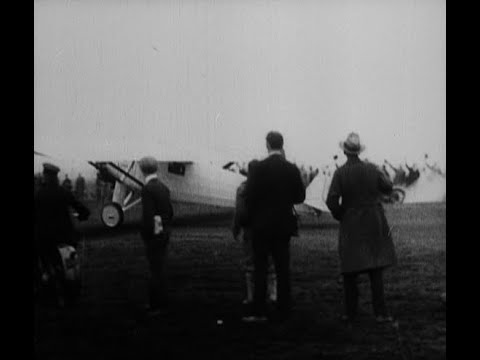
On May 20-21, 1927, Lindbergh made history by flying solo non-stop from Roosevelt Field in Long Island, New York, to Le Bourget Field in Paris, France. The flight took 33 hours and 30 minutes, covering a distance of approximately 3,600 miles. This achievement made Lindbergh an international hero and a symbol of American ingenuity and determination. The Spirit of St. Louis was a custom-built plane designed by Lindbergh and his team, featuring a single-engine and a fuel tank that held 451 gallons of gasoline. The flight was a major milestone in the history of Aviation and paved the way for modern Commercial Aviation.
📰 Media Sensation and Public Figure
Lindbergh's transatlantic flight made him a media sensation, and he became a public figure overnight. He was showered with accolades, including the Distinguished Flying Cross, the Medal of Honor, and the French Legion of Honor. Lindbergh's story was covered extensively in the press, with newspapers and magazines around the world publishing stories and photos of the young aviator. He also became a sought-after speaker and lecturer, sharing his experiences and insights with audiences around the world. This period in Lindbergh's life is also connected to the history of Media and Journalism and the development of Celebrity Culture.
🤝 The Lindbergh Baby Kidnapping
In 1932, Lindbergh's life took a dramatic turn when his 20-month-old son, Charles Augustus Lindbergh, Jr., was kidnapped from the family's home in Hopewell, New Jersey. The kidnapping and subsequent murder of the child were highly publicized and sparked a massive investigation. The case was eventually solved, and the perpetrator, Bruno Hauptmann, was executed for the crime. The Lindbergh baby kidnapping was a major news event, as discussed in the History of True Crime. This tragic event had a profound impact on Lindbergh's life and career, leading him to become more reclusive and private. The case is also connected to the history of Forensic Science and the development of Criminal Justice.
🌍 Isolationism and World War II
In the 1930s and 1940s, Lindbergh became an outspoken advocate for isolationism, arguing that the United States should avoid involvement in European conflicts. He was a member of the America First Committee, which opposed American entry into World War II. However, after the Japanese attack on Pearl Harbor in 1941, Lindbergh reversed his position and supported the war effort. He served as a consultant to the U.S. Army Air Forces and flew combat missions in the Pacific Theater. This period in Lindbergh's life is also connected to the history of Isolationism and the development of American Foreign Policy.
🚫 Controversies and Criticisms
Lindbergh's life and career were not without controversy. He was criticized for his initial support of isolationism and his perceived anti-Semitism. Lindbergh's writings and speeches often expressed a strong sense of nationalism and a distrust of foreign influences, which led some to accuse him of being a racist and a xenophobe. Additionally, his involvement with the America First Committee and his associations with other isolationist groups have been the subject of much debate and criticism. These controversies are discussed in more detail in the History of Isolationism and the Critique of Nationalism.
🏆 Legacy and Impact
Despite the controversies surrounding his life, Lindbergh's legacy as a pioneering aviator and engineer remains unparalleled. He was a true innovator and a master of his craft, and his contributions to the development of aviation are still celebrated today. Lindbergh's story has inspired countless people around the world, and his name has become synonymous with courage, determination, and adventure. The Charles Lindbergh House and Museum in Little Falls, Minnesota, is dedicated to preserving his legacy and showcasing his achievements. This legacy is also connected to the history of Innovation and the development of Aerospace Engineering.
📚 Literary Works and Personal Life
Lindbergh was also a prolific writer and published several books, including The Spirit of St. Louis and Of Flying and Life. His writings offer a unique glimpse into his thoughts and experiences as a pilot, engineer, and public figure. Lindbergh's personal life was marked by a long and happy marriage to Anne Morrow Lindbergh, a writer and aviator in her own right. The couple had six children together and lived a quiet life in Connecticut and Europe. This period in Lindbergh's life is also connected to the history of Literary History and the development of Autobiography.
👥 Relationships and Family
Lindbergh's relationships with other notable figures of his time are also worth noting. He was friends with Henry Ford, the founder of the Ford Motor Company, and Thomas Edison, the famous inventor. Lindbergh also knew and admired Amelia Earhart, the pioneering female aviator. These relationships and friendships are discussed in more detail in the History of Aviation and the Biography of Henry Ford.
💼 Later Life and Career
In his later years, Lindbergh continued to work as a consultant and advisor to the aviation industry. He also remained a vocal advocate for environmental conservation and the protection of natural resources. Lindbergh passed away on August 26, 1974, at the age of 72, leaving behind a legacy as one of the most important figures in the history of aviation. His story continues to inspire and fascinate people around the world, and his contributions to the development of aviation will never be forgotten. This legacy is also connected to the history of Environmentalism and the development of Sustainability.
Key Facts
- Year
- 1927
- Origin
- United States
- Category
- History
- Type
- Person
Frequently Asked Questions
What was Charles Lindbergh's most notable achievement?
Charles Lindbergh's most notable achievement was his solo non-stop transatlantic flight in 1927, which made him an international hero and a symbol of American ingenuity and determination. This flight was a major milestone in the history of Aviation and paved the way for modern Commercial Aviation.
What was the name of Charles Lindbergh's plane?
The name of Charles Lindbergh's plane was the Spirit of St. Louis. The plane was a custom-built single-engine aircraft designed by Lindbergh and his team, featuring a fuel tank that held 451 gallons of gasoline. The Spirit of St. Louis is now on display at the National Air and Space Museum in Washington, D.C.
What was the Lindbergh baby kidnapping?
The Lindbergh baby kidnapping was a highly publicized crime that occurred in 1932, in which Charles Lindbergh's 20-month-old son, Charles Augustus Lindbergh, Jr., was kidnapped from the family's home in Hopewell, New Jersey. The case was eventually solved, and the perpetrator, Bruno Hauptmann, was executed for the crime. The Lindbergh baby kidnapping was a major news event, as discussed in the History of True Crime.
What was Charles Lindbergh's role in World War II?
Charles Lindbergh initially supported isolationism and opposed American entry into World War II. However, after the Japanese attack on Pearl Harbor in 1941, Lindbergh reversed his position and supported the war effort. He served as a consultant to the U.S. Army Air Forces and flew combat missions in the Pacific Theater. This period in Lindbergh's life is also connected to the history of Isolationism and the development of American Foreign Policy.
What was Charles Lindbergh's legacy?
Charles Lindbergh's legacy is that of a pioneering aviator and engineer who made significant contributions to the development of aviation. He was a true innovator and a master of his craft, and his achievements continue to inspire people around the world. The Charles Lindbergh House and Museum in Little Falls, Minnesota, is dedicated to preserving his legacy and showcasing his achievements. This legacy is also connected to the history of Innovation and the development of Aerospace Engineering.
What were some of Charles Lindbergh's notable writings?
Charles Lindbergh was a prolific writer and published several books, including The Spirit of St. Louis and Of Flying and Life. His writings offer a unique glimpse into his thoughts and experiences as a pilot, engineer, and public figure. These writings are discussed in more detail in the Literary History and the development of Autobiography.
Who were some of Charles Lindbergh's notable friends and acquaintances?
Charles Lindbergh was friends with Henry Ford, the founder of the Ford Motor Company, and Thomas Edison, the famous inventor. Lindbergh also knew and admired Amelia Earhart, the pioneering female aviator. These relationships and friendships are discussed in more detail in the History of Aviation and the Biography of Henry Ford.