
Contents
- 🏥 Introduction to Biomedical Equipment Technicians
- 💻 The Role of BMETs in Healthcare Technology
- 🔧 Maintenance and Repair of Medical Equipment
- 📈 The Importance of BMETs in Patient Care
- 🎓 Education and Training for BMETs
- 📊 Certification and Licensure for BMETs
- 👥 The Relationship Between BMETs and Clinical Engineers
- 🚀 The Future of BMETs in Healthcare Technology
- 🤝 Collaboration Between BMETs and Healthcare Professionals
- 📊 The Economic Impact of BMETs on Healthcare
- 📈 Emerging Trends in Biomedical Equipment Technology
- Frequently Asked Questions
- Related Topics
Overview
Biomedical equipment technicians (BMETs) are responsible for the installation, maintenance, and repair of medical devices, playing a vital role in patient care and safety. With the increasing complexity of medical technology, the demand for skilled BMETs is on the rise. According to the Bureau of Labor Statistics, employment of BMETs is projected to grow 4% from 2020 to 2030, with a median annual salary of $62,000. However, the field faces challenges such as staffing shortages and the need for continuous training to keep up with emerging technologies. The Association for the Advancement of Medical Instrumentation (AAMI) estimates that there are over 45,000 BMETs in the US, with a projected shortage of 10,000 by 2025. As the healthcare industry continues to evolve, the importance of BMETs will only continue to grow, with a projected 1.4 million medical devices in use by 2025, requiring skilled technicians to ensure their proper function and safety.
🏥 Introduction to Biomedical Equipment Technicians
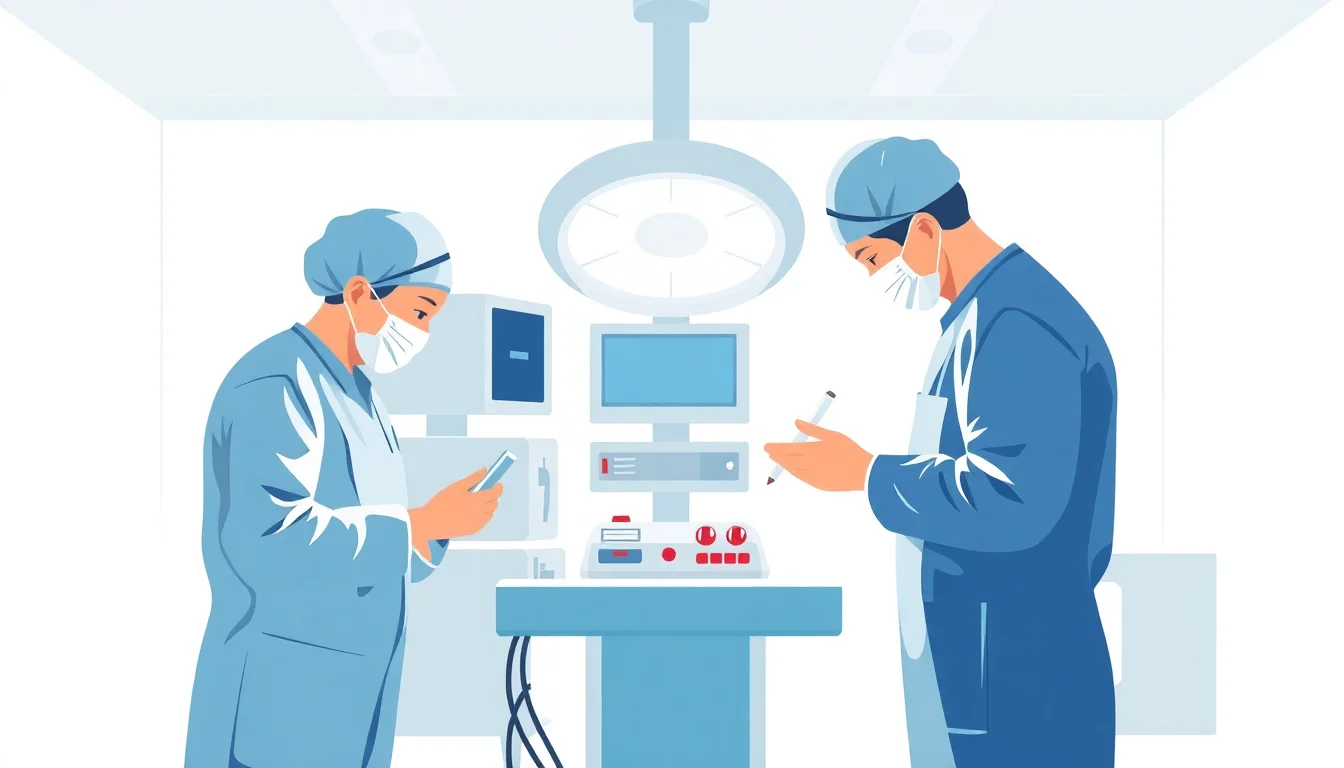
Biomedical equipment technicians (BMETs) are the unsung heroes of healthcare, working behind the scenes to ensure that medical equipment is functioning properly and safely. BMETs are electro-mechanical technicians who assemble, configure, maintain, and repair medical equipment, playing a critical role in patient care. According to the Association for the Advancement of Medical Instrumentation (AAMI), BMETs are essential to the healthcare system. To learn more about the role of BMETs, visit the Biomedical Equipment Technician page. The healthcare technology industry relies heavily on BMETs to keep medical equipment in good working order.
💻 The Role of BMETs in Healthcare Technology
The role of BMETs in healthcare technology is multifaceted. BMETs work with a wide range of medical equipment, from simple devices like thermometers to complex systems like MRI machines. They must have a strong understanding of electrical, mechanical, and software systems, as well as the ability to troubleshoot and repair problems quickly and efficiently. The Food and Drug Administration (FDA) regulates medical equipment, and BMETs must be aware of these regulations when performing their duties. For more information on medical equipment regulation, visit the Medical Equipment Regulation page. BMETs often work with clinical engineers to design and implement new medical equipment and systems.
🔧 Maintenance and Repair of Medical Equipment
Maintenance and repair of medical equipment are critical functions of BMETs. BMETs must be able to perform routine maintenance tasks, such as cleaning and calibrating equipment, as well as more complex repairs, like replacing faulty components or upgrading software. The American Hospital Association (AHA) provides guidance on medical equipment maintenance and repair. BMETs must also be able to troubleshoot problems and identify the root cause of equipment failures. To learn more about medical equipment maintenance, visit the Medical Equipment Maintenance page. This requires strong analytical and problem-solving skills, as well as the ability to work well under pressure. BMETs often use specialized tools and software, such as computerized maintenance management systems (CMMS), to manage and track maintenance activities.
📈 The Importance of BMETs in Patient Care
The importance of BMETs in patient care cannot be overstated. Medical equipment is used to diagnose and treat a wide range of medical conditions, and faulty or malfunctioning equipment can have serious consequences for patients. BMETs play a critical role in ensuring that medical equipment is functioning properly and safely, which helps to prevent accidents and improve patient outcomes. The Joint Commission (JC) sets standards for medical equipment safety and maintenance. BMETs work closely with healthcare professionals, such as nurses and doctors, to ensure that equipment is available and functioning properly when needed. For more information on patient safety, visit the Patient Safety page. By doing so, BMETs help to improve the quality of care and reduce the risk of medical errors. BMETs are also involved in the medical equipment planning process, which helps to ensure that healthcare facilities have the equipment they need to provide high-quality care.
🎓 Education and Training for BMETs
Education and training for BMETs typically involve a combination of formal education and on-the-job training. Many BMETs hold an associate's or bachelor's degree in a field such as biomedical engineering or engineering technology. The National Institute of Biomedical Imaging and Bioengineering (NIBIB) provides funding for biomedical engineering research and education. BMETs must also complete specialized training programs, such as those offered by the Association for the Advancement of Medical Instrumentation (AAMI), to learn about specific types of medical equipment and systems. To learn more about BMET education and training, visit the Biomedical Equipment Technician Education page. Many BMETs also participate in continuing education programs to stay up-to-date with the latest technologies and advancements in the field. The healthcare technology education sector is constantly evolving to meet the needs of BMETs.
📊 Certification and Licensure for BMETs
Certification and licensure for BMETs are important credentials that demonstrate a level of competence and expertise. The Association for the Advancement of Medical Instrumentation (AAMI) offers several certification programs for BMETs, including the Certified Biomedical Equipment Technician (CBET) and the Certified Laboratory Equipment Specialist (CLES) designations. The National Board of Medical Examiners (NBME) also offers certification exams for BMETs. To learn more about BMET certification, visit the Biomedical Equipment Technician Certification page. Some states also require BMETs to be licensed or registered, which typically involves passing a certification exam and meeting certain education and training requirements. BMETs must also be aware of the medical equipment regulation landscape, which is constantly evolving.
👥 The Relationship Between BMETs and Clinical Engineers
The relationship between BMETs and clinical engineers is an important one. Clinical engineers are responsible for designing and implementing new medical equipment and systems, while BMETs are responsible for maintaining and repairing existing equipment. The American College of Clinical Engineering (ACCE) provides guidance on clinical engineering practices. BMETs and clinical engineers often work together to troubleshoot problems and identify solutions, and BMETs may also be involved in the testing and validation of new equipment and systems. To learn more about clinical engineering, visit the Clinical Engineering page. By working together, BMETs and clinical engineers can help to ensure that medical equipment is safe, effective, and reliable. The healthcare technology industry relies heavily on the collaboration between BMETs and clinical engineers.
🚀 The Future of BMETs in Healthcare Technology
The future of BMETs in healthcare technology is exciting and rapidly evolving. Advances in technology, such as the development of more sophisticated medical equipment and systems, are creating new opportunities and challenges for BMETs. The National Institutes of Health (NIH) provides funding for biomedical research and development. BMETs must be able to adapt to these changes and stay up-to-date with the latest technologies and advancements in the field. To learn more about the future of BMETs, visit the Biomedical Equipment Technician Future page. This may involve participating in continuing education programs, attending industry conferences, and networking with other professionals in the field. The healthcare technology future is full of possibilities for BMETs.
🤝 Collaboration Between BMETs and Healthcare Professionals
Collaboration between BMETs and healthcare professionals is essential to providing high-quality patient care. BMETs work closely with nurses, doctors, and other healthcare professionals to ensure that medical equipment is available and functioning properly when needed. The American Hospital Association (AHA) provides guidance on healthcare collaboration and communication. BMETs must be able to communicate effectively with healthcare professionals, which requires strong interpersonal and communication skills. To learn more about healthcare collaboration, visit the Healthcare Collaboration page. By working together, BMETs and healthcare professionals can help to improve patient outcomes and reduce the risk of medical errors. The patient safety movement relies heavily on the collaboration between BMETs and healthcare professionals.
📊 The Economic Impact of BMETs on Healthcare
The economic impact of BMETs on healthcare is significant. BMETs help to reduce the cost of healthcare by extending the life of medical equipment, reducing downtime, and improving efficiency. The Healthcare Financial Management Association (HFMA) provides guidance on healthcare finance and economics. BMETs also help to improve patient outcomes, which can reduce the need for costly medical interventions and improve the overall quality of care. To learn more about the economic impact of BMETs, visit the Biomedical Equipment Technician Economic Impact page. By providing high-quality maintenance and repair services, BMETs can help to reduce the economic burden of healthcare and improve the overall efficiency of the healthcare system. The healthcare economics of BMETs is a complex and multifaceted field.
📈 Emerging Trends in Biomedical Equipment Technology
Emerging trends in biomedical equipment technology are creating new opportunities and challenges for BMETs. Advances in technologies such as artificial intelligence, robotics, and the Internet of Things (IoT) are being used to develop more sophisticated medical equipment and systems. The National Science Foundation (NSF) provides funding for biomedical research and development. BMETs must be able to adapt to these changes and stay up-to-date with the latest technologies and advancements in the field. To learn more about emerging trends in biomedical equipment technology, visit the Biomedical Equipment Technology Trends page. This may involve participating in continuing education programs, attending industry conferences, and networking with other professionals in the field. The healthcare technology trends are constantly evolving, and BMETs must be able to keep up.
Key Facts
- Year
- 2022
- Origin
- United States
- Category
- Healthcare Technology
- Type
- Occupation
Frequently Asked Questions
What is the role of a biomedical equipment technician?
A biomedical equipment technician (BMET) is an electro-mechanical technician who assembles, configures, maintains, and repairs medical equipment. BMETs play a critical role in ensuring that medical equipment is functioning properly and safely, which helps to prevent accidents and improve patient outcomes. To learn more about the role of BMETs, visit the Biomedical Equipment Technician page. BMETs work closely with healthcare professionals, such as nurses and doctors, to ensure that equipment is available and functioning properly when needed. The healthcare technology industry relies heavily on BMETs to keep medical equipment in good working order.
What kind of education and training do BMETs need?
BMETs typically need a combination of formal education and on-the-job training. Many BMETs hold an associate's or bachelor's degree in a field such as biomedical engineering or engineering technology. The National Institute of Biomedical Imaging and Bioengineering (NIBIB) provides funding for biomedical engineering research and education. BMETs must also complete specialized training programs, such as those offered by the Association for the Advancement of Medical Instrumentation (AAMI), to learn about specific types of medical equipment and systems. To learn more about BMET education and training, visit the Biomedical Equipment Technician Education page.
What is the relationship between BMETs and clinical engineers?
BMETs and clinical engineers work together to ensure that medical equipment is safe, effective, and reliable. Clinical engineers are responsible for designing and implementing new medical equipment and systems, while BMETs are responsible for maintaining and repairing existing equipment. The American College of Clinical Engineering (ACCE) provides guidance on clinical engineering practices. BMETs and clinical engineers often work together to troubleshoot problems and identify solutions, and BMETs may also be involved in the testing and validation of new equipment and systems. To learn more about clinical engineering, visit the Clinical Engineering page.
What is the economic impact of BMETs on healthcare?
The economic impact of BMETs on healthcare is significant. BMETs help to reduce the cost of healthcare by extending the life of medical equipment, reducing downtime, and improving efficiency. The Healthcare Financial Management Association (HFMA) provides guidance on healthcare finance and economics. BMETs also help to improve patient outcomes, which can reduce the need for costly medical interventions and improve the overall quality of care. To learn more about the economic impact of BMETs, visit the Biomedical Equipment Technician Economic Impact page.
What are some emerging trends in biomedical equipment technology?
Emerging trends in biomedical equipment technology include the use of artificial intelligence, robotics, and the Internet of Things (IoT) to develop more sophisticated medical equipment and systems. The National Science Foundation (NSF) provides funding for biomedical research and development. BMETs must be able to adapt to these changes and stay up-to-date with the latest technologies and advancements in the field. To learn more about emerging trends in biomedical equipment technology, visit the Biomedical Equipment Technology Trends page.
How do BMETs contribute to patient safety?
BMETs contribute to patient safety by ensuring that medical equipment is functioning properly and safely. BMETs perform routine maintenance and repairs on medical equipment, which helps to prevent accidents and improve patient outcomes. The Joint Commission (JC) sets standards for medical equipment safety and maintenance. BMETs also work closely with healthcare professionals to ensure that equipment is available and functioning properly when needed. To learn more about patient safety, visit the Patient Safety page.
What is the role of certification and licensure in the BMET profession?
Certification and licensure are important credentials that demonstrate a level of competence and expertise in the BMET profession. The Association for the Advancement of Medical Instrumentation (AAMI) offers several certification programs for BMETs, including the Certified Biomedical Equipment Technician (CBET) and the Certified Laboratory Equipment Specialist (CLES) designations. To learn more about BMET certification, visit the Biomedical Equipment Technician Certification page. Some states also require BMETs to be licensed or registered, which typically involves passing a certification exam and meeting certain education and training requirements.