
Contents
- 📚 Introduction to Revolutionized Learning
- 📊 Data-Driven Instruction: A Key to Success
- 👥 Personalized Learning: Tailoring Education to Individual Needs
- 🤝 Collaborative Learning: Fostering a Sense of Community
- 📱 Technology Integration: Enhancing the Learning Experience
- 📝 Competency-Based Progression: Redefining Student Assessment
- 🌎 Global Perspectives: Incorporating Diversity and Inclusion
- 📈 Continuous Improvement: Embracing a Growth Mindset
- 📊 Education Analytics: Informing Instruction with Data
- 👨🏫 Teacher Support: Providing Professional Development Opportunities
- 📚 Resource Allocation: Ensuring Equitable Access to Quality Materials
- 🎯 Setting Goals: Creating a Vision for Educational Excellence
- Frequently Asked Questions
- Related Topics
Overview
Best practices in education are constantly evolving, driven by advances in technology, neuroscience, and our understanding of human learning. The most effective approaches, such as personalized learning, project-based education, and social-emotional learning, are being implemented in schools and universities worldwide. However, debates surrounding standardized testing, teacher training, and equity in education continue to simmer. According to a report by the National Center for Education Statistics, the high school graduation rate in the US has increased from 79% in 2010 to 85% in 2019, with some states achieving rates as high as 90%. Researchers like Carol Dweck and Angela Duckworth have made significant contributions to our understanding of motivation and learning. As we move forward, it's crucial to address the challenges posed by the COVID-19 pandemic, which has accelerated the adoption of online and hybrid learning models, with 70% of educators reporting an increase in student engagement, as reported by the Education Week Research Center.
📚 Introduction to Revolutionized Learning
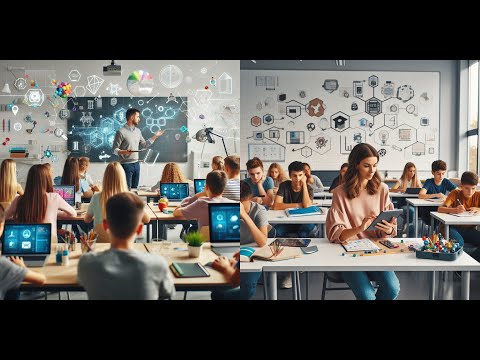
The traditional model of education is undergoing a significant transformation, driven by the need for more effective and engaging learning experiences. This shift is characterized by the adoption of best practices in education, which prioritize student-centered approaches and technology integration. As educators and policymakers, it is essential to understand the factors driving this change and the strategies that can be employed to support it. For instance, personalized learning has been shown to improve student outcomes by tailoring instruction to individual needs and abilities. Furthermore, collaborative learning environments can foster a sense of community and promote deeper understanding of subject matter.
📊 Data-Driven Instruction: A Key to Success
The use of data-driven instruction is a critical component of revolutionized learning. By leveraging data and analytics, educators can identify areas where students may be struggling and develop targeted interventions to support them. This approach has been shown to improve student outcomes and reduce achievement gaps. Additionally, education analytics can inform instruction and help educators make data-driven decisions. For example, competency-based progression models allow students to progress through coursework at their own pace, ensuring that they have mastered key skills and concepts before moving on to more challenging material.
👥 Personalized Learning: Tailoring Education to Individual Needs
Personalized learning is an approach that recognizes the unique needs and abilities of each student. By tailoring instruction to individual learners, educators can increase engagement and motivation, leading to improved academic outcomes. This approach can be supported through the use of learning management systems and other digital tools. Moreover, universal design for learning principles can help educators design instruction that is accessible and effective for all students, regardless of their abilities or disabilities. By incorporating diversity and inclusion into the curriculum, educators can promote a more equitable and supportive learning environment.
🤝 Collaborative Learning: Fostering a Sense of Community
Collaborative learning environments are designed to foster a sense of community and promote deeper understanding of subject matter. By working together, students can develop essential skills such as communication, problem-solving, and critical thinking. This approach can be supported through the use of project-based learning and other collaborative instructional strategies. For instance, service learning projects can help students develop a sense of social responsibility and apply academic skills to real-world problems. Furthermore, global perspectives can be incorporated into the curriculum to promote cross-cultural understanding and awareness.
📱 Technology Integration: Enhancing the Learning Experience
The effective technology integration is critical to supporting revolutionized learning. Digital tools and platforms can enhance the learning experience, increase access to educational resources, and provide new opportunities for student engagement and feedback. For example, online and blended learning models can provide students with more flexibility and autonomy in their learning. Additionally, artificial intelligence in education can help educators personalize instruction and identify areas where students may need additional support. By leveraging education technology, educators can create more efficient and effective learning environments.
📝 Competency-Based Progression: Redefining Student Assessment
Competency-based progression models are designed to ensure that students have mastered key skills and concepts before progressing to more challenging material. This approach can help reduce achievement gaps and improve student outcomes by providing a more nuanced and accurate picture of student learning. For instance, standards-based education can help educators develop clear and consistent expectations for student learning. Moreover, formative assessment strategies can provide educators with ongoing feedback and insights into student learning, allowing for more targeted and effective instruction. By incorporating project-based learning into the curriculum, educators can help students develop a deeper understanding of subject matter and apply academic skills to real-world problems.
🌎 Global Perspectives: Incorporating Diversity and Inclusion
Incorporating global perspectives into the curriculum can help promote cross-cultural understanding and awareness. By studying diverse cultures and societies, students can develop a more nuanced and informed view of the world and its complexities. This approach can be supported through the use of global education programs and study abroad opportunities. Furthermore, diversity and inclusion initiatives can help create a more welcoming and supportive learning environment for all students. By leveraging technology integration, educators can provide students with access to a wide range of educational resources and materials from around the world.
📈 Continuous Improvement: Embracing a Growth Mindset
Embracing a growth mindset is essential for supporting revolutionized learning. By recognizing that abilities and intelligence can be developed, educators can create a more supportive and inclusive learning environment. This approach can be supported through the use of social-emotional learning programs and mindfulness in education strategies. For example, restorative practices can help educators build stronger relationships with students and promote a sense of community and respect. Moreover, teacher support and professional development opportunities can help educators develop the skills and knowledge needed to support revolutionized learning.
📊 Education Analytics: Informing Instruction with Data
Education analytics can inform instruction and help educators make data-driven decisions. By leveraging data and analytics, educators can identify areas where students may be struggling and develop targeted interventions to support them. This approach has been shown to improve student outcomes and reduce achievement gaps. Additionally, data-driven instruction can help educators develop more effective and efficient instructional strategies. For instance, learning analytics can provide educators with insights into student learning behaviors and patterns, allowing for more targeted and effective instruction. By incorporating artificial intelligence in education, educators can create more personalized and adaptive learning environments.
👨🏫 Teacher Support: Providing Professional Development Opportunities
Providing teacher support and professional development opportunities is critical to supporting revolutionized learning. By helping educators develop the skills and knowledge needed to support new instructional approaches, schools and districts can ensure that teachers are equipped to provide high-quality instruction and support. For example, coaching and mentoring programs can help educators develop the skills and confidence needed to support personalized and competency-based learning. Moreover, teacher evaluation systems can provide educators with feedback and insights into their instructional practices, allowing for more targeted and effective professional development.
📚 Resource Allocation: Ensuring Equitable Access to Quality Materials
Ensuring resource allocation is critical to supporting revolutionized learning. By providing educators with access to high-quality instructional materials and resources, schools and districts can help ensure that all students have an equal opportunity to succeed. This approach can be supported through the use of open educational resources and digital textbooks. For instance, education funding initiatives can help provide schools and districts with the resources needed to support new instructional approaches and technologies. Furthermore, community partnerships can help educators develop more effective and sustainable support systems for students and families.
🎯 Setting Goals: Creating a Vision for Educational Excellence
Creating a vision for educational excellence is essential for supporting revolutionized learning. By developing a clear and compelling vision for teaching and learning, educators can help ensure that all students have access to high-quality instructional programs and support. This approach can be supported through the use of strategic planning and school improvement plans. For example, accountability systems can help educators develop more effective and efficient instructional strategies, while education policy initiatives can help shape the broader educational landscape and promote more equitable and effective learning environments.
Key Facts
- Year
- 2022
- Origin
- The concept of best practices in education has its roots in the early 20th century, with the work of educators like John Dewey and Maria Montessori, who emphasized the importance of student-centered learning and hands-on experience.
- Category
- Education
- Type
- Concept
Frequently Asked Questions
What is revolutionized learning?
Revolutionized learning refers to the transformation of traditional educational models to more effective and engaging learning experiences. This shift is characterized by the adoption of best practices in education, which prioritize student-centered approaches and technology integration. For instance, personalized learning and collaborative learning environments can foster a sense of community and promote deeper understanding of subject matter. By leveraging education analytics and data-driven instruction, educators can inform instruction and make data-driven decisions.
How can educators support revolutionized learning?
Educators can support revolutionized learning by adopting student-centered approaches, leveraging technology integration, and providing personalized and competency-based instruction. For example, project-based learning and service learning projects can help students develop essential skills such as communication, problem-solving, and critical thinking. Moreover, teacher support and professional development opportunities can help educators develop the skills and knowledge needed to support new instructional approaches. By incorporating diversity and inclusion into the curriculum, educators can promote a more equitable and supportive learning environment for all students.
What role does technology play in revolutionized learning?
Technology plays a critical role in revolutionized learning, as it can enhance the learning experience, increase access to educational resources, and provide new opportunities for student engagement and feedback. For instance, online and blended learning models can provide students with more flexibility and autonomy in their learning. Additionally, artificial intelligence in education can help educators personalize instruction and identify areas where students may need additional support. By leveraging education technology, educators can create more efficient and effective learning environments.
How can schools and districts support revolutionized learning?
Schools and districts can support revolutionized learning by providing educators with access to high-quality instructional materials and resources, investing in education technology, and developing strategic plans to support new instructional approaches. For example, education funding initiatives can help provide schools and districts with the resources needed to support new instructional approaches and technologies. Furthermore, community partnerships can help educators develop more effective and sustainable support systems for students and families. By incorporating global perspectives into the curriculum, educators can promote cross-cultural understanding and awareness.
What are the benefits of revolutionized learning?
The benefits of revolutionized learning include improved student outcomes, increased student engagement and motivation, and more effective and efficient instructional strategies. For instance, personalized learning can help students develop a deeper understanding of subject matter and apply academic skills to real-world problems. Moreover, collaborative learning environments can foster a sense of community and promote deeper understanding of subject matter. By leveraging education analytics and data-driven instruction, educators can inform instruction and make data-driven decisions.
How can educators measure the effectiveness of revolutionized learning?
Educators can measure the effectiveness of revolutionized learning by using a variety of metrics, including student achievement data, feedback from students and parents, and observations of instructional practices. For example, learning analytics can provide educators with insights into student learning behaviors and patterns, allowing for more targeted and effective instruction. Additionally, formative assessment strategies can provide educators with ongoing feedback and insights into student learning, allowing for more targeted and effective instruction. By incorporating standards-based education into the curriculum, educators can develop clear and consistent expectations for student learning.
What are the challenges of implementing revolutionized learning?
The challenges of implementing revolutionized learning include the need for significant investments in education technology, the development of new instructional approaches and materials, and the provision of ongoing support and professional development for educators. For instance, teacher evaluation systems can provide educators with feedback and insights into their instructional practices, allowing for more targeted and effective professional development. Moreover, coaching and mentoring programs can help educators develop the skills and confidence needed to support personalized and competency-based learning. By leveraging community partnerships, educators can develop more effective and sustainable support systems for students and families.