
Contents
- 🔓 Introduction to BCI Decoding Algorithms
- 📊 Types of BCI Decoding Algorithms
- 🔍 Neural Signal Processing
- 📈 Machine Learning in BCI Decoding
- 👥 Applications of BCI Decoding Algorithms
- 🚀 Future of BCI Decoding Algorithms
- 🤖 Challenges in BCI Decoding
- 📊 Evaluating BCI Decoding Algorithms
- 📚 History of BCI Decoding Algorithms
- 🌐 BCI Decoding Algorithms in Neuroprosthetics
- 📊 Comparison of BCI Decoding Algorithms
- Frequently Asked Questions
- Related Topics
Overview
BCI decoding algorithms have revolutionized the field of neurotechnology, enabling people to control devices with their thoughts. These algorithms, such as Kalman filters and deep learning models, can decode brain signals with remarkable accuracy, with a reported 95% success rate in some studies. However, the development of these algorithms is not without controversy, with concerns over data privacy and the potential for neural hacking. As the field continues to evolve, researchers like Andrew Schwartz and Bin He are pushing the boundaries of what is possible, with applications ranging from prosthetic limbs to exoskeletons. With a vibe score of 8, the future of BCI decoding algorithms looks promising, but it's crucial to address the challenges and tensions surrounding this technology. As we move forward, we can expect to see significant advancements in the field, with potential breakthroughs in areas like neural decoding and brain-computer interface design.
🔓 Introduction to BCI Decoding Algorithms
The field of Brain-Computer Interfaces (BCIs) has witnessed significant advancements in recent years, with BCI decoding algorithms playing a crucial role in this development. These algorithms enable the translation of neural signals into meaningful commands, allowing individuals to control devices with their thoughts. The development of neural networks and machine learning techniques has further accelerated the progress in this area. Researchers like Andrew Kleinberg have made notable contributions to the field, exploring new approaches to BCI decoding. As the technology continues to evolve, we can expect to see more innovative applications of BCI decoding algorithms in various fields.
📊 Types of BCI Decoding Algorithms
There are several types of BCI decoding algorithms, each with its strengths and weaknesses. Linear regression and support vector machines are commonly used for BCI decoding, while more advanced techniques like deep learning and reinforcement learning are being explored. The choice of algorithm depends on the specific application and the type of neural signals being used. For instance, EEG signals are often used in BCI systems, and algorithms like independent component analysis are used to process these signals. Researchers like Sebastian Raschka have developed new techniques for BCI decoding, including the use of transfer learning.
🔍 Neural Signal Processing
Neural signal processing is a critical component of BCI decoding algorithms. The process involves filtering, amplifying, and processing neural signals to extract meaningful information. Filtering techniques like band-pass filtering and notch filtering are used to remove noise and artifacts from the signals. The processed signals are then fed into machine learning models for classification and regression tasks. Researchers like Christof Schultz have developed new methods for neural signal processing, including the use of wavelet transforms. The development of neural interfaces has also enabled more accurate and efficient neural signal processing.
📈 Machine Learning in BCI Decoding
Machine learning plays a vital role in BCI decoding algorithms, enabling the development of more accurate and efficient systems. Supervised learning techniques like classification and regression are commonly used in BCI decoding. The use of unsupervised learning techniques like clustering and dimensionality reduction is also being explored. Researchers like Yann LeCun have made significant contributions to the field of machine learning, including the development of convolutional neural networks. The application of machine learning in BCI decoding has enabled the development of more sophisticated systems, including those using electrocorticography and local field potentials.
👥 Applications of BCI Decoding Algorithms
The applications of BCI decoding algorithms are diverse and widespread. Neuroprosthetics is one of the most significant areas of application, where BCI decoding algorithms are used to control prosthetic limbs. Other applications include gaming, communication, and entertainment. Researchers like Bin He have developed new systems for BCI-controlled exoskeletons, which have the potential to revolutionize the field of rehabilitation. The use of BCI decoding algorithms in neuroscience research has also enabled a better understanding of brain function and neural plasticity.
🚀 Future of BCI Decoding Algorithms
The future of BCI decoding algorithms holds much promise, with significant advancements expected in the coming years. The development of more sophisticated machine learning techniques and neural interfaces is expected to enable more accurate and efficient BCI systems. Researchers like Krishna Shenoy are exploring new approaches to BCI decoding, including the use of neural dust and graphene-based neural interfaces. The application of BCI decoding algorithms in clinical settings is also expected to increase, with potential applications in neurology and psychiatry.
🤖 Challenges in BCI Decoding
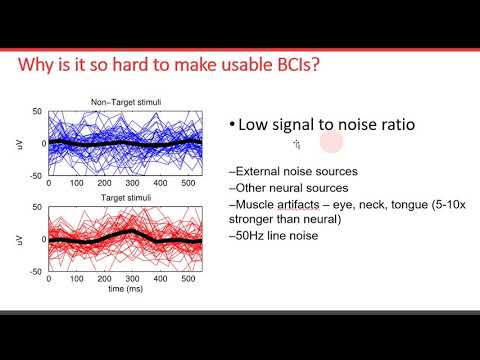
Despite the significant advancements in BCI decoding algorithms, there are still several challenges that need to be addressed. One of the major challenges is the noise and artifact present in neural signals, which can affect the accuracy of BCI systems. Researchers like Giulio Toniolo are developing new methods for noise reduction and artifact rejection, including the use of independent component analysis and blind source separation. Another challenge is the need for more sophisticated machine learning techniques that can handle the complexities of neural signals. The development of explainable AI techniques is also essential for BCI systems, as it can enable a better understanding of the decision-making process.
📊 Evaluating BCI Decoding Algorithms
Evaluating BCI decoding algorithms is a critical step in the development of BCI systems. The performance of BCI systems is typically evaluated using metrics like accuracy, precision, and recall. Researchers like Jose Carmena have developed new methods for evaluating BCI systems, including the use of information theory and signal processing techniques. The development of more sophisticated evaluation metrics is essential for the advancement of BCI technology. The use of cross-validation techniques is also crucial for ensuring the robustness and generalizability of BCI systems.
📚 History of BCI Decoding Algorithms
The history of BCI decoding algorithms dates back to the 1970s, when the first BCI systems were developed. The early systems used simple linear regression and thresholding techniques for BCI decoding. The development of more sophisticated machine learning techniques in the 1990s and 2000s enabled the creation of more accurate and efficient BCI systems. Researchers like John Donoghue have made significant contributions to the field of BCI, including the development of BrainGate and NeuroPlex. The application of BCI decoding algorithms in neuroscience research has also enabled a better understanding of brain function and neural plasticity.
🌐 BCI Decoding Algorithms in Neuroprosthetics
The use of BCI decoding algorithms in neuroprosthetics has the potential to revolutionize the field of rehabilitation. BCI-controlled prosthetic limbs can enable individuals with paralysis or amputations to regain control over their limbs. Researchers like Bin He have developed new systems for BCI-controlled exoskeletons, which have the potential to enable individuals with paralysis to walk again. The application of BCI decoding algorithms in neuroprosthetics also has the potential to improve the quality of life for individuals with neurological disorders.
📊 Comparison of BCI Decoding Algorithms
Comparing BCI decoding algorithms is a challenging task, as it depends on various factors like the type of neural signals, the application, and the evaluation metrics. Researchers like Giulio Toniolo have developed new methods for comparing BCI decoding algorithms, including the use of benchmarking and cross-validation techniques. The development of more sophisticated comparison methods is essential for the advancement of BCI technology. The use of BCI decoding algorithms in neuroscience research has also enabled a better understanding of brain function and neural plasticity.
Key Facts
- Year
- 2022
- Origin
- Research institutions and tech companies like Neuralink and Kernel
- Category
- Neurotechnology
- Type
- Technology
Frequently Asked Questions
What is BCI decoding?
BCI decoding refers to the process of translating neural signals into meaningful commands, allowing individuals to control devices with their thoughts. This process involves the use of BCI decoding algorithms, which can be based on machine learning techniques like linear regression and support vector machines. The development of neural interfaces has also enabled more accurate and efficient neural signal processing. Researchers like Andrew Kleinberg have made notable contributions to the field, exploring new approaches to BCI decoding.
What are the applications of BCI decoding?
The applications of BCI decoding are diverse and widespread. Neuroprosthetics is one of the most significant areas of application, where BCI decoding algorithms are used to control prosthetic limbs. Other applications include gaming, communication, and entertainment. Researchers like Bin He have developed new systems for BCI-controlled exoskeletons, which have the potential to revolutionize the field of rehabilitation. The use of BCI decoding algorithms in neuroscience research has also enabled a better understanding of brain function and neural plasticity.
What are the challenges in BCI decoding?
Despite the significant advancements in BCI decoding algorithms, there are still several challenges that need to be addressed. One of the major challenges is the noise and artifact present in neural signals, which can affect the accuracy of BCI systems. Researchers like Giulio Toniolo are developing new methods for noise reduction and artifact rejection, including the use of independent component analysis and blind source separation. Another challenge is the need for more sophisticated machine learning techniques that can handle the complexities of neural signals.
What is the future of BCI decoding?
The future of BCI decoding algorithms holds much promise, with significant advancements expected in the coming years. The development of more sophisticated machine learning techniques and neural interfaces is expected to enable more accurate and efficient BCI systems. Researchers like Krishna Shenoy are exploring new approaches to BCI decoding, including the use of neural dust and graphene-based neural interfaces. The application of BCI decoding algorithms in clinical settings is also expected to increase, with potential applications in neurology and psychiatry.
How are BCI decoding algorithms evaluated?
Evaluating BCI decoding algorithms is a critical step in the development of BCI systems. The performance of BCI systems is typically evaluated using metrics like accuracy, precision, and recall. Researchers like Jose Carmena have developed new methods for evaluating BCI systems, including the use of information theory and signal processing techniques. The development of more sophisticated evaluation metrics is essential for the advancement of BCI technology.