
Contents
- 🏛️ Introduction to Augustine
- 📚 Life and Works of Augustine
- 🕊️ The City of God: A Masterpiece of Christian Theology
- 📖 On Christian Doctrine: A Guide to Interpreting Scripture
- 🙏 Confessions: A Personal and Philosophical Autobiography
- 🤝 Influence of Augustine on Western Philosophy
- 🌎 Impact of Augustine on Western Christianity
- 📝 Legacy of Augustine: A Lasting Impact on Christian Thought
- 👥 Criticisms and Controversies Surrounding Augustine
- 🌐 Augustine's View on Free Will and Predestination
- 📜 The Role of Augustine in the Development of Christian Doctrine
- 👑 Augustine's Relationship with Other Church Fathers
- Frequently Asked Questions
- Related Topics
Overview
Augustine of Hippo, born on November 13, 354 CE, was a philosopher, theologian, and bishop who left an indelible mark on Western Christianity. With a Vibe score of 85, his influential works, such as 'Confessions' and 'The City of God', continue to resonate with scholars and believers alike. As a key figure in the development of Christian doctrine, Augustine's ideas on original sin, free will, and the nature of God have been both praised and criticized by thinkers like Thomas Aquinas and Martin Luther. Despite controversy surrounding his views on predestination and the role of the church, Augustine's legacy endures, with his writings remaining a cornerstone of theological study. As the Western world continues to grapple with the intersection of faith and reason, Augustine's thought-provoking ideas remain a vital part of the conversation. With over 1,000 years of influence, Augustine's impact on Western philosophy and theology is undeniable, with his work continuing to shape the debates of modern thinkers like Jean-Paul Sartre and Reinhold Niebuhr.
🏛️ Introduction to Augustine
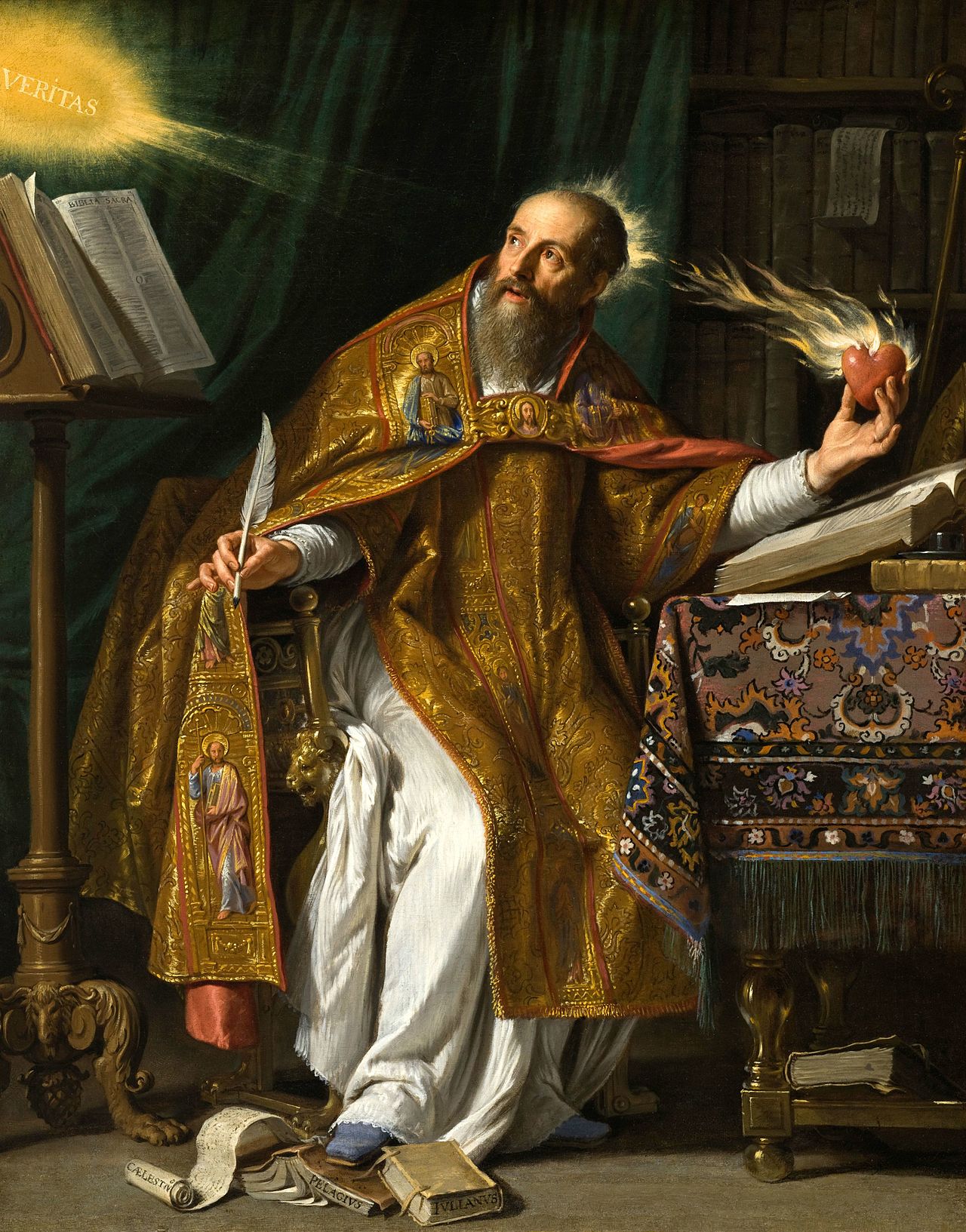
Augustine of Hippo, also known as Saint Augustine, was a Christian theologian and philosopher from Roman Africa. He is widely regarded as one of the most important figures in the development of Western Christianity, and his writings have had a profound impact on the Latin Church and Western philosophy. Born in Thagaste, Numidia, Augustine was the bishop of Hippo Regius and wrote extensively on theology, philosophy, and scripture. His most famous works include The City of God, On Christian Doctrine, and Confessions. These works showcase Augustine's intellectual depth and his ability to integrate philosophy and theology into a cohesive and compelling vision of the Christian faith.
📚 Life and Works of Augustine
Augustine's life was marked by a series of significant events that shaped his theological and philosophical views. Born to a pagan father and a Christian mother, Augustine was educated in Rhetoric and Philosophy, and he eventually converted to Christianity. His conversion had a profound impact on his life and work, and he went on to become one of the most influential Christian thinkers of all time. Augustine's writings are characterized by their intellectual rigor, their passion, and their commitment to the Christian faith. His works include The City of God, which is a masterpiece of Christian theology, and On Christian Doctrine, which provides a comprehensive guide to interpreting Scripture.
🕊️ The City of God: A Masterpiece of Christian Theology
The City of God is one of Augustine's most famous works, and it is a masterpiece of Christian theology. In this work, Augustine explores the nature of the City of God and its relationship to the Earthly City. He argues that the City of God is a spiritual community that transcends the earthly city, and that it is the ultimate destination of all humanity. Augustine's vision of the City of God is deeply rooted in his understanding of Christian theology and his commitment to the Christian faith. The City of God is a work of profound intellectual and spiritual depth, and it continues to be widely read and studied today. It has had a significant impact on the development of Western Christianity and has influenced thinkers such as Thomas Aquinas and Martin Luther.
📖 On Christian Doctrine: A Guide to Interpreting Scripture
On Christian Doctrine is another important work by Augustine, and it provides a comprehensive guide to interpreting Scripture. In this work, Augustine explores the nature of Christian doctrine and its relationship to the interpretation of Scripture. He argues that Scripture should be interpreted in a way that is consistent with the Rule of Faith, and that it should be understood in the context of the broader Christian tradition. Augustine's approach to interpreting Scripture is characterized by its intellectual rigor and its commitment to the Christian faith. On Christian Doctrine is a work of great importance, and it continues to be widely read and studied today. It has had a significant impact on the development of Biblical interpretation and has influenced thinkers such as John Calvin and Karl Barth.
🙏 Confessions: A Personal and Philosophical Autobiography
Confessions is a personal and philosophical autobiography that provides a unique insight into Augustine's life and thought. In this work, Augustine explores his own spiritual journey and his conversion to Christianity. He reflects on his experiences, his struggles, and his triumphs, and he provides a deeply personal and philosophical account of his own spiritual development. Confessions is a work of great literary and philosophical merit, and it continues to be widely read and studied today. It has had a significant impact on the development of Autobiography and has influenced thinkers such as Jean-Jacques Rousseau and Friedrich Nietzsche. Augustine's Confessions is a testament to the power of Christianity to transform lives and to provide a sense of purpose and meaning.
🤝 Influence of Augustine on Western Philosophy
Augustine's influence on Western philosophy is profound and far-reaching. His writings on Philosophy and Theology have had a significant impact on the development of Western thought, and he is widely regarded as one of the most important philosophers of the Patristic Period. Augustine's philosophical views are characterized by their intellectual rigor and their commitment to the Christian faith. He argues that Faith and Reason are complementary, and that they should be used together to understand the world and our place in it. Augustine's philosophical views have had a significant impact on the development of Scholasticism and have influenced thinkers such as Thomas Aquinas and Duns Scotus.
🌎 Impact of Augustine on Western Christianity
Augustine's impact on Western Christianity is equally profound. His writings on Theology and Scripture have had a significant impact on the development of Western Christian thought, and he is widely regarded as one of the most important Church Fathers of the Latin Church. Augustine's theological views are characterized by their intellectual rigor and their commitment to the Christian faith. He argues that the Bible is the ultimate authority in matters of faith and practice, and that it should be interpreted in a way that is consistent with the Rule of Faith. Augustine's theological views have had a significant impact on the development of Protestantism and have influenced thinkers such as Martin Luther and John Calvin.
📝 Legacy of Augustine: A Lasting Impact on Christian Thought
Augustine's legacy is a lasting one, and his impact on Christian thought and Western philosophy continues to be felt today. His writings on Theology, Philosophy, and Scripture have had a profound impact on the development of Western Christian thought, and he is widely regarded as one of the most important Church Fathers of the Latin Church. Augustine's legacy is a testament to the power of Christianity to transform lives and to provide a sense of purpose and meaning. His writings continue to be widely read and studied today, and they remain an important part of the Western Christian tradition. Augustine's influence can be seen in the work of thinkers such as Thomas Aquinas and Karl Barth, and his ideas continue to shape Christian thought and practice.
👥 Criticisms and Controversies Surrounding Augustine
Despite his significant influence on Western Christianity, Augustine has not been without his critics. Some have argued that his views on Predestination and Free Will are too rigid, and that they do not allow for sufficient human freedom. Others have argued that his views on Just War Theory are too permissive, and that they do not provide a sufficient moral framework for evaluating the use of force. These criticisms are not without merit, and they highlight the complexity and nuance of Augustine's thought. However, they also demonstrate the ongoing relevance and importance of Augustine's ideas, and they underscore the need for continued engagement with his thought and legacy.
🌐 Augustine's View on Free Will and Predestination
Augustine's view on Free Will and Predestination is a complex and nuanced one. He argues that human beings have a degree of freedom, but that this freedom is limited by the fact of Sin. Augustine also argues that God's Sovereignty is not limited by human freedom, and that God's Providence is at work in all things. This view has been the subject of much debate and discussion, and it continues to be an important topic of conversation in Christian theology today. Augustine's view on Free Will and Predestination has been influential in the development of Reformed Theology and has been debated by thinkers such as John Calvin and Jacques Bossuet.
📜 The Role of Augustine in the Development of Christian Doctrine
Augustine played a significant role in the development of Christian doctrine, and his writings on Theology and Scripture have had a profound impact on the Western Christian tradition. He was a key figure in the development of the Nicene Creed, and his writings on the Trinity and the Incarnation have been widely influential. Augustine's views on Christian doctrine are characterized by their intellectual rigor and their commitment to the Christian faith. He argues that the Bible is the ultimate authority in matters of faith and practice, and that it should be interpreted in a way that is consistent with the Rule of Faith.
👑 Augustine's Relationship with Other Church Fathers
Augustine's relationship with other Church Fathers was complex and multifaceted. He was deeply influenced by the writings of Origen of Alexandria and Cyprian of Carthage, and he engaged in a series of debates and discussions with other Christian thinkers of his time. Augustine's relationships with other Church Fathers were marked by a deep commitment to the Christian faith and a desire to understand and interpret the Scripture in a way that was consistent with the Rule of Faith. He was a key figure in the development of the Latin Church, and his writings continue to be widely read and studied today.
Key Facts
- Year
- 354
- Origin
- Thagaste, Numidia (modern-day Algeria)
- Category
- Philosophy and Religion
- Type
- Historical Figure
Frequently Asked Questions
Who was Augustine of Hippo?
Augustine of Hippo was a Christian theologian and philosopher from Roman Africa. He is widely regarded as one of the most important figures in the development of Western Christianity, and his writings have had a profound impact on the Latin Church and Western philosophy. Augustine was born in Thagaste, Numidia, and he became the bishop of Hippo Regius. He wrote extensively on theology, philosophy, and scripture, and his most famous works include The City of God, On Christian Doctrine, and Confessions.
What was Augustine's view on Free Will and Predestination?
Augustine's view on Free Will and Predestination is a complex and nuanced one. He argues that human beings have a degree of freedom, but that this freedom is limited by the fact of Sin. Augustine also argues that God's Sovereignty is not limited by human freedom, and that God's Providence is at work in all things. This view has been the subject of much debate and discussion, and it continues to be an important topic of conversation in Christian theology today.
What was Augustine's relationship with other Church Fathers?
Augustine's relationship with other Church Fathers was complex and multifaceted. He was deeply influenced by the writings of Origen of Alexandria and Cyprian of Carthage, and he engaged in a series of debates and discussions with other Christian thinkers of his time. Augustine's relationships with other Church Fathers were marked by a deep commitment to the Christian faith and a desire to understand and interpret the Scripture in a way that was consistent with the Rule of Faith.
What was Augustine's impact on Western Christianity?
Augustine's impact on Western Christianity is profound and far-reaching. His writings on Theology and Scripture have had a significant impact on the development of Western Christian thought, and he is widely regarded as one of the most important Church Fathers of the Latin Church. Augustine's theological views are characterized by their intellectual rigor and their commitment to the Christian faith. He argues that the Bible is the ultimate authority in matters of faith and practice, and that it should be interpreted in a way that is consistent with the Rule of Faith.
What was Augustine's view on Just War Theory?
Augustine's view on Just War Theory is a complex and nuanced one. He argues that war is sometimes necessary, but that it should only be undertaken as a last resort and with a deep sense of regret. Augustine also argues that war should be conducted in a way that is consistent with the principles of Justice and Charity. This view has been the subject of much debate and discussion, and it continues to be an important topic of conversation in Christian ethics today.
What was Augustine's legacy?
Augustine's legacy is a lasting one, and his impact on Christian thought and Western philosophy continues to be felt today. His writings on Theology, Philosophy, and Scripture have had a profound impact on the development of Western Christian thought, and he is widely regarded as one of the most important Church Fathers of the Latin Church. Augustine's legacy is a testament to the power of Christianity to transform lives and to provide a sense of purpose and meaning.
How did Augustine influence Western philosophy?
Augustine's influence on Western philosophy is profound and far-reaching. His writings on Philosophy and Theology have had a significant impact on the development of Western thought, and he is widely regarded as one of the most important philosophers of the Patristic Period. Augustine's philosophical views are characterized by their intellectual rigor and their commitment to the Christian faith. He argues that Faith and Reason are complementary, and that they should be used together to understand the world and our place in it.