
Contents
- 🌏 Introduction to Asia Pacific Triennial
- 🎨 History and Evolution of APT
- 🌈 Artistic Themes and Features
- 📸 Notable Artists and Works
- 🏛️ Queensland Art Gallery and Gallery of Modern Art
- 🌐 International Reach and Impact
- 🤝 Collaborations and Partnerships
- 📊 Attendance and Engagement
- 🌟 Awards and Recognition
- 📄 Curatorial Approach and Challenges
- 🌈 Future Directions and Prospects
- Frequently Asked Questions
- Related Topics
Overview
The Asia Pacific Triennial (APT) is a flagship contemporary art event held at the Queensland Art Gallery | Gallery of Modern Art (QAGOMA) in Brisbane, Australia. First launched in 1993, the APT has grown to become one of the most significant and respected exhibitions of its kind, showcasing the diverse artistic talents of the Asia-Pacific region. With a vibe score of 8, the APT has consistently pushed the boundaries of contemporary art, featuring over 80 artists and groups from more than 30 countries. The event has sparked controversy and debate, with some critics arguing that it prioritizes Australian and Western perspectives over those of the region. Despite this, the APT remains a highly influential and anticipated event, with a significant impact on the global art scene. As the APT continues to evolve, it will be interesting to see how it navigates the complexities of representing the Asia-Pacific region and its diverse artistic voices, with some speculating that it may become an even more prominent platform for emerging artists and alternative perspectives in the years to come.
🌏 Introduction to Asia Pacific Triennial
The Asia Pacific Triennial (APT) is a premier contemporary art event in the Asia Pacific region, held every three years at the Queensland Art Gallery and Gallery of Modern Art in Brisbane, Australia. Since its inception in 1993, APT has been showcasing the diverse and vibrant artistic talents of the region, with a focus on contemporary art and indigenous art. The triennial has become a significant platform for artists, curators, and art enthusiasts to engage with the latest developments in the region's art scene. APT has also been instrumental in promoting cultural exchange and understanding between Australia and its Asian neighbors. The event has been supported by the Australian Government and other organizations, such as the Australia Council for the Arts.
🎨 History and Evolution of APT
The first APT was held in 1993, with a focus on southeast Asian art. Over the years, the triennial has expanded its scope to include artists from East Asia, South Asia, and the Pacific Islands. The event has also evolved to incorporate various artistic mediums, including painting, sculpture, photography, and installation art. APT has been curated by renowned art experts, such as Douglas Hall and Suhanya Raffel. The triennial has also been recognized for its innovative approach to art education and community engagement. APT has collaborated with other institutions, such as the National Gallery of Australia, to promote the arts in the region.
🌈 Artistic Themes and Features
APT has featured a wide range of artistic themes and styles, reflecting the diversity and complexity of the Asia Pacific region. The triennial has included works that address issues such as identity politics, environmentalism, and social justice. APT has also showcased traditional art forms, such as textile art and ceramics, alongside contemporary works. The event has been praised for its curatorial approach, which emphasizes the importance of contextualization and cultural sensitivity. APT has also been recognized for its efforts to promote artistic exchange and collaboration between artists from different countries and backgrounds. The triennial has featured works by artists such as Ai Weiwei and Shirin Neshat.
📸 Notable Artists and Works
APT has featured many notable artists and works over the years, including Takashi Murakami's colorful and playful sculptures, and Yayoi Kusama's immersive and interactive installations. The triennial has also showcased the works of emerging artists, such as Liu Xiaodong and Yang Fudong. APT has been recognized for its efforts to promote artistic innovation and experimentation. The event has also been praised for its community engagement initiatives, which aim to make art more accessible and inclusive. APT has collaborated with other organizations, such as the Asia Society, to promote the arts in the region. The triennial has also featured works by artists from Australia, such as Patricia Piccinini and Bill Henson.
🏛️ Queensland Art Gallery and Gallery of Modern Art
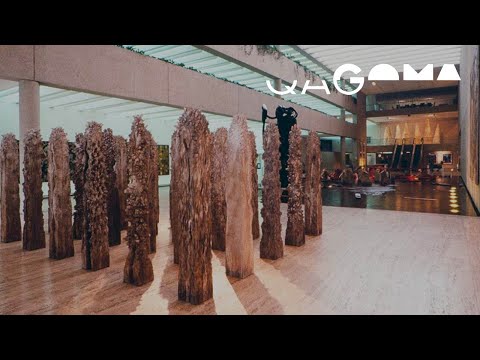
The Queensland Art Gallery and Gallery of Modern Art are the primary venues for APT, providing a unique and dynamic space for the exhibition. The galleries have undergone significant expansions and renovations over the years, allowing for more ambitious and large-scale exhibitions. APT has also been held in other venues, such as the Brisbane Convention and Exhibition Centre and the State Library of Queensland. The event has been supported by the Queensland Government and other organizations, such as the Brisbane City Council. APT has also collaborated with other institutions, such as the University of Queensland, to promote the arts in the region. The galleries have also hosted other events, such as the Brisbane Festival, which features a range of artistic and cultural performances.
🌐 International Reach and Impact
APT has gained international recognition and acclaim, attracting visitors and artists from around the world. The triennial has been praised for its global reach and its ability to promote cultural understanding and exchange between different countries and regions. APT has also been recognized for its efforts to promote artistic collaboration and exchange between artists from different backgrounds. The event has been supported by international organizations, such as the Asian Cultural Council. APT has also collaborated with other institutions, such as the MoMA in New York, to promote the arts globally. The triennial has featured works by artists from Europe, such as Anselm Kiefer and Gerhard Richter.
🤝 Collaborations and Partnerships
APT has collaborated with various organizations and institutions to promote the arts and cultural exchange in the Asia Pacific region. The triennial has partnered with art galleries, museums, and cultural centers to showcase the works of artists from the region. APT has also worked with art schools and universities to promote art education and artistic development. The event has been supported by government agencies, such as the Australian Government and the Queensland Government. APT has also collaborated with private organizations, such as the Australia-Asia Council, to promote the arts in the region. The triennial has featured works by artists from North America, such as Cindy Sherman and Richard Serra.
📊 Attendance and Engagement
APT has attracted a large and diverse audience over the years, with attendance numbers exceeding 600,000 visitors. The triennial has been praised for its community engagement initiatives, which aim to make art more accessible and inclusive. APT has also been recognized for its efforts to promote artistic innovation and experimentation. The event has been supported by the Queensland Government and other organizations, such as the Brisbane City Council. APT has also collaborated with other institutions, such as the University of Queensland, to promote the arts in the region. The triennial has featured works by artists from South America, such as Fernando Botero and Hélio Oiticica.
🌟 Awards and Recognition
APT has received numerous awards and recognition for its contributions to the arts and cultural exchange in the Asia Pacific region. The triennial has been praised for its curatorial approach, which emphasizes the importance of contextualization and cultural sensitivity. APT has also been recognized for its efforts to promote artistic innovation and experimentation. The event has been supported by government agencies, such as the Australian Government and the Queensland Government. APT has also collaborated with private organizations, such as the Australia-Asia Council, to promote the arts in the region. The triennial has featured works by artists from Africa, such as El Anatsui and Yinka Shonibare.
📄 Curatorial Approach and Challenges
The curatorial approach of APT has been praised for its innovative and inclusive approach to showcasing the diverse artistic talents of the Asia Pacific region. The triennial has been recognized for its efforts to promote artistic collaboration and exchange between artists from different backgrounds. APT has also been praised for its community engagement initiatives, which aim to make art more accessible and inclusive. The event has been supported by the Queensland Government and other organizations, such as the Brisbane City Council. APT has also collaborated with other institutions, such as the University of Queensland, to promote the arts in the region. The triennial has featured works by artists from Asia, such as Lee Ufan and Kimsooja.
🌈 Future Directions and Prospects
As APT continues to evolve and grow, it is likely to remain a significant platform for artists, curators, and art enthusiasts to engage with the latest developments in the Asia Pacific art scene. The triennial will likely continue to showcase the diverse and vibrant artistic talents of the region, with a focus on contemporary art and indigenous art. APT will also likely continue to promote cultural exchange and understanding between Australia and its Asian neighbors. The event will be supported by the Australian Government and other organizations, such as the Australia Council for the Arts. APT will also collaborate with other institutions, such as the National Gallery of Australia, to promote the arts in the region.
Key Facts
- Year
- 1993
- Origin
- Brisbane, Australia
- Category
- Art and Culture
- Type
- Art Exhibition
Frequently Asked Questions
What is the Asia Pacific Triennial?
The Asia Pacific Triennial (APT) is a premier contemporary art event in the Asia Pacific region, held every three years at the Queensland Art Gallery and Gallery of Modern Art in Brisbane, Australia. APT showcases the diverse and vibrant artistic talents of the region, with a focus on contemporary art and indigenous art. The triennial has become a significant platform for artists, curators, and art enthusiasts to engage with the latest developments in the region's art scene.
When was the first APT held?
The first APT was held in 1993, with a focus on southeast Asian art. Over the years, the triennial has expanded its scope to include artists from East Asia, South Asia, and the Pacific Islands.
What types of artistic mediums are featured at APT?
APT features a wide range of artistic mediums, including painting, sculpture, photography, and installation art. The triennial has also included traditional art forms, such as textile art and ceramics, alongside contemporary works.
How has APT promoted cultural exchange and understanding?
APT has promoted cultural exchange and understanding between Australia and its Asian neighbors through its innovative and inclusive approach to showcasing the diverse artistic talents of the Asia Pacific region. The triennial has also collaborated with other institutions and organizations to promote cultural exchange and understanding.
What is the curatorial approach of APT?
The curatorial approach of APT has been praised for its innovative and inclusive approach to showcasing the diverse artistic talents of the Asia Pacific region. The triennial has been recognized for its efforts to promote artistic collaboration and exchange between artists from different backgrounds.
How has APT engaged with the community?
APT has engaged with the community through its community engagement initiatives, which aim to make art more accessible and inclusive. The triennial has also collaborated with other institutions and organizations to promote art education and artistic development.
What are the future directions and prospects for APT?
As APT continues to evolve and grow, it is likely to remain a significant platform for artists, curators, and art enthusiasts to engage with the latest developments in the Asia Pacific art scene. The triennial will likely continue to showcase the diverse and vibrant artistic talents of the region, with a focus on contemporary art and indigenous art.